
Bugbear Meaning: Definition, Examples, Origin, and Usage
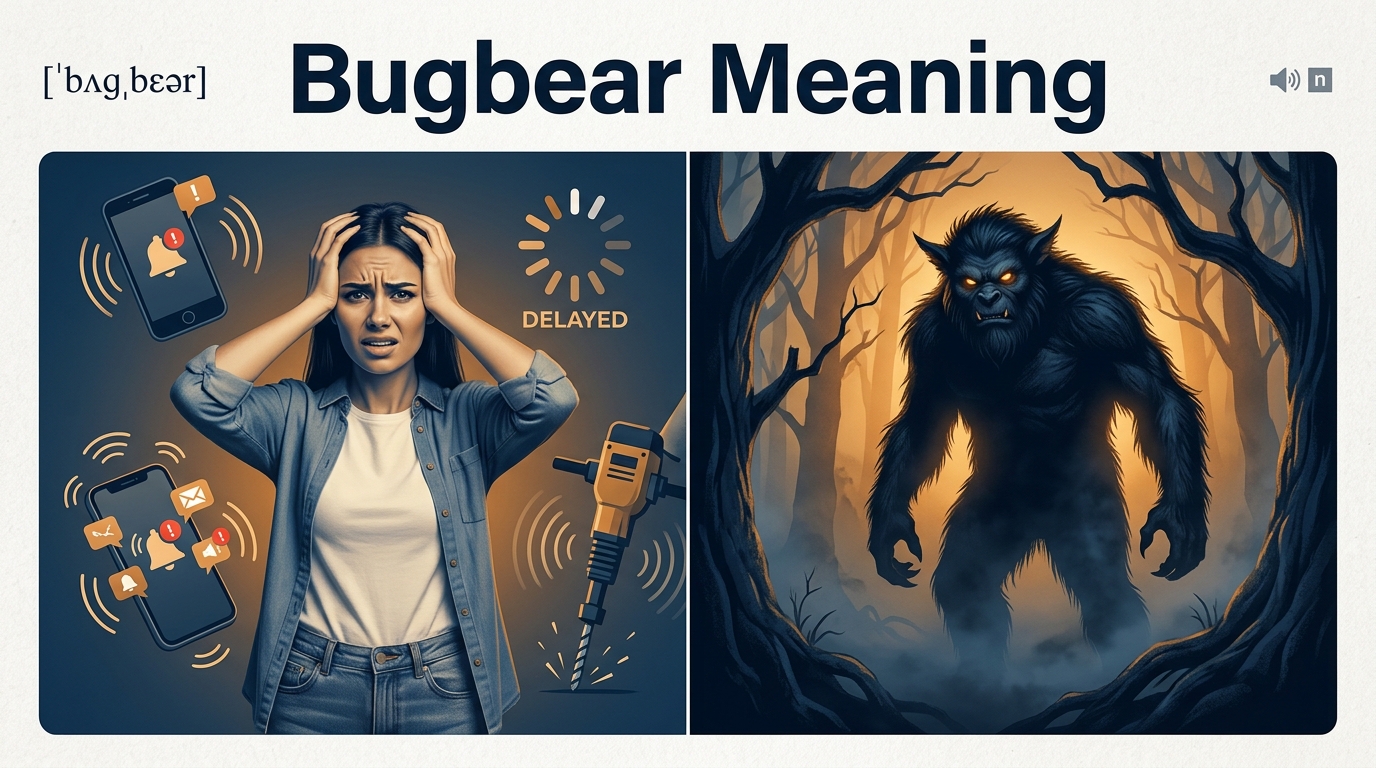
The word bugbear usually means a problem, habit, or situation that causes repeated annoyance, worry, or frustration. In modern English, people often use it to describe something that bothers them more than it may bother other people. For example, someone may say, “Late meetings are my biggest bugbear.” This means late meetings are a major personal irritation.
The word can also have an older meaning. In traditional stories, a bugbear was an imaginary creature used to frighten children. In fantasy settings, especially Dungeons & Dragons, a bugbear is a large goblinoid monster known for strength and stealth.
This guide explains the bugbear meaning in simple English, shows how to pronounce and use it, and compares it with related terms such as pet peeve and bugaboo. It also covers British usage, slang, synonyms, antonyms, word origin, and the role of bugbears in fantasy games.
For readers who prefer clear vocabulary explanations without difficult wording, MeaningDict is a practical place to understand words through definitions, context, and real-life examples.
What Does Bugbear Mean in English?
In English, bugbear is a noun that refers to something causing ongoing annoyance, fear, concern, or difficulty. The most common modern meaning is a particular issue that repeatedly irritates someone. It is often personal, which means one person’s bugbear may not trouble another person at all.
For example, poor customer service may be a bugbear for someone who values quick communication. Complicated forms may be a bugbear for people who prefer simple processes. In these cases, the word points to a recurring frustration rather than a single bad event.
The word also has a historical meaning. A bugbear was once described as an imaginary creature or frightening figure used in stories to scare children. That older sense helped create the modern idea of something that causes fear or worry.
In most everyday conversations, however, bugbear means a repeated irritation or troublesome issue. It is especially common in British English and is often used in phrases such as “my main bugbear,” “a personal bugbear,” or “one of her biggest bugbears.”
Bugbear Meaning in Simple English
In simple English, a bugbear is something that keeps bothering, annoying, or worrying you. It is usually not a serious danger. Instead, it is a repeated problem or irritating habit that stays in your mind.
A simple definition is:
Bugbear: a thing that causes frequent annoyance, worry, or frustration.
Imagine that you dislike people leaving dirty dishes in the sink. If this happens often and it always irritates you, you might call it your bugbear. Another person may say that slow internet is a bugbear because it interrupts work every day.
The word is close in meaning to pet peeve, but it can sometimes describe a larger issue. A pet peeve is usually a small habit that annoys you, while a bugbear may be a repeated complaint, concern, or obstacle.
You can remember the meaning this way: a bugbear is a problem that “bugs” you again and again. That memory trick is not the actual word origin, but it makes the modern meaning easy to understand and use.
Bugbear Meaning With Example Sentences
Examples make the bugbear meaning easier to understand because they show how the word works in real situations. Bugbear is normally used as a countable noun, so people say “a bugbear,” “my bugbear,” or “several bugbears.”
Here are useful example sentences:
- Bad grammar in professional emails is one of her biggest bugbears.
- My main bugbear is waiting on hold for customer support.
- Traffic noise has become a daily bugbear for local residents.
- Unclear pricing is a common bugbear among online shoppers.
- His personal bugbear is people arriving late without an apology.
- The new software solved a bugbear that had troubled the team for months.
- Office meetings without a clear purpose are a major bugbear for me.
- One bugbear of modern travel is the long security queue.
- For many teachers, incomplete homework is a familiar bugbear.
- The lack of parking remains a bugbear for visitors.
In each sentence, bugbear names a repeated source of irritation, concern, or inconvenience. It does not usually describe a one-time accident. The word fits best when the problem is familiar, recurring, and personally or publicly frustrating.
How to Use Bugbear in a Sentence
To use bugbear correctly, place it where you would use words such as annoyance, problem, irritation, or pet peeve. It usually follows possessive words such as my, your, his, her, or their. It can also follow phrases like “a common,” “a major,” or “a long-standing.”
Common sentence patterns include:
- My biggest bugbear is + noun or activity.
- One of my bugbears is + noun or activity.
- Something remains a bugbear for + person or group.
- A common bugbear among + group is + issue.
Examples include “My biggest bugbear is unnecessary paperwork” and “Delivery delays remain a bugbear for customers.”
Use the plural bugbears when discussing more than one recurring irritation: “Noise, poor lighting, and limited parking are the main bugbears.”
Avoid using bugbear for every minor inconvenience. The word sounds most natural when the issue returns often or has become a familiar complaint. It can be used in casual speech, journalism, reviews, workplace discussions, and formal commentary without sounding rude or offensive.
What Does “My Biggest Bugbear” Mean?
The phrase “my biggest bugbear” means “the thing that annoys, worries, or frustrates me more than anything else.” It identifies a person’s strongest recurring irritation. The phrase is common when someone is discussing habits, services, workplace problems, travel experiences, or social behavior.
For example:
“My biggest bugbear is people using their phones during meetings.”
The speaker is saying that phone use in meetings is especially irritating to them. It may not be a serious problem for everyone, but it strongly affects the speaker.
The phrase can describe small personal dislikes, such as loud chewing, or larger concerns, such as confusing government forms. Context shows how serious the speaker is being.
Similar phrases include:
- My main annoyance
- My greatest frustration
- My number-one complaint
- My biggest pet peeve
- The thing that bothers me most
“My biggest bugbear” is slightly more expressive than “my main problem.” It suggests that the issue has become familiar and repeatedly bothers the person. It is often used with a mildly humorous or conversational tone, even when the complaint itself is genuine.
See Also: Serendipity Meaning: Definition, Examples, Origin and Usage
Bugbear Meaning in British English
In British English, bugbear commonly means a subject, habit, or problem that causes repeated annoyance. British speakers may use it naturally in everyday conversation, newspaper commentary, workplace discussions, and customer reviews. Phrases such as “a particular bugbear,” “my main bugbear,” and “a long-standing bugbear” are especially common.
For example, a British commuter might say, “Train delays are a constant bugbear.” A manager might say, “Unnecessary meetings are one of my bugbears.” In both cases, the word describes a recurring frustration.
The British meaning is usually figurative, not literal. Most speakers are not referring to a creature or monster. They are describing something troublesome that keeps returning.
The word may sound slightly more formal or distinctly British to some American English speakers, who are more likely to use pet peeve, annoyance, or bugaboo. However, bugbear is still understandable in other English-speaking regions.
In British usage, the word is not usually insulting. It focuses on the irritating issue itself. Tone matters, but the term is generally suitable for both informal and professional settings.
What Does Bugbear Mean in Slang?
Bugbear is not strongly classified as modern slang, but people sometimes use it informally to mean an irritating habit, repeated complaint, or personal frustration. In casual conversation, it works much like pet peeve.
For example, someone may say, “People who play videos loudly in public are my bugbear.” The speaker means that this behavior strongly annoys them. The word adds personality to the complaint without using harsh or offensive language.
In informal speech, bugbear may describe:
- An annoying habit
- A repeated workplace problem
- A social behavior someone dislikes
- A concern that keeps returning
- A subject that causes unnecessary worry
The term can also appear playfully. A person might call mismatched socks or cold tea a bugbear, even though the issue is minor. In that setting, the word is exaggerated for humor.
Because bugbear has a long history and appears in formal writing, it is better described as an established English word with informal uses, not pure slang. It is safe to use in conversations, reviews, articles, and office communication when you mean a recurring annoyance or concern.
Bugbear Pronunciation and Meaning
Bugbear is pronounced BUG-bair. It has two clear parts: bug and bear. The first syllable receives the main stress.
A simple pronunciation guide is:
bugbear = BUG-bair
In the International Phonetic Alphabet, it is commonly written as /ˈbʌɡ.beə/ in British English and /ˈbʌɡ.ber/ in American English. The final sound changes slightly because British and American speakers pronounce the letter r differently.
The word is a noun. Its main modern meaning is a repeated source of annoyance, worry, or frustration. For example, “Spam calls are a major bugbear for many people.”
Do not pronounce it as one rushed sound. Saying the two parts clearly makes it easier to understand: BUG + bear.
The plural is bugbears, pronounced “BUG-bairs.” For example, “Hidden fees and slow refunds are common customer bugbears.”
Knowing both the sound and meaning helps you use the word naturally. In conversation, stress the first part and use it for an issue that repeatedly bothers someone rather than a single unexpected inconvenience.
Bugbear Synonyms and Antonyms
The best synonym for bugbear depends on the context. When bugbear means a repeated annoyance, close synonyms include pet peeve, irritation, annoyance, grievance, complaint, nuisance, and frustration. When it means something feared or worried about, words such as fear, dread, bogey, or source of anxiety may fit better.
| Meaning | Suitable synonyms |
|---|---|
| Repeated annoyance | Pet peeve, irritation, nuisance |
| Ongoing problem | Obstacle, difficulty, grievance |
| Source of worry | Fear, concern, anxiety |
| Frightening figure | Bogeyman, monster, goblin |
Bugbear has no perfect direct antonym because it describes a disliked or feared thing. Possible opposites depend on the sentence. They may include pleasure, delight, comfort, relief, favorite, or solution.
For example, the opposite of “a major bugbear” could be “a welcome benefit” or “a source of satisfaction.”
Choose synonyms carefully. Pet peeve is best for a small personal annoyance, while obstacle is better for a practical difficulty. Overall, bugbear can cover both ideas depending on the surrounding context.
What Is the Origin of the Word Bugbear?
The word bugbear comes from two old elements: bug and bear. In older English, bug could mean a frightening creature, ghost, goblin, or object of terror. The bear part referred to the animal, which was often seen as powerful and frightening. Together, the word described an imaginary monster used to scare children.
The term appeared in English centuries ago. Its earliest sense was not “annoying habit.” It referred to a supposed creature, frightening figure, or false danger. Adults could use the idea of a bugbear to warn or frighten children into behaving.
Over time, the meaning became figurative. A bugbear came to mean something that creates unnecessary fear, repeated worry, or strong dislike. Later, it developed the common modern meaning of a persistent annoyance or troublesome subject.
This history explains why bugbear can still carry two ideas: fear and irritation. The older monster meaning survives in fantasy literature and role-playing games, while the everyday meaning survives in phrases such as “my biggest bugbear.” The word’s meaning changed, but its sense of something unwelcome remained.
Is Bugbear the Same as Pet Peeve?
Bugbear and pet peeve are similar, but they are not always exactly the same. Both can describe something that repeatedly annoys a person. For example, “Loud chewing is my bugbear” and “Loud chewing is my pet peeve” communicate nearly the same idea.
The difference is mainly in range and tone. A pet peeve is usually a small, personal irritation, often linked to another person’s habit. A bugbear can also be personal, but it may describe a broader or more serious issue, such as traffic congestion, unclear laws, rising costs, or poor public services.
| Term | Typical meaning | Usual scale |
| Pet peeve | A personal habit that annoys someone | Usually small |
| Bugbear | A repeated annoyance, concern, or obstacle | Small or broad |
Bugbear is also more common in British English, while pet peeve is widely used in American English.
In many casual sentences, the terms are interchangeable. However, bugbear is more flexible because it can include ongoing problems and worries, not only minor habits.
Is Bugbear a Negative Word?
Yes, bugbear is generally a negative word because it names something annoying, worrying, frightening, or troublesome. However, it is not usually offensive or aggressive. The level of negativity depends on the context and tone.
For example, “Slow internet is my bugbear” expresses frustration, but it does not attack a person. The speaker is simply identifying a recurring problem. In another sentence, “Public speaking was once his bugbear,” the word describes a source of fear or discomfort.
Bugbear can also be used humorously. Someone might say, “My biggest bugbear is finding an empty milk carton in the fridge.” The complaint is negative, but the tone may be light and playful.
The word is suitable for professional writing when discussing customer complaints, policy problems, workplace obstacles, or common frustrations. It sounds more measured than harsh terms such as hate or disaster.
Avoid using bugbear directly as a label for a person. It normally describes the issue, behavior, or situation causing annoyance. Used correctly, it communicates criticism without sounding insulting or extreme.
What Does Bugbear Mean in a Conversation?
In a conversation, bugbear usually means a topic, habit, or situation that repeatedly annoys someone. When a speaker says, “That is a real bugbear of mine,” they are sharing a strong personal frustration.
For example:
Person A: “Why do you always check the bill carefully?”
Person B: “Hidden charges are a bugbear of mine.”
The reply means hidden charges have caused repeated annoyance or concern. The speaker probably pays special attention to them because of past experiences.
Bugbear often appears when people discuss:
- Work problems
- Travel complaints
- Household habits
- Customer service
- Technology issues
- Grammar and language
- Social behavior
The word can make a complaint sound more thoughtful and less emotional. Saying “Late replies are a bugbear for me” is milder than saying “I hate people who reply late.”
Listeners usually understand bugbear as a recurring issue, not a one-time event. It may invite further discussion because it reveals what the speaker finds especially irritating. In relaxed conversations, it can also add humor, particularly when the bugbear is small or unusual.
What Is a Personal Bugbear Meaning?
A personal bugbear is a specific behavior, problem, or situation that repeatedly annoys one person. It is “personal” because the reaction may be stronger for that individual than for other people.
For example, one person may dislike untidy desks, while another does not care about them. For the first person, untidy desks could be a personal bugbear. Other common personal bugbears include loud chewing, poor spelling, people arriving late, unnecessary notifications, or leaving lights on.
The phrase is often used to explain a preference or sensitivity:
“One personal bugbear of mine is receiving messages with no clear question.”
This sentence tells the listener that unclear messages repeatedly frustrate the speaker.
A personal bugbear does not need to be logical or serious. It may come from habit, experience, personality, or professional standards. A designer may dislike uneven spacing, while a teacher may dislike missing punctuation.
Calling something a personal bugbear also shows self-awareness. The speaker accepts that the irritation belongs partly to them. This makes the complaint sound less judgmental and more conversational.
What Is the Difference Between Bugbear and Bugaboo?
Bugbear and bugaboo are related words with overlapping meanings. Both originally referred to an imaginary frightening creature or object of fear. In modern English, both can describe something that causes worry, annoyance, or repeated difficulty.
The main difference is usage. Bugbear is commonly used, especially in British English, for a recurring irritation or troublesome issue. Bugaboo is more common in American writing and often means a problem, concern, or idea that causes unnecessary fear.
| Word | Common modern sense | Example |
| Bugbear | A repeated annoyance or concern | “Paperwork is my main bugbear.” |
| Bugaboo | A feared problem or persistent concern | “Inflation became a political bugaboo.” |
Bugbear often sounds personal. Bugaboo may sound more public, abstract, or political. However, the meanings can overlap, and the two words may function as close synonyms.
Neither word should be confused with bug. A software bug is an error in a computer program, while bugbear and bugaboo usually describe irritation, fear, or concern. In most everyday situations, bugbear is the clearer choice for a personal annoyance.
See Also: Celibate Meaning: Simple Definition, Relationships, and Key Differences
What Does Bugbear Mean in Dungeons and Dragons?
In Dungeons & Dragons, a bugbear is not an annoyance. It is a large, powerful goblinoid creature found in the game’s fantasy world. Bugbears are related to goblins and hobgoblins, but they are usually taller, stronger, and more physically threatening.
They are often described as stealthy ambush hunters. Their size may suggest a loud fighter, yet they are known for moving quietly and attacking from hiding. This combination of strength and stealth makes them dangerous opponents in many adventures.
A Dungeons & Dragons bugbear commonly has features such as:
- Great physical strength
- Long arms and extended reach
- Strong stealth abilities
- Powerful surprise attacks
- Goblinoid culture or alliances
- A frightening and shaggy appearance
Players may meet bugbears as enemies, guards, raiders, mercenaries, or members of a larger goblinoid group. Depending on the campaign and game rules, a bugbear may also appear as a playable character.
This fantasy meaning comes from the word’s older monster sense. It is different from the everyday phrase “my biggest bugbear,” which means a repeated annoyance.
Frequently Asked Questions
What Is the Shortest Definition of Bugbear?
A bugbear is something that repeatedly annoys, worries, or frightens a person. In modern conversation, it usually means a recurring irritation or personal complaint. For example, “Unnecessary paperwork is my bugbear” means that paperwork repeatedly frustrates the speaker.
Can a Person Be Called a Bugbear?
It is possible in rare or old-fashioned usage, but modern speakers usually use bugbear for a problem, habit, issue, or source of fear. It is more natural to say, “His lateness is my bugbear,” rather than directly calling the person a bugbear.
Is Bugbear Formal or Informal?
Bugbear works in both formal and informal English. It can appear in casual conversation, opinion writing, workplace reports, news discussions, and customer feedback. It sounds expressive without being rude, aggressive, or overly emotional.
Is Bugbear Commonly Used in American English?
American English speakers generally understand bugbear, but many are more likely to say pet peeve, annoyance, or bugaboo. Bugbear is more strongly associated with British English, although it can still appear in American speech and writing.
What Is the Plural of Bugbear?
The plural of bugbear is bugbears. For example, “Long queues, hidden charges, and delayed flights are common travel bugbears.” The plural form is used when discussing two or more recurring annoyances or concerns.
Does Bugbear Mean a Real Bear?
No. In everyday vocabulary, bugbear usually means an annoyance, concern, or repeated problem. In old stories and fantasy games, it refers to an imaginary monster or goblinoid creature, not a real species of bear.
Can Fear Be Called a Bugbear?
Yes. Bugbear can describe something that causes repeated fear, worry, or anxiety, especially in older or more formal usage. For example, “Public speaking was his lifelong bugbear” means public speaking caused him persistent fear or discomfort.
What Is a Good Sentence Using Bugbear?
A clear example is: “Poor communication is one of the biggest bugbears for remote teams.” The sentence shows that poor communication is a familiar and repeated source of frustration for people working from different locations.
What Does “That Is My Bugbear” Mean?
“That is my bugbear” means the speaker finds a particular issue especially annoying, worrying, or frustrating. It normally refers to a problem that has happened repeatedly rather than something that occurred only once.
Is Bugbear Another Word for Problem?
Bugbear can mean a problem, but it normally describes a problem that repeatedly causes irritation, worry, or difficulty. Not every problem is a bugbear. A bugbear usually has a personal or emotional effect on the person discussing it.
Final Thoughts
The bugbear meaning depends on context, but the core idea stays consistent: it is something unwelcome that causes annoyance, worry, fear, or difficulty. In everyday English, bugbear most often means a repeated irritation, as in “My biggest bugbear is slow service.” In older stories and Dungeons & Dragons, it can also mean a frightening fantasy creature.
The word is especially useful when you want to describe a familiar complaint without sounding overly angry. It can refer to a small personal habit, a workplace problem, a public concern, or a long-standing fear.
Remember the key distinction: a pet peeve is usually a small personal irritation, while a bugbear can be either a minor annoyance or a broader recurring problem. For clear explanations of word meanings, pronunciation, examples, synonyms, and everyday usage, MeaningDict helps readers understand English vocabulary in simple and practical language.




One Comment