

20 Garage Ideas for Storage That Will Transform Your Cluttered Space in 2026
Garage ideas for storage are the difference between a garage you avoid and a garage that actually works for you. Most garages fail for one simple reason: everything ends up on the floor. Tools lean against walls, boxes pile up in corners, and the car slowly gets pushed out onto the driveway. The good news is that you do not need a full renovation to fix it. With the right mix of wall storage, overhead racks, cabinets, and bins, even a small single-car garage can hold tools, sports gear, seasonal decorations, and car supplies with room to spare. Here are 20 garage ideas for storage that are practical, affordable, and easy to start this weekend.
Wall-Mounted Garage Storage Ideas
The walls are the most wasted space in almost every garage. Getting things off the floor and onto the wall instantly frees up walking space and makes everything easier to find.
1. Wall-Mounted Slatwall Panels for Tools
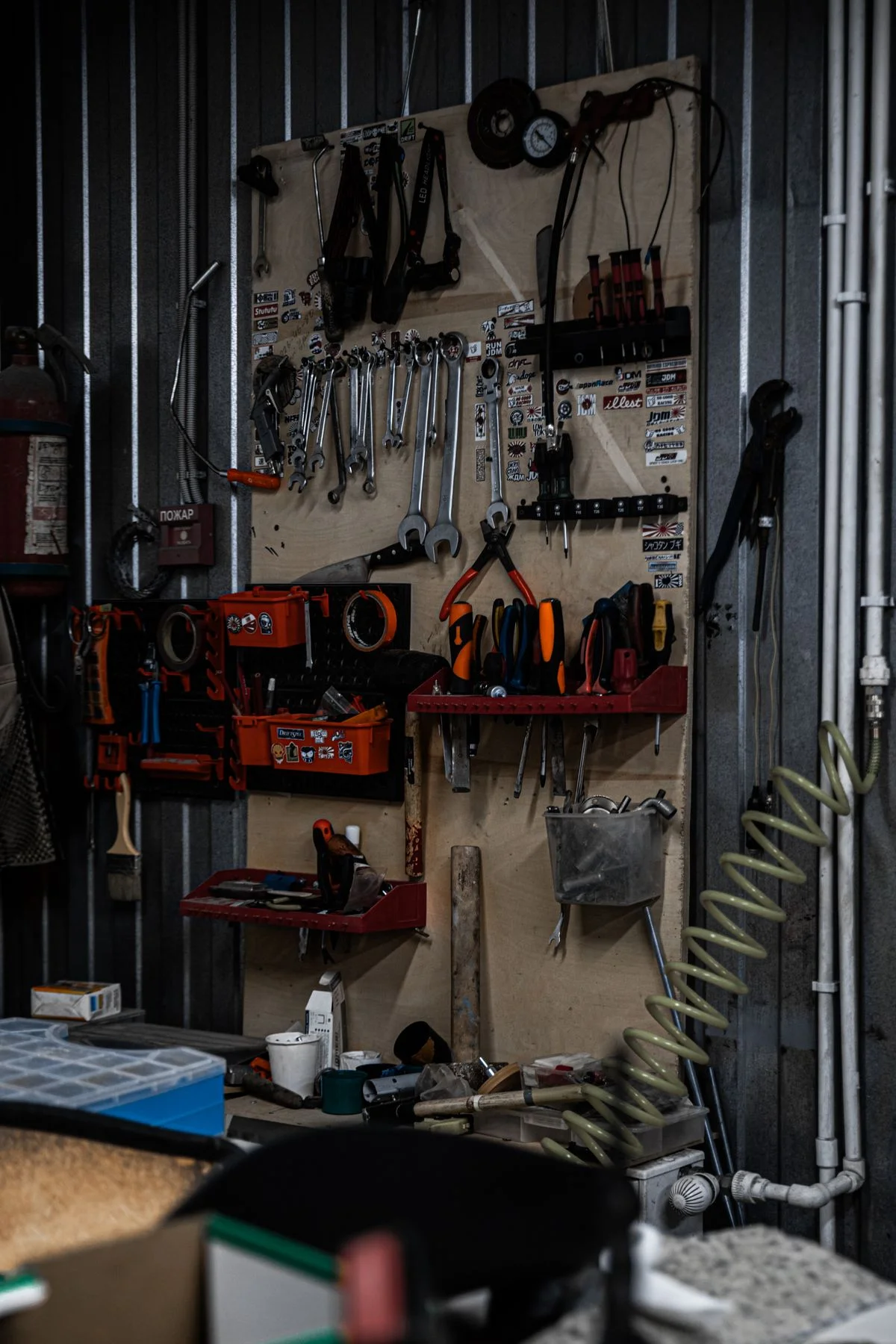
Slatwall panels turn a bare garage wall into a flexible tool station. Hooks, baskets, and shelves clip into the horizontal grooves, so you can rearrange the layout whenever your tool collection changes. Hang hammers, wrenches, and saws at eye level where you can grab them without digging through a drawer. Tip: leave one panel section empty on purpose, because your storage needs will grow and slatwall makes it easy to add hooks later without drilling new holes.
For a garage that gets damp, choose PVC slatwall over MDF, since PVC will not swell if it gets wet from a car or a leak. Most panels are 8 feet long and cover about 4 feet of wall height, and they mount best when screwed into studs every 16 inches rather than into drywall alone. Budget for hooks separately, because a starter kit rarely includes enough heavy hooks for saws and drills, and a dedicated bin for fasteners keeps small items from cluttering the panel.
Before you load a panel, sort tools by job instead of by size: garden tools together, automotive tools together, and woodworking tools together. That way you only look at one zone when you start a project, and you can spot duplicates you no longer need. Keep heavier tools low, near waist height, so you are not lifting a circular saw overhead, and reserve the top row for lighter items like levels and clamps.
2. Pegboard Tool Wall With Hooks and Bins

A pegboard tool wall is the classic garage storage idea for a reason: it is cheap, simple, and it works. Trace each tool outline on the board so everything has a visible home, and missing tools stand out immediately. Small pegboard bins hold screws, drill bits, and sandpaper right next to the tools they belong with. Tip: mount the pegboard on wooden battens so there is a gap behind it, which is what lets the hooks sit securely instead of popping out.
Use 1/4-inch hardboard for light hand tools and 3/4-inch plywood-backed pegboard if you plan to hang heavier items like drills and saws. Standard hook packs come in several lengths, so use short hooks for screwdrivers and longer J-hooks for hammers and wrenches, and add a locking washer or a small dab of hot glue behind hooks that keep slipping. Group tools by task and leave a finger-width gap between outlines, which makes each tool easier to grab without knocking its neighbor off.
3. Heavy-Duty Wall Shelves for Storage Bins

Heavy-duty wall shelves lift bulky bins off the floor and keep them at a comfortable reaching height. Choose steel brackets rated for real weight, not decorative shelving, and anchor them into wall studs. One shelf run above head height can hold camping gear, paint cans, and rarely used tools without eating into parking space. Tip: label every bin on the end that faces out, so you can spot what you need from the doorway without pulling bins down.
Shelf depth matters as much as strength: a 12- to 16-inch shelf holds most bins without jutting into the parking space or blocking a car door. Leave at least 18 inches of clear space above the top shelf so you can lift bins straight up and out, and check that the shelf does not sit above anything that needs regular access, like the water heater shutoff. If the wall is concrete block, use masonry anchors rated for the load rather than ordinary drywall screws.
4. Magnetic Tool Strips and Wall Organizers

Magnetic strips are perfect for the metal tools that always vanish: screwdrivers, pliers, scissors, and drill bits. Mount a strip near your workbench and tools snap into place with one hand, which makes cleanup almost automatic. Pair the strip with a small wall organizer for tape measures, markers, and safety glasses. Tip: keep the magnetic strip away from phones and credit cards, and use it for hand tools rather than heavy items that could slide off.
A single 18-inch magnetic strip holds a surprising number of hand tools, but it works best when tools are spaced a finger apart instead of crowded together. Crowding makes it hard to pull one screwdriver free without dragging two more down with it, so spread tools across two strips if needed. Wipe the strip occasionally, because metal filings and dust build up on magnets and can scratch tool handles over time.
5. Fold-Down Wall Workbench

A fold-down wall workbench gives you a real work surface without permanently giving up floor space. Fold it down for repairs and projects, then fold it back up when you need to park the car. Add a small shelf above it for the tools you use most, and a power strip on the wall for chargers and power tools. Tip: choose a bench with locking support arms rated for your heaviest project, and test the fold mechanism before you load it with equipment.
A work surface 24 inches deep and at least 4 feet wide suits most repairs, from sharpening mower blades to assembling flat-pack furniture. Use 3/4-inch plywood or a solid-core door slab for the top, since thinner boards flex under a vise or a heavy toolbox. Mount the bench at a comfortable standing height, usually around 36 inches, and add a small shelf or a magnetic strip directly above it so your most-used tools stay within arm’s reach.
6. Vertical Bike Wall Hooks

Bikes take up an enormous amount of floor space when they lean against a wall, but almost none when they hang vertically. Wall hooks hold bikes by the front wheel, freeing the whole footprint underneath for bins or a workbench. This is one of the best garage storage ideas for families, because each bike gets its own hook at its own height. Tip: stagger the hooks at different heights so handlebars do not clash, and put a small mat underneath to catch dirt from tires.
Choose hooks coated in rubber or vinyl, because bare metal hooks can scratch rims and spokes over time. Check the hook rating against your heaviest bike, since e-bikes often weigh 50 pounds or more, and mount those hooks into studs rather than drywall. For kids’ bikes, mount the hook lower so children can lift the bike on and off safely, and keep helmets on a nearby hook so the whole kit stays together.
Overhead and Ceiling Garage Storage Ideas
The ceiling is dead space in most garages, yet it is ideal for bulky, light, rarely used items. Overhead storage keeps seasonal gear out of the way while leaving the floor clear.
7. Overhead Ceiling Racks for Bins
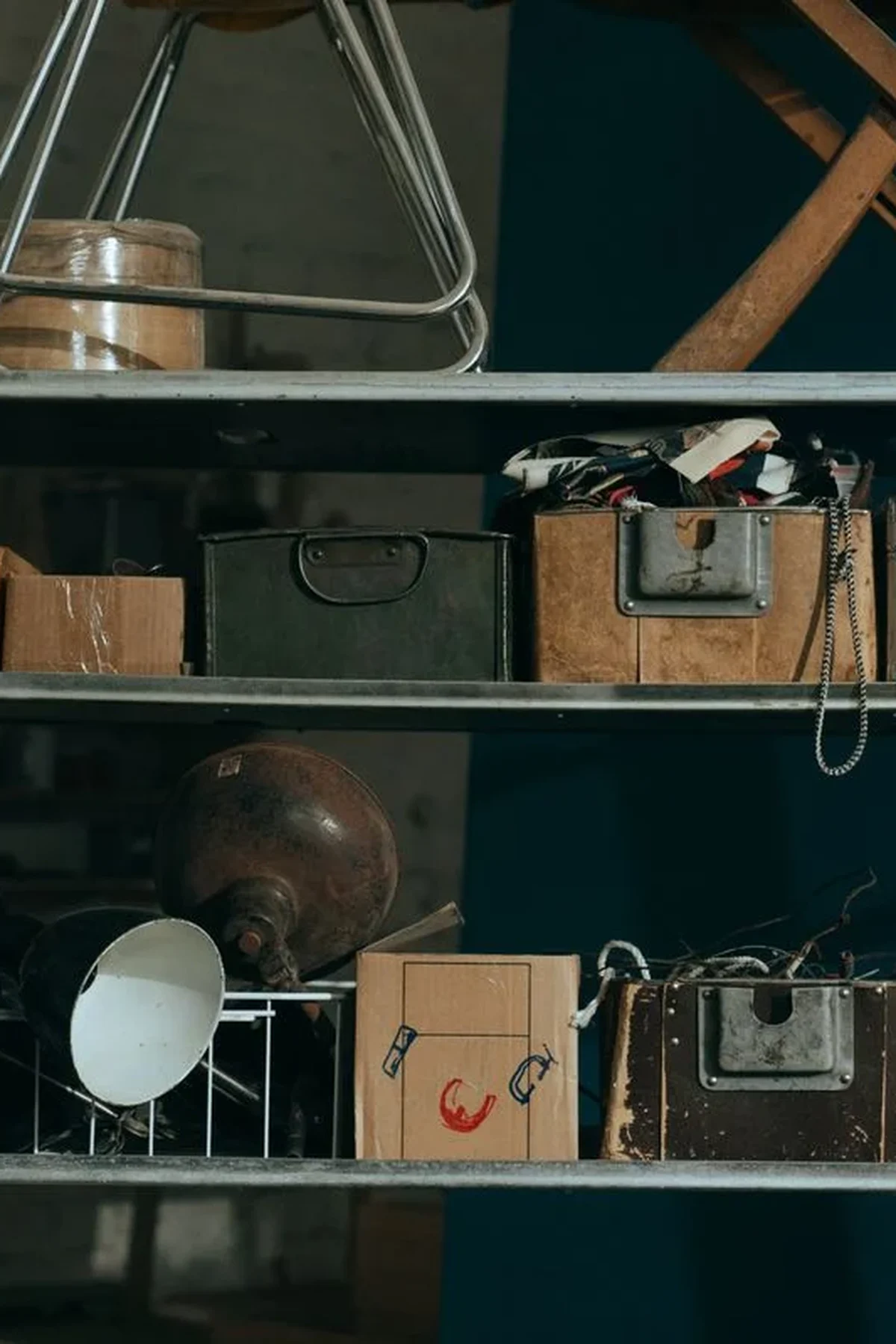
Overhead ceiling racks create a whole extra shelf above your car, perfect for holiday decorations, camping gear, and keepsake boxes. Steel racks bolt into ceiling joists and hold flat bins that slide in and out. Because the racks sit above the car, they use space that would otherwise be completely wasted. Tip: store only light, bulky items up high, and never put anything up there you need every week, because getting a ladder out gets old fast.
Most garage ceilings have joists spaced 16 or 24 inches apart, so measure that spacing before buying a rack, because the mounting bolts must land in solid wood. A common 4-by-8-foot rack sits above the car and can hold several hundred pounds when installed correctly, but check the manufacturer’s rating and spread the weight evenly rather than loading one corner. Leave enough clearance below the rack for the garage door to open fully and for you to walk without ducking.
Use flat, lidded bins that match the rack’s deck size, and avoid tall bins that will not slide in without tipping. Store the lightest items in the center and heavier items near the supports, and label the short end of each bin so you can read it from a step ladder. Keep a sturdy step ladder in the garage itself, because an overhead system you cannot reach safely is one you will stop using.
8. Ceiling Pulley Hoist for Bikes and Kayaks

A ceiling pulley hoist lifts a bike or kayak flat against the ceiling with a simple rope-and-pulley system, which is far easier than wrestling it onto a high hook. Lower it when you want to ride, hoist it back up when you are done, and the floor stays completely free. This works especially well for kayaks and canoes, which are awkward to store anywhere else. Tip: check the hoist weight rating against your kayak or e-bike, since heavier models need a sturdier system.
Mount the hoist pulleys into ceiling joists, not into drywall, and run the rope through a wall cleat that locks it in place when the bike or kayak is raised. A locking cleat matters most with kayaks, because a slow rope slip can drop a long boat onto a car roof. Pad the straps where they touch the hull, since narrow straps can dent a kayak left hanging for months, and keep the boat level so water drains out instead of pooling inside.
9. Ceiling-Mounted Shelf Above the Garage Door
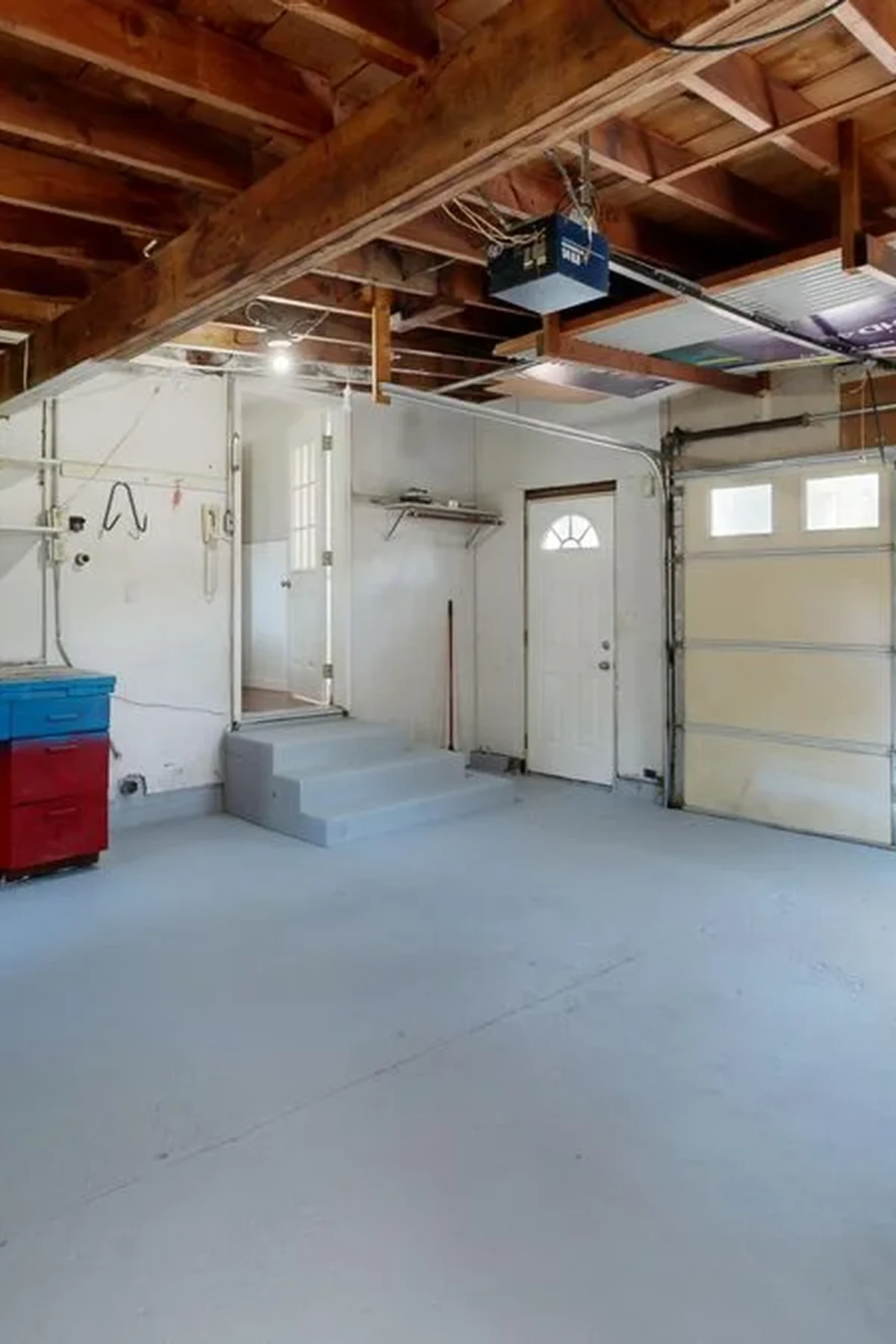
The strip of ceiling above the garage door is often ignored, but a shallow shelf there is perfect for long, flat items like wrapping paper, fishing rods, or spare trim. It stays out of the way of the door mechanism as long as you keep the shelf clear of the door track. Tip: measure the door’s full travel arc before mounting anything, and keep items in a lidded bin so nothing can fall onto the car when the door vibrates.
Keep this shelf shallow, about 10 to 12 inches deep, so items stay clear of the garage door springs, cables, and opener rail. A lidded bin works better than open storage here, because it stops dust and loose items from falling when the door shakes the wall. Before you drill, open and close the door fully while watching the top panel’s path, and mark the clearance with tape so nothing is mounted inside the door’s travel zone.
10. Hanging Ladder Storage From the Ceiling

Ladders are long, awkward, and always in the way when they lean in a corner. Hanging a ladder horizontally from ceiling hooks solves the problem completely and keeps it accessible for gutter cleaning and painting jobs. Use padded hooks so the ladder rails do not get scratched, and position it where you can lift it down without moving the car. Tip: hang the ladder you use least highest, and keep the everyday step ladder on a wall hook instead.
Use padded J-hooks or a dedicated ladder rack rather than bare hooks, and space two hooks about two-thirds of the ladder’s length apart so the ladder sits level. Hang extension ladders with the sections locked together, and check that the hooks are rated for the ladder’s full weight. Position the ladder near the side wall where you can slide it down without crossing the car, and keep the rung locks facing outward so you can check them at a glance.
Cabinet, Bin and Workbench Garage Storage Ideas
Cabinets and bins hide the visual clutter that open shelves cannot. They are the key to a garage that looks tidy even when it is full.
11. Lockable Steel Storage Cabinets

Lockable steel cabinets are the best garage storage idea for chemicals, paints, and sharp tools, because they keep hazardous items behind closed doors. Tall cabinets hide the mess completely, and locking doors keep children and pets safe. Choose cabinets with adjustable shelves so tall bottles and short cans can share the same unit. Tip: put a small label on each door listing what lives inside, so you do not have to open three cabinets to find the spray paint.
Look for cabinets made from 18- or 20-gauge steel with adjustable shelves and doors that close flush, because thin cabinets bow once loaded with paint cans. Anchor tall cabinets to the wall with a strap or screws into studs, especially in homes with children, since a top-heavy cabinet can tip when a door is opened. Keep flammables away from the water heater and furnace, and store chemicals upright with lids tight so a small leak stays inside the cabinet.
12. Rolling Tool Chest With Drawers
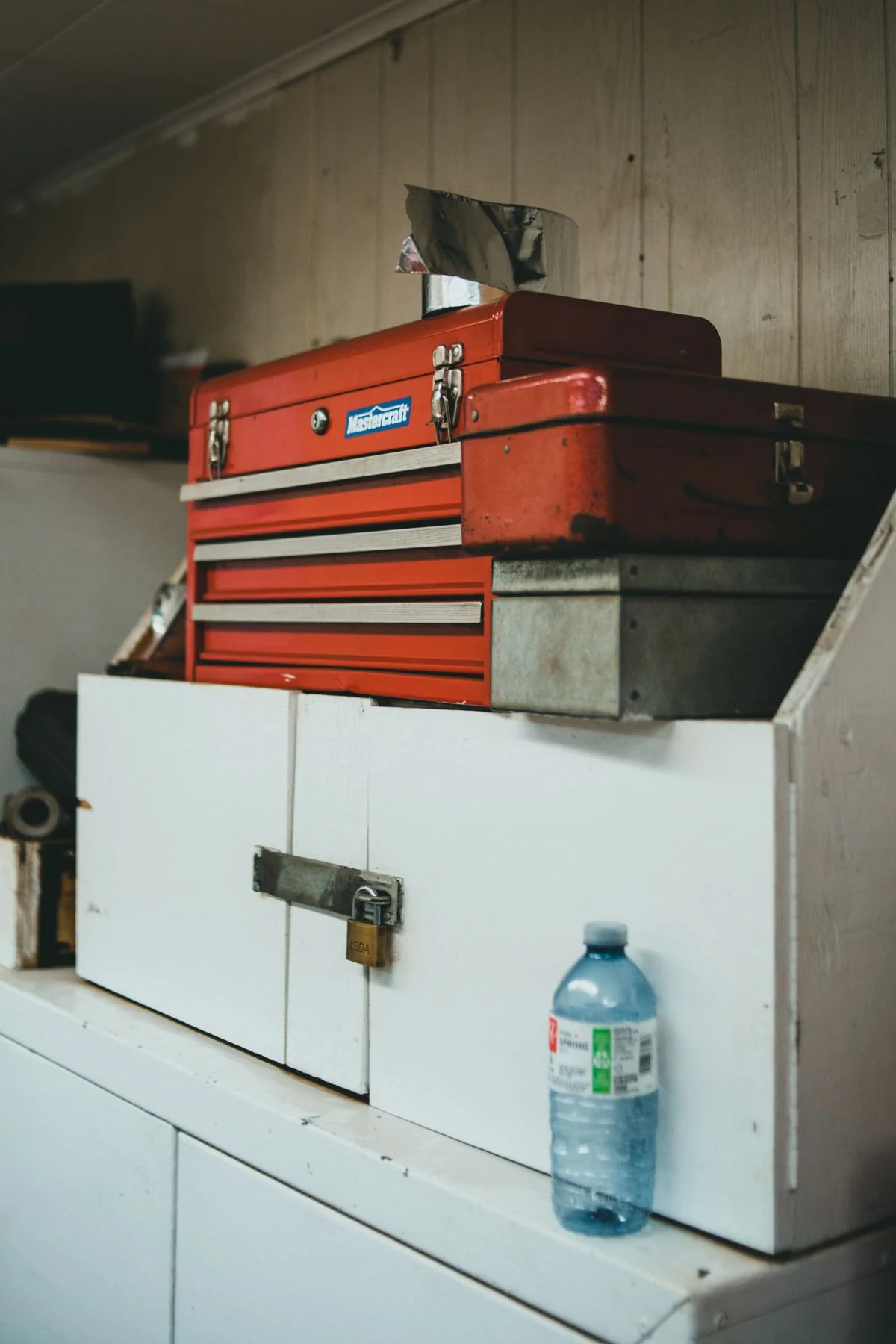
A rolling tool chest puts every tool in a shallow, visible drawer instead of a deep toolbox where things sink to the bottom. The wheels matter more than people expect: roll the chest to the car when you are working, then roll it back against the wall when you are done. A locking top drawer protects expensive power tools. Tip: use drawer liners and small dividers, because tools slide around every time the chest moves and dividers keep each drawer organized.
Ball-bearing drawer slides make a real difference on a tool chest, because they let a loaded drawer open smoothly instead of sticking halfway. Shallow top drawers suit wrenches and screwdrivers, while deeper bottom drawers hold power tools and their cases. Locking swivel casters, at least 4 inches in diameter, roll over garage floor cracks more easily than small wheels, and a side handle helps you steer the chest without pulling on a drawer.
Before buying, measure the chest against your parking space with the car inside, because a chest that blocks a car door quickly becomes a nuisance. Leave a few inches behind the chest for ventilation if it sits against an exterior wall, and wipe the top with a damp cloth after dusty jobs so grit does not scratch the finish. A small parts tray on top keeps screws from a current project separate from the main tool drawers.
13. Clear Stackable Bins With Labels

Clear bins are the simplest garage storage idea and one of the most effective. You can see what is inside without opening anything, they stack neatly, and they protect contents from dust and moisture. Use one bin size for a whole shelf run so the stacks look uniform and do not topple. Tip: label bins by category rather than by exact contents, such as “Camping” or “Car Care”, because exact lists go out of date the moment you add one item.
Choose bins with latching lids and reinforced corners if they will be stacked more than two high, because cheap lids crack under weight. A 27-gallon bin suits bulky seasonal items, while 12- to 18-gallon bins are easier to lift when full of tools or books. Keep one empty bin on the shelf as a spare, because a broken or overflowing bin is usually what starts a new pile on the floor. In damp garages, raise the bottom bin on a low shelf rather than resting it directly on concrete.
Standardize on one or two bin sizes for each shelf run so stacks sit squarely and do not lean. Clear bins help, but a printed label still matters, because contents look alike through dusty plastic after a year. Write the label in large letters and include the year for seasonal items, so you can spot old decorations or outgrown sports gear during a yearly clear-out.
14. Rolling Workbench With Drawer Storage

A rolling workbench combines a work surface with drawer storage underneath, so tools and project supplies live exactly where you use them. Locking casters keep it steady while you work and let you move it for cleaning or big projects. Add a lower shelf for power tool cases and a pegboard on the end for hand tools. Tip: keep the top third of the bench clear as a rule, because a workbench covered in clutter is just another storage shelf.
A butcher-block or 1-1/2-inch plywood top resists dents from hammering and clamping far better than a thin laminate top. Add a small bench vise at one corner if you sharpen tools or cut metal, and mount a power strip on the side of the bench so chargers and saws do not trail cords across the floor. Drawers under the bench should be shallow enough that tools stay visible in a single layer, which stops the bottom-of-the-drawer problem.
15. Sports Gear Cubby Station
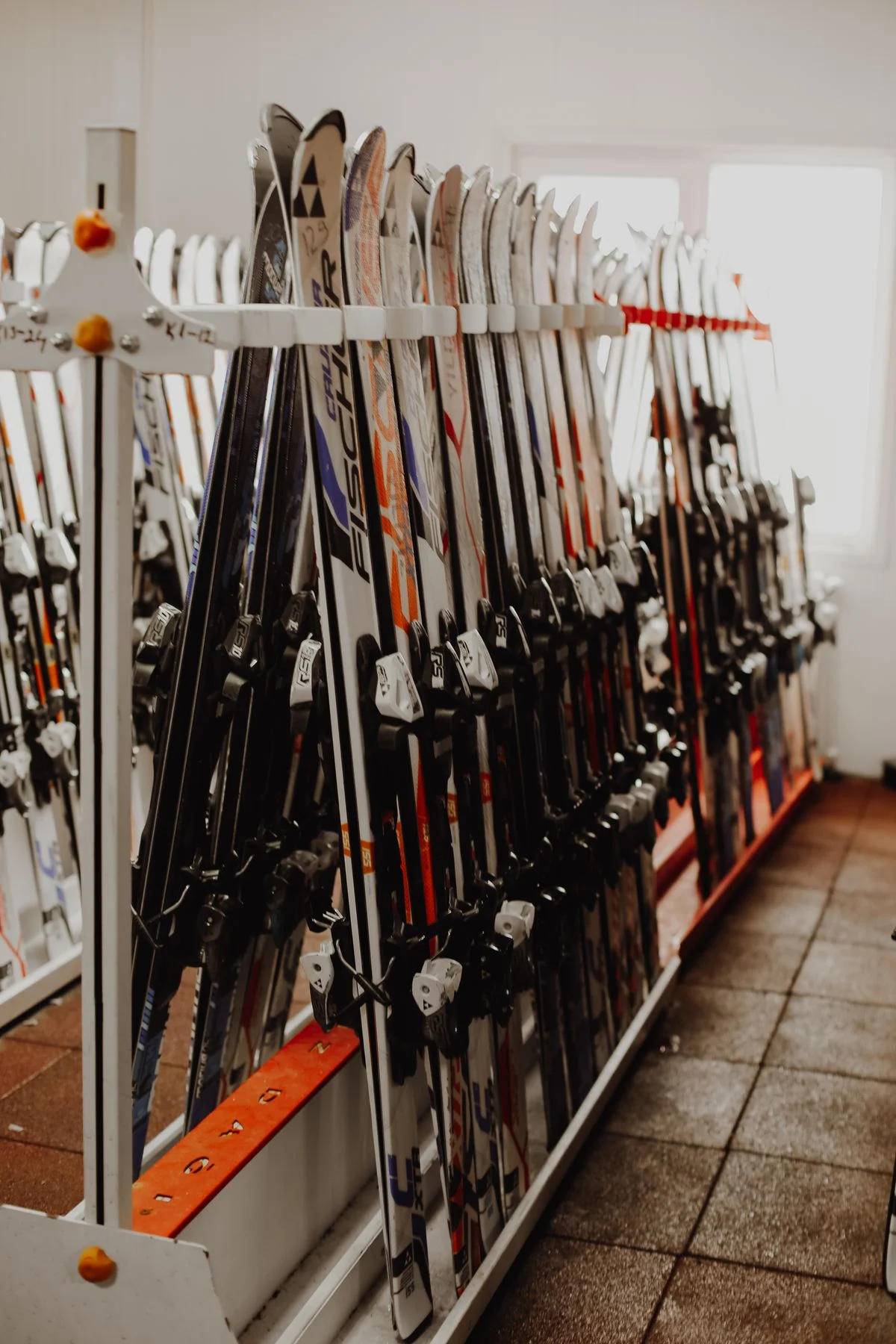
A sports gear cubby station gives every ball, helmet, racket, and pair of cleats its own slot, which ends the pile of gear by the door. Open cubbies work better than closed bins here because kids can grab and return gear without help. Add hooks on the side for bags and a ball corral underneath for basketballs and soccer balls. Tip: give each family member one cubby, and make “gear back in the cubby” the rule after every game or practice.
Size each cubby to the gear it holds: about 12 inches square suits helmets and balls, while taller slots work better for bats and rackets. A bench below the cubbies gives kids a place to sit while changing shoes, and a boot tray underneath catches mud before it spreads. Add ventilation by leaving the cubby backs open or drilling a few holes, because closed cubbies holding damp cleats and gloves quickly develop a smell. Wipe cubbies down at the end of each sports season.
Label each cubby with a name or a photo for younger children, and keep a small bin at the end of the row for shared items like cones and pumps. Check gear monthly for outgrown shoes and cracked helmets, and move anything no longer used to a donation bin so the station does not slowly fill with abandoned equipment. A hook row above the cubbies handles bags and jackets without stealing cubby space.
Small-Item and Seasonal Garage Storage Ideas
Small items cause the most garage chaos because they scatter everywhere. Dedicated small-item storage keeps screws, garden tools, and seasonal gear under control.
16. Small-Parts Drawer Organizers

Small-parts drawer organizers turn a junk drawer of mixed screws, nails, and wall anchors into a system you can actually use. Clear-front drawers let you see contents at a glance, and a wall-mounted cabinet keeps dozens of categories in one compact footprint. Sort by project type rather than by size, such as “Picture Hanging” or “Furniture Repair”. Tip: label each drawer the day you fill it, because unlabelled small-parts drawers become mystery drawers within a month.
Sort small parts by the job they belong to rather than by exact size alone, because you will search for picture-hanging hardware, not for a 1-inch screw, when you need it. A label maker beats handwritten tape here, since small labels stay readable after years of dust. Keep a few empty drawers free for new categories, and put a small magnet tray on top of the cabinet for screws removed during a repair, so they do not vanish into a pocket.
17. Garden Tool Corner Rack

A garden tool corner rack gathers shovels, rakes, hoes, and pruners into one upright station instead of letting them fall over in a corner. A rack with individual slots keeps long handles separated, and a small shelf above holds gloves, seed packets, and plant ties. Placing it near the garage door means you grab tools on the way out to the yard. Tip: hang a small bucket on the rack for hand tools, and shake soil off tools before they go back so the rack stays clean.
Choose a rack with individual slots at least 2 inches apart so long handles do not wedge together, and look for a base that catches soil and water. Place the rack on the wall nearest the garden door, not deep in the garage, so tools go back easily after yard work. Hang hand pruners and trowels on hooks at the side of the rack, and keep a stiff brush nearby to knock soil off blades before storage, which slows rust.
18. Seasonal Decoration Bins on High Shelves

Seasonal decoration bins belong on the highest shelves, because you only need them once or twice a year. One sturdy bin per holiday keeps lights, ornaments, and wreaths together and protected from dust and pests. Color-coded lids make the system instant: red for Christmas, orange for Halloween, pastels for spring. Tip: tape a photo of the bin contents to the lid, so next year you know exactly which bin holds the tree lights without opening four boxes.
Protect fragile ornaments by wrapping each one in tissue and placing it in a divided section or a smaller box inside the main bin, rather than loose on top of lights. Coil string lights around a piece of cardboard to prevent tangling, and store wreaths in a flat bag or a dedicated wreath box so they keep their shape. Slip a simple inventory list into the lid, noting what is inside and what broke last year, so next season’s setup starts with a shopping list instead of surprises.
Stack decoration bins no more than two high on the shelf, with the heaviest bin at the bottom, and avoid placing bins directly against an uninsulated exterior wall where condensation can form. If the garage roof ever leaks, move decoration bins to an interior shelf for the season, since water damage to ornaments and fabric decorations is hard to repair. Check bins once a year for pests, especially if they contain fabric or paper items.
19. Shoe and Boot Rack by the Garage Entry

A shoe and boot rack by the garage entry door stops muddy footwear from marching through the house. A slatted rack lets dirt fall through, and a boot tray underneath catches water on rainy days. This is a small garage storage idea with a big daily payoff, especially for families. Tip: limit the rack to one pair per person plus one spare, and rotate outgrown or rarely worn shoes to a bin, or the rack itself becomes clutter.
A slatted metal or wooden rack lets mud and water fall through to a removable tray, which you can rinse outside instead of scrubbing the garage floor. Keep tall boots upright in a boot tray with raised edges, and stuff wet boots with newspaper overnight so they dry faster and keep their shape. Place the rack within a step of the door to the house, because even a short muddy walk across the garage defeats the purpose of the station.
20. Car Detailing Supply Station

A car detailing supply station groups wash soap, wax, microfiber towels, and brushes in one spot, so washing the car stops being a treasure hunt. A wall shelf with a small caddy works well: carry the caddy to the car, then return it to the shelf. Keep towels in a closed bin so they stay dust-free between washes. Tip: store detailing chemicals upright in a plastic tray, which contains leaks and makes the whole station easy to wipe clean.
Keep wash soap, wax, and wheel cleaner in separate sections of the caddy, because a leaking bottle can ruin microfiber towels if everything is jumbled together. Wash microfiber towels separately from other laundry, without fabric softener, since softener coats the fibers and reduces their ability to lift dirt. Store the caddy on a shelf at waist height so you can grab it on the way to the driveway, and refill bottles right after washing the car while you still remember what ran out.
How to Choose the Right Garage Storage Ideas for Your Space
Start by measuring your garage and noting what must stay: the car, the lawnmower, the workbench. Then sort everything into keep, donate, and toss before buying a single shelf, because storage systems work best when they only hold things you actually use. Prioritize wall and overhead storage first, since those free the floor, then add cabinets for anything hazardous or unsightly. Finally, label everything and give every item a fixed home, because a garage stays organized only when putting things away is easier than leaving them out.
Frequently Asked Questions About Garage Storage
What is the cheapest way to organize a garage?
Start with wall hooks, a pegboard, and clear bins, which together cost far less than cabinets. Sort and declutter first, then use vertical wall space and overhead racks before buying anything large. Most garages look dramatically better after one weekend of sorting, labeling, and hanging tools on the wall.
How do I store things in a garage without making it look cluttered?
Use closed cabinets and uniform bins for anything you do not want to see, and reserve open shelves for neat, matching containers. Stick to one or two bin colors, label everything, and keep the floor as clear as possible. A tidy garage is mostly about consistent containers and clear floors.
What should not be stored in a garage?
Avoid storing photographs, important papers, and anything sensitive to heat, cold, or moisture, since garages swing through extreme temperatures. Keep paint and chemicals in locked cabinets away from furnaces and water heaters, and check local rules for fuel storage. When in doubt, store valuables inside the house instead.
How high should garage wall shelves be?
Place everyday shelves between waist and shoulder height for easy reach, and reserve shelves above head height for light, rarely used items. Keep at least a few inches of clearance above bins so you can lift them out, and always anchor shelves into studs for safety.
Ready to reclaim your garage? Pick the three garage ideas for storage that solve your biggest frustration first, whether that is tools on the floor, bikes in the way, or seasonal bins everywhere. Small wins build momentum, and a garage that stays organized is one you will actually enjoy using. Pin this guide to your garage organization board so you can find it again when you are ready to start, and save your favorite ideas for your next weekend project!
Photos: Pexels (free to use).


