

19 Fruit Storage Ideas That Keep Your Fruit Fresh Longer and Your Kitchen Neat
Nothing is more frustrating than buying a beautiful bag of fruit, only to find it soft, bruised, or mouldy a few days later. The good news is that most fruit waste is not about bad luck, it is about storage. With the right container, the right spot, and a few small habits, your fruit can stay fresh, sweet, and ready to eat for much longer. These 19 fruit storage ideas cover every part of the kitchen, from a pretty countertop bowl to smart fridge bins, freezer prep, and pantry shelves. Pick two or three that fit your space, try them this week, and watch how much less fruit you throw away.
Countertop and Everyday Fruit Storage Ideas
Countertop storage is best for fruit you eat every day, and for fruit that still needs to ripen. Keep these pieces visible, easy to reach, and never overfilled.
1. A Classic Countertop Fruit Bowl
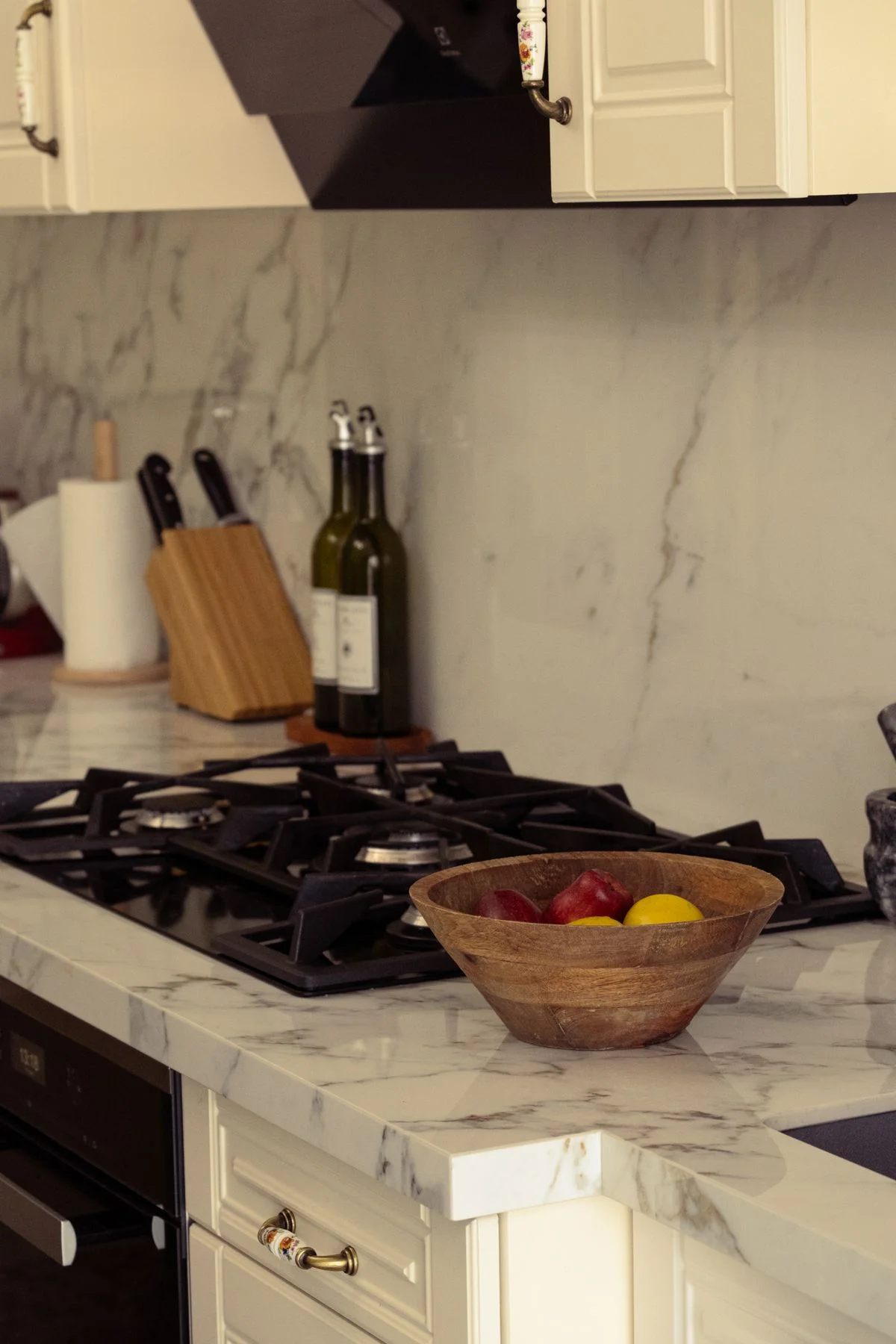
A wide, open fruit bowl is still one of the simplest fruit storage ideas, because it keeps fruit visible and easy to grab. Choose a bowl with a broad base so apples, oranges, and lemons are not stacked too deeply, which causes bruising underneath. Keep bananas a little apart, since they release gas that speeds ripening in nearby fruit. Tip: empty the bowl once a week, wipe it clean, and remove any soft piece before it spoils the rest.
2. A Three-Tier Hanging Fruit Basket
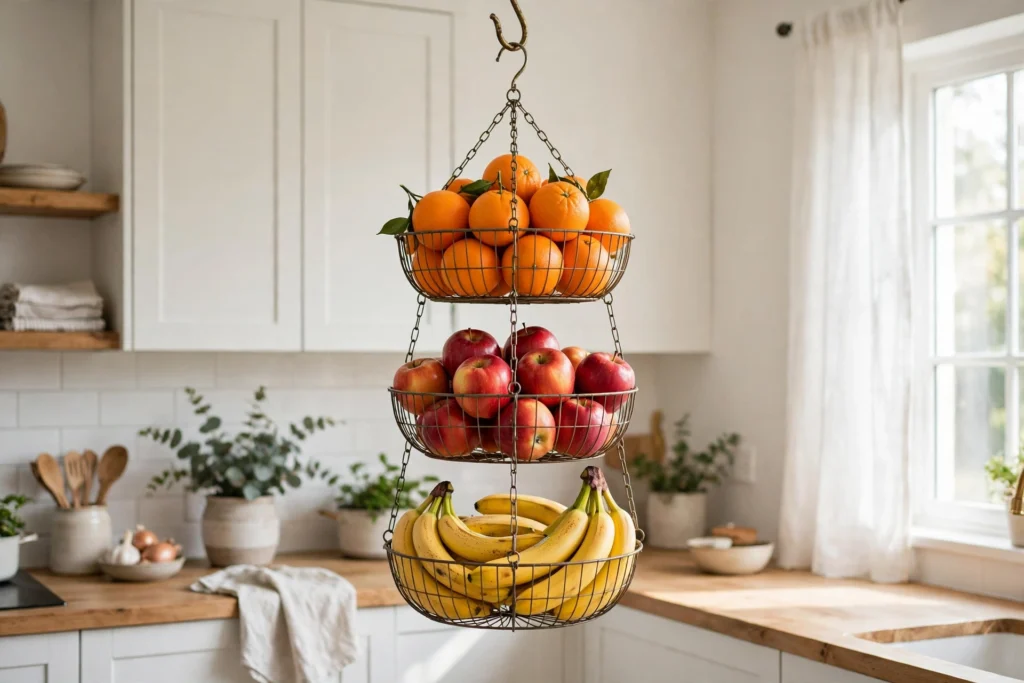
A hanging basket frees up counter space while keeping fruit in the open air, which many types of fruit prefer. Use the top tier for fruit you want to eat first, the middle for fruit that is almost ripe, and the bottom for firmer fruit. This simple sorting trick stops you from forgetting what is hiding at the bottom of a deep bowl. Tip: hang it away from the stove and sunny windows, because heat makes fruit ripen and soften far too quickly.
3. Vented Berry Keeper Boxes
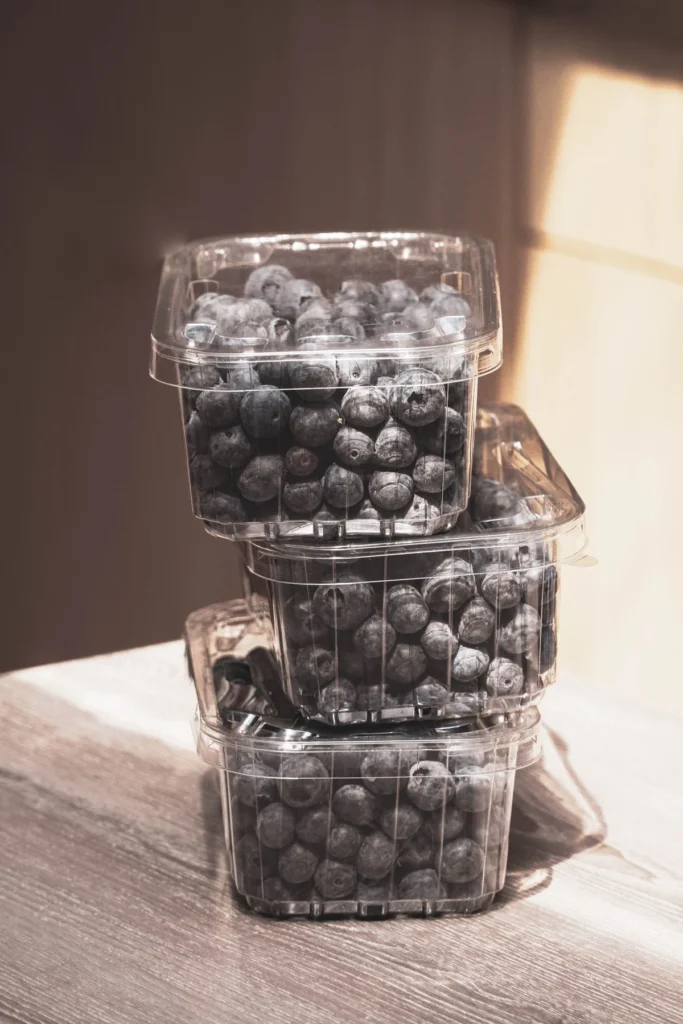
Berries spoil fast when they sit in trapped moisture, so a vented keeper box is a small change with a big payoff. The vents let air circulate, while the tray underneath catches drips and keeps berries from sitting in their own juice. Do not wash berries until you are ready to eat them, because extra water speeds up mould. Tip: line the box with a dry paper towel, swap it when damp, and pick out any soft berry right away.
4. Glass Jars for Washed Berries

Storing berries in clean glass jars in the fridge helps them last noticeably longer than leaving them in a flimsy shop punnet. Wash berries gently, dry them well on a clean towel, then place them in a jar with a paper towel at the bottom to absorb moisture. The clear glass also means you can see exactly what you have, so berries get eaten instead of forgotten. Tip: leave the lid slightly loose for a day if condensation appears, then seal it.
5. Clear Stackable Fridge Bins

Clear fridge bins turn a messy shelf into a tidy fruit station you can actually use. Give each type of fruit its own bin, so grapes are not crushed by apples and soft peaches are not buried under oranges. Because the bins are clear, you can spot what needs eating first without opening every container. Tip: label one bin “eat first” for the ripest fruit, and move it to the front of the shelf every morning.
6. A Banana Hook or Stand
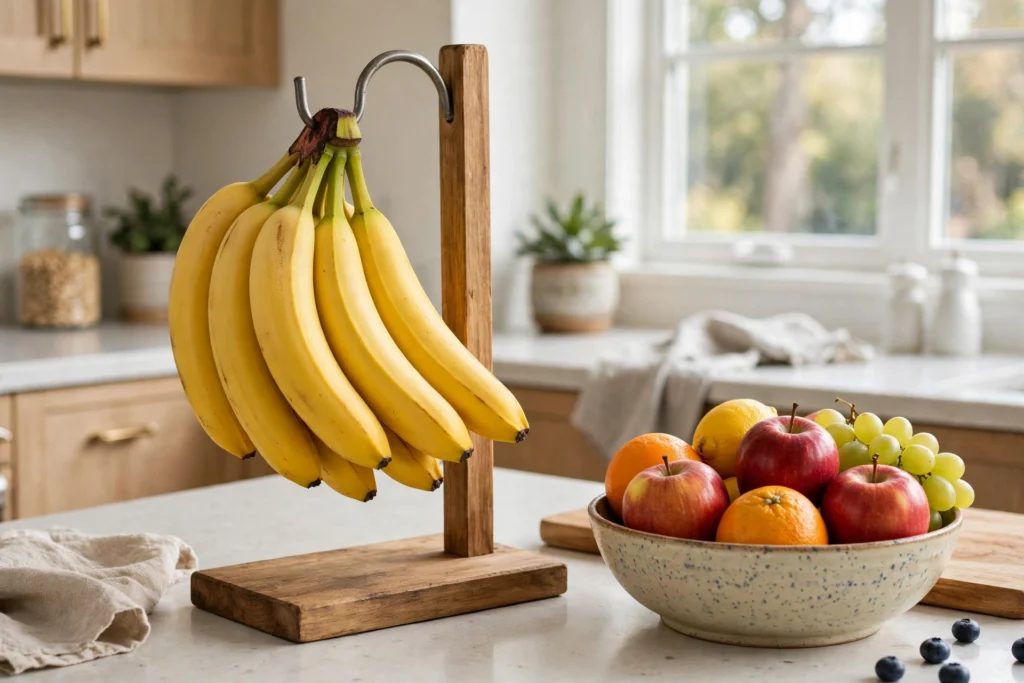
Bananas bruise easily when they sit in a bowl, pressed against other fruit or a hard surface. Hanging them from a hook keeps air moving around the bunch, prevents flat bruised spots, and looks charming on the counter too. It also keeps bananas away from other fruit, which matters because bananas speed up ripening nearby. Tip: wrap the stem in cling film once the bunch is cut, which can slow browning by a day or two.
7. An Open Wire Fruit Basket
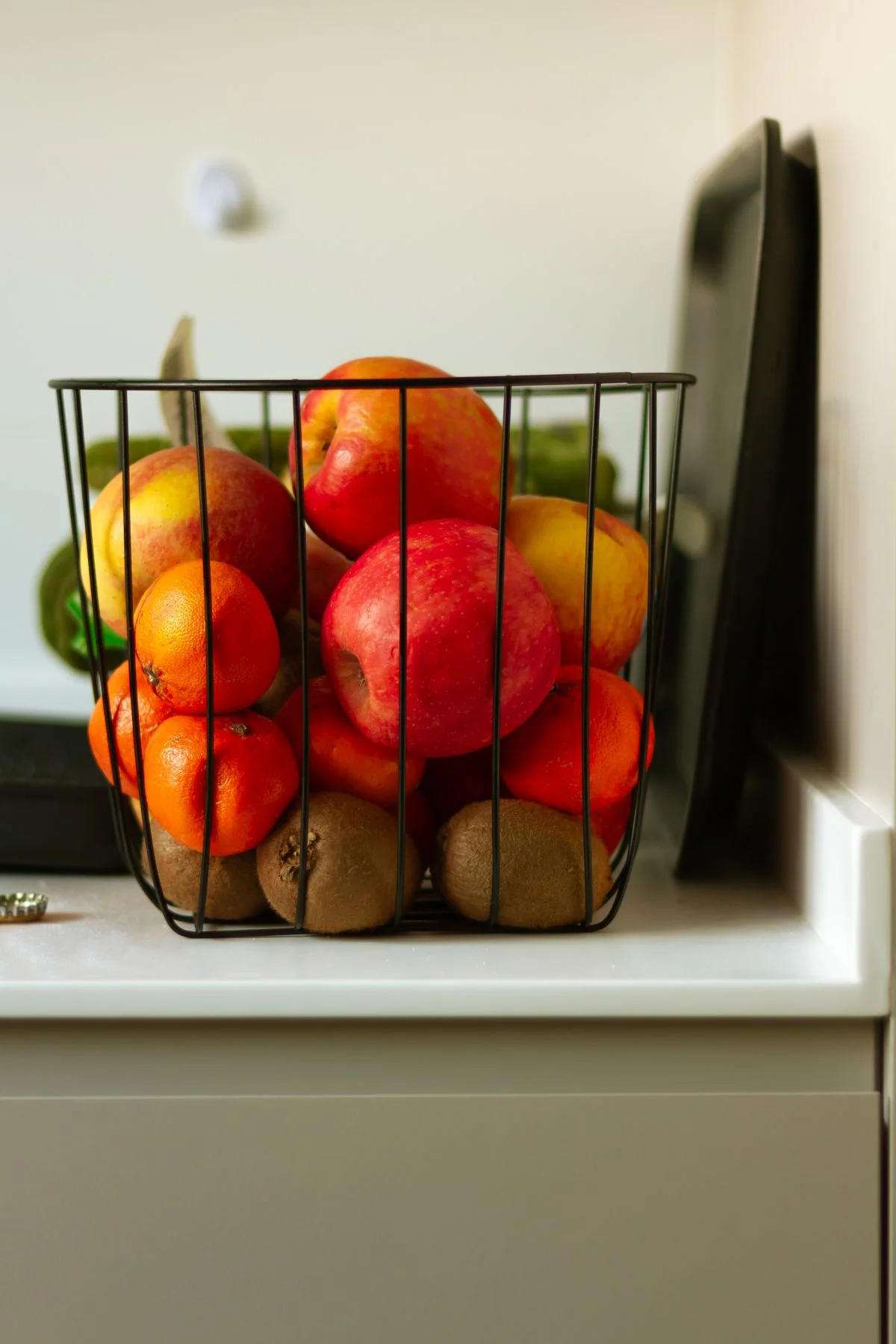
An open wire basket is a great pick for firm fruit like apples, oranges, and kiwis, because air flows freely through the gaps. That airflow helps prevent damp spots and keeps the fruit feeling fresh, rather than sweaty inside a closed container. The open sides also make it easy to see when supplies are running low. Tip: place a small cloth underneath to catch any leaves or crumbs, and keep the basket to a single layer where possible.
Baskets, Bags, and Small-Space Fruit Storage Ideas
Short on counter space? These ideas use walls, drawers, and bags to store fruit neatly without crowding your kitchen.
8. A Rustic Wooden Crate Display
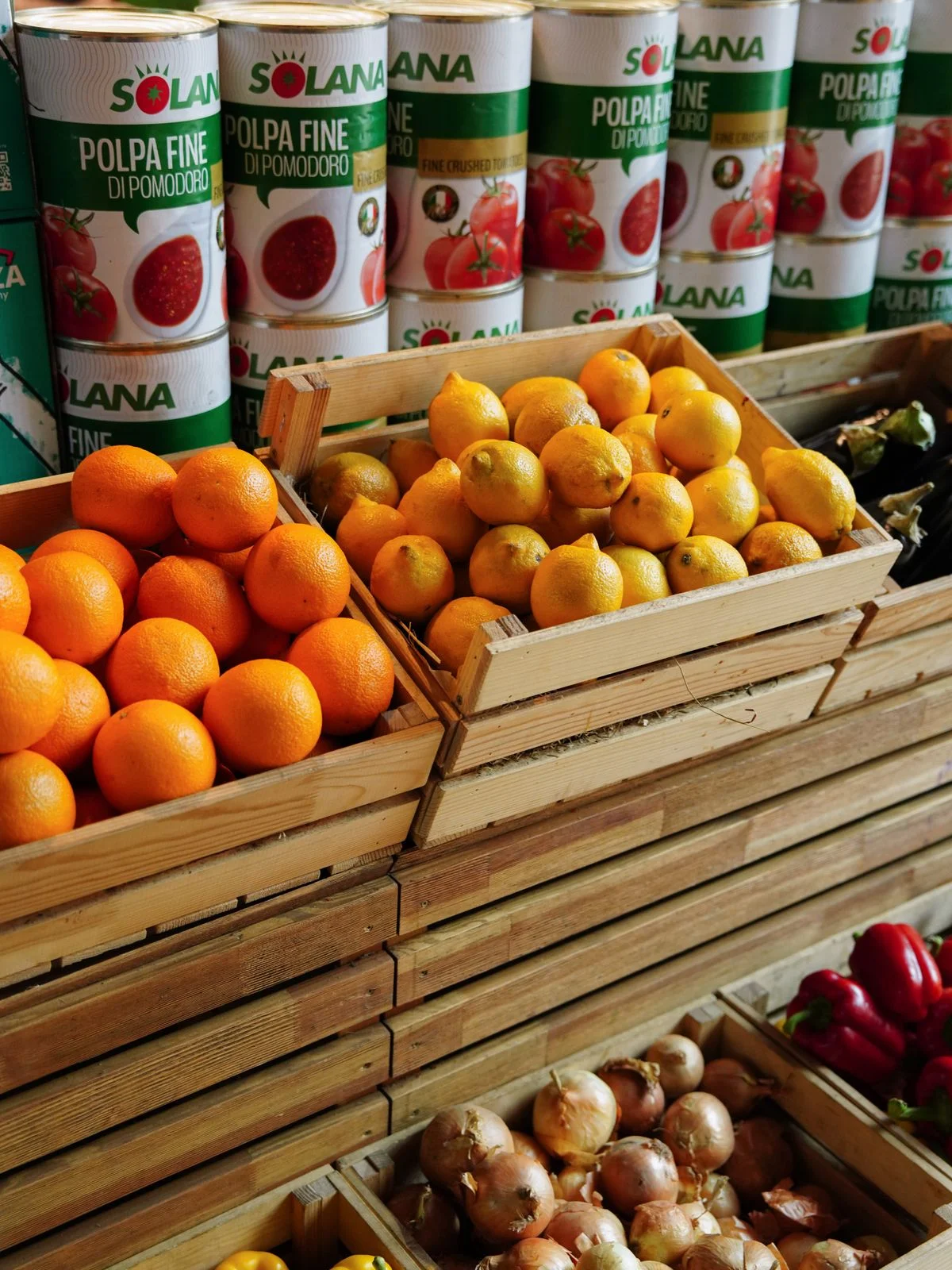
A wooden crate gives your kitchen a warm, market-style look while keeping a larger fruit haul organised in one place. Line it with a clean tea towel to protect softer fruit from rough wood, and sort heavier fruit at the bottom with lighter fruit on top. Crates are also easy to carry, so you can move the whole display to the table at mealtimes. Tip: keep the crate in a cool, shaded corner, and check the bottom layer often for hidden soft spots.
9. Wall-Mounted Wire Baskets
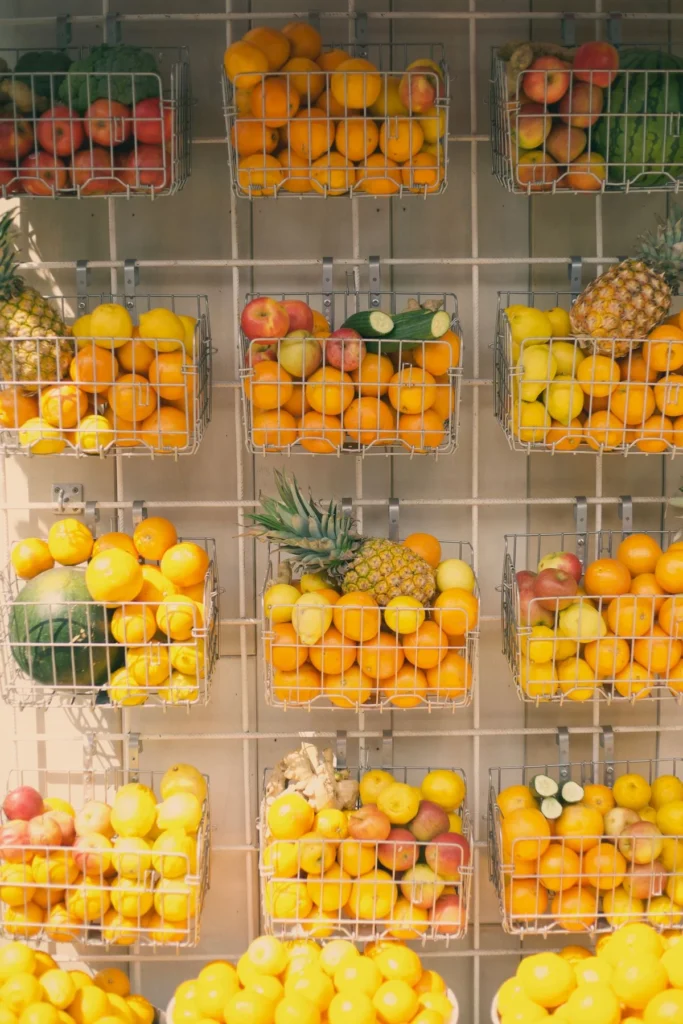
Wall-mounted baskets are perfect for small kitchens, because they use vertical space that would otherwise go to waste. Mount two or three baskets near your prep area, one for everyday fruit and one for fruit that needs ripening. The wire design keeps air moving and makes everything visible at a glance. Tip: do not overload each basket, and keep heavier fruit in the lowest basket so nothing topples onto the counter below.
10. Mesh Produce Bags for the Fridge
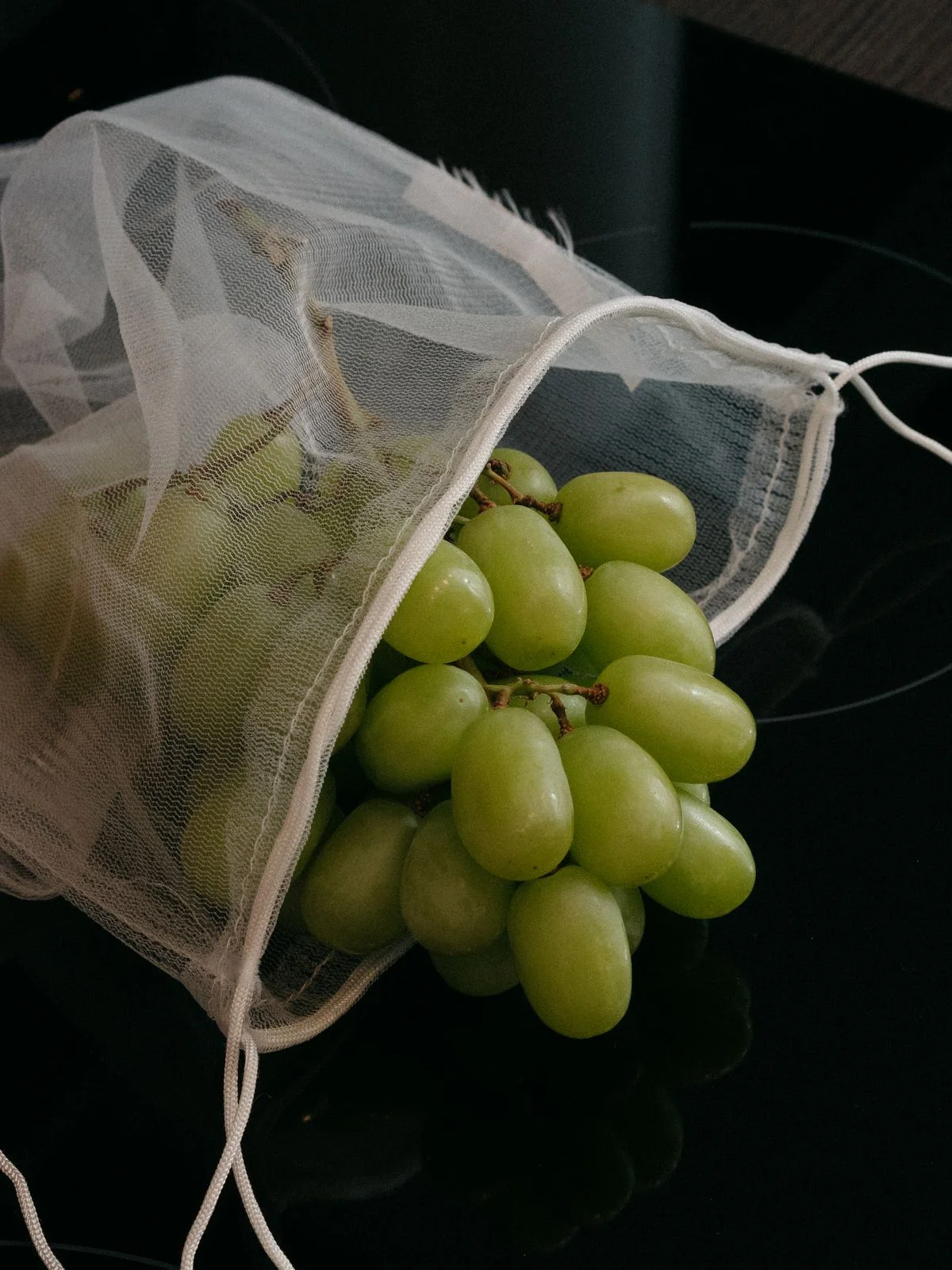
Reusable mesh bags are a breathable, eco-friendly way to store fruit in the fridge, especially grapes, cherries, and small citrus. Unlike sealed plastic bags, mesh lets moisture escape, which helps stop that slimy, damp feeling that ruins delicate fruit. They are washable, fold flat when empty, and make shopping trips simpler too. Tip: keep one type of fruit per bag, cinch it loosely, and wash the bags regularly so old juice does not build up.
11. Mason Jars for Cut Fruit

Once fruit is cut, it needs an airtight home, and mason jars are ideal for the job. Fill the jar, press out as much air as you can, seal it tightly, and refrigerate right away. Melon, pineapple, mango, and berries all stay fresher and taste better when they are not exposed to fridge air. Tip: add a squeeze of lemon juice to cut apples or pears before sealing, which slows browning and keeps them looking appetising.
12. A Dedicated Fruit Drawer with Dividers
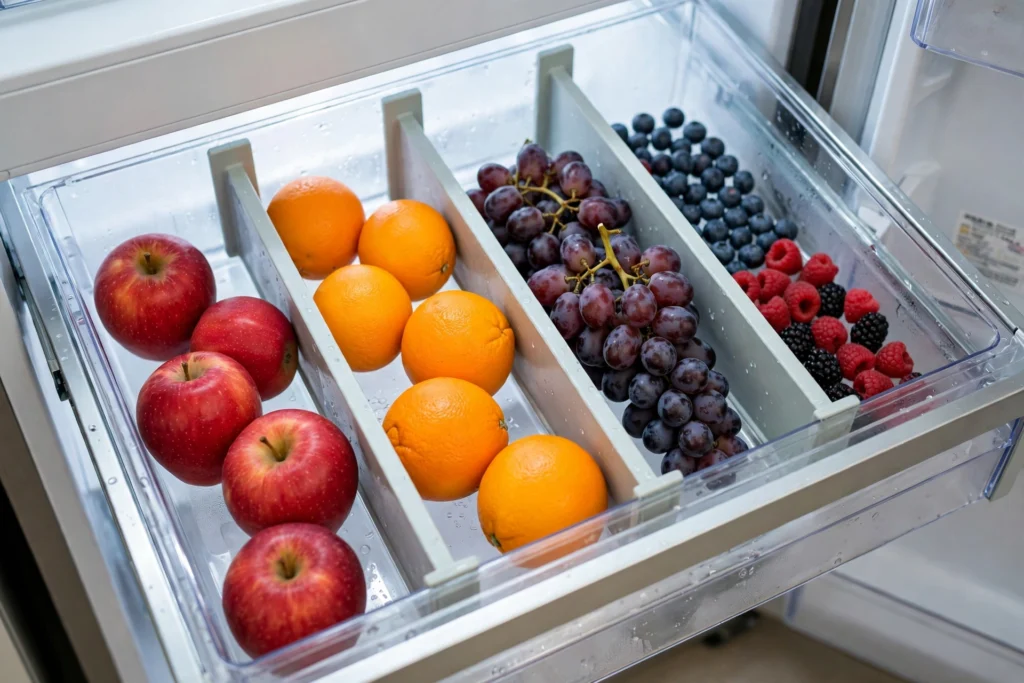
If your fridge has a drawer, turn it into a dedicated fruit drawer instead of a mixed jumble of everything. Small dividers or shallow bins inside the drawer stop fruit from rolling around, getting squashed, or disappearing behind larger items. It also makes packing lunches and snacks much quicker, because everything is in one place. Tip: keep ethylene-sensitive fruit, like berries, apart from high-ethylene fruit, like apples, to slow unwanted ripening.
13. A Paper Bag Ripening Corner

Some fruit, like avocados, peaches, and pears, arrive hard and need a little help to ripen. A simple paper bag traps just enough of the fruit’s natural ripening gas to speed things up, without making the fruit sweaty the way plastic does. Fold the top closed, check daily, and move the fruit to the fridge once it feels ripe. Tip: add a banana or apple to the bag to ripen stubborn fruit faster, and never leave ripening fruit in direct sunlight.
Fridge, Freezer, and Pantry Fruit Storage Ideas
For longer storage, the fridge, freezer, and pantry each have a role. Use these ideas to stretch your fruit budget further.
14. A Tiered Countertop Stand
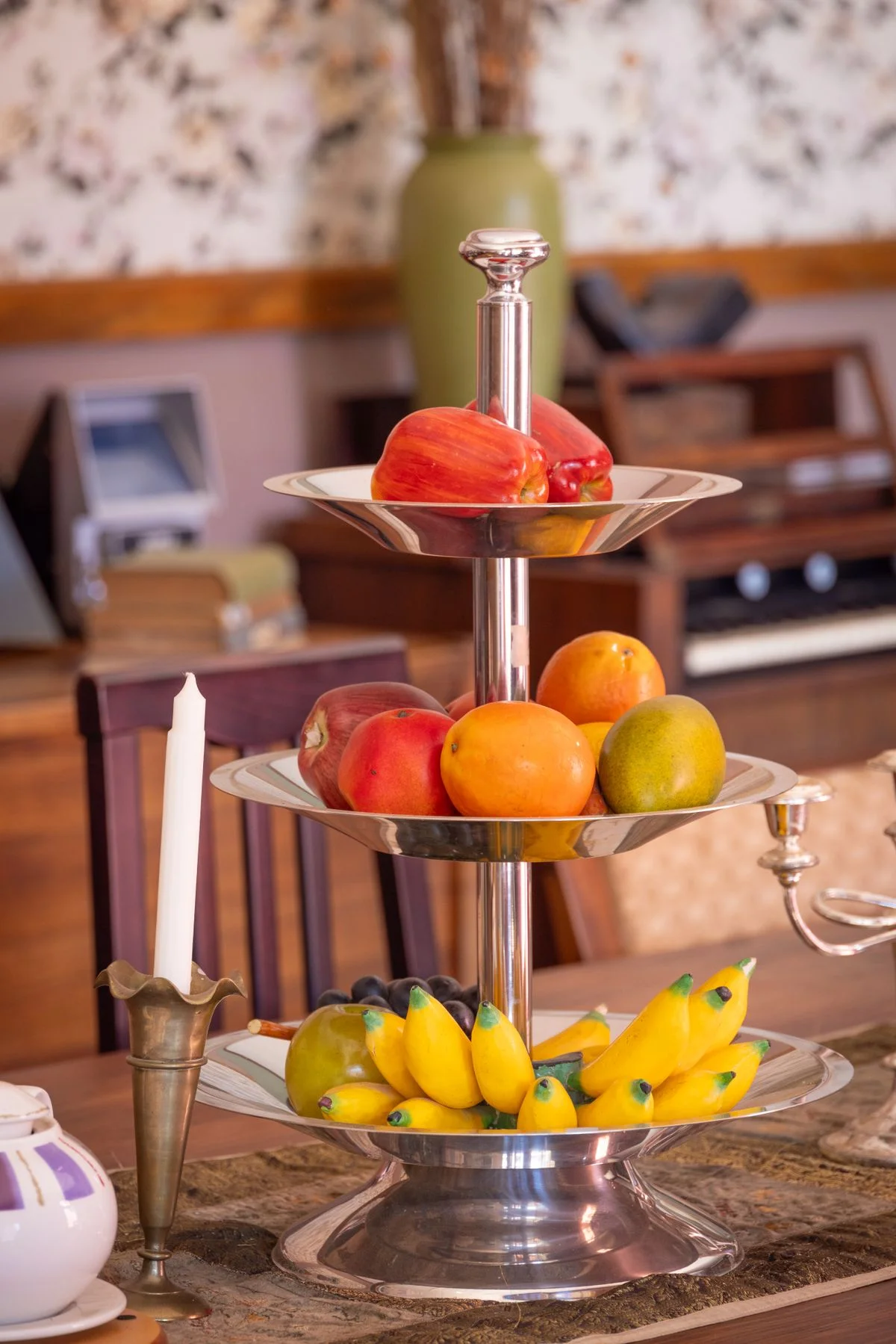
A tiered stand works beautifully when you buy several types of fruit at once but have little counter space. Each level holds a different fruit, so soft items are not crushed and nothing gets buried. It also turns everyday fruit into a pretty centrepiece, which encourages everyone in the house to snack on fruit first. Tip: put the ripest fruit on the top tier where it is most visible, and refill from the bottom as pieces are eaten.
15. Freezer Bags for Smoothie Fruit Prep
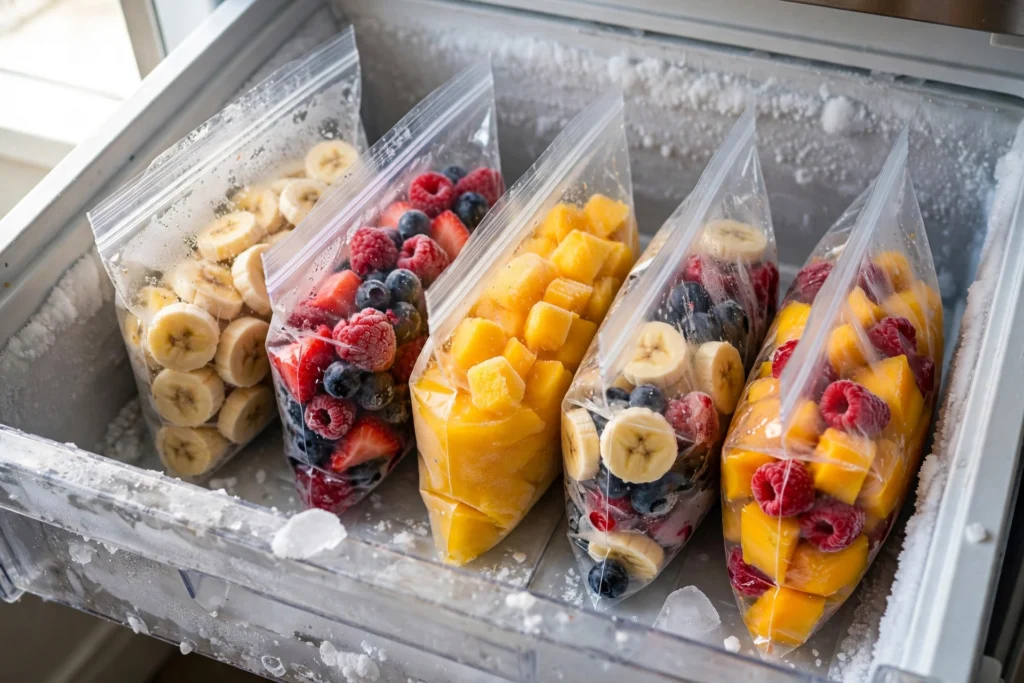
Freezing fruit at its peak is one of the smartest ways to stop waste, especially when berries or bananas are on offer. Wash and dry the fruit, freeze pieces in a single layer on a tray, then transfer them to labelled freezer bags. This stops pieces from clumping into one solid block and makes smoothies much easier. Tip: squeeze out extra air, lay bags flat to freeze, and use frozen fruit within three months for the best flavour.
16. A Linen-Lined Basket for Stone Fruit
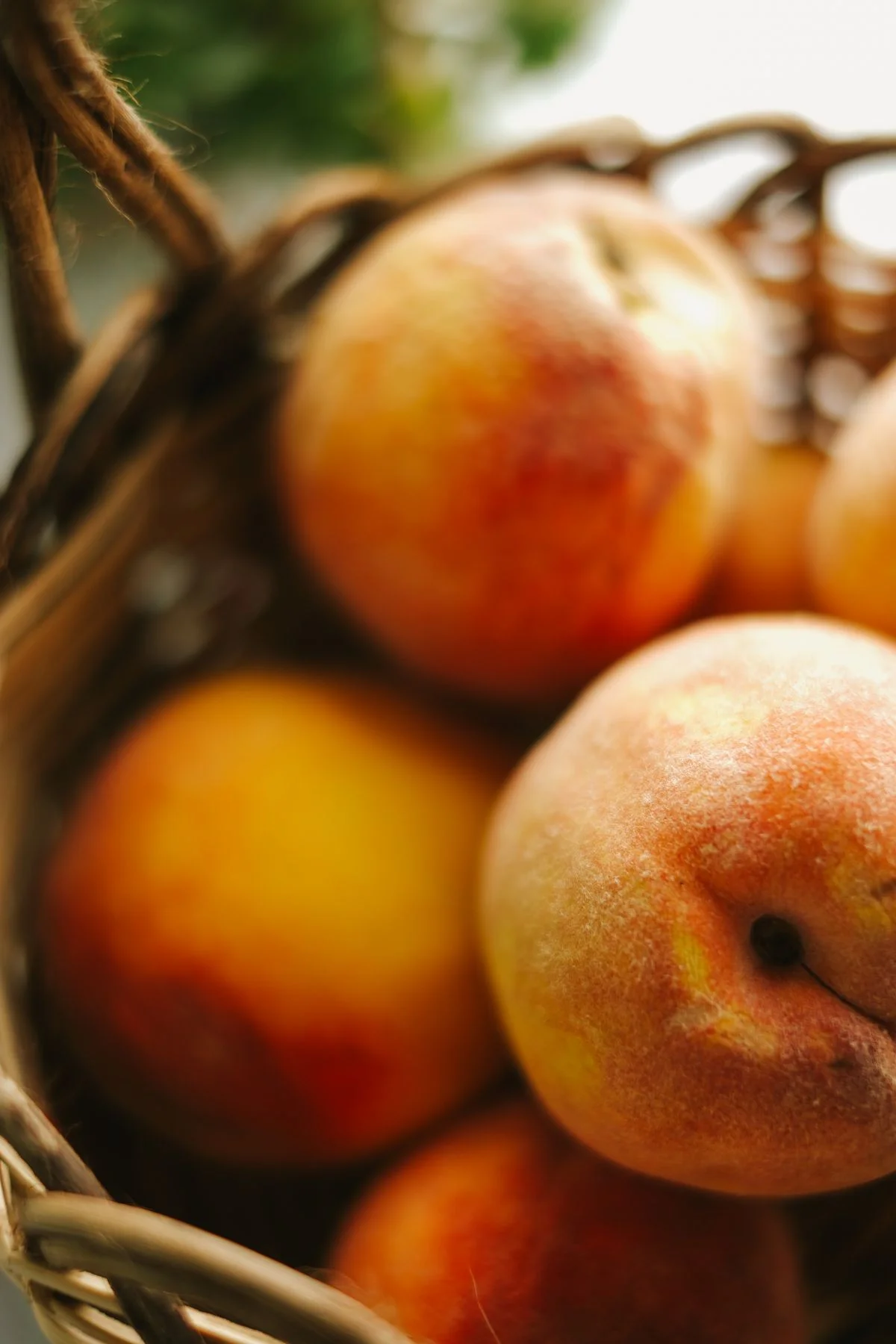
Stone fruit like peaches, plums, and nectarines bruise at the slightest knock, so a soft, linen-lined basket is a gentle home for them. The cloth cushions the fruit, absorbs a little moisture, and can be washed when it gets sticky. Keep the basket in a cool spot and handle the fruit as little as possible while checking for ripeness. Tip: store stone fruit stem-side down in a single layer, and refrigerate only once fully ripe to protect flavour.
17. A Dedicated Pantry Shelf for Fruit
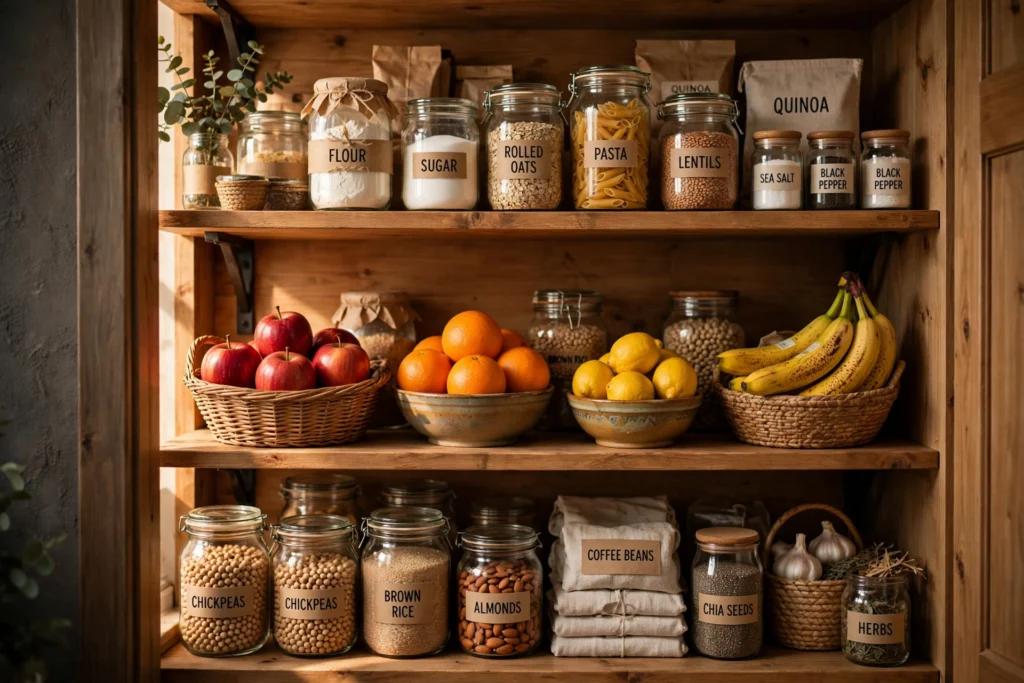
A dedicated pantry shelf keeps shelf-stable fruit, dried fruit, and fruit snacks from getting lost among tins and packets. Use clear jars and matching containers so you can see quantities at a glance, and keep the shelf cool, dark, and dry. Group similar items together, with the soonest-to-expire at the front. Tip: label every jar with the contents and date opened, and check the shelf monthly for stale or past-their-best items.
18. Labelled Produce Saver Containers

Produce saver containers with adjustable vents and moisture control can add several days to the life of many fruits. The vent lets you match airflow to the fruit inside, while a raised base keeps fruit out of pooled moisture. Clear sides and a simple label showing the date stored make it easy to use the oldest fruit first. Tip: wash and dry containers between batches, and do not mix old and new fruit in the same box.
19. A Bright Citrus Bowl by the Sink
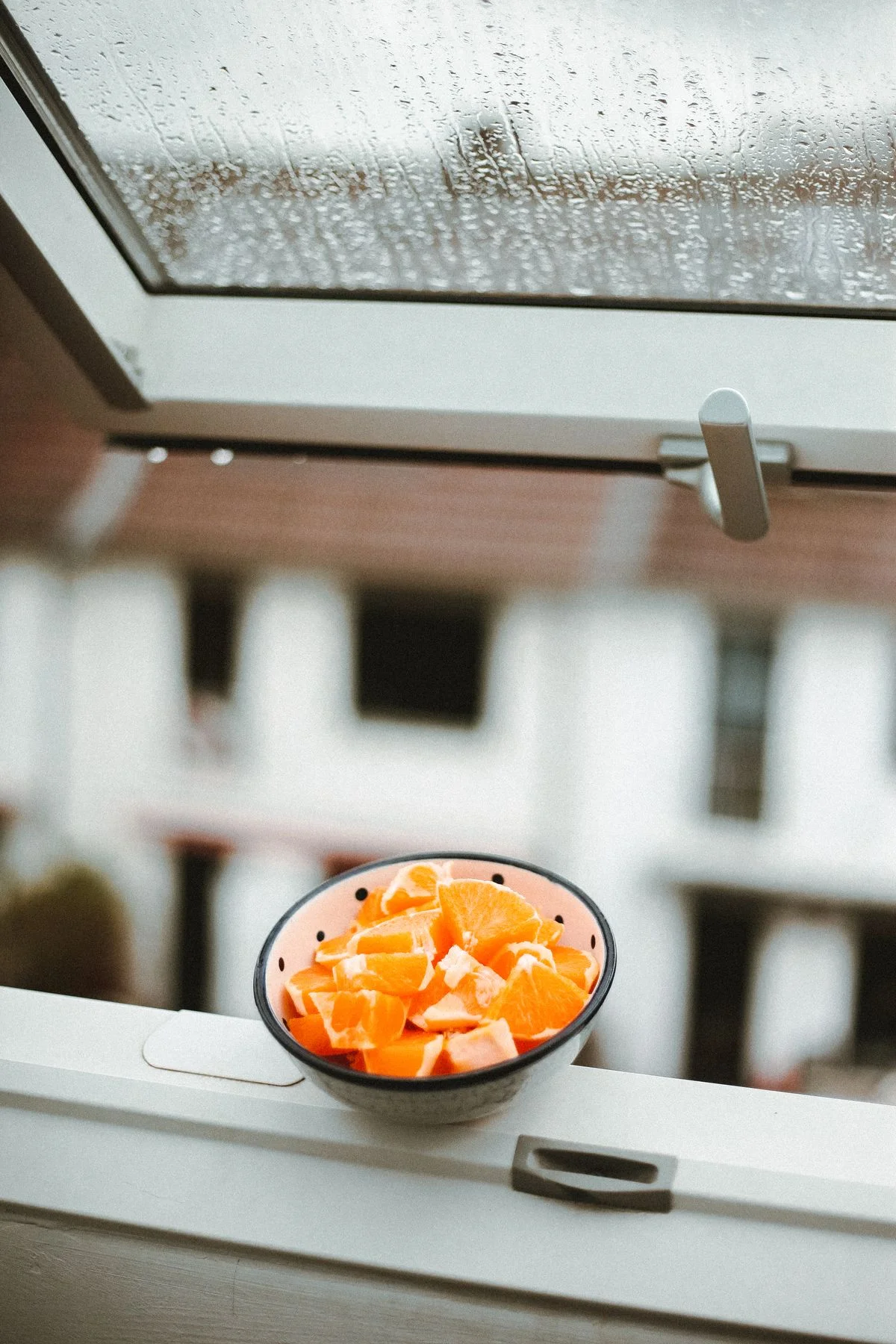
Citrus fruit is forgiving, but it still lasts longer and tastes juicier with a little care. A shallow bowl near the sink keeps oranges, lemons, and limes visible, so you reach for them for cooking, drinks, and snacks instead of forgetting them in a drawer. At room temperature, citrus keeps for about a week, and in the fridge it can last several weeks. Tip: move citrus to a mesh bag in the fridge crisper once a week has passed, and zest lemons before juicing.
How to Choose the Right Fruit Storage for Your Kitchen
Start with how you actually shop and eat. If you buy a little fruit often, a countertop bowl and one good fridge bin may be all you need. If you buy in bulk, add stackable bins, a freezer routine, and a pantry shelf. Next, think about your space: small kitchens benefit most from wall baskets, hanging storage, and drawer dividers, while larger kitchens can handle crates and tiered stands. Finally, match the container to the fruit. Berries need airflow and dryness, cut fruit needs airtight jars, bananas need hanging space, and hard fruit needs time in a paper bag. The best system is the one you will actually keep using, so start simple, keep it visible, and adjust as your habits change.
Frequently Asked Questions About Fruit Storage
Should fruit be stored in the fridge or on the counter?
It depends on the fruit and its ripeness. Most fruit ripens best on the counter, then lasts longer in the fridge once ripe. Berries, grapes, and cut fruit should be refrigerated promptly, while bananas, whole melons, and unripe stone fruit do better at room temperature until ready.
Why does fruit go bad so quickly in the fridge?
Moisture, trapped air, and one spoiling piece are usually to blame. Wet fruit moulds faster, sealed bags trap condensation, and a single soft berry can spread mould to its neighbours. Dry fruit well, use breathable or vented containers, and remove damaged pieces daily.
How can I keep berries fresh for longer?
Do not wash berries until eating, store them in a vented container or glass jar with a dry paper towel, and keep them refrigerated. Check daily and remove any soft or mouldy berry immediately, since one bad berry can spoil the whole box in a day or two.
Can I freeze fruit that is about to go bad?
Yes, if it is ripe but not spoiled. Wash, peel, and chop the fruit, freeze pieces in a single layer, then bag and label them. Frozen fruit is perfect for smoothies, baking, and oatmeal, and it saves fruit that would otherwise end up in the bin.
Good fruit storage is not about buying every gadget on the shelf. It is about seeing what you have, giving each type of fruit the conditions it likes, and eating the ripest pieces first. Start with one idea from this list today, whether it is a simple fruit bowl, a set of fridge bins, or a freezer prep session, and build from there. Your kitchen will look tidier, your shopping will stretch further, and your fruit will taste better too. Pin this guide or save it for your next grocery run, so these ideas are ready whenever fresh fruit comes home with you.
Photos: Pexels (free to use).


