
18 Children’s Bookshelf Ideas for Small Rooms and Cozy Reading Nooks for Kids
Children’s bookshelf ideas can turn a plain pile of books into the most exciting corner of your home — if you pick the right one. The secret most parents miss is simple: kids read more when books face them, sit within reach, and look fun to grab. In this guide, you will find 18 children’s bookshelf ideas for every room size, budget, and age, from toddler-friendly forward-facing bins to clever wall shelves that grow with your child. Save this list, pick your favorites, and watch your little one start choosing books on their own.
Easy Bookshelves for Toddlers and Little Kids
1. Low Forward-Facing Book Bins
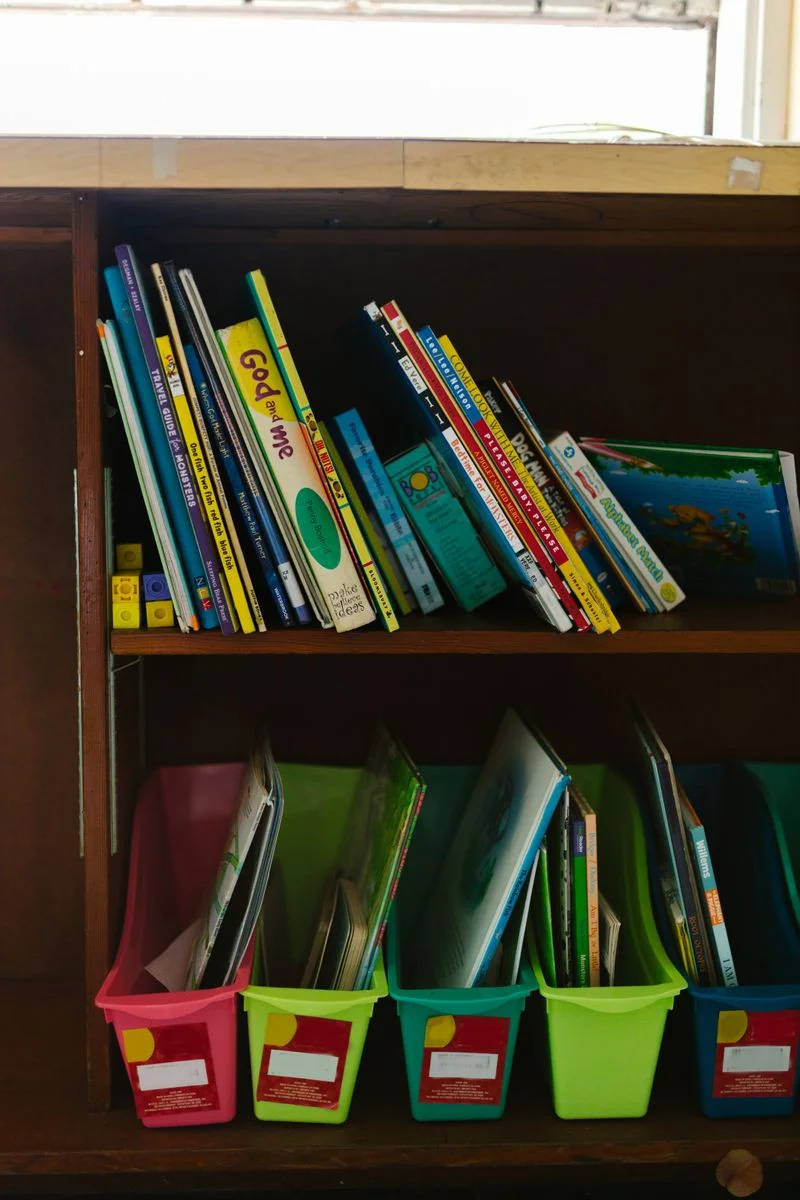
Low forward-facing book bins are the single best children’s bookshelf idea for toddlers, because little kids choose books by their covers, not their spines. When covers face outward at knee height, your child can browse like a tiny bookshop and pick a story without help. This setup builds independence fast and makes tidy-up time easier too, since books slot back into wide bins. Choose sturdy bins with rounded edges, keep just eight to twelve books out at a time, and rotate the selection every week or two so old favorites feel new again.
2. Rainbow-Colored Bookcase
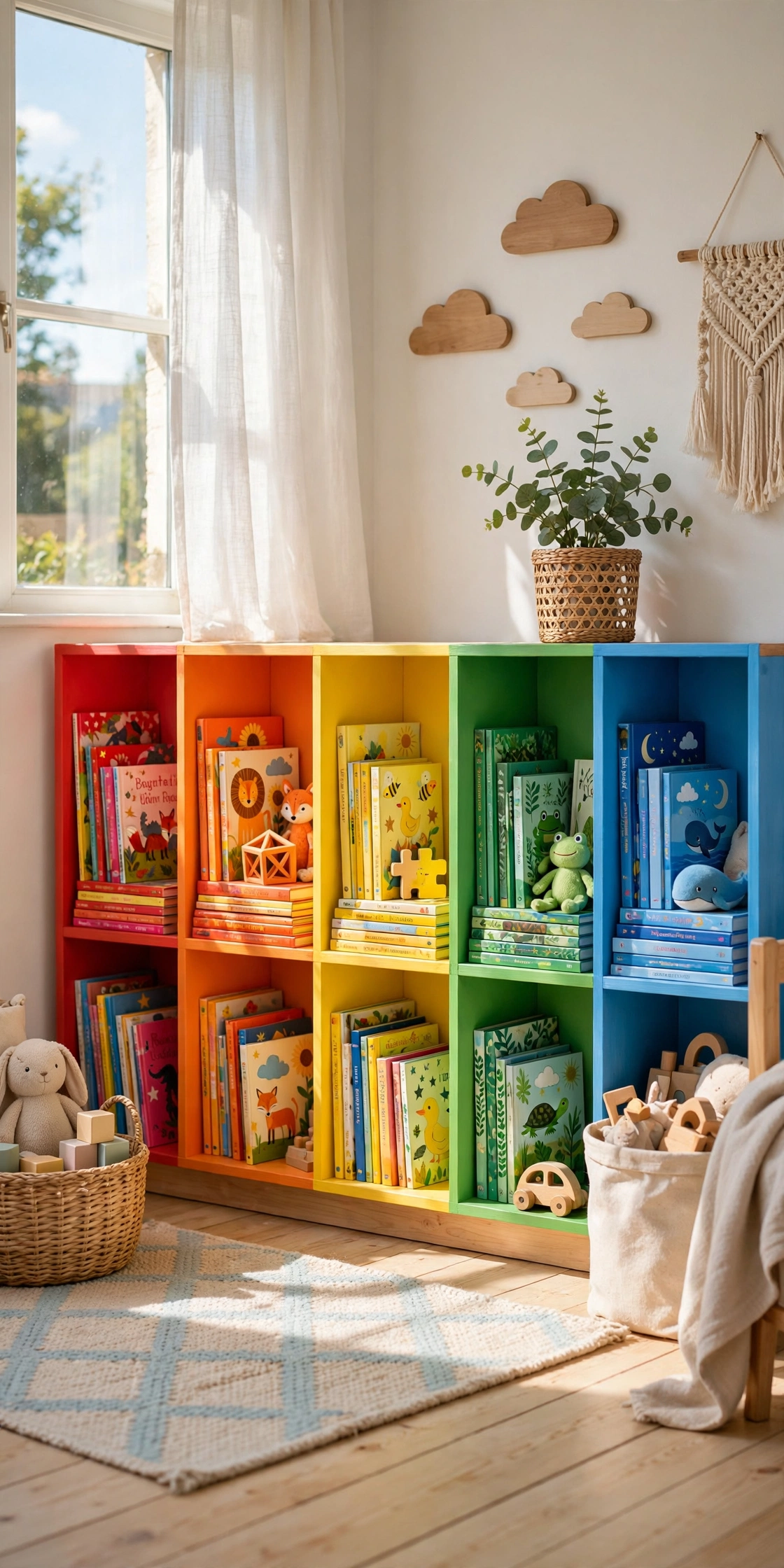
A rainbow-colored bookcase turns book storage into a piece of art your child actually notices. Paint each shelf a different bright color, or arrange the books themselves in rainbow order, and suddenly tidying becomes a color game instead of a chore. Kids love finding the red shelf or the blue shelf, and the habit of putting books back in the right place sticks much faster. This idea works best on a simple white bookcase you can repaint later, and it pairs beautifully with a neutral wall so the colors really pop.
3. House-Shaped Bookshelf
A house-shaped bookshelf looks like a little home for stories, and kids adore it instantly. The pitched roof frame gives you a small top cubby for a plant or a stuffed toy, while the open shelves below hold picture books at perfect grabbing height. This style suits nurseries and playrooms best, and it photographs beautifully for a Pinterest board. Build it from plywood if you like DIY, or buy a ready-made frame and paint it to match the room. Keep the heaviest books on the bottom shelf so the whole piece stays stable.

4. Wall-Mounted Picture Ledges
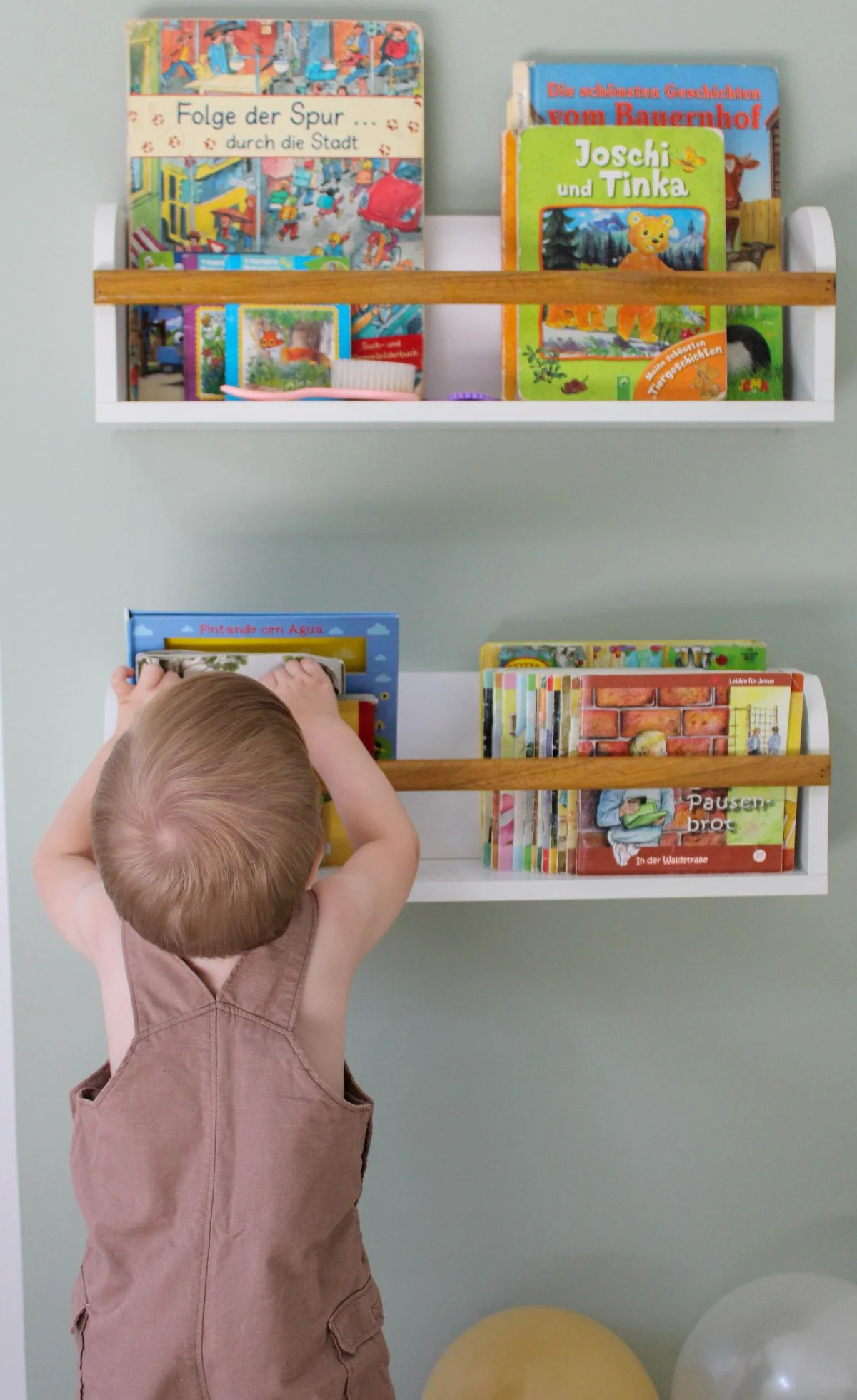
Wall-mounted picture ledges are a brilliant small-space children’s bookshelf idea because they use wall space your furniture cannot reach. A slim ledge holds books cover-forward, so your child sees a rotating gallery of stories instead of a wall of spines. Install two or three ledges at your child’s eye level, not adult height, and let them help choose which books go on display. The practical tip that matters most is to anchor every ledge into a wall stud, since a shelf full of board books gets surprisingly heavy over time.

5. Rotating Book Carousel
A rotating book carousel brings the fun of a merry-go-round to reading time. Your child spins the shelf, browses every side, and picks a book without pulling half the shelf out onto the floor. Carousels work wonderfully in bedrooms and classrooms because they hold a lot of books in a tiny footprint and keep spines protected. Look for a model with a smooth, slow spin and a wide base that cannot tip, and place it where your child can reach it from a reading chair. Rotate the books monthly to keep the carousel feeling like a fresh bookshop visit.

6. Reading Nook Bookshelf Bench
A reading nook bookshelf bench combines seating and storage into one cozy corner kids never want to leave. The bench gives your child a special reading spot, while shelves underneath or beside it hold their current favorites within arm’s reach. Add a soft cushion, a small blanket, and a clip-on reading light, and you have a nook that practically invites daily reading. This idea works even in a tiny bedroom corner, and the practical tip is to keep the nook’s books limited to ten or so, so choosing a story never feels overwhelming.
Space-Saving Bookshelves for Small Rooms
7. Under-Window Book Bench
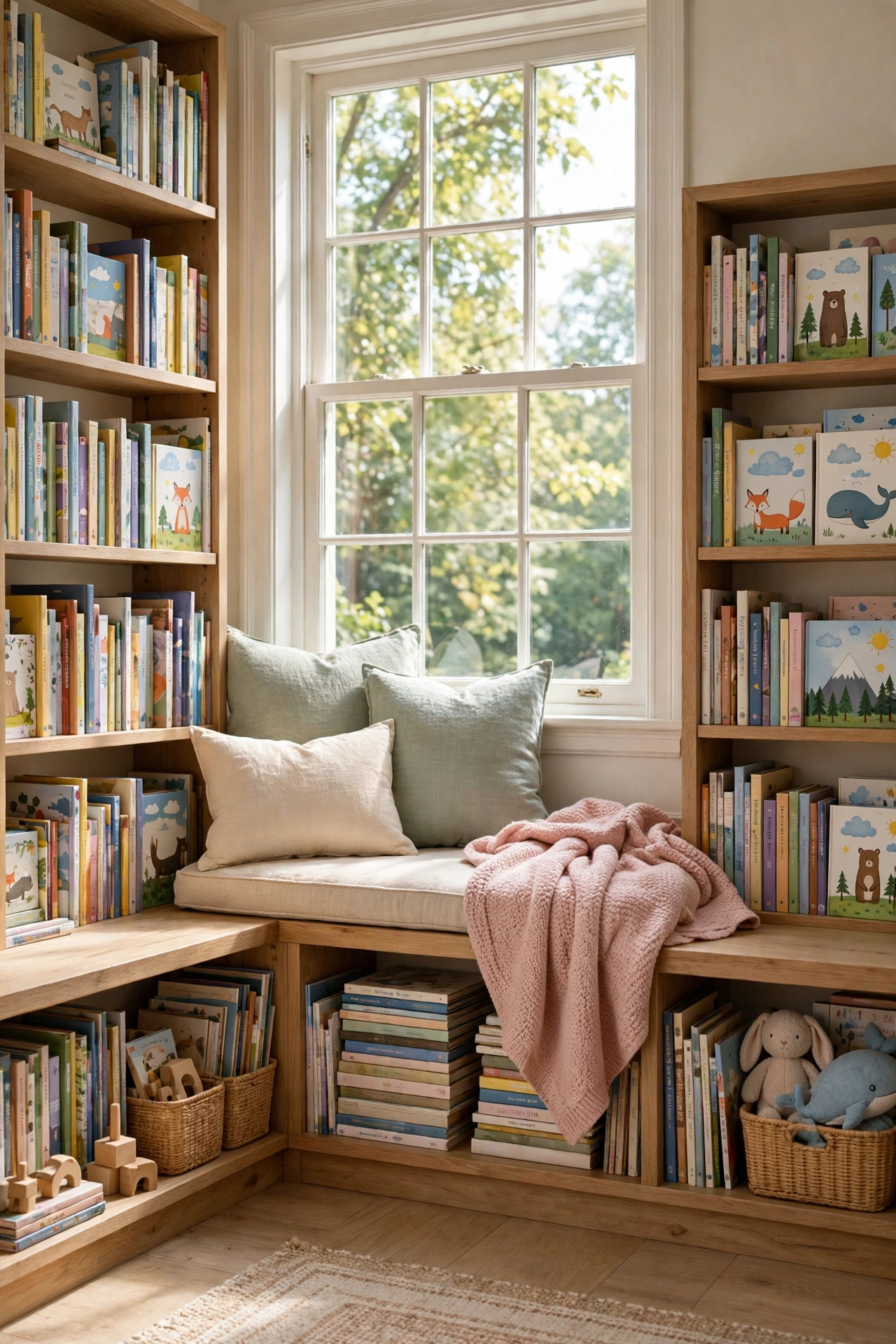
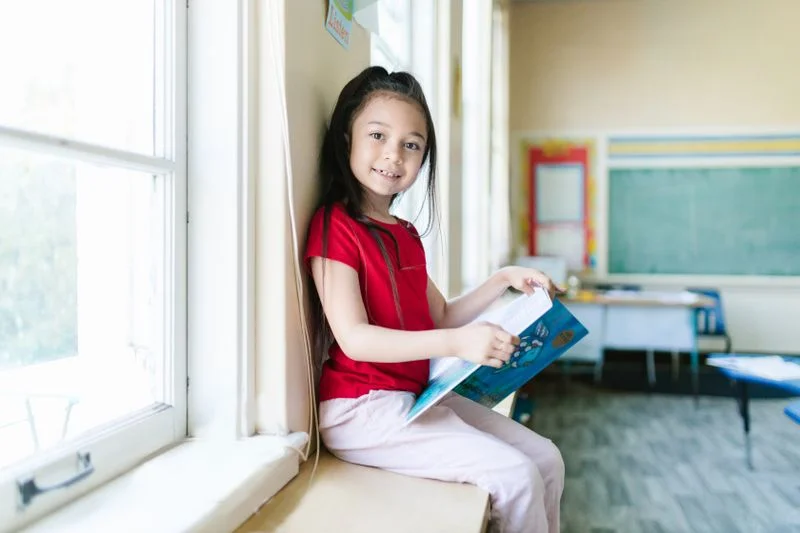
An under-window book bench turns wasted space beneath a window into a sunny reading station. The bench top doubles as a seat with a view, while cubbies below store books sorted by size or theme. Natural light makes this spot especially inviting for afternoon reading, and a couple of baskets inside the cubbies hide small toys or puzzle pieces. Measure your window wall carefully before buying, and choose a bench height your child can climb onto safely alone. Add a washable cushion cover, because this seat will get daily use.
8. Crate Bookshelf DIY
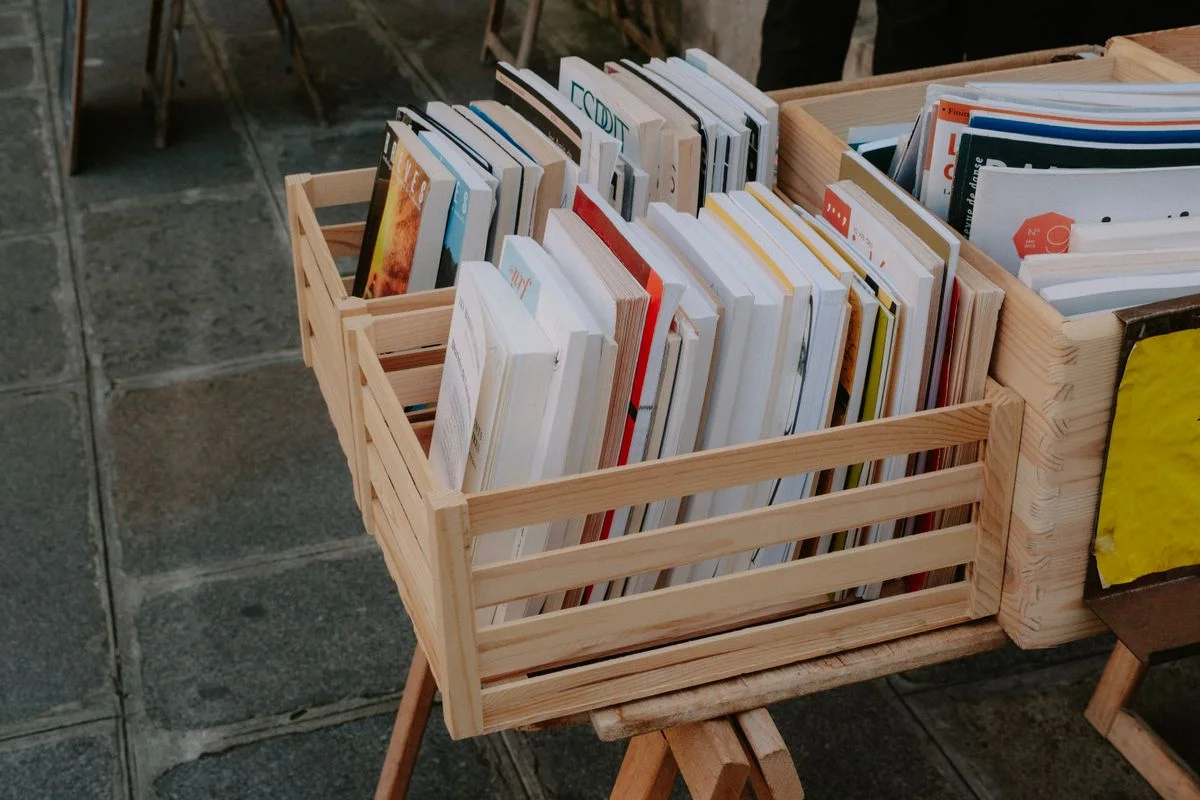
A crate bookshelf is the cheapest DIY children’s bookshelf idea that still looks genuinely charming. Stack two or three wooden crates on their sides, paint them in your child’s favorite colors, and you have instant cubbies for books and toys. The beauty of crates is flexibility: rearrange them as your child grows, add more crates when the collection grows, and move them between rooms without tools. Sand every edge smooth and secure stacked crates together with small screws or zip ties, so curious climbers cannot pull the tower down.
9. Ladder Shelf for Kids
A ladder shelf leans against the wall and gives you five or six shallow shelves in a footprint barely wider than a chair. It is perfect for small bedrooms because it rises vertically instead of spreading out, and the open design keeps the room feeling airy rather than boxed in. Put board books and heavy items on the lowest rungs, lighter picture books higher up, and a small plant or photo on the top rung your child cannot reach. Always anchor a ladder shelf to the wall with the included bracket, since leaning shelves can slide on smooth floors.

10. Corner Bookshelf
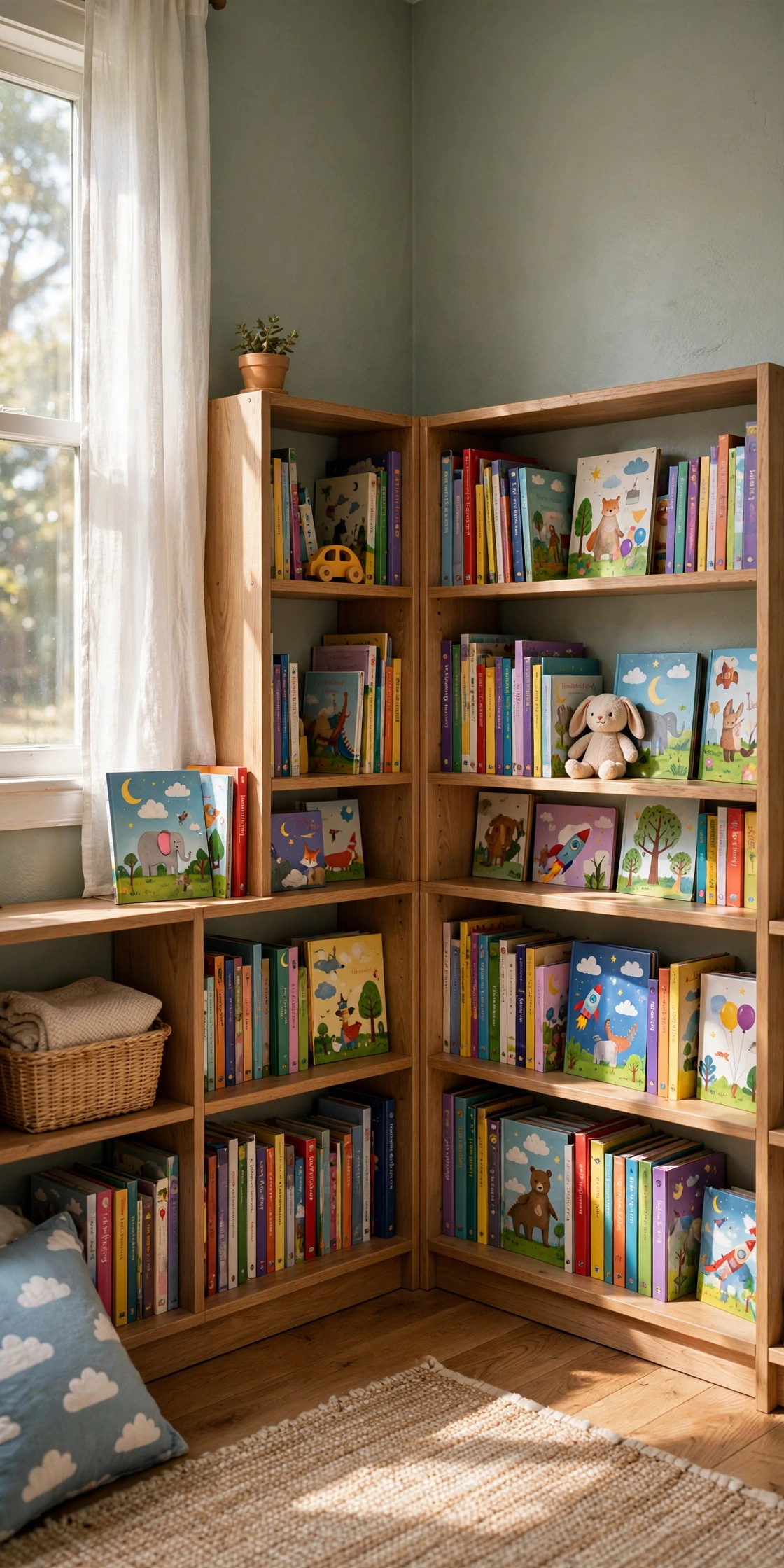
A corner bookshelf rescues the most ignored spot in any kids room and turns it into a mini library. Corner shelves fit snugly where two walls meet, holding a surprising number of books without blocking play space or doorways. This idea shines in shared bedrooms, where floor space is precious and every inch counts. Choose a triangular or L-shaped unit that matches the room’s furniture, and keep your child’s current favorites on the middle shelves where little arms reach easily. Add a small reading light above the corner and the whole spot becomes a magical reading hideaway.
11. Rolling Book Cart
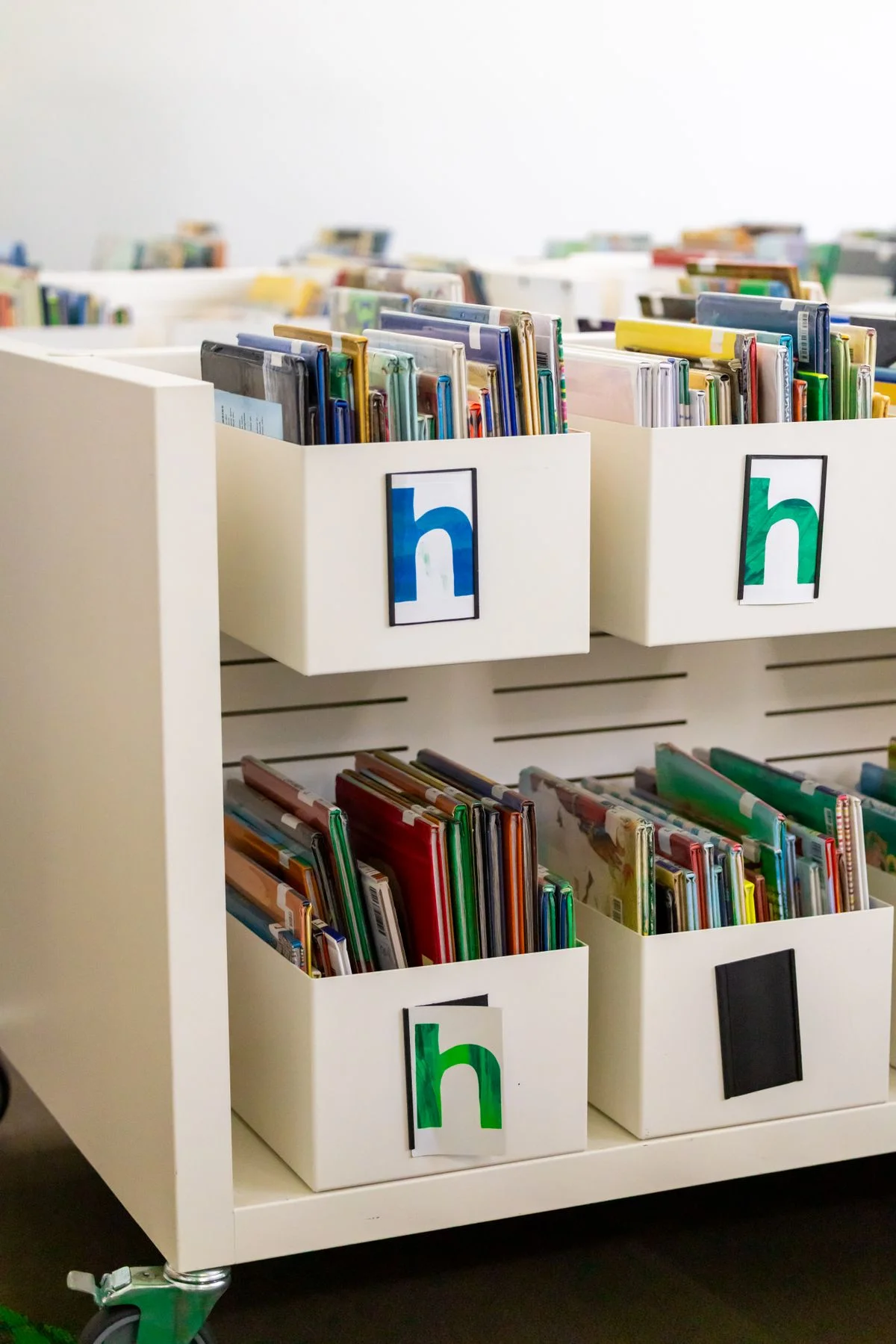
A rolling book cart is a children’s bookshelf on wheels, which means reading can happen anywhere in the house. Your child can wheel their books to the living room, the garden, or a sibling’s room, and wheel them back at tidy-up time. Carts with three tiers hold picture books, coloring books, and small toys together, and the whole thing tucks beside a desk or bed when not in use. Look for lockable wheels so the cart stays put during reading, and keep the heaviest books on the bottom tier so it never tips when pushed.
12. Book Sling Shelf
A book sling shelf holds books in fabric pockets, like a magazine rack, so covers stay visible and little hands can slide books in and out without tearing pages. Sling shelves are lightweight, affordable, and ideal for nurseries where you want a soft, safe look instead of hard wooden edges. Hang one at toddler height near the changing table or crib, and fill it with bedtime stories your child can point to each night. The practical tip is to check the pocket depth: deep pockets fit chunky board books, while shallow ones suit slim picture books better.
Bookshelves That Grow With Your Child
13. Montessori Low Shelf
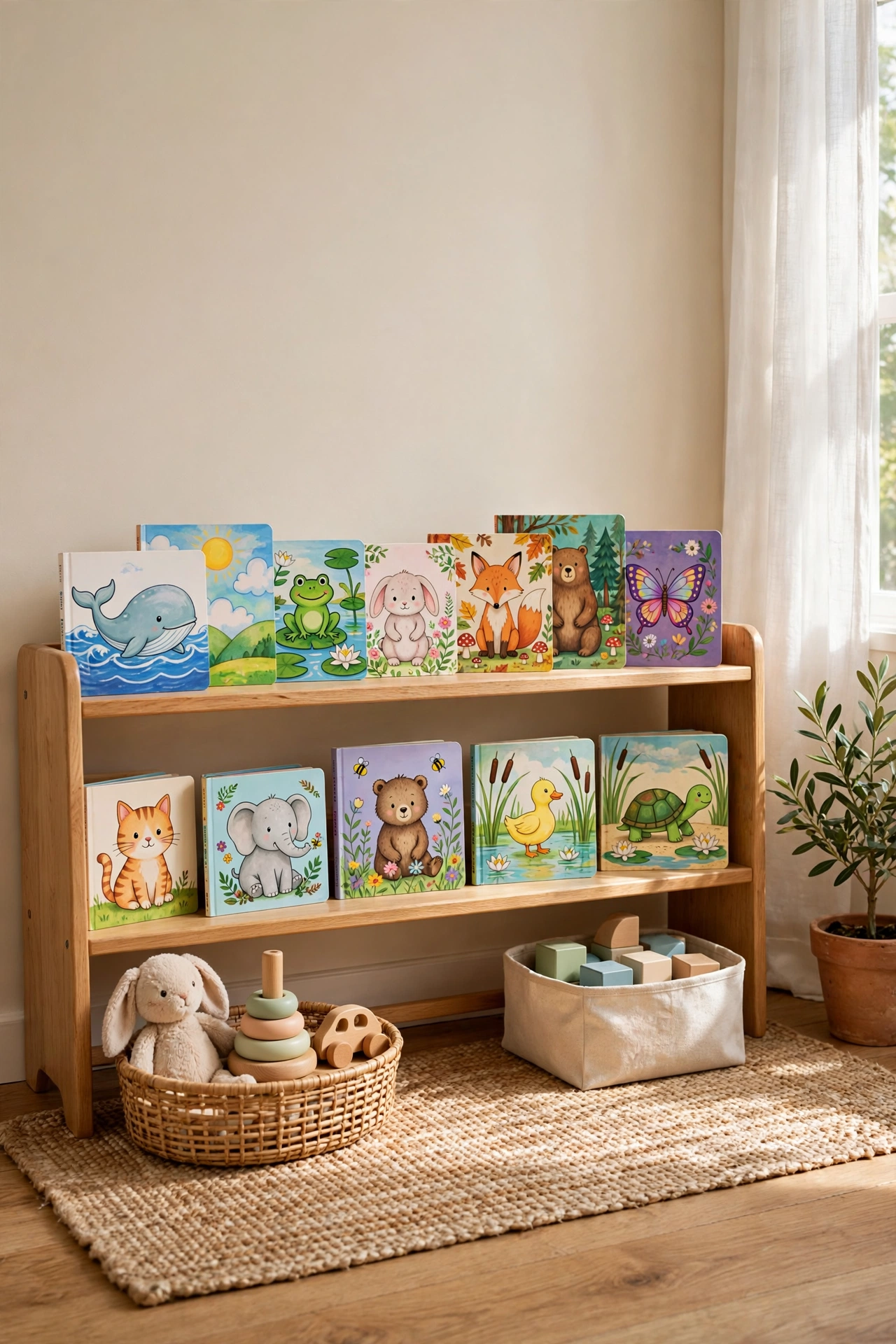
A Montessori low shelf follows one golden rule: everything is at the child’s height, so independence comes naturally. This open, low wooden shelf lets your toddler see every book, choose without asking, and return books to their exact spot, which builds early organization skills. Montessori shelves work best with a small, rotating collection rather than a crowded shelf, so keep six to ten books out and swap them regularly. Choose solid wood with a natural finish, avoid sharp corners, and place the shelf where your child plays most, not hidden away in a corner.
14. Themed Bookshelf (Dinosaur, Space, or Princess)
A themed bookshelf turns reading into an adventure by matching the shelf to your child’s current obsession. A dinosaur shelf with dino bookends, a space shelf with star decals, or a princess shelf with a tiny crown on top makes books feel like part of the game. The trick is to theme the accessories, not the furniture, so you can swap dinosaurs for race cars next year without buying a new shelf. Let your child pick the theme and help decorate, because a shelf they helped create is a shelf they will actually use every day.

15. Floating Shelves Above a Desk
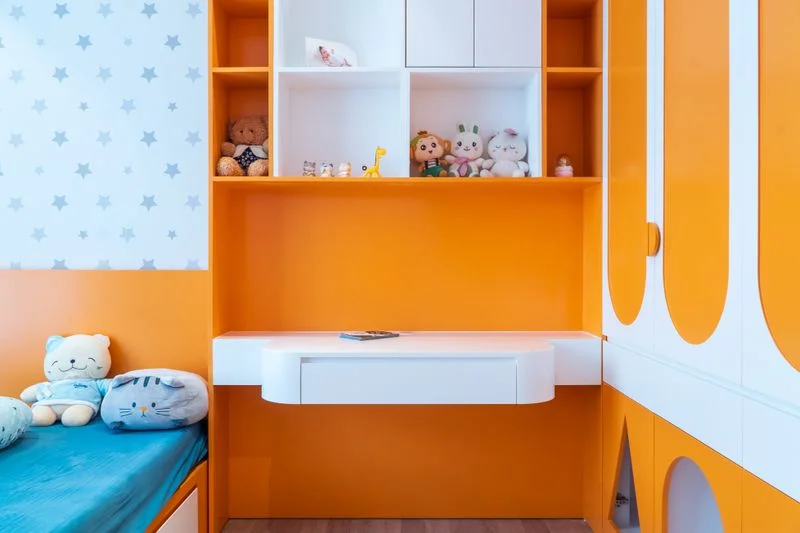
Floating shelves above a desk are the perfect children’s bookshelf idea for school-age kids who need homework storage too. Two or three floating shelves hold chapter books, reference books, and school supplies right above the workspace, keeping the desk surface clear for actual work. Install the lowest shelf at a height your child can reach while seated, and keep only books they use weekly up there so the shelves stay useful, not decorative. Anchor into studs, keep heavy books near the brackets, and leave one shelf for a small plant or trophy.
16. Bookcase With Toy Bin Combo
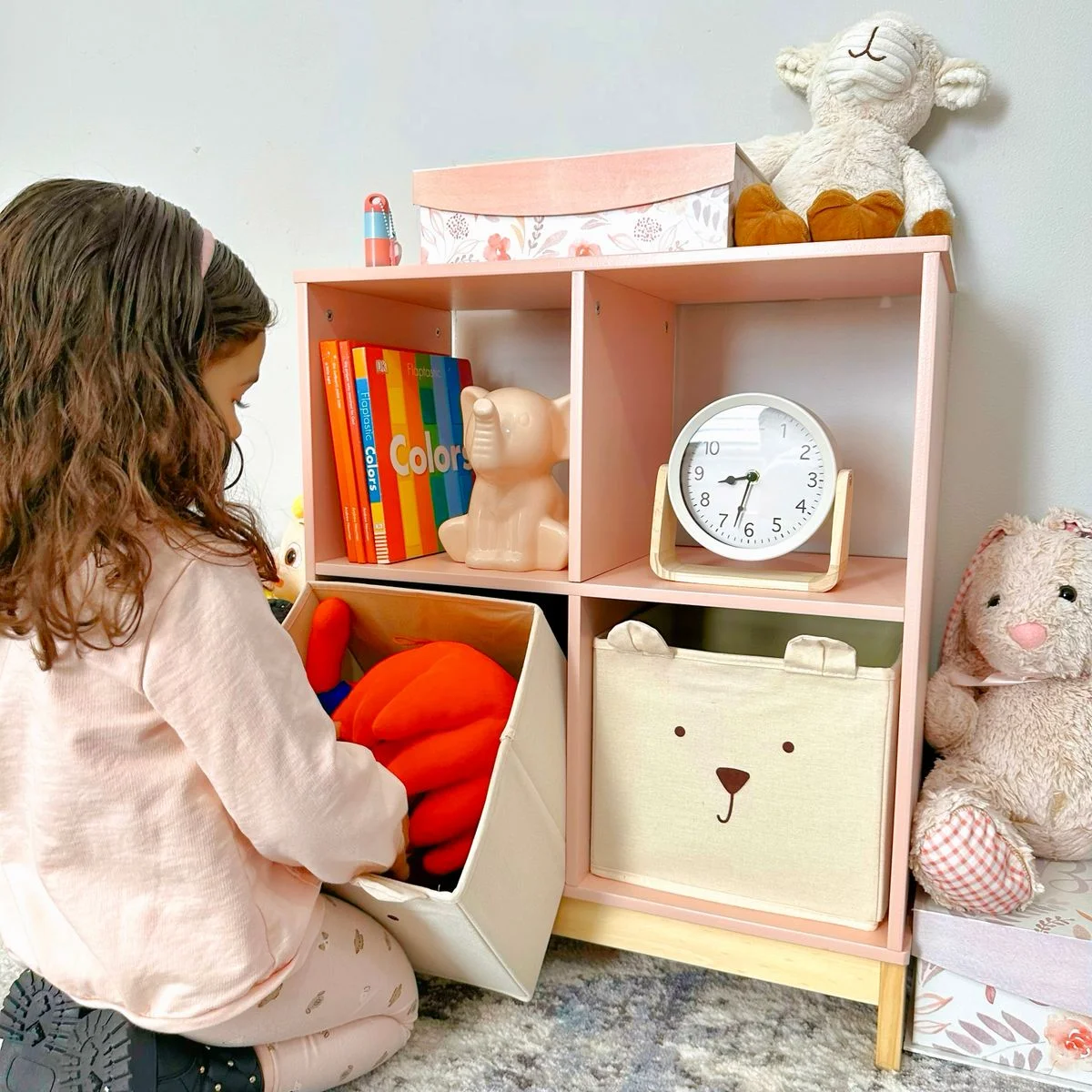
A bookcase with toy bins underneath solves the two biggest kids-room messes in one piece of furniture. Books live on the upper shelves where they stay clean and visible, while chunky bins below swallow blocks, dolls, and action figures in seconds. This combo teaches a simple tidy-up rule kids can remember: books up high, toys down low. Label each bin with a picture for pre-readers, and choose bins your child can lift alone. The result is a room that looks tidy even after a full afternoon of play.
17. Repurposed Wall Shelf Display
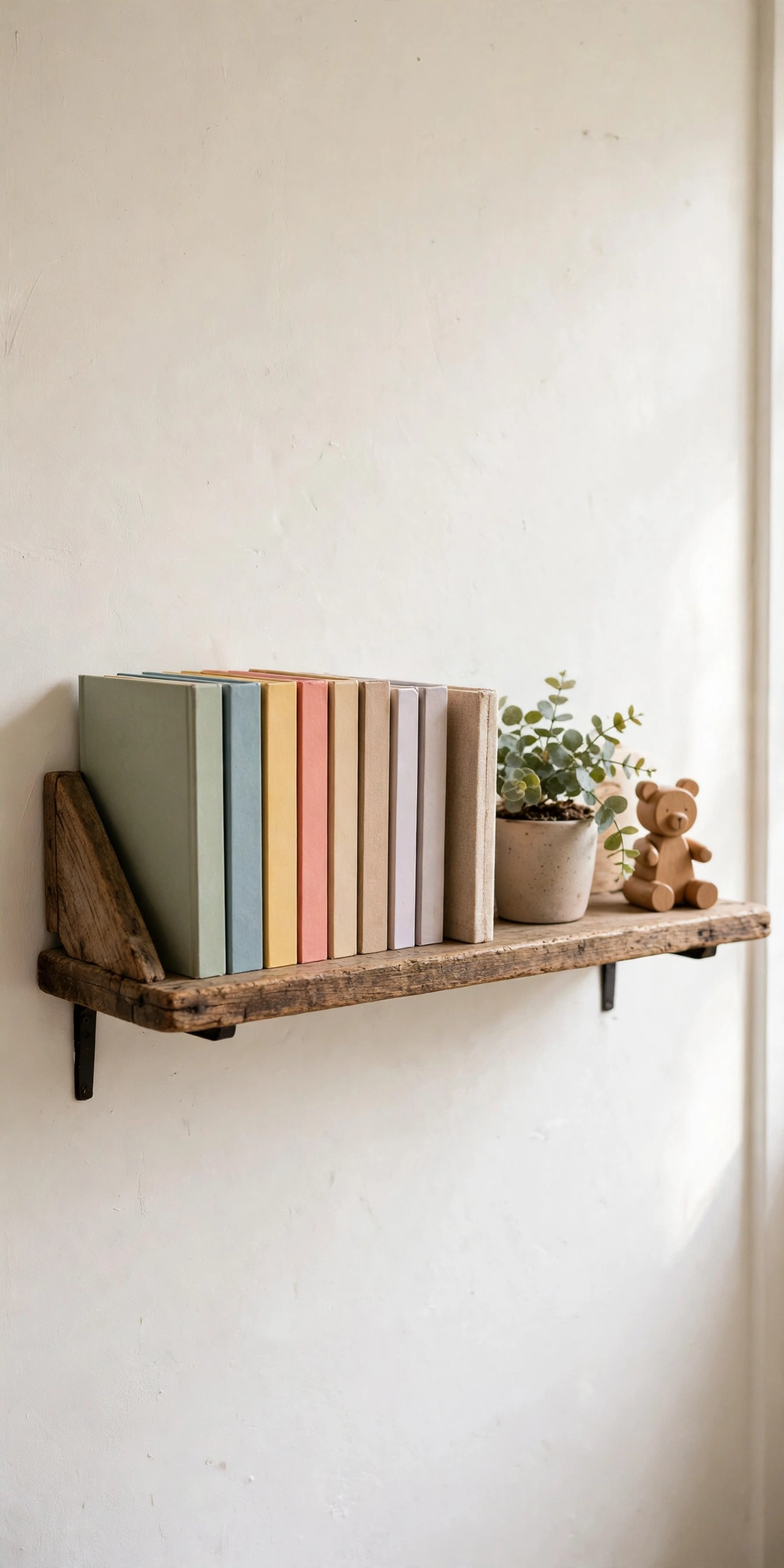
A repurposed wall shelf display uses simple wooden planks, spice racks, or even old gutters mounted on the wall to create a beautiful cover-forward book gallery. This budget-friendly idea works brilliantly in narrow hallways or beside a bed, where a full bookcase would never fit. Space the shelves about thirty centimeters apart so tall picture books fit comfortably, and stagger them slightly for a playful look. Sand and paint the planks to match the room, anchor everything into studs, and let your child curate the display — a shelf they arranged themselves is one they will proudly show off.
18. Personalized Name Bookshelf
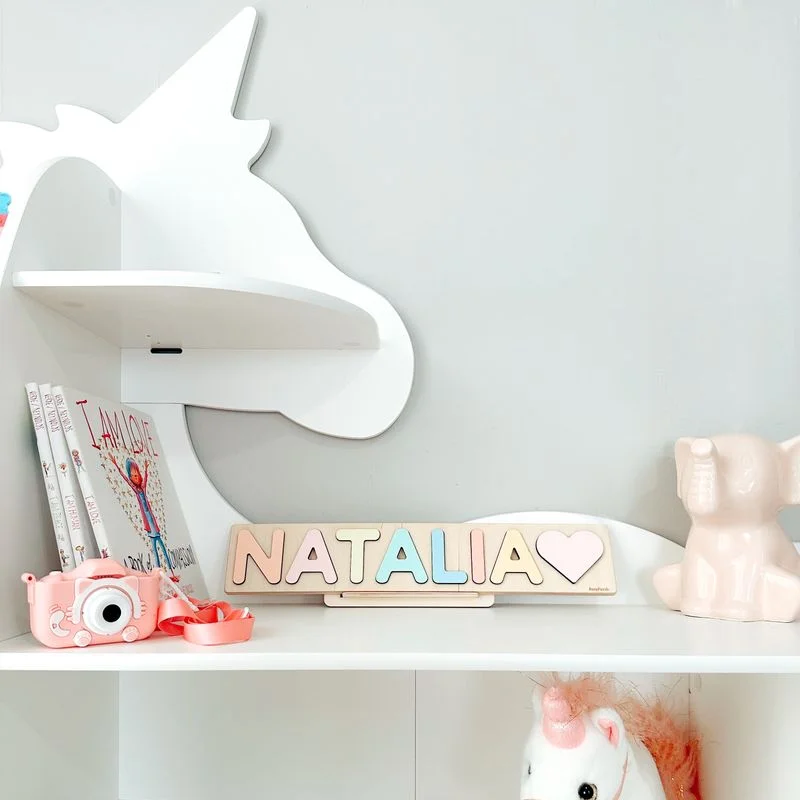
A personalized name bookshelf puts your child’s name right on the shelf, and that tiny detail makes a huge difference in how much they love it. Wooden letters spelling their name above the shelf, or a custom nameplate on the bookcase itself, turn ordinary storage into something that belongs to them alone. Kids feel proud of their own named corner and are far more likely to keep it tidy. Order the letters in a color that matches the room, attach them securely out of grabbing range if your child is very small, and pair the shelf with a framed photo of your little reader.
How to Choose the Right Children’s Bookshelf
Start with your child’s age and height: toddlers need low, forward-facing shelves they can browse alone, while school-age kids do better with taller bookcases and desk shelves. Next, measure your space honestly, including door swing and play areas, so the shelf never becomes an obstacle. Then think about safety first — anchor every tall or leaning shelf to the wall, round off sharp corners, and keep heavy books low. Finally, match the shelf to your child’s personality: a reading nook for a dreamer, a rolling cart for an explorer, a rainbow bookcase for a color lover. The best children’s bookshelf is the one your child actually runs to, so let them help choose whenever you can.
Frequently Asked Questions
What is the best bookshelf height for a toddler?
For toddlers, the top shelf should sit no higher than about 60 centimeters, so your child can see and reach every book without climbing. Forward-facing bins and low Montessori shelves work best at this age, because independence matters more than capacity.
How many books should a child’s shelf hold?
A good rule is eight to twelve books on display for toddlers and twenty to thirty for older kids, with the rest stored elsewhere and rotated regularly. A smaller, rotating collection keeps choices manageable and makes old books feel exciting again.
How do I keep a kids bookshelf tidy?
Give every book a clear home, use bins and labels your child understands, and build a two-minute tidy-up habit into bedtime. When books face forward and shelves are low, children can put books back themselves — which is the real secret to a shelf that stays neat.
Are wall shelves safe in a child’s room?
Yes, when they are installed correctly: always anchor shelves into wall studs, keep heavy books low and near the brackets, and never place climbable shelves above a bed or changing table. Check the anchors every few months, since shelves loosen over time.
Pick one idea from this list today and start small — even a single low shelf or a pair of picture ledges can spark a reading habit that lasts a lifetime. Save this post for later, share it with another parent, and pin your favorite children’s bookshelf idea so you can find it again when you are ready to build or buy. Happy reading, little bookworms!
Photos: Pexels (free to use).


