
21 Carport Outdoor Ideas to Turn Your Carport Into a Lovely Outdoor Space
Most carports are treated as a roof for the car and nothing more, yet they already have the best bones for outdoor living: shade, shelter and a flat floor. With a few thoughtful touches, that plain parking spot can become a welcoming outdoor space that looks good from the street and feels good to use. These carport outdoor ideas cover seating, lighting, planting and practical upgrades, so you can enjoy the space even when the car is parked elsewhere.
Outdoor Living Under the Carport
Start with how you want to use the space when the car is out. A little seating and soft light turn a parking roof into a real outdoor room.
1. Create a Shaded Seating Nook

Place two weatherproof chairs and a small side table in a corner of the carport, creating a shaded nook for morning coffee or evening chats. A seating nook works because the carport roof already gives shade and rain cover, so you gain an outdoor room without building anything new. Tip: Choose chairs you can move easily, so the nook clears fast when the car needs the space.
Anchor the nook in the corner furthest from the car’s doors, so chairs never block getting in and out, and choose stackable or folding chairs that store flat against the wall when parking takes priority. Add a small weatherproof cushion box nearby, since cushions left out in rain quickly become the reason the nook stops being used. A side table with a lower shelf holds books and drinks without cluttering the tabletop.
Keep the nook’s footprint modest, roughly the size of two chairs and a table, so the carport still reads as a parking space first. A movable screen or tall planter can mark the boundary without a fixed wall, giving the seating area a sense of enclosure that disappears in seconds. Sweep the corner weekly, since dust and leaves gather fastest in sheltered corners and make seating feel neglected.
2. Lay an Outdoor Rug

Lay a flat, weatherproof outdoor rug to define the seating zone and soften the concrete floor underfoot. A rug instantly makes a carport feel like a living space rather than a parking bay, and it anchors chairs and tables visually. Tip: Pick a low-pile rug that hoses clean and dries quickly after rain.
Choose a rug size that fits the seating zone without creeping under car tyres, and prefer a flat-weave polypropylene rug that resists mould and fades slowly. Shake and hose the rug monthly, since dust and leaves collect underneath and stain concrete over time. In wet seasons, roll the rug up and store it on the storage bench, which keeps it fresh and leaves the carport fully clear for parking.
3. Hang String Lights

Drape warm string lights along the carport beams for soft evening light that flatters the whole outdoor area. String lights are the cheapest way to make a carport feel magical after dark, turning a plain structure into a favourite evening spot. Tip: Use outdoor-rated lights with a timer, and keep cords away from walkways and the car.
Run the lights along beams in a gentle swag rather than pulling them taut, which looks softer and reduces strain on fixings. Use warm-white, outdoor-rated lights with a timer or dusk sensor, and keep the plug and transformer sheltered from direct rain. Check the cable route so it never crosses the walkway or hangs where a car door can catch it, and replace any damaged bulbs before the string is switched on.
Choose a length that fits the carport without excess cable coiled around a post, since spare cable looks messy and creates a snag hazard. Solar string lights suit carports without a nearby outdoor socket, but they need a panel in direct sun to glow reliably through the evening. At the end of summer, wipe the bulbs and store the string loosely coiled, rather than wound tight, to protect the wiring for next year.
4. Add Shade Curtains
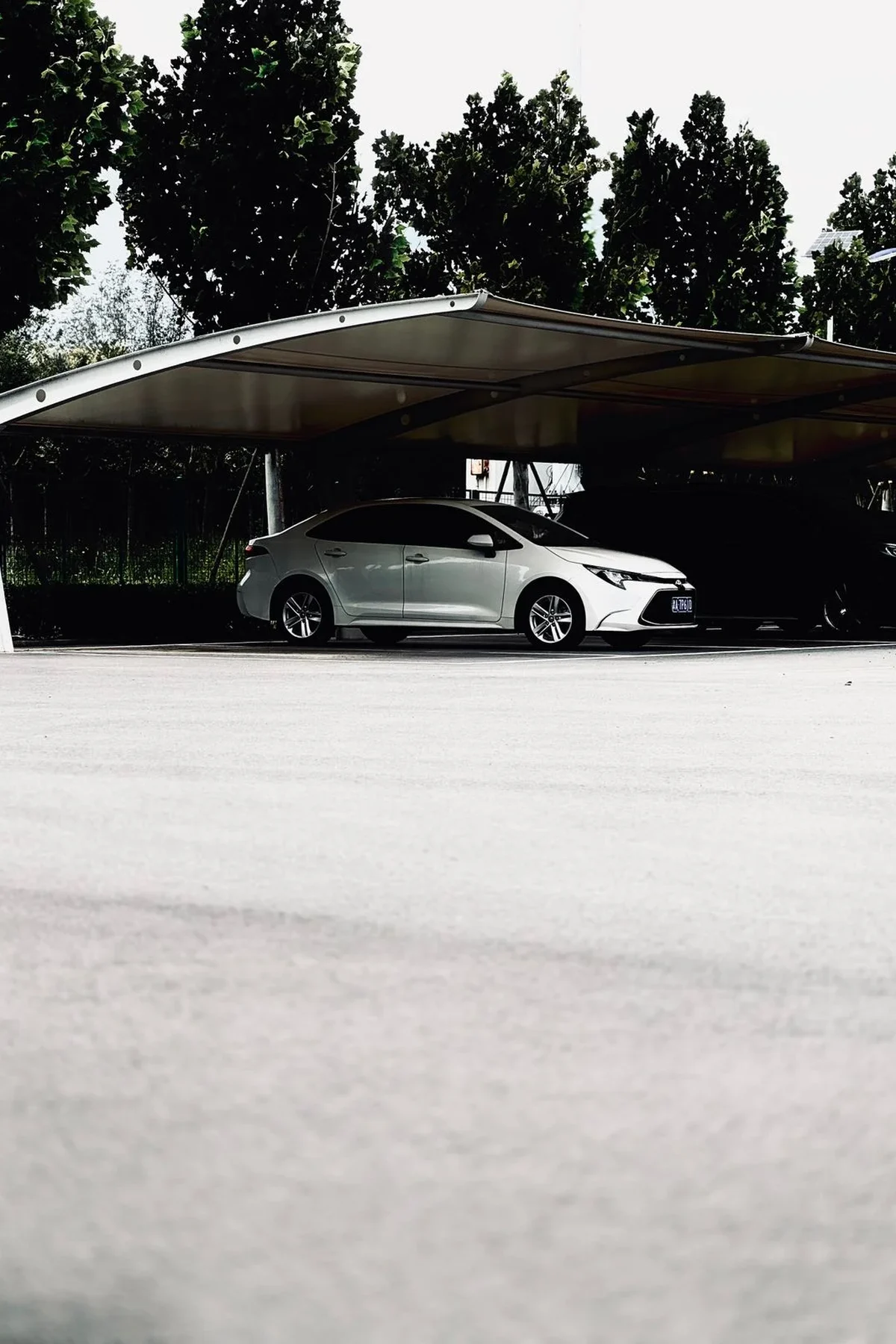
Hang weatherproof shade curtains on one or two open sides, which you can draw for privacy and low sun and tie back on breezy days. Shade curtains tame glare and wind without walls, and they make the carport feel like a sheltered outdoor room. Tip: Choose fade-resistant fabric and secure the bottoms so curtains do not flap against the car.
Measure the open sides before ordering, since curtains that are too short flap and let in low sun, while curtains that are too long drag on the ground and collect dirt. Use a sturdy track or wire cable rather than a thin rod, which bows under wet fabric, and weight the bottom hems so the curtains hang straight in a breeze. Tie-backs fixed to the posts keep curtains neatly gathered on calm days without them blowing across the parking space.
5. Set Up a Coffee Corner
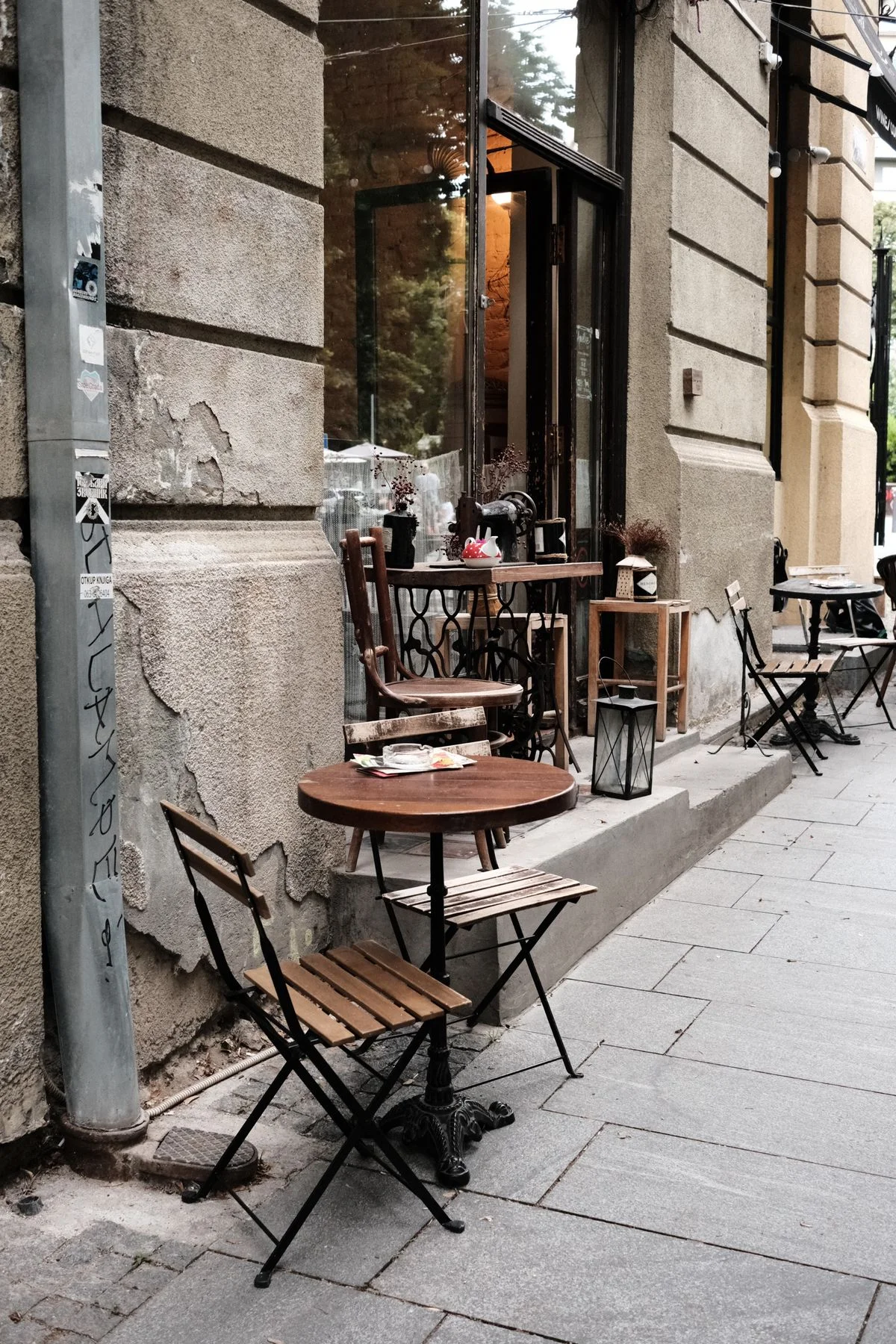
Add a small bistro table, two stools and a tray for mugs, creating a coffee corner that doubles as a spot for reading or chatting. A coffee corner gives the carport a daily purpose beyond parking, and it is small enough to move aside in seconds. Tip: Keep a weatherproof tray or box nearby for mugs and books between uses.
Keep the coffee corner to a bistro set and a small tray, so it can be cleared in under a minute when the car needs the space. Use unbreakable mugs outdoors and a lidded box for sugar, spoons and books, which protects them from dust and sudden rain. A small outdoor clock or a solar lantern on the table makes the corner feel intentional rather than improvised.
6. Place a Fire Bowl Beside the Carport
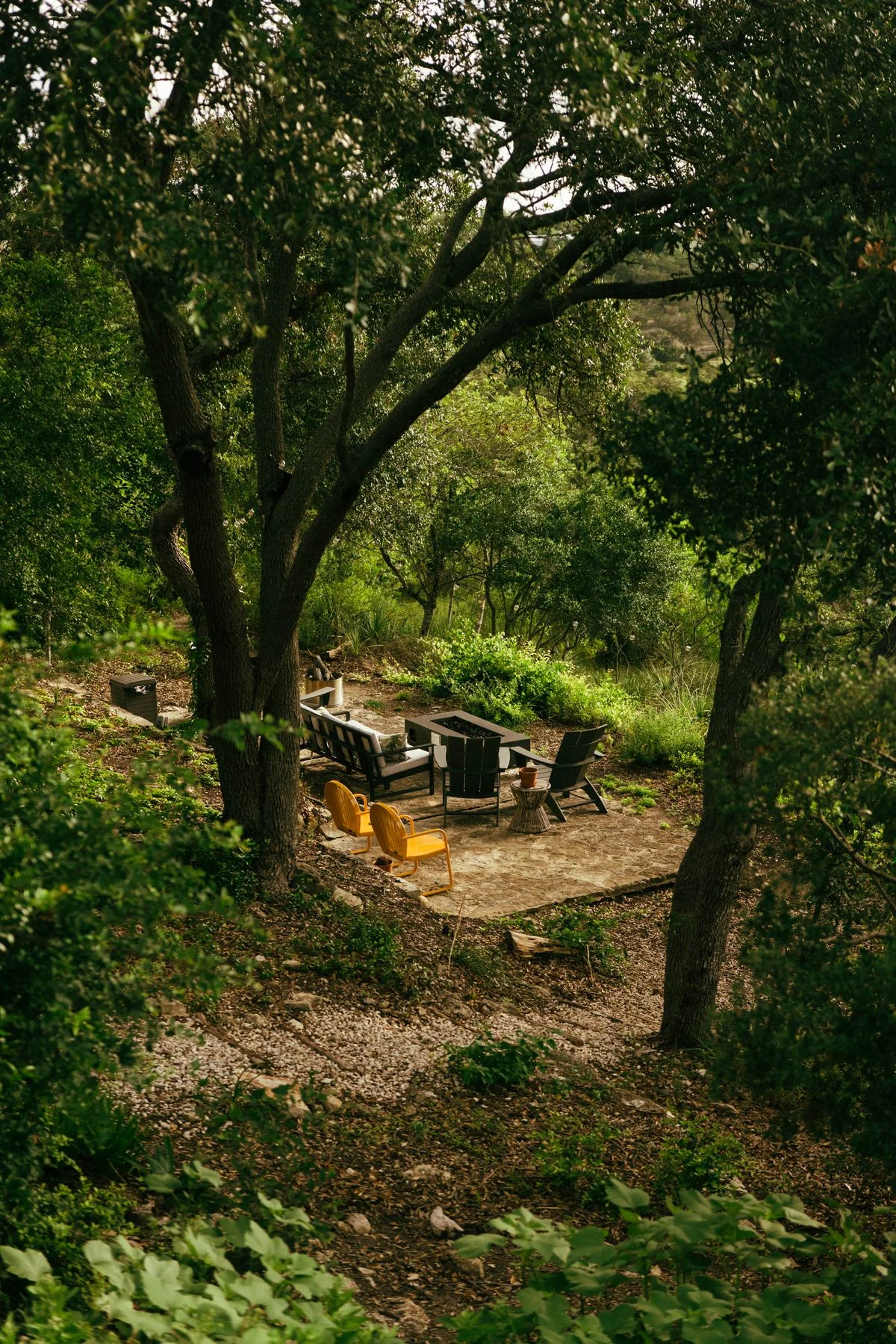
Set a portable fire bowl on a safe, open patio area beside, never under, the carport, with seating arranged around it. A fire bowl extends the outdoor season beautifully, giving you warmth and a gathering point on cool evenings near the shelter. Tip: Keep it well clear of the roof, cars and curtains, and always follow local fire rules.
Place the fire bowl on a non-flammable surface, such as stone or gravel, at least three metres from the carport roof, cars, fences and overhanging branches. Check local fire rules and burn bans before lighting, and keep a bucket of sand or water nearby as a basic precaution. Never leave the bowl burning unattended, and let ashes cool completely before disposal, since hidden embers stay hot far longer than the flames suggest.
Planting and Curb Appeal
Plants soften the hard lines of a carport and make the whole front of the house look cared for. These ideas add green without blocking the car.
7. Line the Edges With Planters
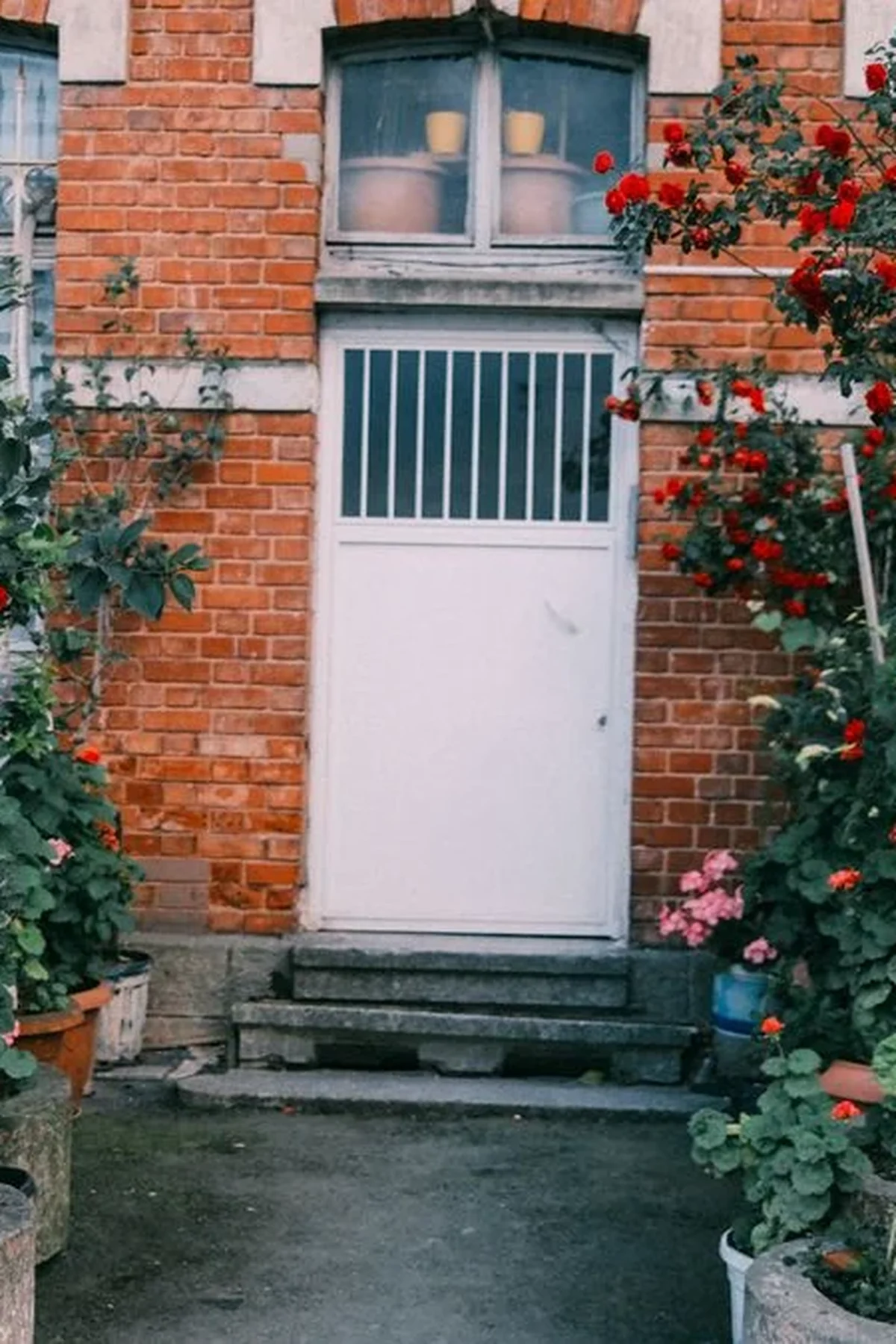
Place large planters along the carport edges with hardy flowers, grasses or small shrubs that frame the entrance beautifully. Planters add colour and structure without permanent beds, and they can be moved for cleaning, painting or car access. Tip: Choose pots with drainage and plants suited to sun or shade on each side.
Group planters in odd numbers and vary their heights, with tall grasses at the back and trailing flowers at the front, so the entrance looks layered rather than lined up like soldiers. Use large pots with drainage holes and a layer of gravel at the base, which prevents waterlogging and makes heavy pots easier to move with a trolley. Water container plants more often than garden beds, since pots dry out quickly under a carport roof edge in summer.
Choose plants for the exact light on each side, since one side of a carport may be sunny while the other sits in shade all day. Hardy evergreen grasses and shrubs give year-round structure, while seasonal flowers can be swapped in a single pot for colour without replanting the whole display. Prune shrubs before they grow into the car path, and check pots after storms, since wind can topple tall planters onto the driveway.
8. Grow Climbing Vines on Posts

Train climbing vines or jasmine up the carport posts, softening the structure with green leaves and seasonal flowers. Vines turn plain posts into a garden feature, adding shade, scent and privacy while keeping the parking area fully usable. Tip: Prune regularly so vines never block lights, gutters or car doors.
Train vines onto wires or a trellis fixed a few centimetres off the post, rather than letting them grip the post directly, which makes pruning and repainting far easier. Choose a vine suited to the light and climate, such as jasmine for scent in sun or ivy for shade, and check its mature spread before planting so it does not outgrow the carport. Prune twice a year, once after flowering and once in late winter, to keep growth clear of lights, gutters and car doors.
Keep the base of the vine clear of the driveway surface so fallen leaves do not stain concrete, and water young vines regularly until their roots establish. Avoid vigorous vines that send roots under paving or into gutters, since the damage costs far more than the shade is worth. If the carport needs repainting, untie the vine from its wires and lay it aside gently rather than cutting it back hard.
9. Edge a Flower Bed Along the Side

Dig a narrow flower bed along one side of the carport and plant low, tough perennials that survive reflected heat from the driveway. A side bed gives the carport a finished, garden-like edge, and it stops weeds and bare soil from making the area look neglected. Tip: Keep plants low near the car path so they never scratch paintwork.
Dig the bed no wider than you can comfortably reach across, about 45 centimetres, so weeding never means stepping on the plants. Improve the soil with compost before planting, since driveway beds often sit in compacted, poor soil, and add a mulch layer to hold moisture and suppress weeds. Choose tough perennials that tolerate reflected heat and occasional car spray, such as lavender, grasses and hardy geraniums, and keep taller plants away from the car path.
10. Add a Welcoming Pathway
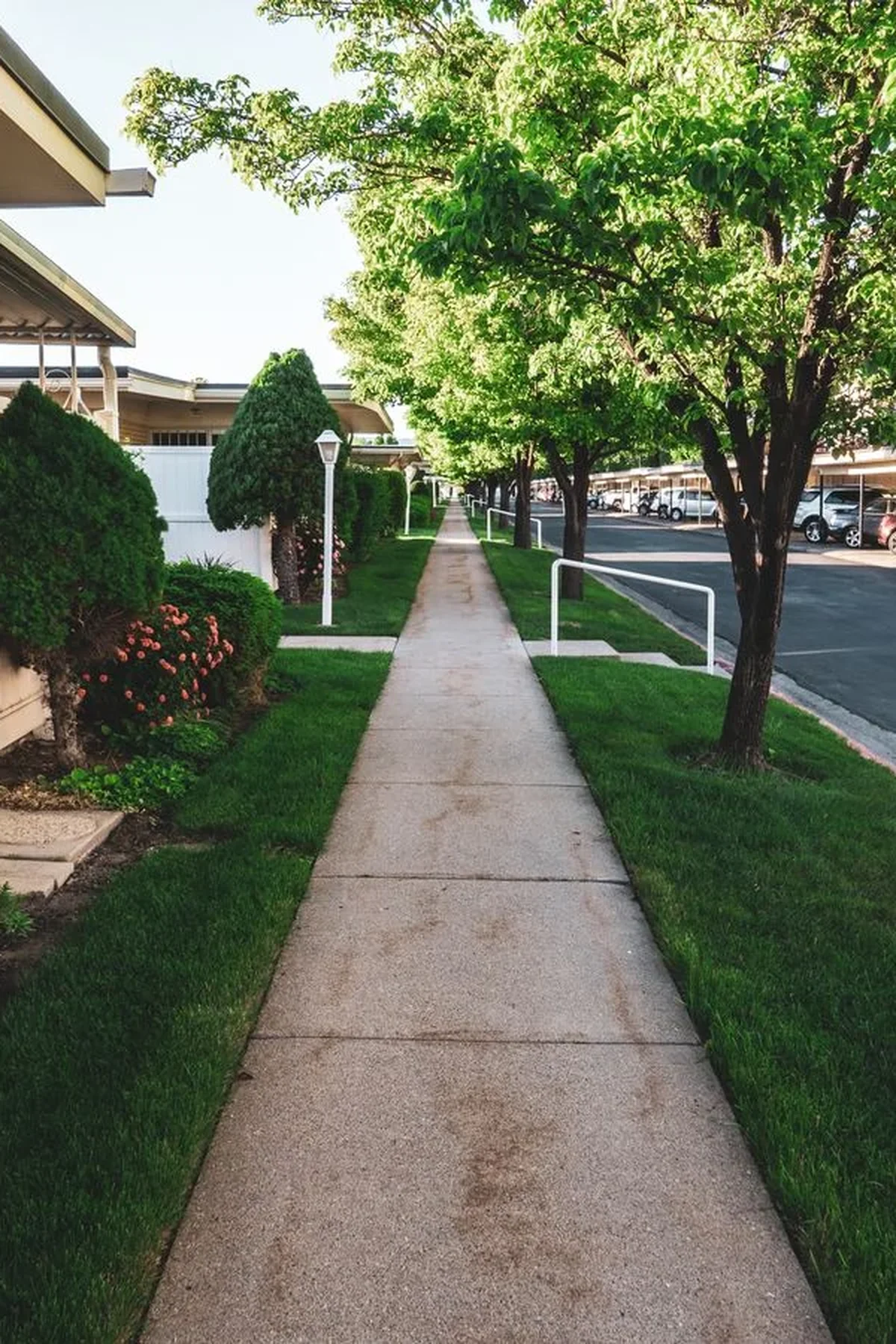
Lay stepping stones or a simple gravel path from the carport to the front door, lined with solar lights or low plants. A clear pathway makes the carport feel connected to the house, and it keeps feet clean on wet days instead of crossing mud or gravel. Tip: Keep the path wide enough for carrying bags and clear of the car’s turning space.
Make the path at least 90 centimetres wide so two people can pass with shopping bags, and use a firm, even surface that suits wheels as well as feet. Stepping stones need close spacing to feel safe, while gravel needs edging to stop it spreading onto the driveway. Solar lights set slightly back from the path edge avoid being kicked, and low plants beside the path should stay below knee height so they never snag bags or scratch legs.
11. Style the House Numbers and Entrance
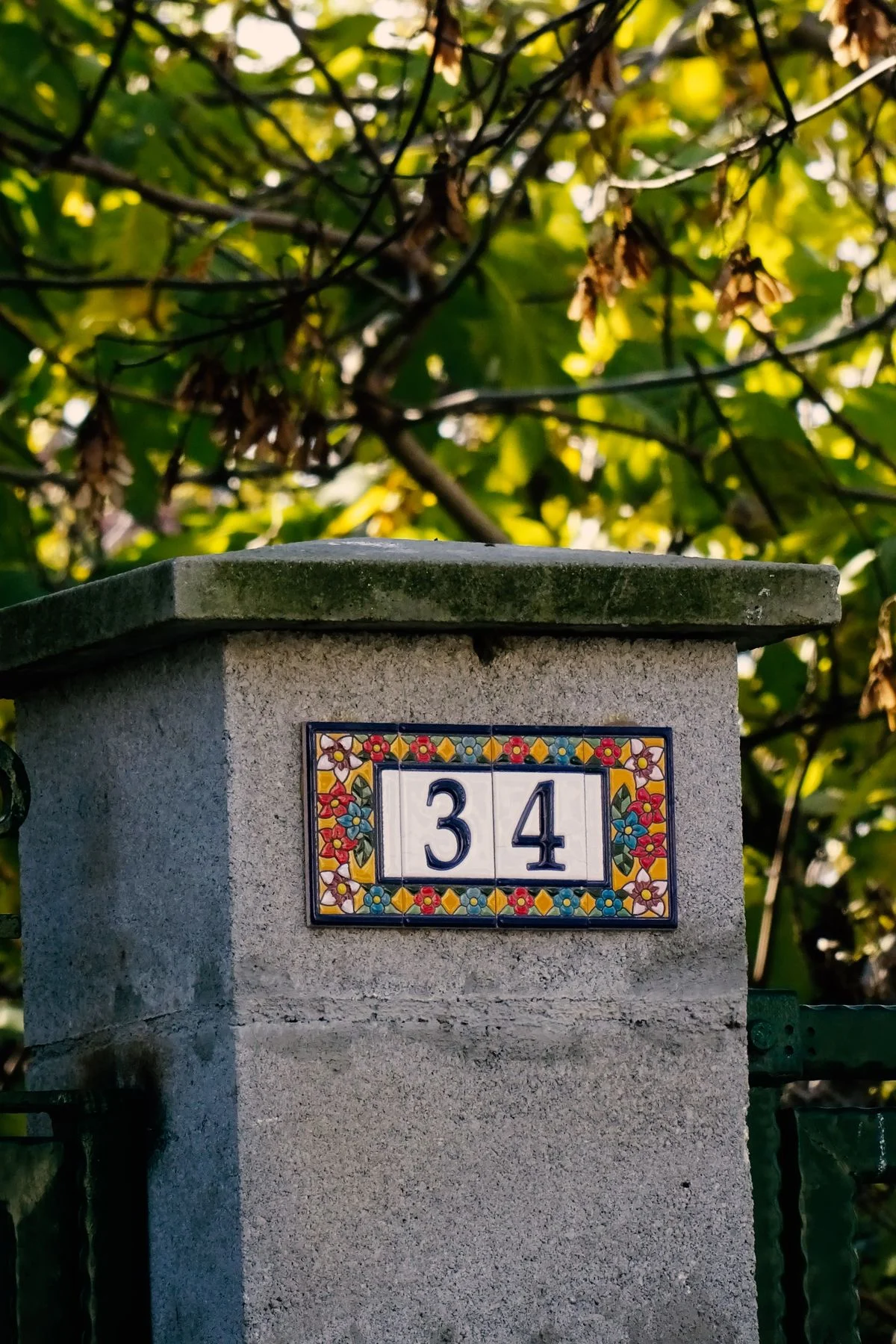
Mount clear, stylish house numbers and a small wall light near the carport entrance, so visitors and deliveries find you easily. Good numbers and lighting are small details with a big curb-appeal payoff, making the whole frontage look intentional and cared for. Tip: Match the number style to the house, and light it for evening visibility.
Choose numbers large enough to read from the street, at least 15 centimetres tall, with strong contrast against the wall behind them. Mount them beside the entrance light rather than above the carport roof, where they disappear in shadow, and test visibility at night before fixing them permanently. A small wall lantern with a warm bulb flatters both the numbers and the entrance, and a timer or dusk sensor keeps it lit without daily attention.
Practical Outdoor Upgrades
Beauty matters, but a carport also has to work hard. These practical ideas keep bikes, bins and gear tidy while the space still looks good.
12. Make a Neat Bike Parking Spot
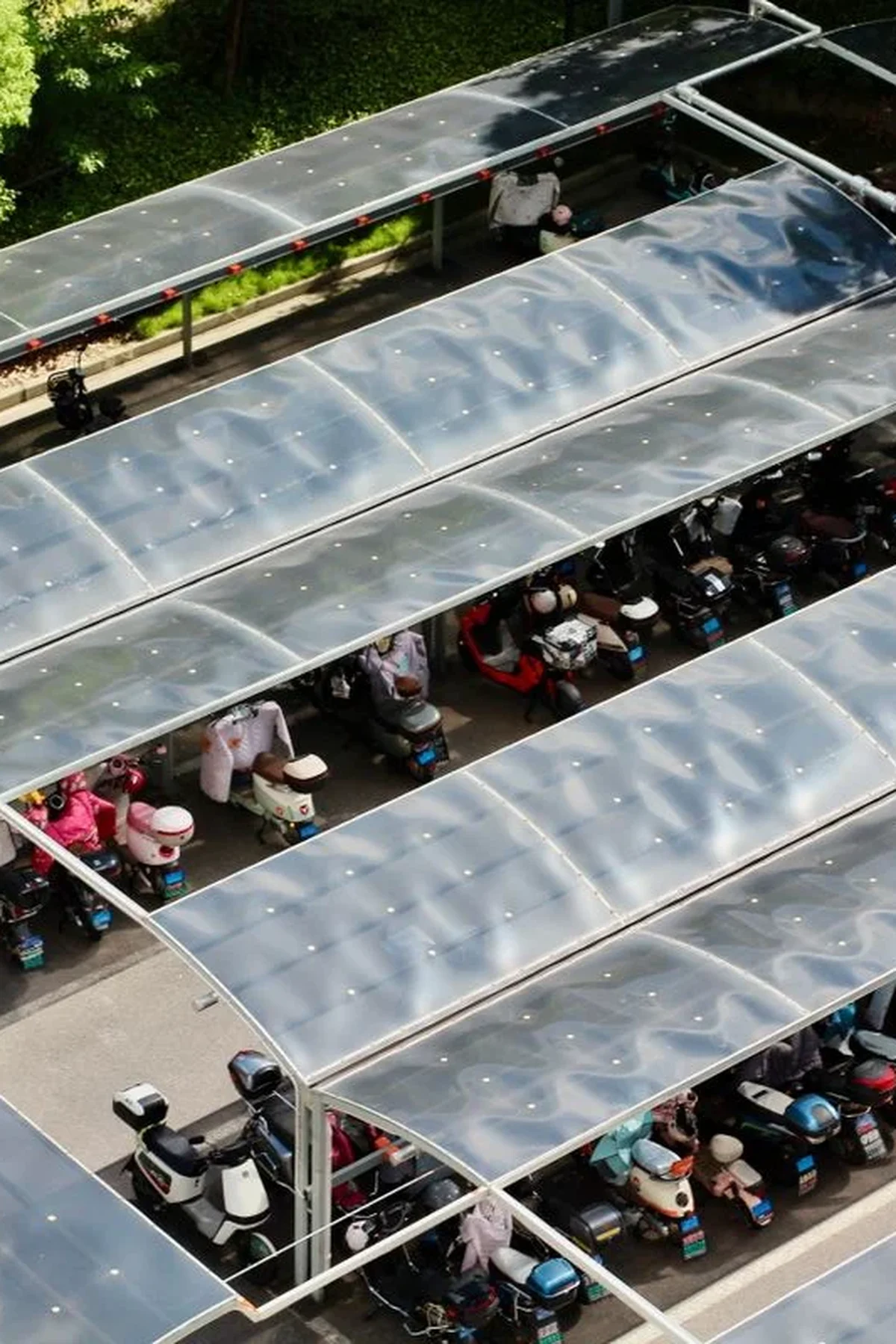
Mark a bike parking spot at one end of the carport with a simple rack or wall hooks, keeping bikes upright and out of the car’s path. A defined bike spot stops bikes leaning on the car or blocking the walkway, and the roof keeps them dry without a separate shed. Tip: Leave room to walk past with bags, and lock bikes even under cover.
Fix the rack to the wall or floor so it cannot tip when a bike is lifted off, and leave enough space between bikes for handlebars and pedals to clear each other. Wall hooks that hold bikes by the front wheel save the most floor space, while a floor rack suits heavier e-bikes that are awkward to lift. Add a small shelf above for helmets and locks, so the bike area stays a complete station rather than a scattered pile.
13. Screen the Bins With Style
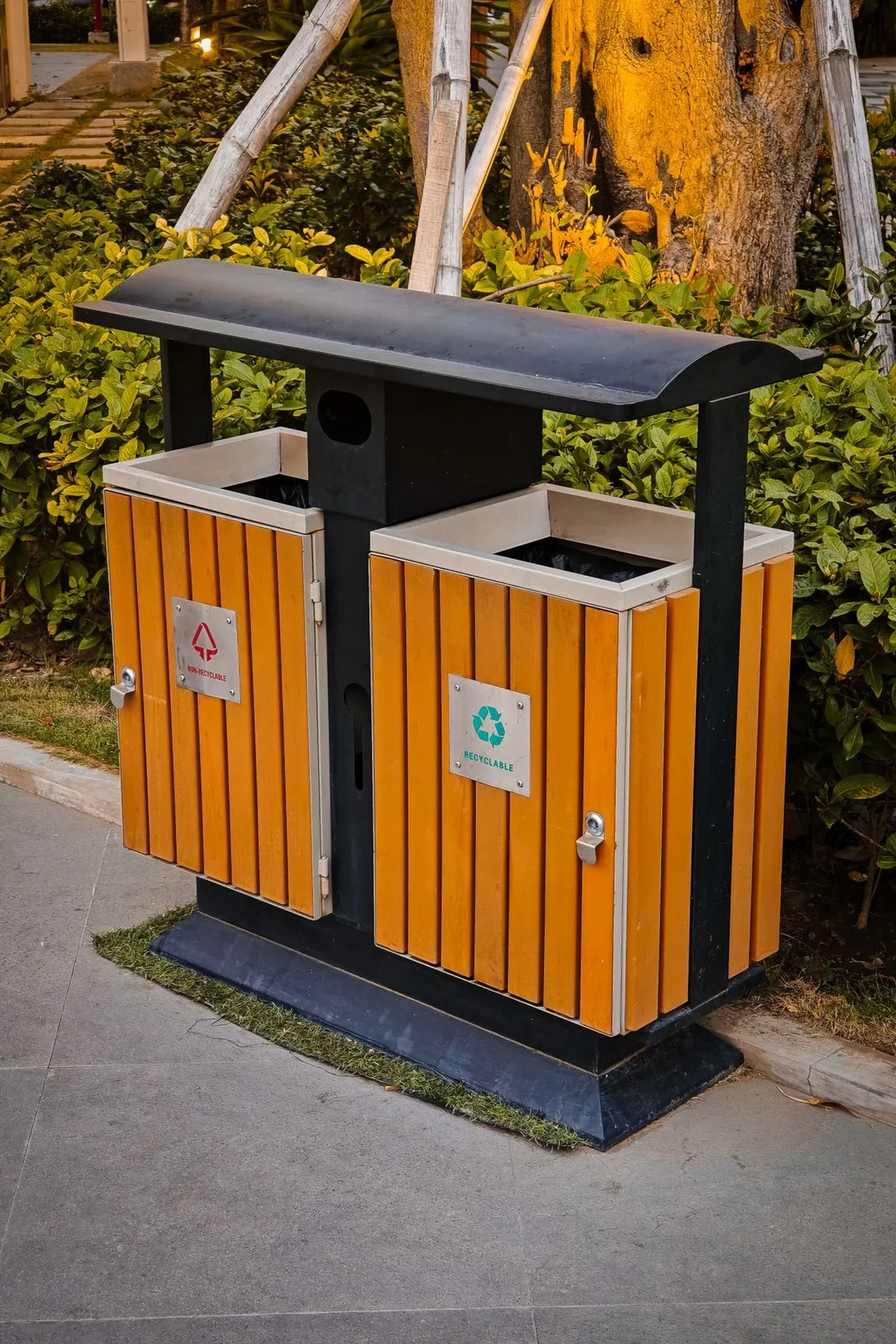
Hide bins behind a wooden screen or a small enclosure at the side of the carport, with easy access on collection day. A bin screen is one of the fastest curb-appeal wins, because bins are often the first thing visitors notice from the street. Tip: Leave ventilation gaps and a clear path for wheeling bins out.
Build the screen with gaps for airflow and a hinged or removable panel for collection day, since a screen that makes bin day difficult will quickly be abandoned. Keep the enclosure slightly larger than the bins so lids open fully, and use weather-resistant timber or composite boards that do not need yearly repainting. A small strip of gravel or paving beneath keeps the area dry and stops bins sinking into soil.
14. Build a Compact Firewood Store
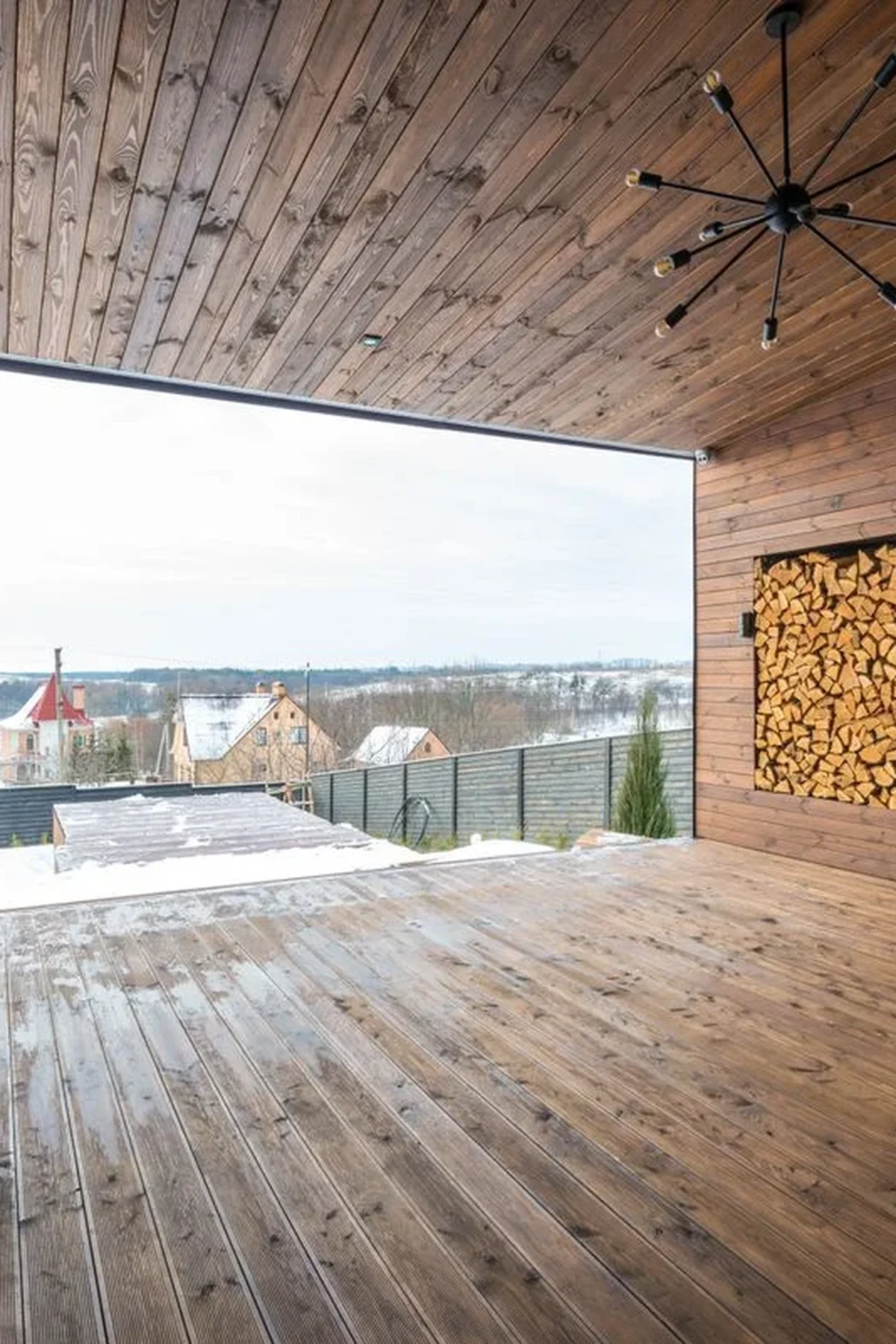
Stack firewood in a neat, covered store beside the carport, raised off the ground with airflow around the logs. A tidy firewood store keeps logs dry and ready, and it turns a messy pile into a rustic feature that suits an outdoor space. Tip: Keep the store clear of the car and never stack wood against the house wall.
Build the store with a slatted base and a roof overhang, so air flows beneath and rain runs off rather than pooling on the logs. Stack logs bark-side up in stable rows no higher than you can comfortably reach, and keep the newest wood at the back so older, drier logs are used first. Leave a gap between the store and the house wall for airflow and pest checks, since wood stacked tight against brickwork invites damp and insects.
15. Add a Hose and Wash Station
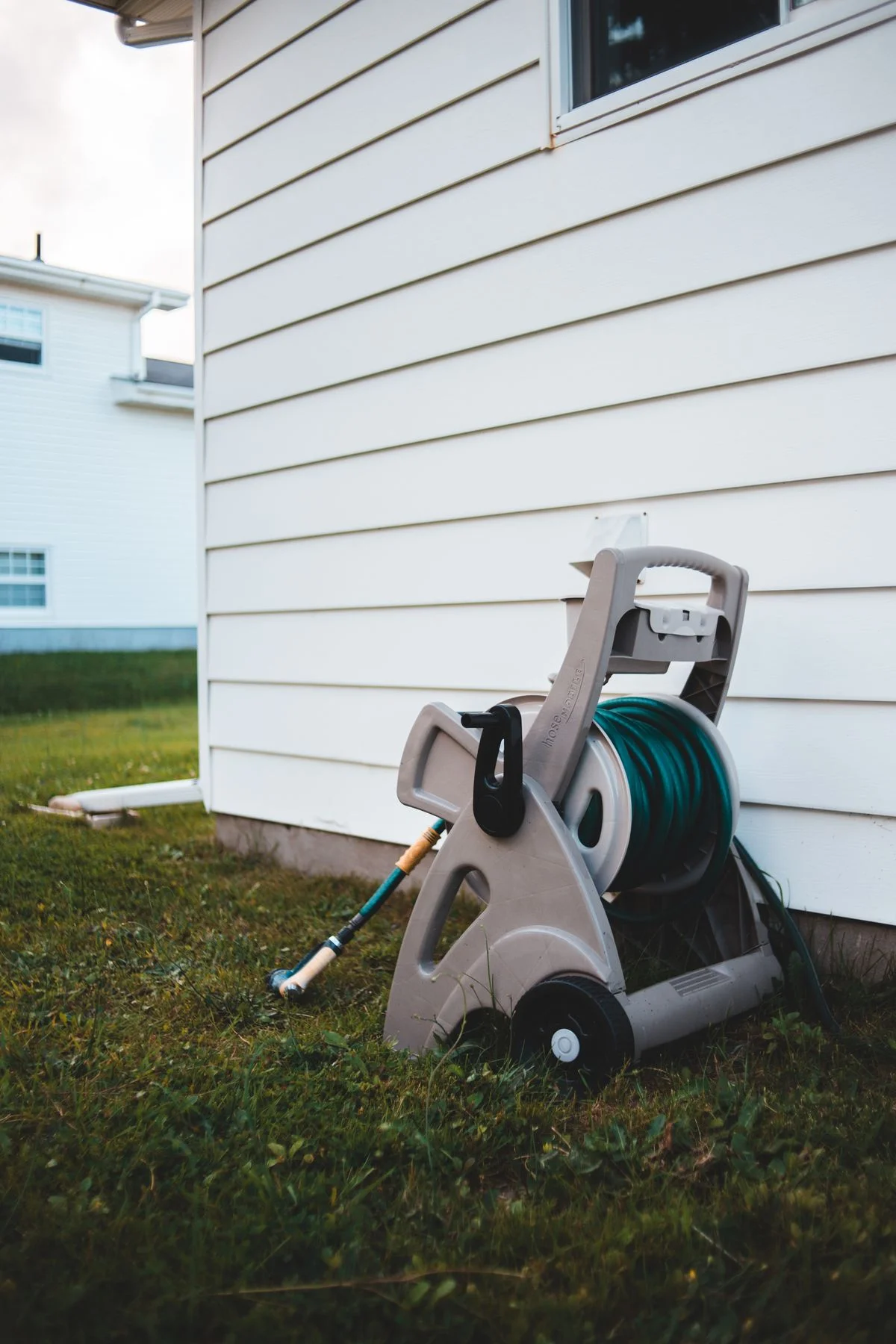
Fit a hose reel and a small wash-down area at the edge of the carport for muddy boots, bikes and garden tools. A wash station keeps mud out of the house and the car, and the carport roof makes it usable even in light rain. Tip: Add drainage or a gravel strip so wash water never pools under the car.
Fit a hose reel with a length that reaches the whole car and the garden beds nearby, and add a simple trigger nozzle with adjustable spray for cars, boots and tools. A gravel strip or a shallow drainage channel beneath the wash area stops muddy water pooling, and a wall-mounted brush and bucket hook keep cleaning tools together. Rinse the area after washing, since dried mud and soap residue make the next wash messier than it needs to be.
16. Create a Potting Corner
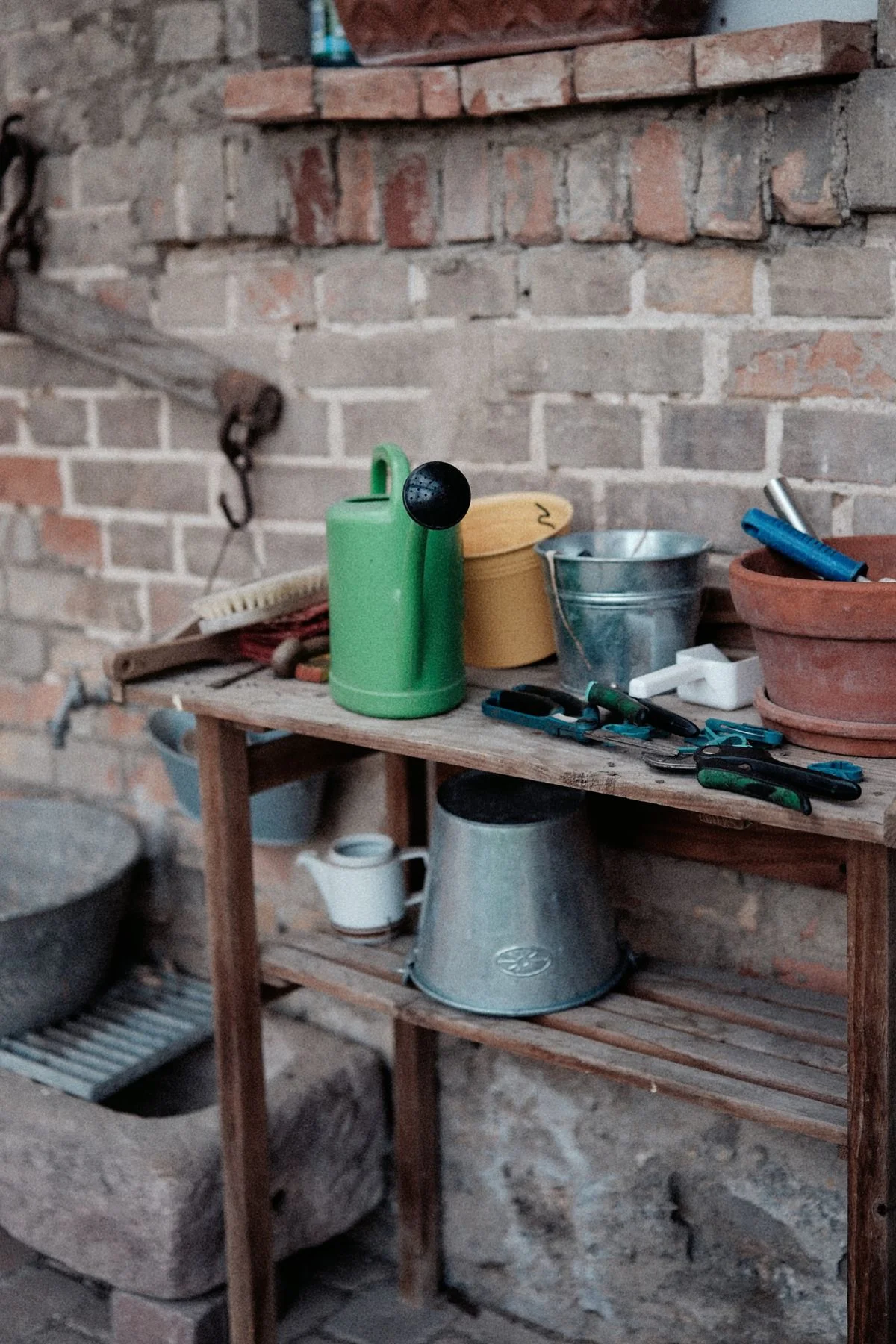
Set a small potting bench in a sheltered carport corner with pots, soil and hand tools stored in a weatherproof box beneath. A potting corner uses the carport’s shelter for garden jobs, and it keeps soil and pots out of the garage and kitchen. Tip: Sweep the corner after potting, and store soil sealed to keep it dry.
Choose a bench height that suits standing work, roughly waist height, and keep the surface clear except for the current project. Store soil in sealed bins beneath the bench and hand tools in a lidded box, so rain driven under the roof edge cannot soak them. Label pots by size on a small shelf, since hunting for the right pot wastes more potting time than any other part of the job.
Evening Comfort and Seasonal Touches
The finishing touches make a carport inviting after dark and through the seasons, without major building work.
17. Add Solar Path and Post Lights
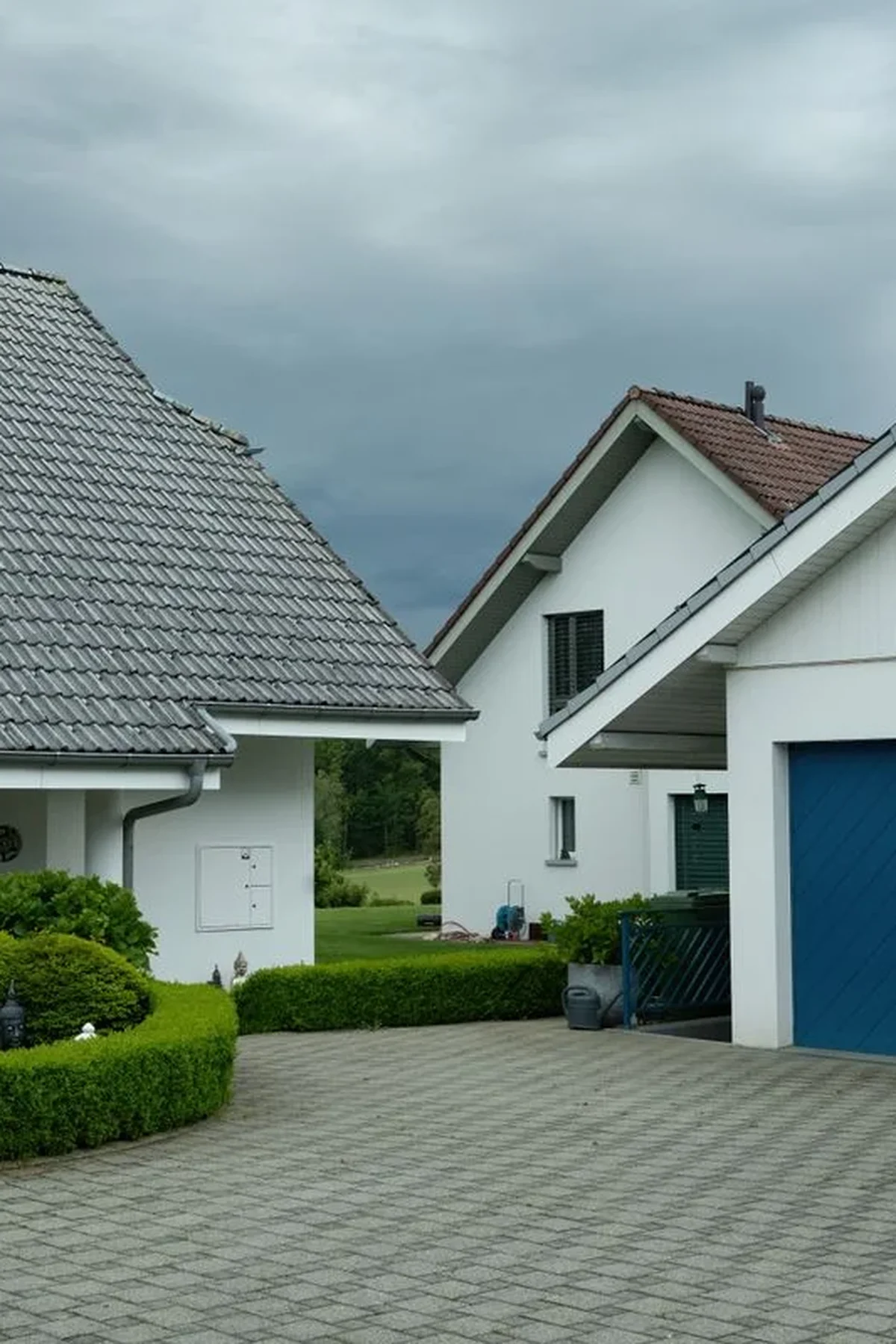
Place solar lights along the driveway edges and on carport posts for gentle, cost-free evening light. Solar lights improve safety and looks at once, guiding feet and cars while making the carport glow warmly after dark. Tip: Position panels where they catch daytime sun, and clean them a few times a year.
Place solar lights where their panels catch at least six hours of direct sun, which usually means the driveway edge rather than under the roof overhang. Space them evenly, about two metres apart, so the light guides rather than glares, and choose warm-white lights for a welcoming glow instead of harsh blue-white. Clean the panels with a damp cloth a few times a year, since dust and pollen can halve their charging power.
Check the lights after winter, when short days and low sun leave batteries weakest, and replace rechargeable batteries every couple of years rather than the whole fitting. Pair path lights with one or two post lights at the carport entrance, which mark the structure’s corners for drivers reversing in at night. Avoid placing solar lights where car headlights shine directly on them, since the sensor may dim them at the wrong moment.
18. Hang a Weatherproof Storage Bench
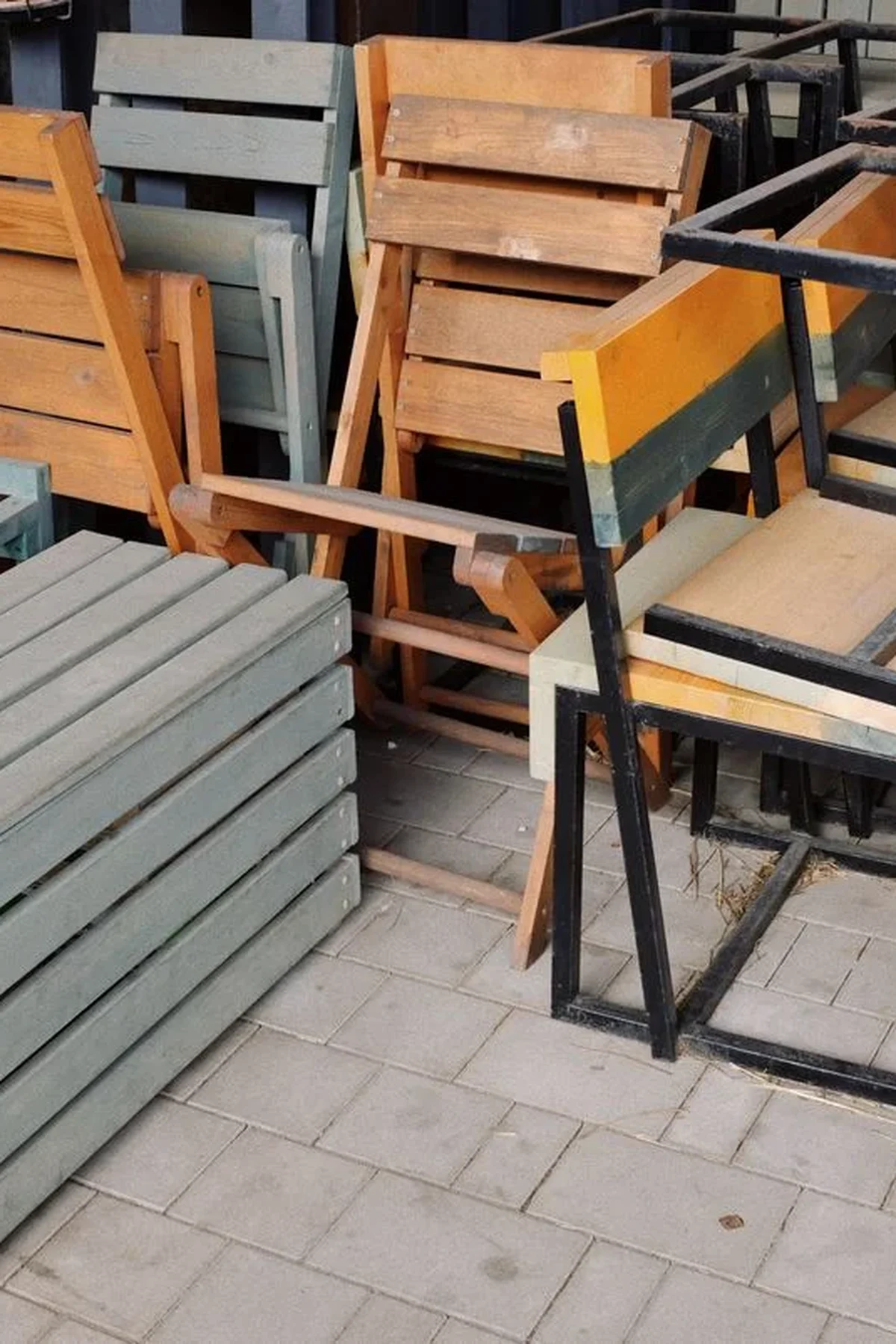
Add a weatherproof storage bench for cushions, outdoor toys and car-cleaning supplies, with a comfortable seat on top. A storage bench hides everyday clutter while adding seating, which is exactly what a multi-use carport needs. Tip: Choose a bench with a sealed lid and drainage, and keep heavy items at the bottom.
Size the bench to the items it must hide, such as seat cushions, outdoor toys and car-cleaning bottles, and measure the largest cushion before buying. A bench with a sealed lid and drainage holes in the base stays dry inside, while a slatted seat dries quickly after rain. Keep heavy items at the bottom and cushions on top, so lifting the lid does not mean unpacking the whole bench.
19. Mount an Outdoor Fan for Summer
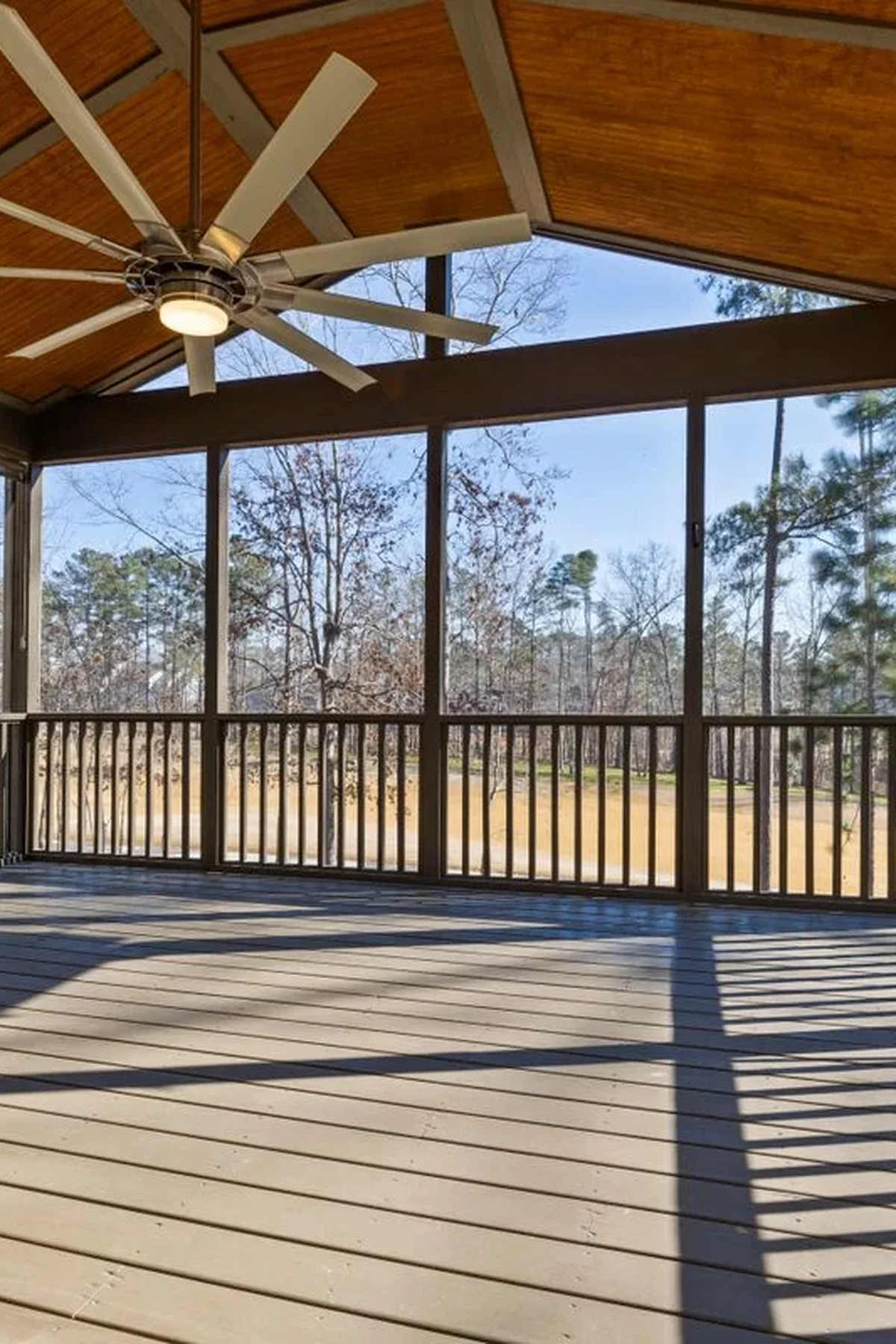
Mount a weather-rated outdoor fan from a carport beam to move air on hot, still summer days. A fan makes shaded seating genuinely comfortable in summer, because moving air cools far better than shade alone. Tip: Use a fan rated for damp outdoor locations and a proper outdoor electrical fitting.
Check the beam can carry the fan’s weight and movement before mounting, and use an outdoor-rated fan with sealed bearings designed for damp locations. Mount it high enough to clear heads and car doors, and wire it through a proper outdoor-rated fitting with a wall switch inside. Run the fan on a low speed for background air movement rather than full blast, which cools the seating area without blowing dust and leaves across the table.
20. Add Wind Screens for Comfort

Fit clear or slatted wind screens on the windward side, blocking gusts while keeping light and views. Wind screens extend the usable season of a carport, since wind is often what drives people indoors even on sunny days. Tip: Fix screens securely and check them after storms for loose fittings.
Fix screens to posts or a frame rather than hanging them loosely, since a loose screen rattles, tears and can blow onto the car in a storm. Clear acrylic screens preserve light and views but need regular cleaning to stay transparent, while slatted timber screens offer privacy and airflow with less glare. Check fixings after high winds and tighten any bolts before the next storm, since a screen that fails in a gale can damage the car it was meant to shelter.
21. Style It for the Seasons

Swap a few seasonal touches, such as a wreath, lanterns or potted colour, to keep the carport looking fresh all year. Seasonal styling keeps a carport from looking forgotten, and small swaps are far easier than a full redecoration each season. Tip: Store seasonal items in one labelled box so swaps take minutes, not hours.
Keep seasonal styling to a small set of swappable pieces, such as a wreath on a hook, two lanterns and a pair of planters, so the change takes minutes. Store off-season pieces in one labelled box on the storage bench, and rotate planters with seasonal colour rather than buying new pots each time. Avoid fragile decorations near the car path, where a knocked lantern or a falling wreath can scratch paintwork.
How to Choose the Right Ideas for Your Space
Start by standing at the street and looking at the carport as a visitor would, noting what looks cluttered, dark or bare. Measure the parking area with the car in place, doors open, so seating and planters never block getting in and out. Choose one seating idea and one lighting idea first, since those two changes create the outdoor-room feeling fastest, then add planting and practical screens. Use weatherproof materials throughout, keep walkways and car doors clear, and favour movable pieces over fixed ones, so the carport can switch back to full parking duty whenever you need it.
Frequently Asked Questions
Can I use my carport as an outdoor living space?
Yes, as long as the car can still park safely and walkways stay clear. Movable seating, rugs and lights let the space work as both parking and an outdoor room, switching back in minutes.
How do I make a carport look nice from the street?
Add planters along the edges, tidy bin screens, warm lighting and a clear pathway. These four touches usually transform curb appeal without any building work.
What plants work well around a carport?
Choose hardy plants suited to your sun and shade, such as grasses, lavender, small shrubs and climbing vines on posts. Keep plants low near the car path and prune vines away from lights and gutters.
Is it safe to have seating under a carport?
Yes, with movable, weatherproof furniture and clear escape routes. Keep fire bowls and barbecues outside the roofed area, never under it, and keep the car path and doors unobstructed.
Your carport already has shade, shelter and a solid floor, so it is closer to a lovely outdoor space than you might think. Start with seating and light, add plants and one practical screen, and the space will earn its keep in every season. Pin this guide and save your favourite carport outdoor ideas, so you can build your outdoor room one easy weekend project at a time.
Photos: Pexels (free to use).


