
Sapiosexual Meaning: Attraction to Intelligence, Signs & FAQs
A sapiosexual is someone who is sexually or romantically attracted to highly intelligent people, with intelligence as the primary trigger for attraction. Merriam-Webster defines the term as “of, relating to, or characterized by sexual or romantic attraction to highly intelligent people.”
In plain language: for a sapiosexual, attraction switches on through the mind, not the eyes. A sharp question, an unexpected insight, the way someone reasons through a problem, these are the things that create the spark. A brilliant conversation can genuinely feel more exciting than any conventional marker of physical attraction. The word is young, the debate around it is lively, and the psychology underneath it is more interesting than the label itself.
It is pronounced sap-ee-oh-SEK-shoo-ul. Cambridge lists it as both a noun (a countable one, so “a sapiosexual” and “sapiosexuals” both work) and an adjective, and notes the variant form sapiophile.
What Does “Sapiosexual” Mean?
Sapiosexual means finding intelligence to be the most attractive trait in a person, to the point where it drives sexual and romantic interest. WebMD describes it as being “sexually attracted to highly intelligent people, so much so that they consider it to be the most important trait in a partner.” Cambridge puts it more simply: “If what attracts you most about people is their intelligence, then you might be considered sapiosexual.”
The key word in every definition is most. Plenty of people like smart partners. For someone who identifies as sapiosexual, intelligence is not a nice bonus on top of chemistry. It is the chemistry, and without it, attraction does not get off the ground.
Where Did the Word Come From?
The word is built from Latin parts. Merriam-Webster traces it to sapiens, meaning “rational, wise, having sound judgment,” joined with -sexual on the model of heterosexual and homosexual. The dictionary’s first known use of the term dates to 2004, which makes it barely old enough to vote.
It stayed obscure for a decade, then went mainstream around 2014, when the dating platform OkCupid added “sapiosexual” as a selectable orientation. That single product decision put the word in front of millions of daters and turned a niche self-description into a recognized label almost overnight.
What Sapiosexual Attraction Actually Feels Like
Ask people who use the label and the descriptions sound strikingly physical. WebMD quotes the pattern well: sapiosexual attraction is “all about what is happening inside your partner’s mind,” and a person “might get sexually aroused just by having an intellectual conversation or talking about new ideas.” The brain, in this framing, does the heavy lifting for attraction instead of the eyes.
Writers have reached for vivid lines to capture it. ELLE’s astrologers called conversation “the aphrodisiac” for sapiosexual types, and a Variety film review described “an intense sapiosexual attraction” between characters, both examples collected by Merriam-Webster. In practice, it looks like this: deep discussion generates more excitement than looks, respectful disagreement feels stimulating rather than threatening, and losing interest in a physically attractive partner who cannot hold a conversation is a familiar experience.

Sapiosexual vs Demisexual vs Pansexual vs Asexual
This is where most confusion lives, because these terms answer different questions. The comparison below follows the breakdown in Neurolaunch’s psychology guide to sapiosexuality.
| Term | What triggers attraction | Formally recognized? | Can it overlap with others? |
|---|---|---|---|
| Sapiosexual | Intelligence and intellectual engagement | No | Yes |
| Demisexual | A deep emotional bond, formed over time | Not formally, but widely used | Yes |
| Pansexual | Attraction regardless of gender | Increasingly, yes | Describes gender scope, so it layers with the rest |
| Asexual | Little to no sexual attraction to others | Yes | Yes (romantic orientation can vary) |
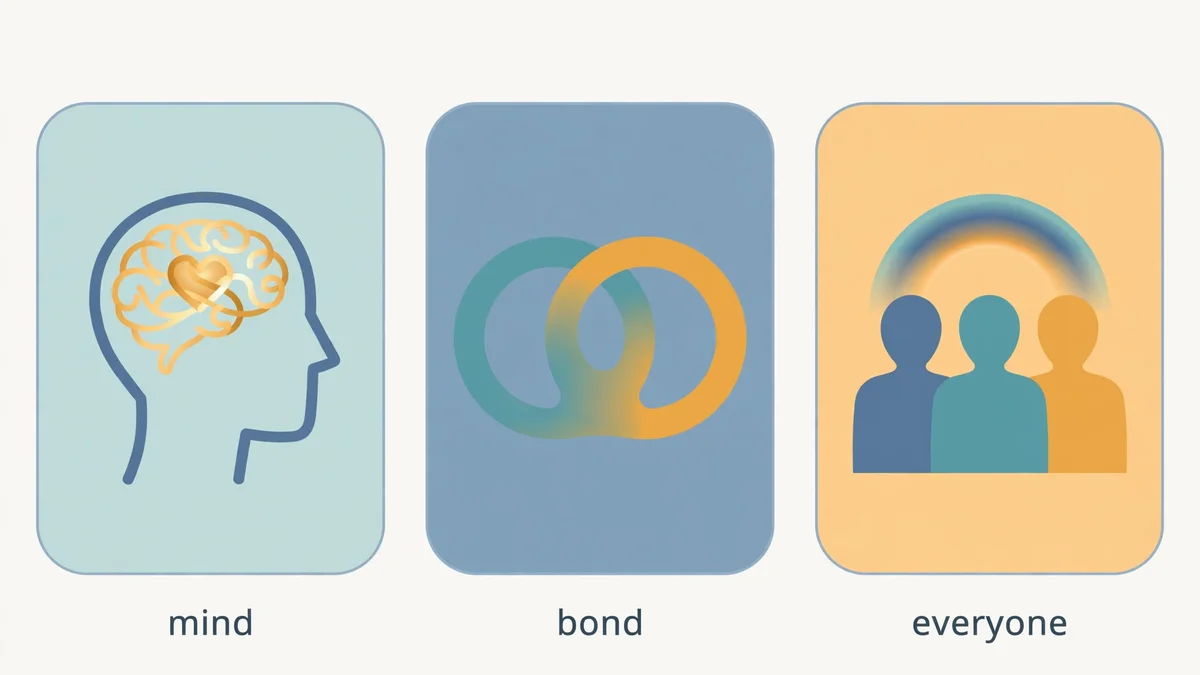
The useful distinction is what versus who versus when. Sapiosexuality answers what triggers attraction: intelligence. Pansexuality answers who: people of any gender. Demisexuality answers when: only after a deep emotional bond forms. A demisexual person might eventually feel attraction to someone kind, funny, or thoughtful once the bond exists. A sapiosexual person might feel the spark the moment someone says something genuinely brilliant, with no emotional runway required. And the labels layer: a person can be heterosexual and sapiosexual, bisexual and sapiosexual, or aromantic with a sapiosexual streak.
The Psychology Behind It
Sapiosexuality is not a clinical diagnosis, and no major psychology manual lists it. But the preference underneath it is one of the most documented in attraction research. Neurolaunch’s survey of the literature reports a landmark study of more than 10,000 people across 37 cultures in which intelligence and education ranked among the top desired traits in a long-term partner nearly everywhere, regardless of economic development. Being drawn to a sharp mind is not fringe behavior. It is close to universal.
Evolutionary psychologists have a theory for why. One influential proposal holds that human intelligence itself evolved partly as a sexually selected trait, the mental equivalent of a peacock’s tail: cognitive ability is expensive to build and hard to fake, so wit and insight function as honest signals of overall fitness. Brain imaging research adds a mechanical piece: stimulating conversation and novel ideas activate dopamine-driven reward circuitry, the same regions involved in romantic love and arousal, and for some people that response to mental stimulation appears especially pronounced.
Then comes the twist that keeps researchers honest. A 2018 psychometric study found that self-identified sapiosexuals did not actually rate objectively smarter people as more attractive than everyone else did. What set them apart was how heavily they weighted intelligence when explaining their own attraction. In other words, it may be less about superhuman genius-detection and more about which trait a person consciously prioritizes when deciding what draws them to someone. That does not make the experience less real. It just locates it more precisely.
Is Sapiosexuality a Real Sexual Orientation?
This is the liveliest debate around the word, and WebMD lays out the positions fairly. Three camps exist. Some claim sapiosexuality as a genuine sexual orientation, and certain dating apps let users identify that way. Others call it a strong preference dressed up in orientation language. Still others describe it as a fetish, specifically for intelligence. WebMD’s honest summary: “the ultimate meaning of sapiosexuality depends on the intention of the person using the word.”
The strictest objection is definitional. Traditional orientation categories, heterosexual, homosexual, bisexual, are built around gender: they answer who someone is attracted to. Intelligence is not a gender, so by that definition sapiosexuality cannot be an orientation. The counterargument is experiential: if an orientation is a stable, involuntary pattern that shapes who a person can feel desire for, with intelligence as a necessity rather than a preference, then sapiosexuality starts to look a lot like one.
There are also sharper criticisms. Some LGBTQ+ advocates argue that claiming the label is an inappropriate bid for queerness from people who are not marginalized the way other orientations are. Others call the identity ableist or elitist, saying it devalues people with different mental abilities or overvalues Western education and IQ while ignoring other forms of intelligence. Defenders respond that it is about relationship compatibility, not a judgment of anyone’s worth, and that intelligence itself comes in many flavors. Neither side disputes that the attraction pattern feels real to the people reporting it.
Signs You Might Be Sapiosexual
There is no test for this, and no quiz can certify it. But certain patterns show up again and again among people who use the label for themselves, collected here from Neurolaunch’s summary of survey data and clinical observation:
- Conversation is the main event. Deep discussion generates more excitement than physical touch or good looks.
- Attraction builds slowly. Interest grows as intellectual depth reveals itself, rather than hitting all at once.
- Boredom is the dealbreaker. You lose interest in physically attractive partners who cannot hold a conversation.
- Debate feels exciting. Respectful disagreement reads as stimulating, not threatening.
- Credentials do not impress you. Genuine curiosity outweighs degrees and job titles.
- Mental stimulation is non-negotiable. Romantic interest fades without ongoing intellectual engagement.
One honest self-check belongs here, and it is the most valuable paragraph in this guide. A 2018-style finding aside, critics raise a fair point: when “I am sapiosexual” quietly becomes “I only date people with the right degree,” the label stops describing an attraction pattern and starts filtering for status. A person with a PhD can be intellectually incurious, and a person with no formal education can be relentlessly sharp. Valuing curiosity and depth of thought is one thing. Fetishizing credentials is another, and that is where sapiosexuality curdles into the elitism its critics describe.
Dating as a Sapiosexual
The practical picture has upsides and costs. On the upside, several dating apps now let users identify as sapiosexual, which makes the preference legible instead of awkward to explain. Research on long-term relationships consistently finds intellectual compatibility among the strongest predictors of how well couples communicate and resolve conflict. And because the attraction does not hinge on appearance, these connections can age gracefully: curiosity and humor deepen over decades in a way that looks cannot.
The costs are real too. When intellectual spark is a prerequisite, plenty of kind and compatible people never generate the click, which can mean longer stretches of being single and creeping doubt about whether the bar is unreasonably high. If you date this way, lead with substance: long-form profiles, real opinions, actual curiosity about the other person. And remember WebMD’s relationship advice, which applies regardless of orientation: if your partner does not share the intensity of your intellectual interests, both people have to work together to make sure everyone’s needs get met.
Frequently Asked Questions
What does sapiosexual mean in simple terms?
It means being attracted to intelligence above everything else. For a sapiosexual, a person’s mind is the main thing that creates romantic and sexual interest.
Is sapiosexual a real sexual orientation?
It depends on the definition you use. Traditional orientation categories are built around gender, which would exclude it. But many people experience it as a stable, involuntary attraction pattern, and some dating apps recognize it as an orientation option. Psychologists remain split.
What is the difference between sapiosexual and demisexual?
They answer different questions. Sapiosexuality is about what triggers attraction (intelligence); demisexuality is about when attraction becomes possible (only after a deep emotional bond forms). A person can be both.
How do you know if you are sapiosexual?
There is no test. People who use the label typically report that conversation excites them more than looks, that boredom kills attraction fast, and that intellectual engagement feels necessary rather than optional for desire.
Can you be straight and sapiosexual?
Yes. WebMD notes that both LGBTQ+ people and heterosexual people identify as sapiosexual. The label describes what triggers attraction, and it layers on top of orientations that describe who you are attracted to.
Why is sapiosexuality controversial?
Critics argue it appropriates the language of marginalized orientations, and that it can shade into ableism or elitism by overvaluing certain kinds of intelligence. Defenders say it describes a genuine attraction pattern and a compatibility need, not a judgment of worth.
What is the opposite of sapiosexual?
There is no established antonym. The word describes a specific attraction pattern, not one end of a spectrum, so nothing in the dictionaries sits directly opposite it.
Further Reading and Sources
- Merriam-Webster’s entry on sapiosexuality, with the definition, Latin etymology, and 2004 first known use
- Cambridge Dictionary’s entry for sapiosexual, with pronunciations and the variant form sapiophile
- WebMD’s guide to sapiosexuality, medically reviewed, covering the orientation debate and the SapioQ research
- Neurolaunch’s psychology of intelligence attraction, with the comparison table, research survey, and the 2018 study findings
Related:
Solace Meaning: Definition, Examples, and How to Use It
Linklater Meaning: Surname Origin, the Filmmaker, the Voice Method & More
Demisexual Meaning: Signs, Attraction, Dating, and Flag Explained
Platonic Meaning: What It Means in Love and Relationships
Celibate Meaning: Simple Definition, Relationships, and Key Differences