
20 New Years Eve Dinner Party Ideas for a Candlelit Table of Eight 2026
Eight guests, one long table and a room lit only by candles: that is the whole magic of a New Year’s Eve dinner party. No loud music, no buffet queue, just a slow meal where everyone can see each other’s faces and hear every story. Hosting eight is a particular pleasure, because the table is full enough to feel festive and small enough for one real conversation. These 20 New Years Eve dinner party ideas for a candlelit table of eight will help you set a table that glows, serve a menu worth lingering over, and keep the evening warm until midnight.
Setting a Candlelit Table for Eight
The table is the centerpiece of the night, so set it first and let everything else follow. Candlelight forgives a plain room, flatters every guest and makes even simple plates look elegant.
1. A Long Table Set for Eight
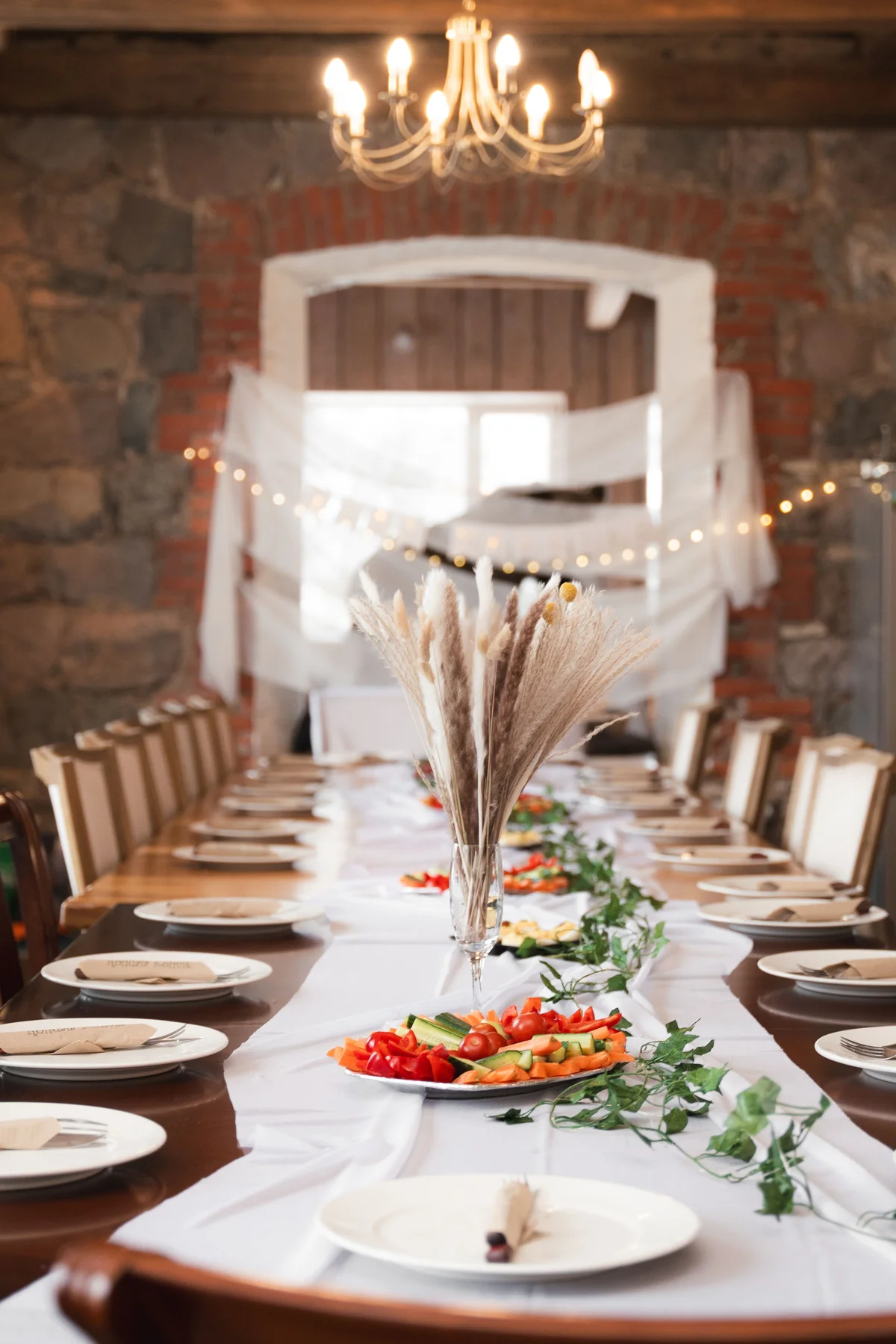
A single long table beats two small ones for eight guests, because everyone shares the same conversation and the same candlelight. If your dining table seats six, add a sturdy extension or push a console table against one end, then cover the join with a full-length tablecloth. Check that each place has about sixty centimeters of elbow room, or the evening will feel cramped by the main course.
Set the table completely before guests arrive, including water glasses and bread plates, so you are free to greet people instead of rushing. A long table also makes serving easier, because dishes can travel down the middle family-style. When the room is small, keep the chairs simple and matching, and skip a bulky centerpiece that blocks sightlines across the table.
2. Taper Candles in Mixed Heights
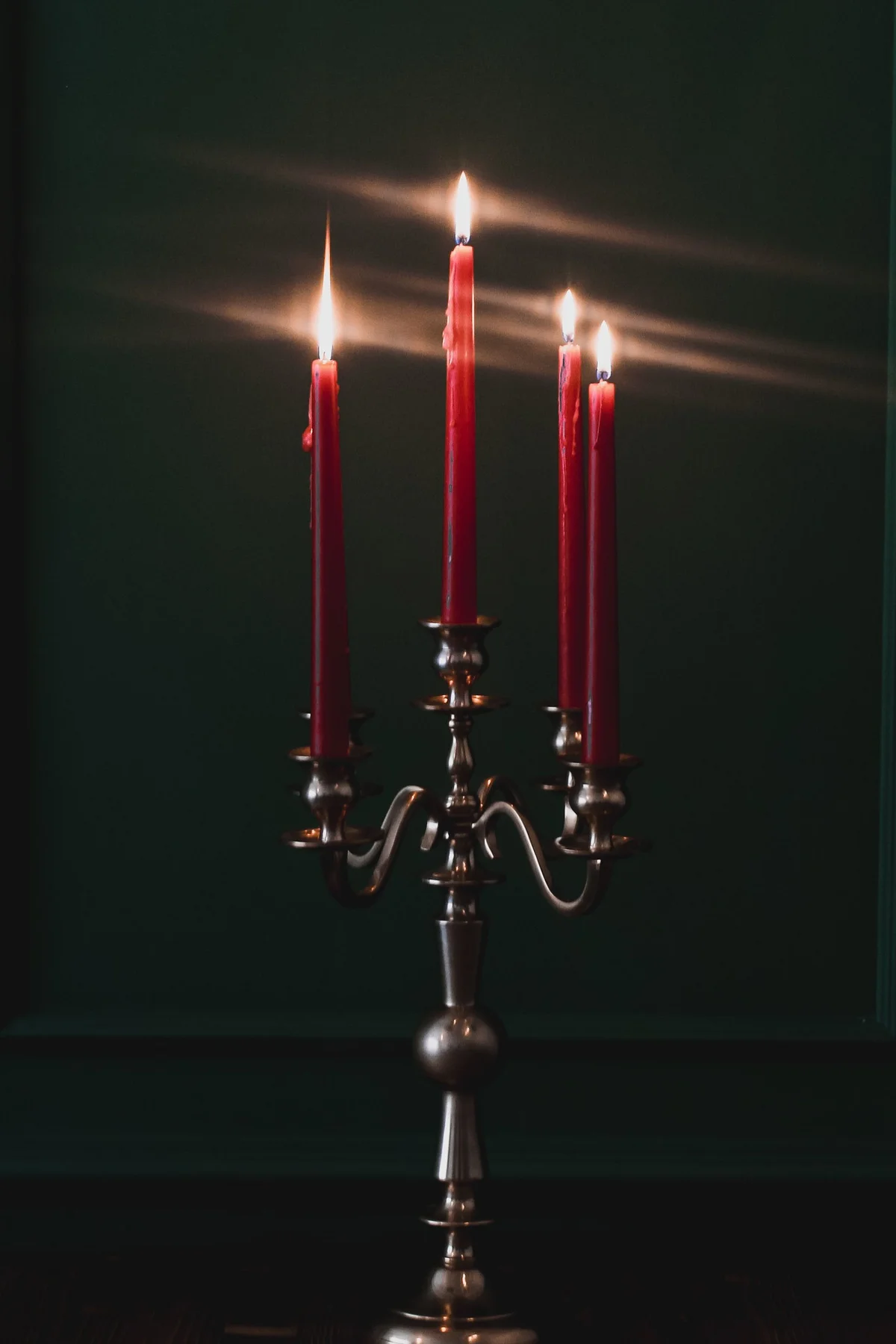
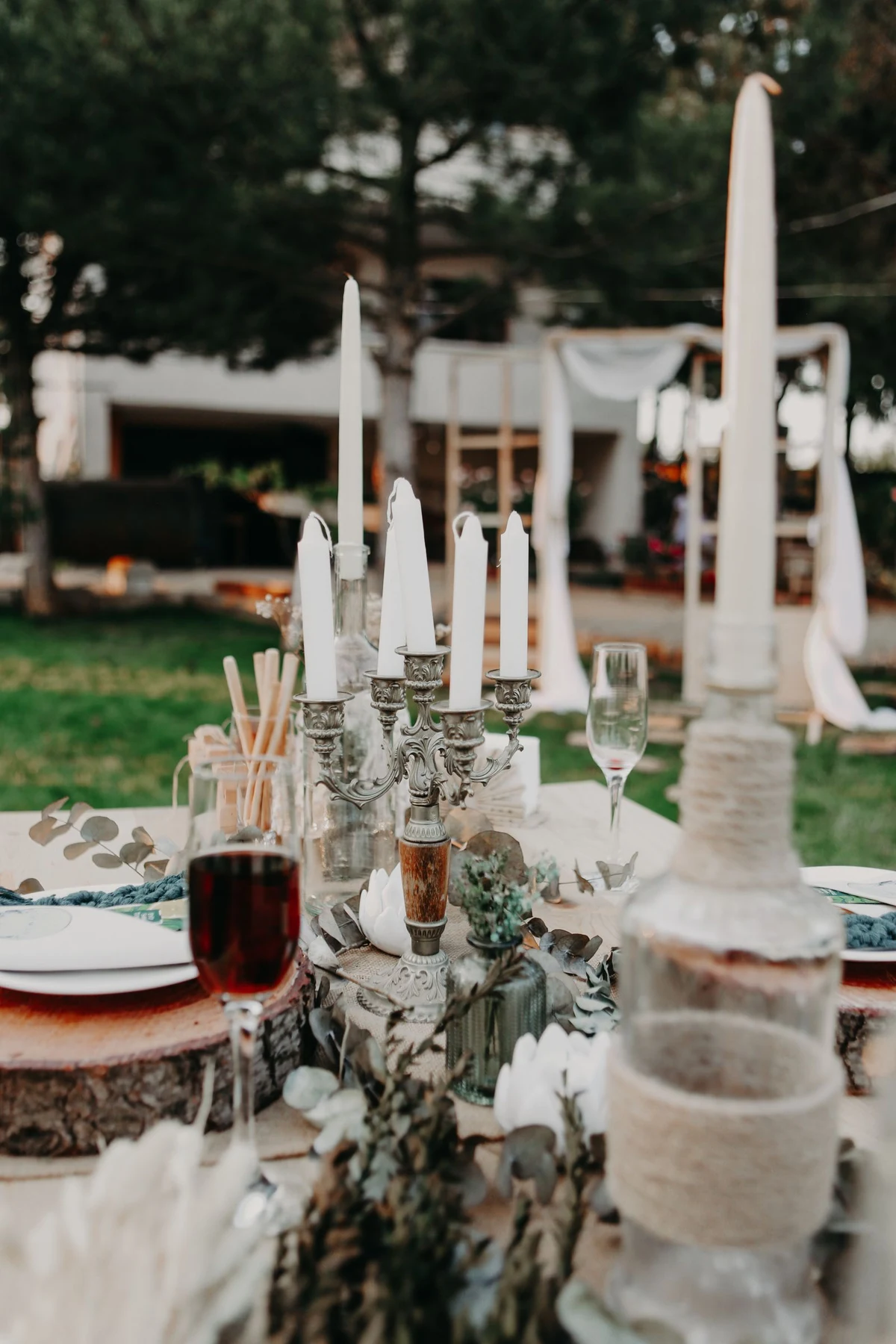
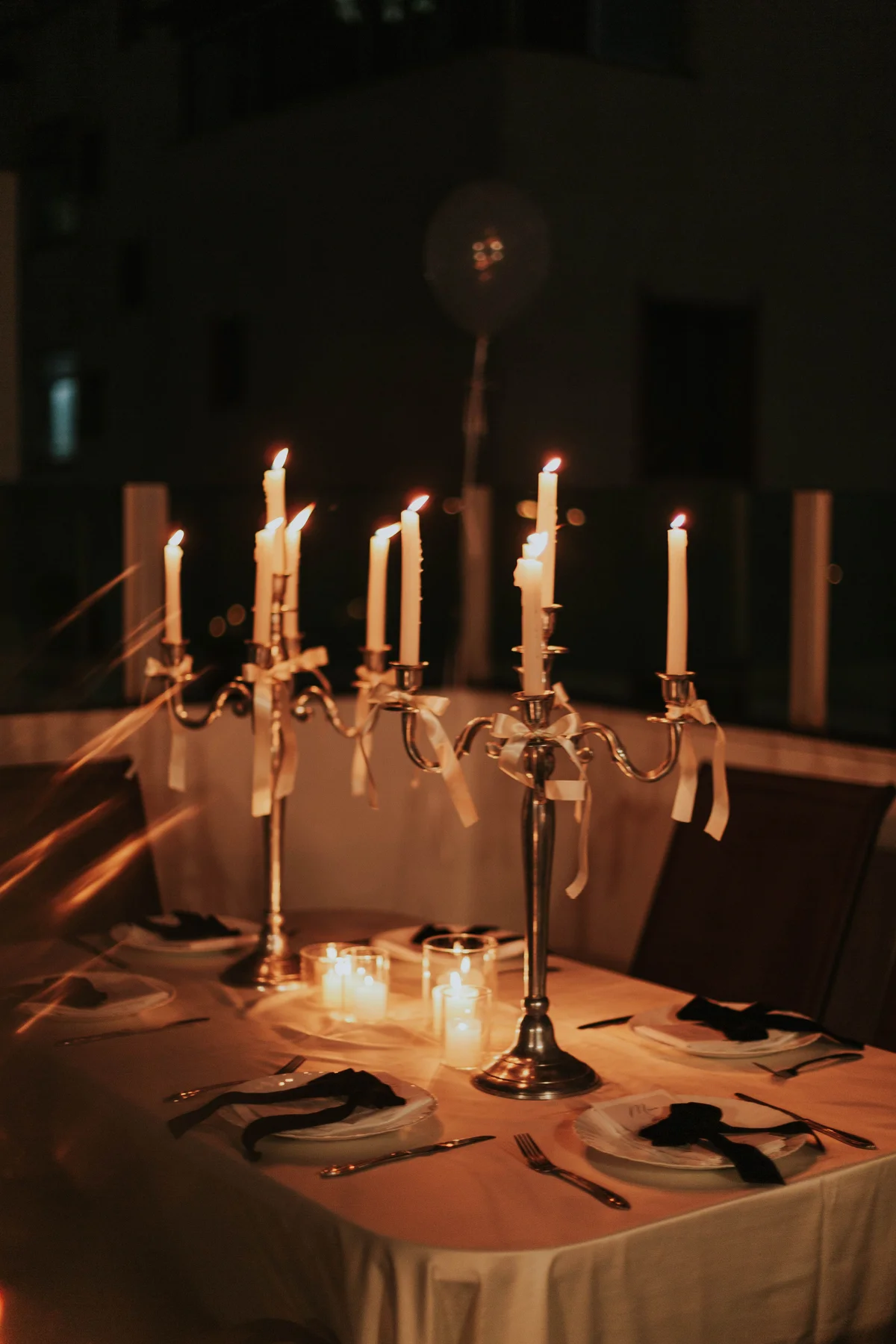
Taper candles are what make the table feel candlelit rather than simply dim. Mix three heights along the center of the table, tallest in the middle and shorter toward the ends, so the light rises and falls like a skyline. Choose unscented candles so their fragrance never competes with the food, and use steady holders with a wide base that will not tip if someone reaches across.
Light the candles just before guests sit down, not an hour earlier, so they burn evenly through the meal. Keep a lighter and two spare candles close by in case one burns down or blows out. Drip-free tapers are worth the small extra cost, because wax on a linen tablecloth is a stain nobody wants to deal with on New Year’s Day.
3. A Low Seasonal Runner Down the Middle
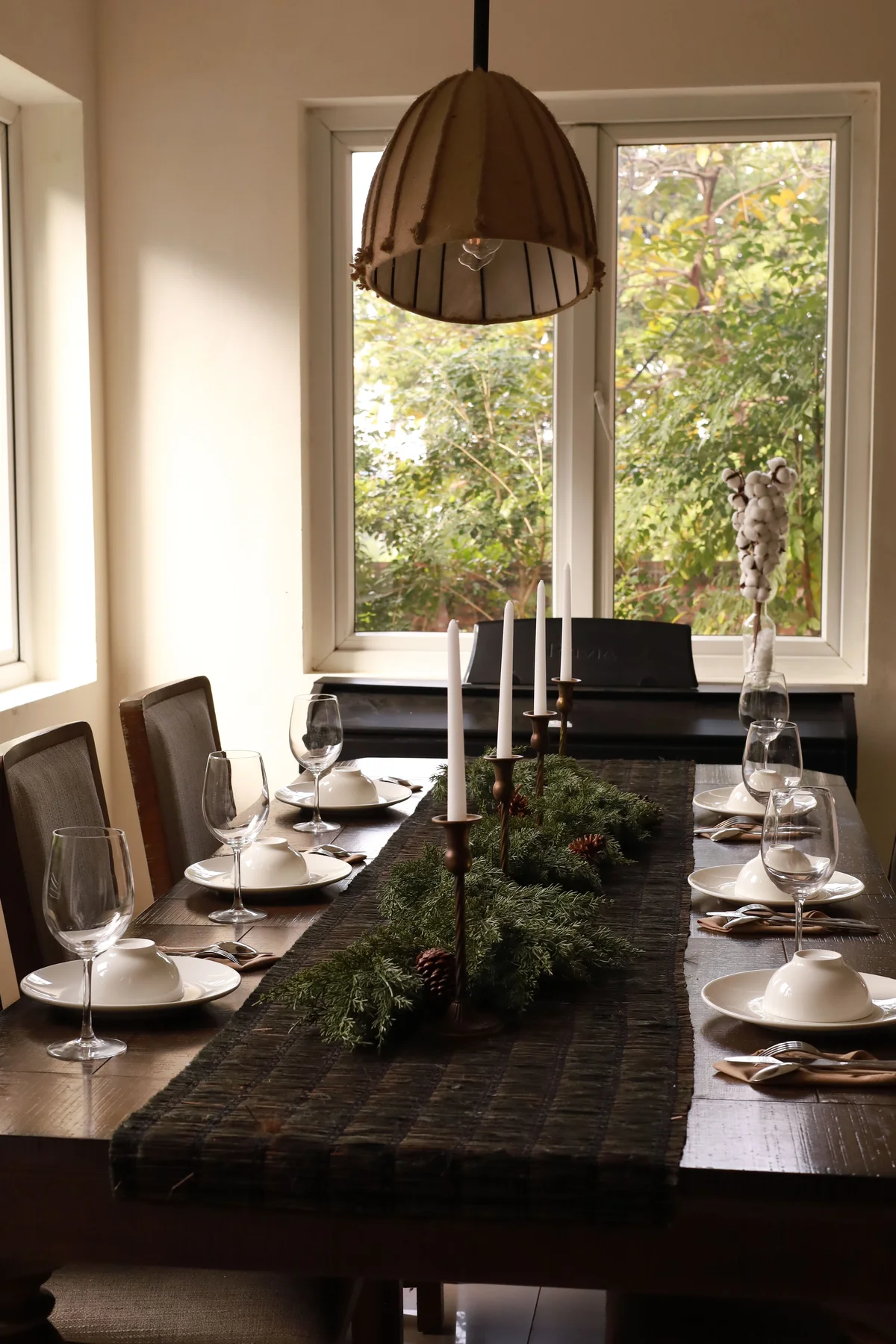
A runner gives the table a finished look and protects the surface from hot dishes and spilled wine. Lay a linen or cotton runner down the center, then build a low line of seasonal decoration on top of it: pine cones, small sprigs of evergreen, dried orange slices and a few metallic ornaments. Keep everything below fifteen centimeters high so guests can see each other over it.
Leave clear space at intervals along the runner for serving dishes, or the decoration will be pushed aside the moment the food arrives. A runner in a deep green, burgundy or charcoal suits candlelight far better than white, which glares under a bright flame. Iron it before laying it out, because creases show clearly in candlelight.
4. Place Cards with a Personal Note
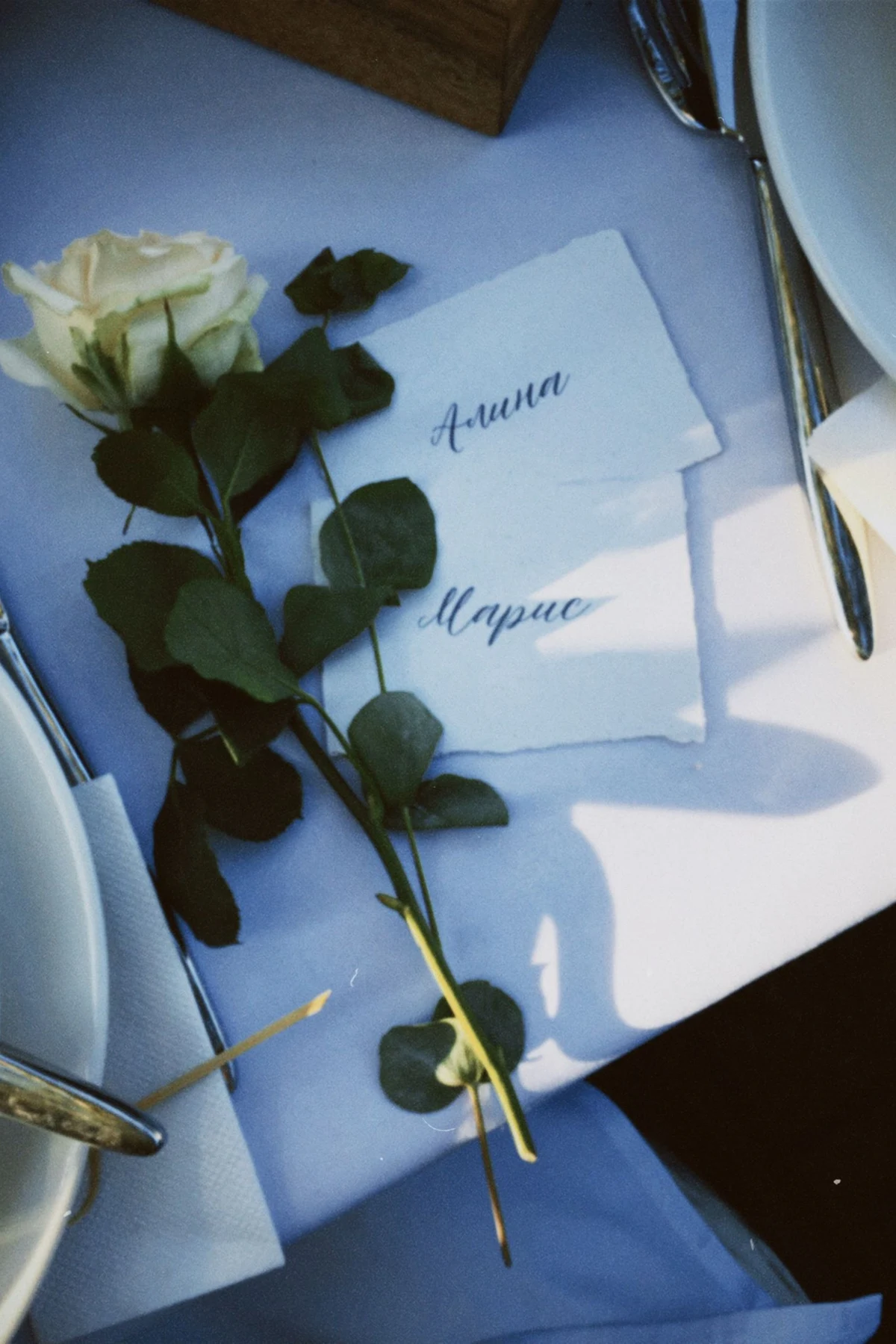
Place cards do more than mark seats: they tell each guest they were expected and thought about. Write each name by hand on thick card, then add one short line underneath, such as a shared memory or a reason you are glad they came. The note takes a minute to write and guests will keep the card long after the night ends.
Use the seating plan to mix old friends with new ones, placing confident talkers beside quieter guests. Lean each card against a glass or tuck it into a folded napkin so it stands upright. If you are unsure of a surname spelling, use first names only; a misspelled card is worse than a simple one.
5. Linen Napkins, Folded and Ready

Cloth napkins are a small detail that changes how the whole table feels. Choose linen in a deep, candle-friendly color and fold each one simply, either in a rectangle across the plate or rolled and tied with a sprig of rosemary. A simple fold always looks better than an ambitious one that collapses before the first course.
Press the napkins the day before so the folds hold their shape, and place one at every setting even if you plan a casual evening. Cloth napkins also save you from paper napkins blowing about when the door opens. If you only own four matching napkins, buy four more in a second color and alternate them down the table for a deliberate, collected look.
A Menu Worth Lingering Over
A candlelit dinner should move slowly, course by course, so the meal itself becomes the entertainment. Cook what you can prepare ahead and serve what you can share.
6. A Slow First Course, Served in Small Bowls
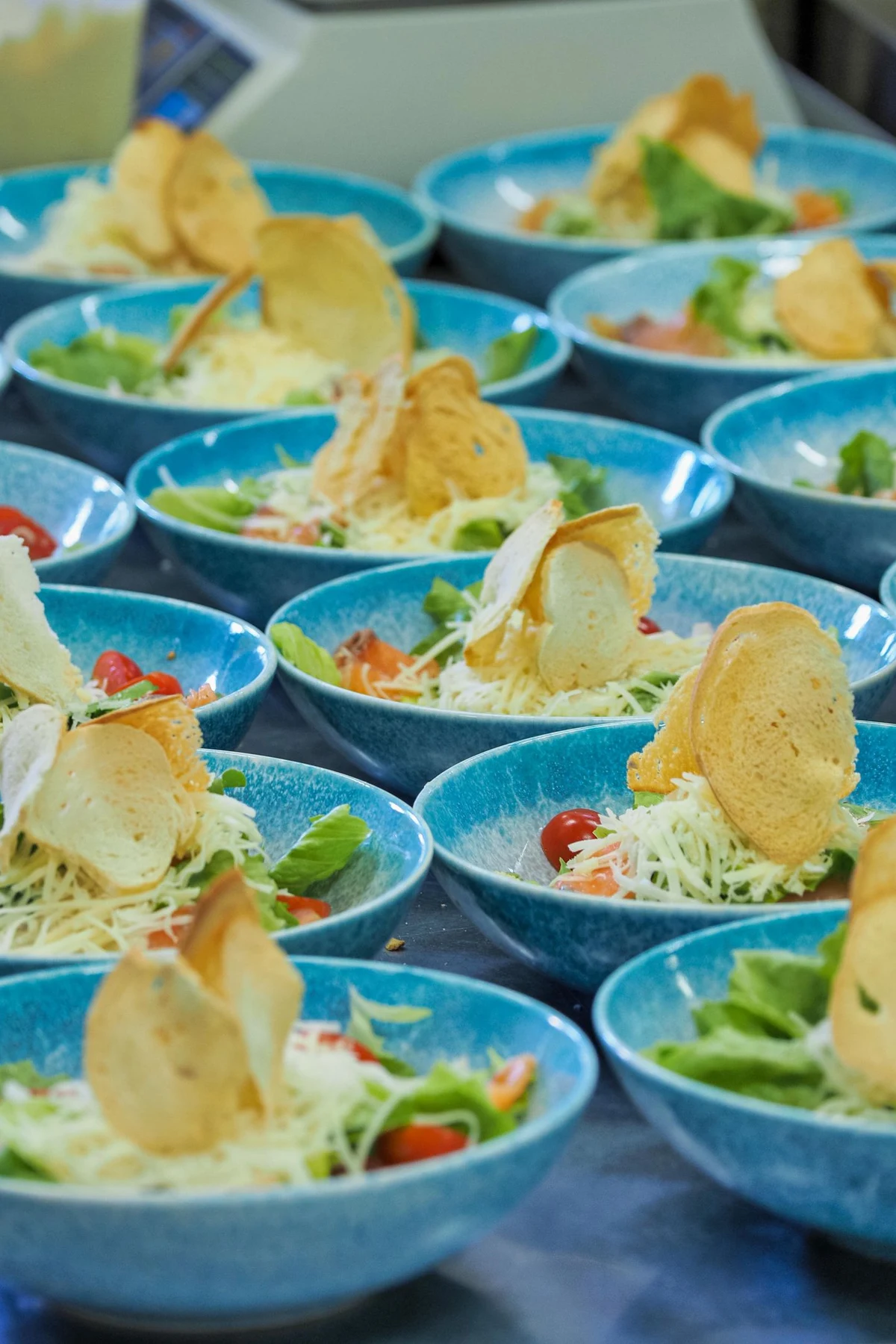
Begin with something warm and small, such as a smooth soup or a little salad, served in identical bowls for all eight guests. Individual portions feel generous without filling anyone up, and matching bowls make the table look considered from the first moment. A roasted squash soup or a simple leek and potato soup can be made the day before and reheated gently.
Serve the first course only after everyone is seated and has a drink, so the meal starts together. Keep the portions modest, because a heavy first course ruins the appetite for the roast. A drizzle of cream and a few toasted seeds on top are enough garnish; the candlelight does the rest of the work.
7. A Roast Main, Carved at the Table
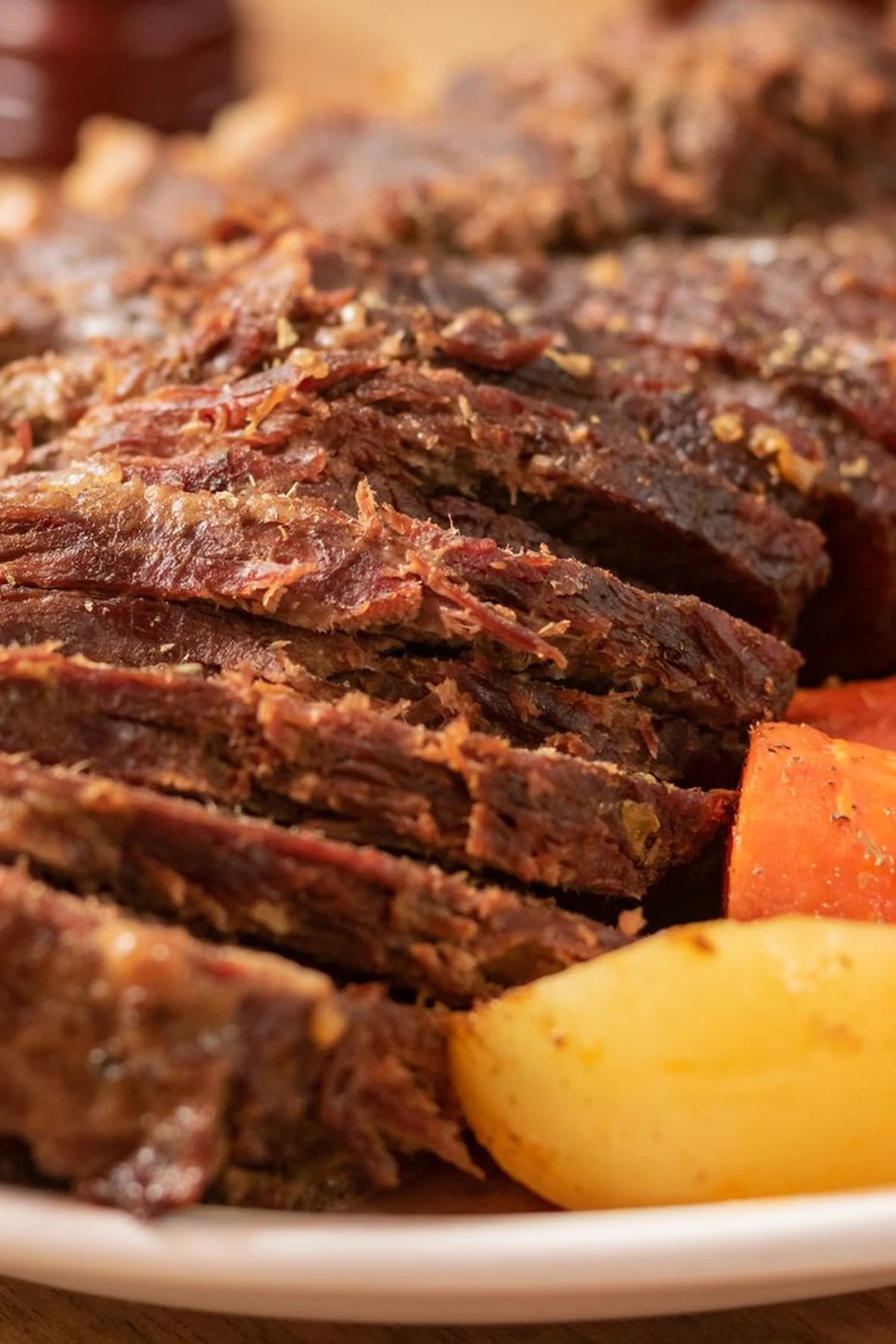
A roast carved at the table is the most theatrical moment of the evening, and eight guests is exactly the right number for it. Rest the meat for at least twenty minutes before carving, then bring it to the table on a warm platter with the carving knife and fork already in place. Carve slowly and let guests watch, because the pause builds anticipation better than any announcement.
Choose a roast that carves easily, such as a turkey crown, a beef fillet or a whole salmon for a lighter table. Serve the vegetables family-style in warm bowls passed down the table, so guests take what they like. Keep the carving board steady on a damp cloth, and have a spare platter ready for the carved slices.
8. A Cheese Course Before Dessert
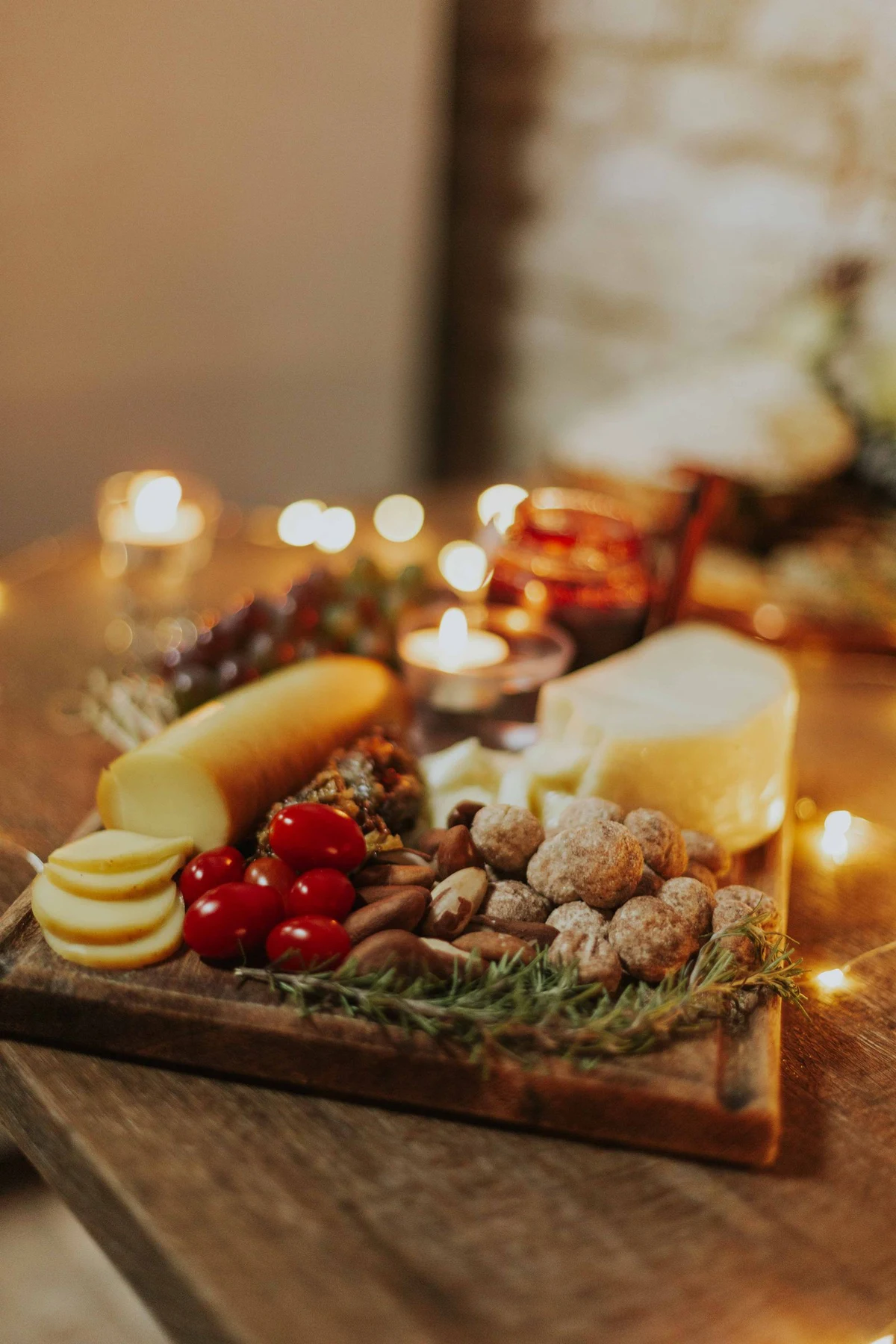
A cheese course gives the evening a natural pause between the main and dessert, and it keeps guests at the table talking. Offer three cheeses with different characters: one soft, one hard and one blue, with oatcakes, grapes and a little honey alongside. Three is enough for eight guests, and more only creates waste and decision fatigue.
Take the cheese out of the fridge an hour before serving so it reaches room temperature and tastes like itself. Place the board in the center of the table and let guests help themselves while you clear the main plates. A cheese course also buys the cook a quiet ten minutes to plate dessert without leaving the table awkwardly empty.
9. A Chocolate Dessert by Candlelight
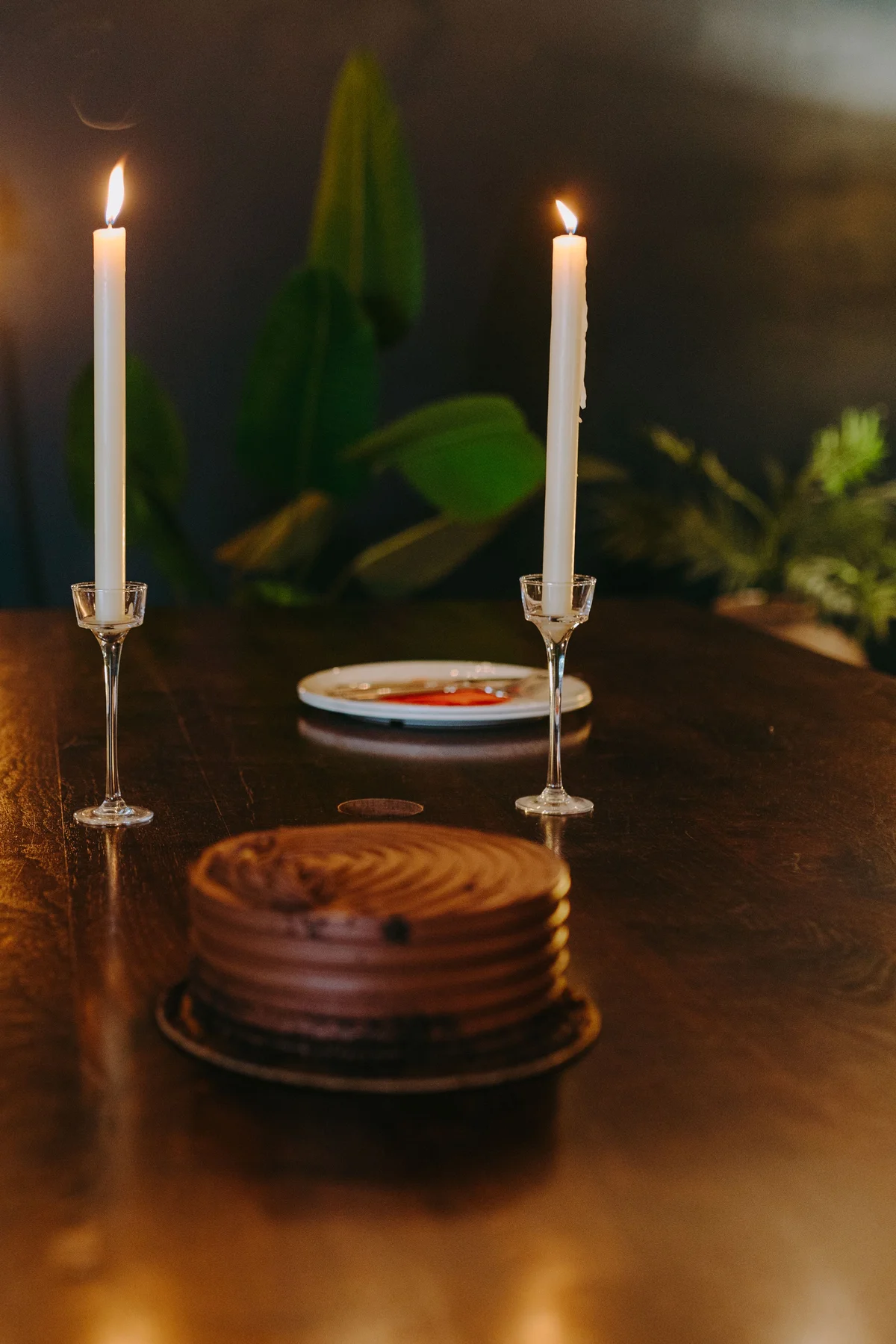
End with chocolate, because nothing else suits candlelight quite so well. A flourless chocolate cake, a pot of chocolate mousse or a tray of fudge cut into small squares all work beautifully for eight, since they can be made ahead and served at room temperature. Small portions are better than large ones after a long meal, and a little salt on top makes the chocolate taste richer.
Serve dessert with coffee or a small glass of dessert wine, and keep the candles burning while you eat it. The table looks its best at this point in the night, with the plates mostly cleared and the flames reflected in the glasses. If you want a flourish, add a sparkler to the cake for the midnight moment instead of a second dessert.
10. A Signature Cocktail on Arrival
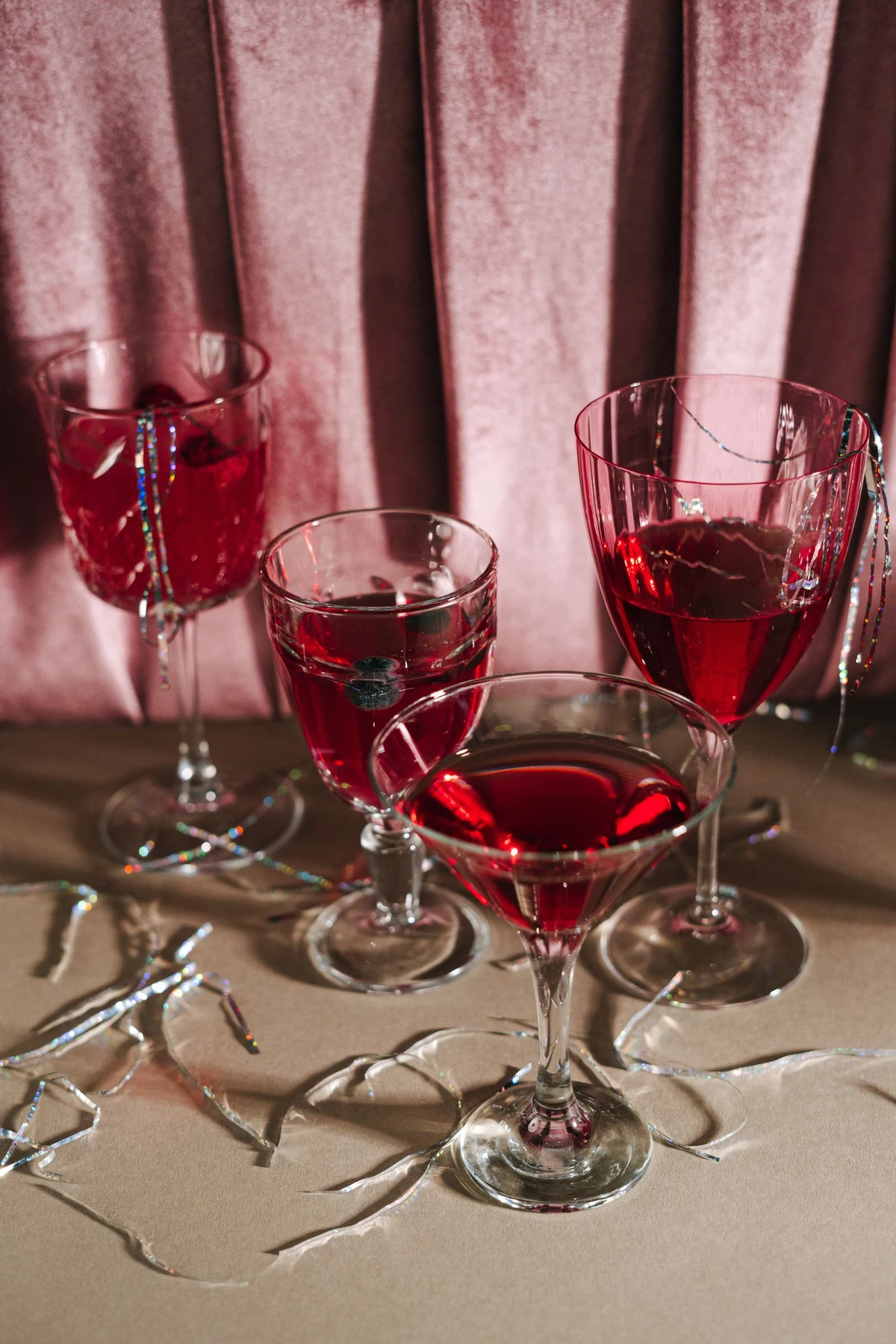
Greet each guest with the same signature cocktail and the evening starts with a shared ritual. Choose one drink you can batch in a jug, such as a cranberry and gin spritz or a spiced pear cooler, and garnish every glass the same way. A single welcome drink is easier than taking eight separate orders, and it gives early guests something to hold while they settle.
Mix the base an hour before arrival and add the sparkling element at the last minute so it stays lively. Always offer the same drink without alcohol, made with the same garnish, so nobody feels singled out. Keep the welcome drink light, because the wine pairings and the midnight toast are still to come.
Atmosphere and Conversation
With the table set and the menu planned, the evening belongs to the room itself: the light, the sound and the people. These ideas keep the atmosphere warm without stealing attention from the guests.
11. Wine Pairings Poured in Small Rounds
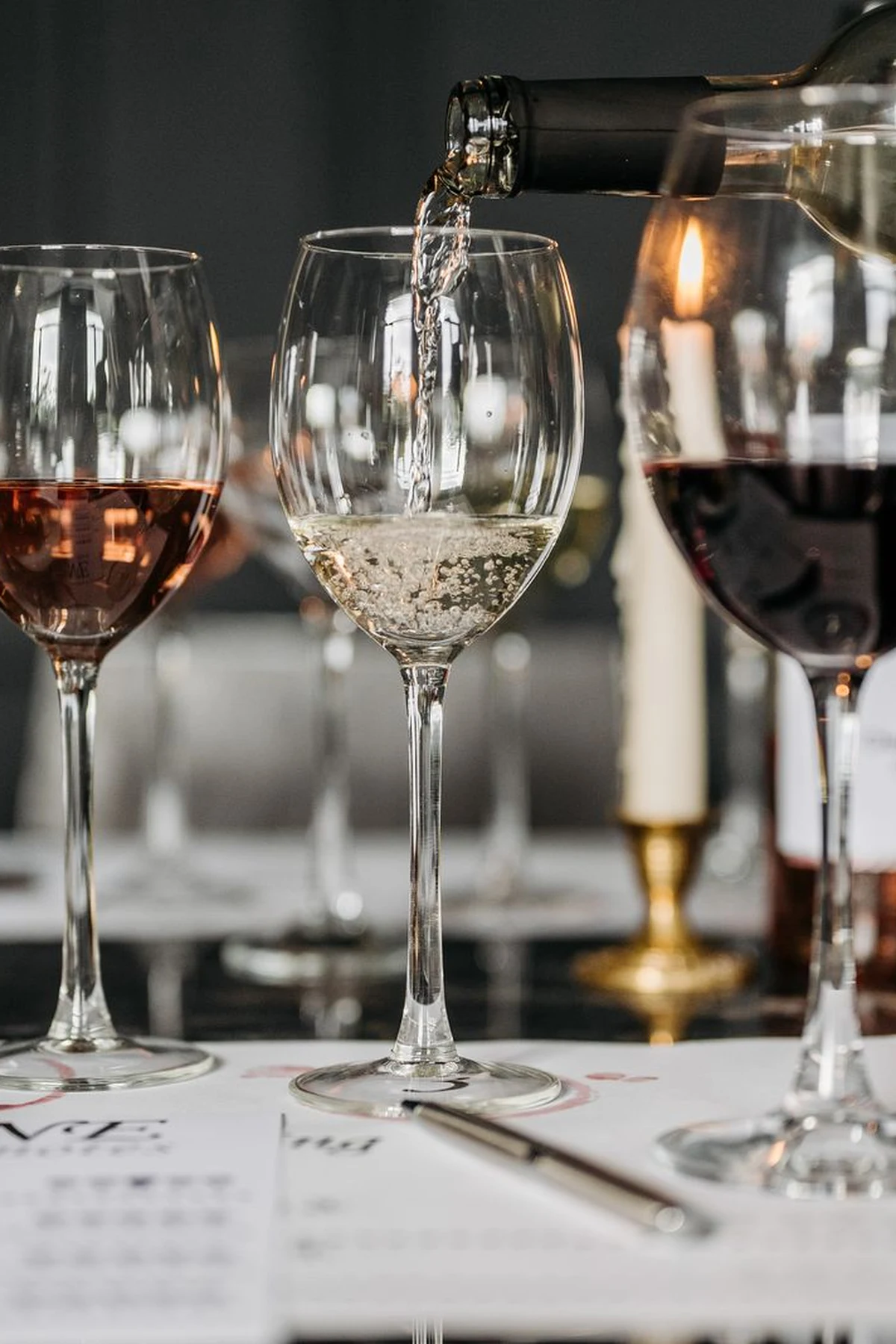
Pour wine in small rounds matched to each course, rather than leaving bottles on the table for guests to help themselves. A light white with the first course, a red with the roast and a sweet wine with dessert gives the meal a clear shape, and small pours keep everyone comfortable through a long evening. About half a glass per course is the right amount.
Introduce each wine in one sentence as you pour it, naming the grape or the region and why it suits the dish. You do not need expensive bottles; a thoughtful pairing at a fair price impresses guests far more than a famous label. Keep water glasses full at all times, and have a non-alcoholic pairing ready for guests who are not drinking wine.
12. Dimmed Lights and One Statement Chandelier
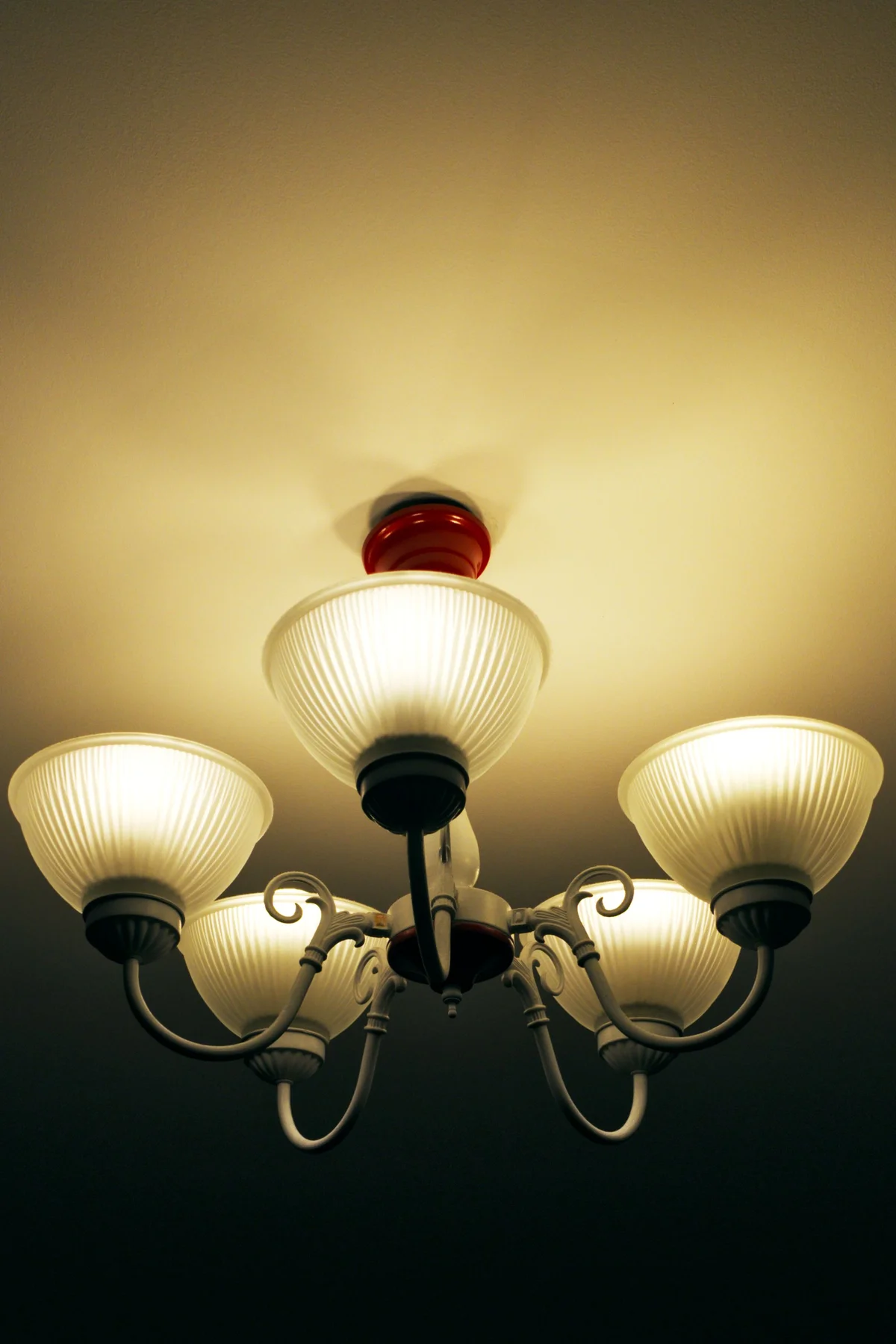
Dim the overhead lights until the candles do most of the work, and let one statement light above the table provide the rest. A chandelier on its lowest setting, or a pendant with a warm bulb, gives the room a single glowing center that pulls every eye toward the table. The rest of the room can stay in soft shadow, which makes the space feel intimate.
Test the lighting the night before with the candles lit, because a room that looks dim at seven can feel dark by ten. Keep a small lamp in the hallway and the kitchen so guests can move safely between rooms. Warm bulbs matter more than bright ones; anything above a soft amber tone will flatten the candlelight you worked so hard to create.
13. Keep the Conversation Flowing at the Table
Eight guests can share one conversation if the host guides it gently, and the best tool is a good question at the right moment. Ask the table for one story each, such as the best meal they ate this year or a small kindness someone showed them, and let the answers wander naturally. One open question per course is plenty; the conversation will take care of itself after that.
Watch for the quiet guest who has not spoken and draw them in with a direct, easy question about something they know well. If two people start a side conversation that excludes the rest, bridge it back with a question for the whole table. The host’s job is not to talk the most, but to make sure everyone at the table is heard.
14. Let the Conversation Flow Over Dinner
Tuck a small conversation card under each plate with a single question on it, and let guests read theirs aloud between courses. Good questions are specific and kind: the best thing they cooked this year, a place they would return to tomorrow, or a song that always lifts their mood. Avoid anything about work or politics, because the table should stay warm all night.
Print the cards on thick paper in a simple font, and keep the questions different at every seat so the answers stay fresh. If a guest would rather pass, let them; the cards are an invitation, not an exam. The best evenings are the ones where a single card sparks a story that runs for twenty minutes.
15. A Midnight Toast with Sparkling Wine

Keep the midnight toast simple and let the candles carry the moment. Chill the sparkling wine in advance and pour it ten minutes before midnight, so every glass is full and cold when the clock strikes. Stand together at the table rather than drifting apart, because the toast belongs to the whole group, not to separate corners of the room.
Say one short sentence about the year behind you, then raise your glass to the year ahead and to the people at the table. Keep it under thirty seconds, because nobody remembers a long speech at midnight. After the toast, let guests top up their glasses and step to a window or the door to watch the fireworks before dessert.
Hosting Eight with Ease
The last ideas are about the host, not the table. Eight guests are easy to host well when the details are decided early and the evening is allowed to breathe.
16. A Seating Plan That Mixes Old and New Friends
Seat old friends apart and new friends beside people they will enjoy, because a mixed table talks far better than a table of couples sitting together. Place your most confident guest in the middle of each side, where they can carry the conversation in both directions, and keep partners across the table rather than side by side so they meet new people too.
Draw the plan on paper two days before, and check it against what you know about your guests: who is shy, who is funny, who needs a calm neighbor. If two guests have never met, a small introduction before dinner helps enormously. A thoughtful seating plan is invisible when it works and obvious when it does not.
17. Fill the Room with Candlelight for Dessert
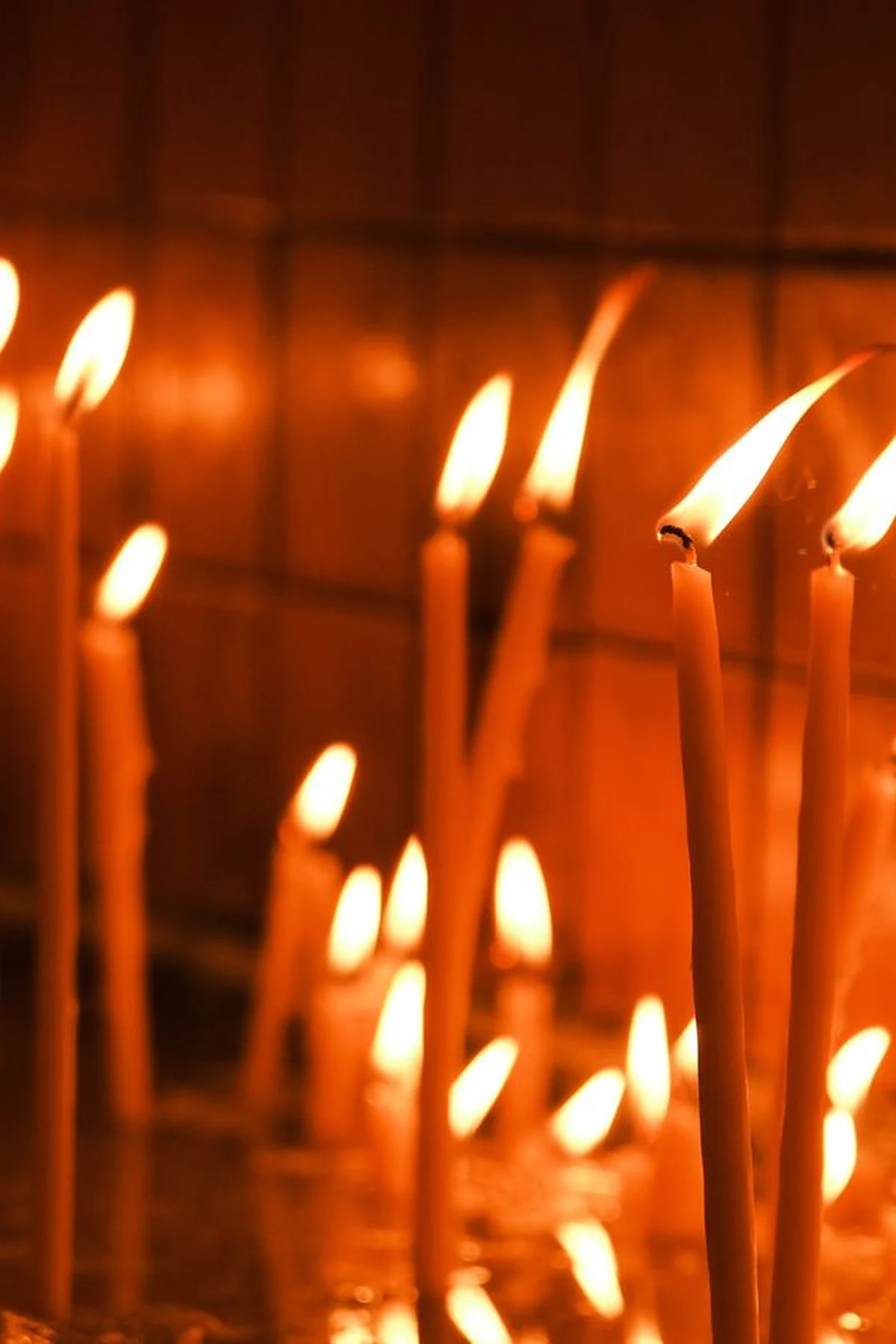
When dessert arrives, light a second round of candles around the room, not just on the table. A few candles on the sideboard, the windowsill and the mantelpiece make the whole room glow, and the table feels like the center of something larger. Use the same unscented candles as the table so the room smells of food and wine, not of competing fragrances.
Check that every candle is stable and away from curtains, paper decorations and loose sleeves before you light it. Battery candles are a safe choice for high shelves and windowsills where a real flame would be risky. The extra light costs almost nothing, but it transforms the room for the final hour of the year.
18. Fresh Flowers in Low Vases
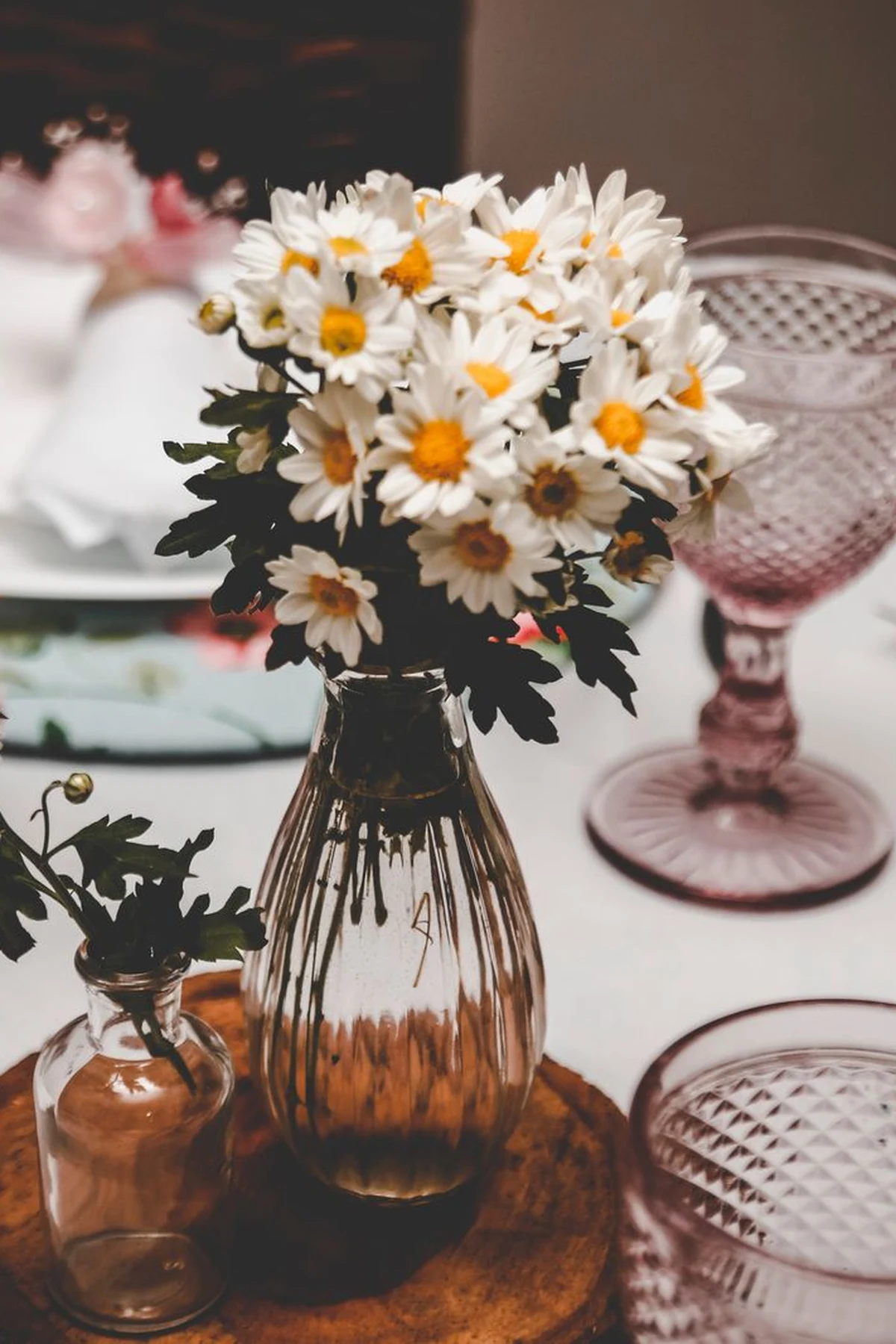
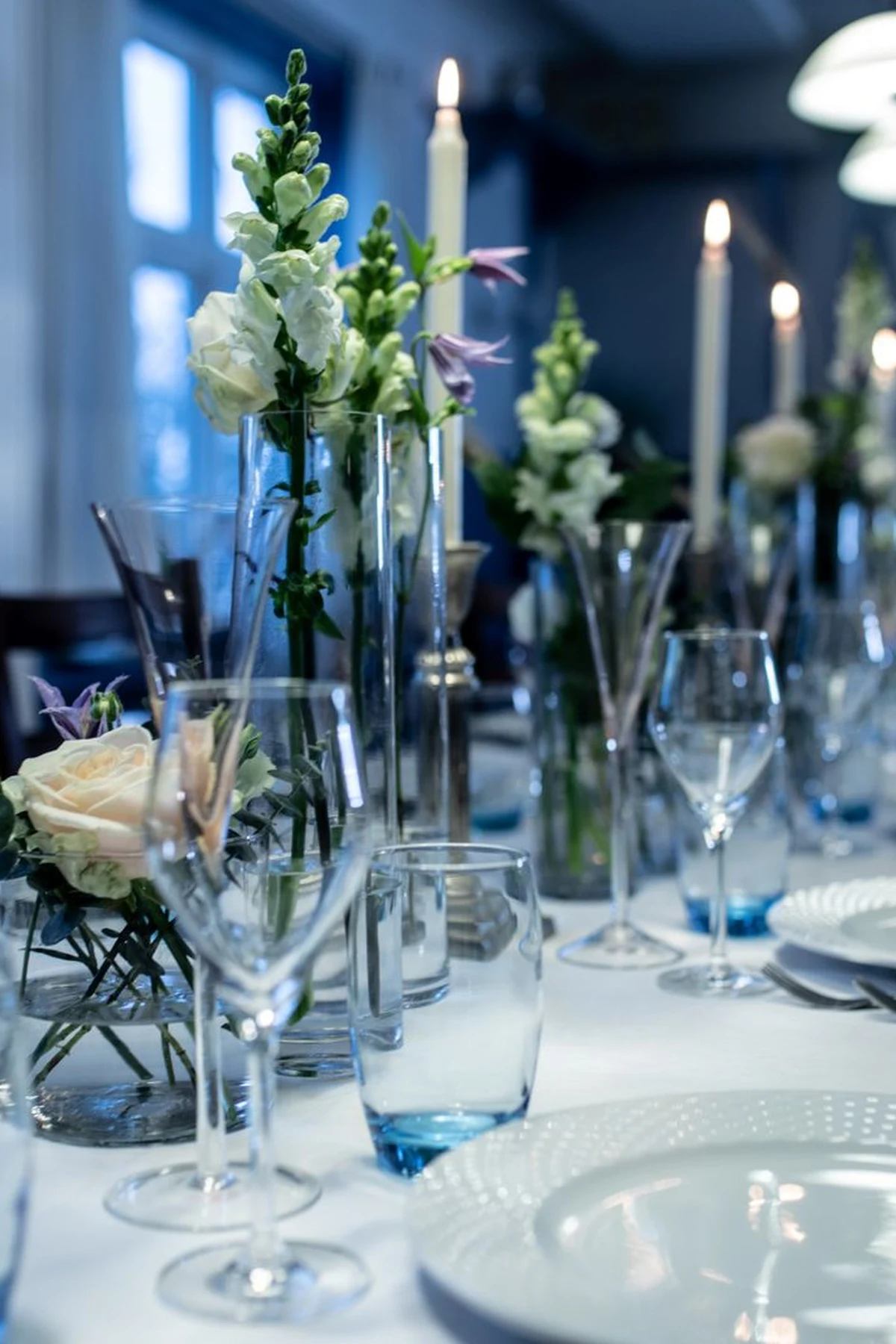
Fresh flowers soften a candlelit table in a way no ornament can, but they must stay low. Use three small vases with short stems, such as white daisies, ranunculus or garden roses, spaced along the runner between the candles. Low arrangements let guests see each other, while a tall bouquet turns the table into two separate rooms.
Buy the flowers the morning of the party and trim the stems in warm water so they stay fresh through the night. Choose blooms with little scent, because a heavily perfumed flower will fight the food. If fresh flowers are hard to find in winter, a few sprigs of evergreen and white berries in the same small vases look just as elegant.
19. Gold Cutlery Against Crisp White Plates
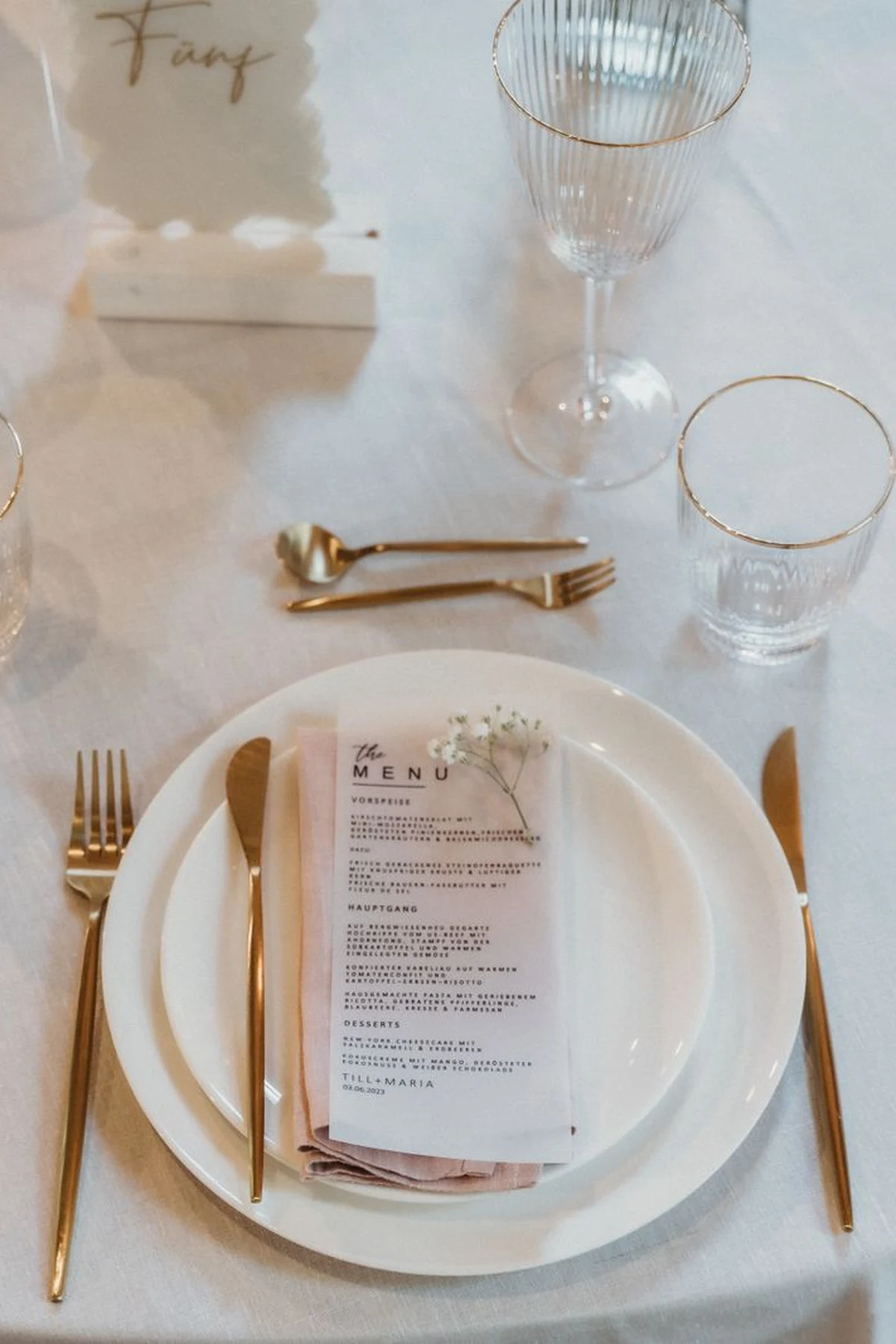
Gold cutlery against white plates is the quickest way to make a simple menu look luxurious. You do not need a full set of gold flatware; a gold fork and knife at each place, with your ordinary spoons, gives the same effect for a fraction of the cost. The warm metal catches the candlelight and makes every plate look considered before the food arrives.
Polish the cutlery the day before, because fingerprints show clearly under candlelight. Keep the plates plain white so the gold stands out, and skip patterned china that competes with the metal. If gold cutlery is not available, brass-handled serving spoons and a gold-rimmed charger plate at each setting create the same warm glow.
20. A Small Take-Home Gift for Each Guest

Send each guest home with a small gift, and the evening will be remembered long after the candles burn out. A little box with a scented candle, a few handmade truffles or a tiny jar of honey costs little and feels personal, especially when you add a handwritten tag with the guest’s name. Place the gift on each plate before dinner, so it becomes part of the table setting.
Keep the gift the same for everyone to avoid awkward comparisons, and choose something useful rather than decorative. A small candle is ideal, because lighting it at home brings the evening back. Guests will not expect a favor at a dinner party, which is exactly why it delights them so much.
How to Choose
Choose your ideas around the room you actually have, not the one you wish you had. A long table, mixed-height candles and a low runner are the essentials; everything else should serve the guests you invited. If your group loves food, spend your effort on the menu and the wine pairings. If they love talk, invest in the seating plan and the conversation cards, and keep the courses simple so nobody is stuck in the kitchen.
Do not try to do all twenty ideas in one night. Pick the table setting, two or three menu ideas and two atmosphere ideas, then let the evening breathe. A candlelit dinner for eight works when the host is at the table, not in the kitchen, so prepare everything you can the day before and keep the schedule loose.
More Party Ideas You’ll Love
- 20 New Year Table Setting Ideas for a Warm and Stylish Family Dinner
- 20 New Years Eve House Party Ideas for a Fun and Festive Night at Home in 2026
- 20 New Year Party Ideas for a Sparkling Night Everyone Remembers in 2026
- 20 New Years Eve Party Themes for a Glamorous Night to Remember in 2026
Frequently Asked Questions
How do I seat eight guests at a table for six?
Add an extension leaf or push a sturdy console table against one end, then cover the join with a full-length tablecloth. Allow about sixty centimeters per person and keep the centerpiece low, so the extended table still feels like one table rather than two pushed together.
What candles are safe to use at a dinner table?
Use unscented, drip-free taper candles in steady holders with wide bases, and keep them away from curtains, decorations and loose sleeves. Never leave a lit candle unattended, and keep a lighter and spare candles nearby. Battery candles are a safe choice for shelves and windowsills.
How much wine do I need for eight guests at dinner?
Plan roughly half a bottle per person for the whole evening, plus sparkling wine for the midnight toast. Pour in small rounds matched to each course so the wine lasts, and always keep water glasses full and a non-alcoholic option available.
Can I prepare a candlelit dinner for eight the day before?
Yes, most of it. Set the table, write the place cards, prepare the first course and the dessert, and chill the wine the day before. On the day itself you only need to cook the roast, light the candles and welcome your guests.
Photos: Pexels (free to use).


