
22 Dining Room Ideas to Create a Warm, Stylish Space for Every Gathering in 2026
What makes a dining room feel truly inviting: the table, the light, or the way everyone lingers a little longer after the meal? The answer is a mix of all three, shaped by choices that suit your home and your life. Whether you host big holiday dinners or quiet weeknight suppers, the right room makes every meal feel special. Here are 22 dining room ideas, from timeless classics to bold modern touches, to help you create a space where people love to gather.
Timeless Dining Room Styles
These classic looks never date, and each one can be adapted to a grand room or a modest corner alike.
1. Cozy Round Table Dining Room
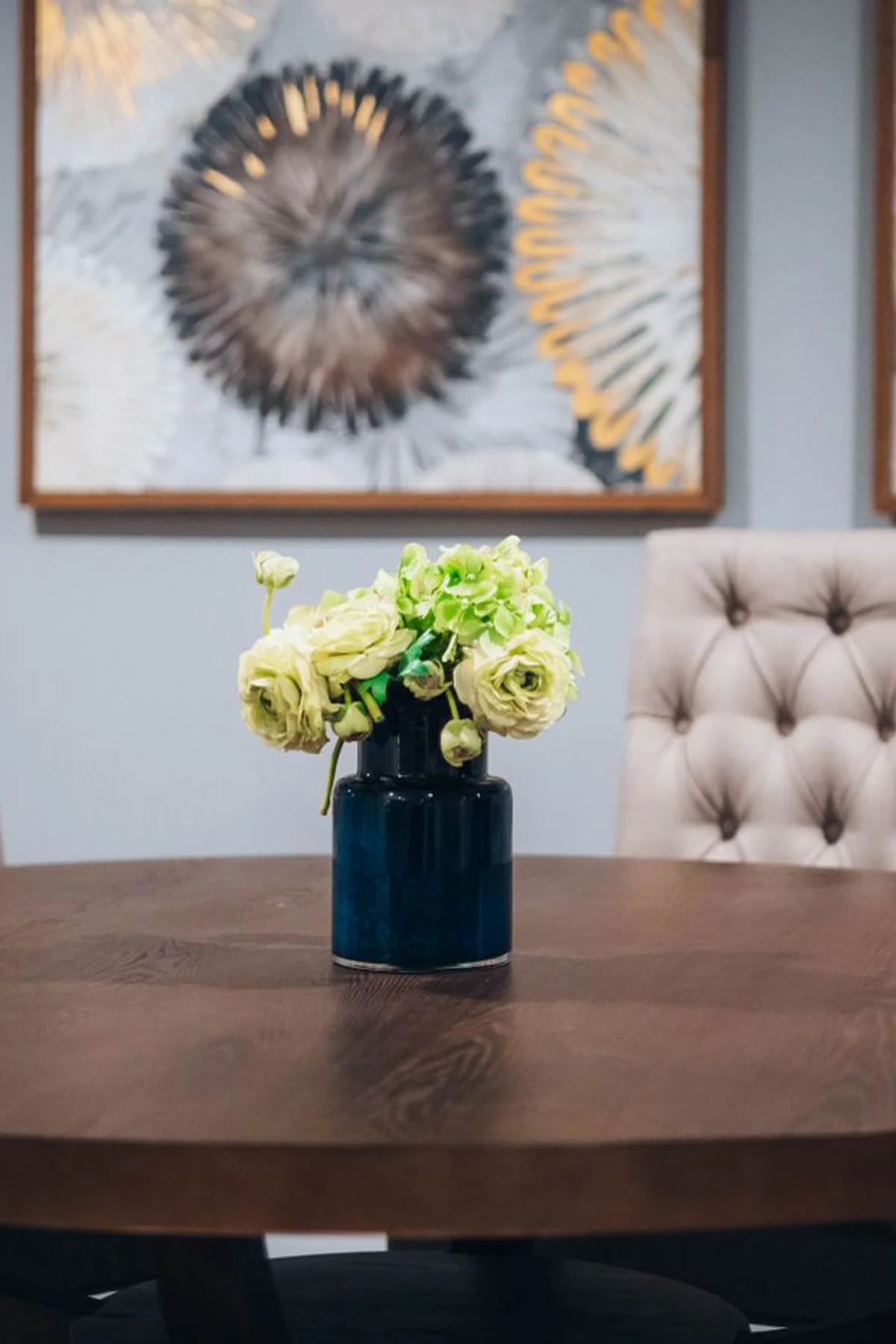
A round table dining room feels instantly welcoming because everyone faces each other, with no head of the table and no awkward corners. Round tables suit smaller rooms beautifully, since they need less clearance than a rectangular table, and they make conversation flow naturally. Pair yours with comfortable upholstered chairs that invite guests to stay.
Choose a pedestal base rather than four legs so chairs slide in easily all the way around. A round rug underneath anchors the space, but keep it large enough that chairs stay on it when pulled out. Add a simple centrepiece, like a bowl of fruit or a low vase, so sightlines across the table stay open.
2. Elegant Chandelier Dining Room
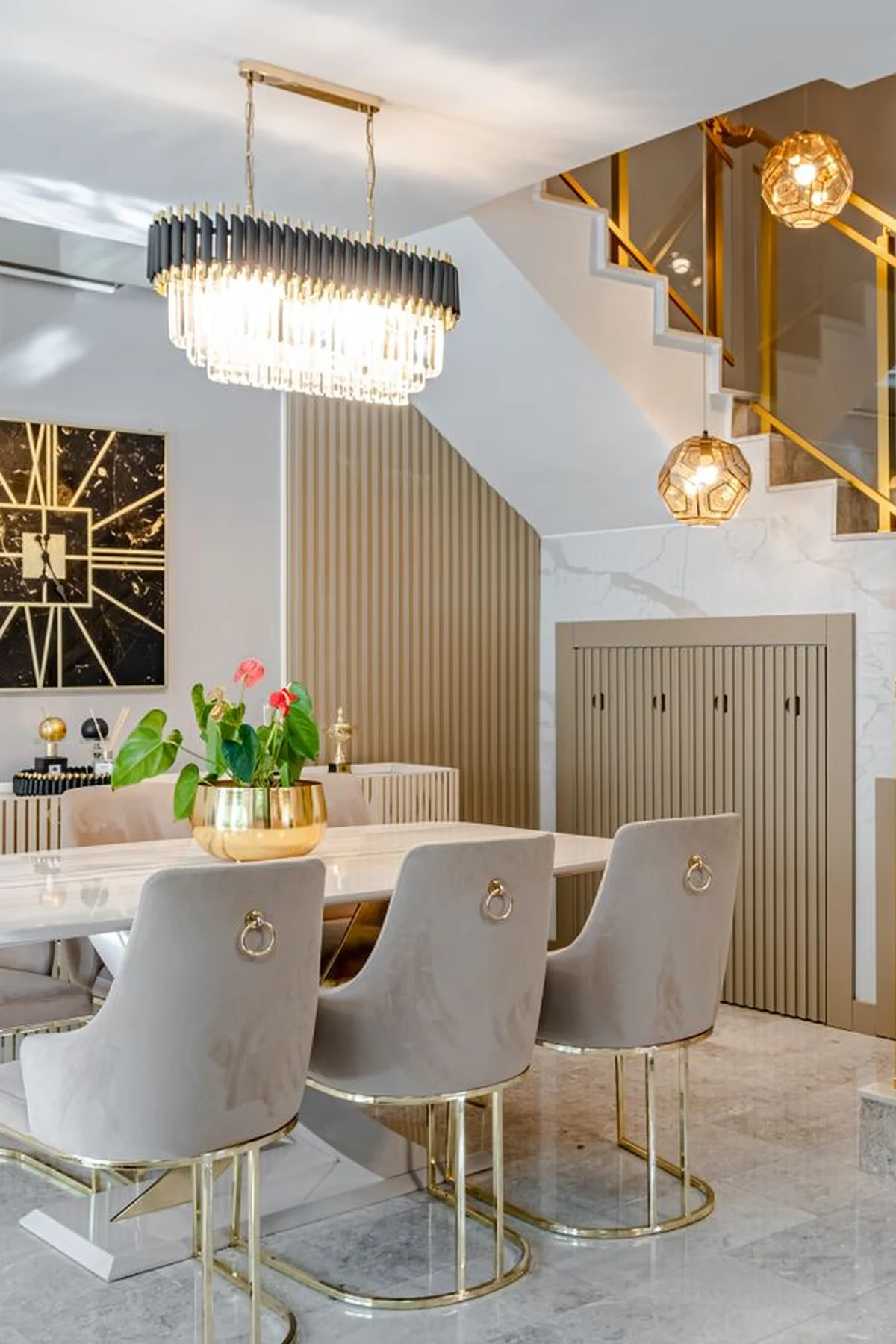
An elegant chandelier dining room turns everyday dinners into occasions, casting a warm glow over the table and anchoring the whole space. The chandelier becomes the room’s jewellery, drawing the eye upward and setting the tone for everything below it. Crystal, brass, or modern sculptural designs all work, depending on your style.
Hang the chandelier about 75 centimetres above the tabletop so it lights faces without blocking views. Put it on a dimmer switch, because bright overhead light flatters no one, while a soft glow flatters everyone. Size matters too: the fitting should span roughly half to two-thirds of the table’s width.
3. Modern Minimalist Dining Room

A modern minimalist dining room proves that less really can be more, with clean lines, a restrained palette, and only pieces that earn their place. The calm, uncluttered feel helps meals feel relaxed, and the room stays easy to clean and easy to restyle. Choose quality over quantity, and let one beautiful table do the talking.
Keep the colour scheme to two or three tones, such as warm white, natural wood, and black, and add texture through linen, timber, and ceramics. A single piece of art or one sculptural light fitting provides a focal point without clutter. Minimalism works best when storage hides the extras, so a sideboard is a wise investment.
4. Rustic Wood Dining Room

A rustic wood dining room wraps you in warmth, with chunky timber, visible grain, and a table that looks better the more it is used. This style suits long, lazy meals and big family gatherings, because nothing about it feels precious or fragile. Scratches and marks simply add to the story of the table.
Mix wood tones carefully, pairing a darker table with lighter chairs or vice versa, so the room does not feel heavy. Add linen runners, earthenware plates, and candlelight for a farmhouse feel that still looks polished. A reclaimed wood table is a sustainable choice with character no new furniture can fake.
5. Small Apartment Dining Room

A small apartment dining room needs clever thinking, not a big footprint, and the best ones feel intentional rather than squeezed in. A drop-leaf or extendable table, stackable chairs, and a mirror to bounce light around can make a tiny dining spot feel generous. The goal is a place you actually use daily, not a showpiece.
Push the table against a wall for everyday meals and pull it out when friends come over, or choose a round table that seats four in a tight corner. Wall-mounted lighting frees up table space, and a bench that tucks under the table saves floor area. Keep the palette light so the dining zone feels open.
6. Formal Dining Room with Wainscoting
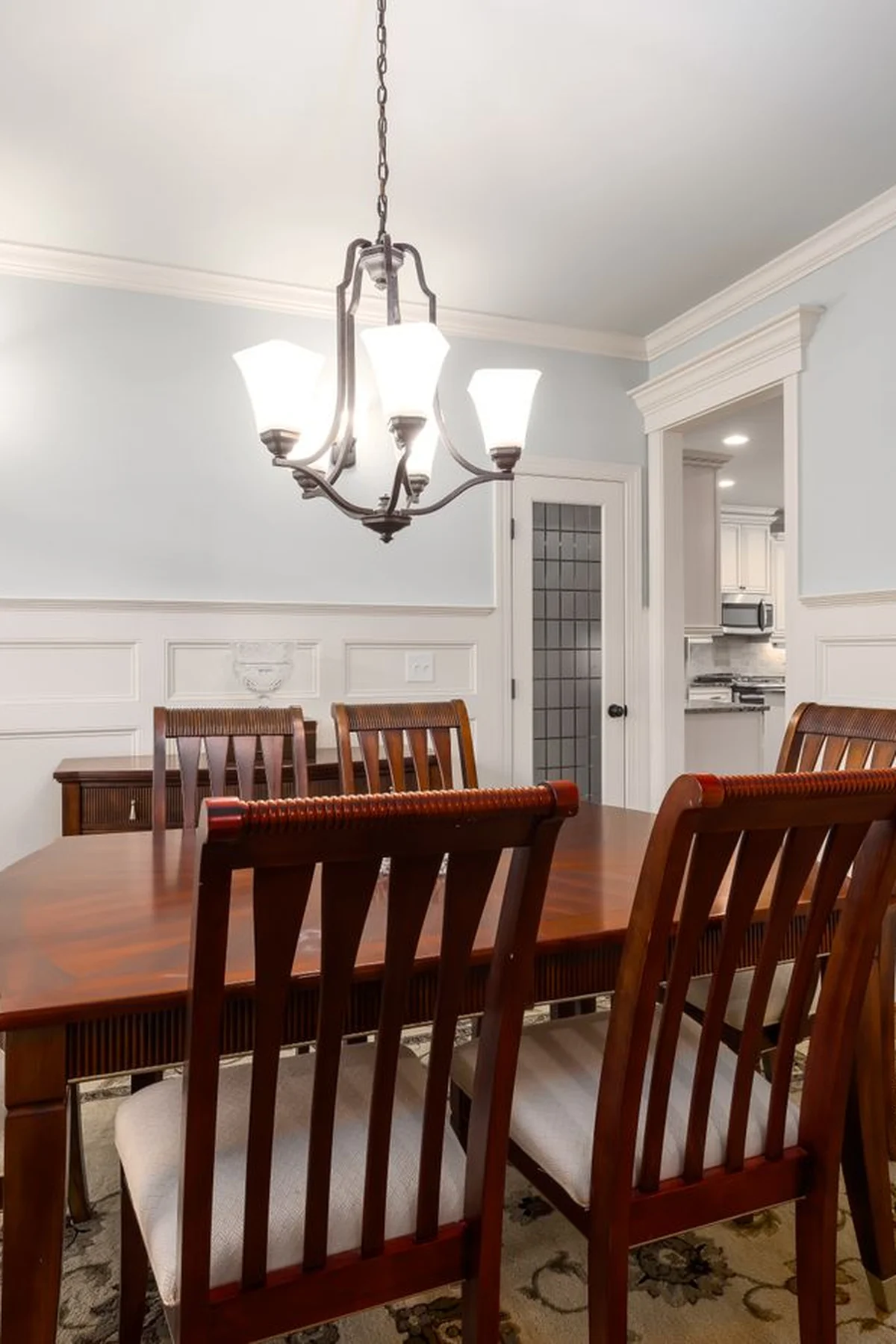
A formal dining room with wainscoting feels grand and timeless, with panelled walls that add depth, structure, and a sense of occasion. Wainscoting protects walls from chair scuffs while giving the room an architectural finish that paint alone cannot achieve. It suits traditional homes and special-occasion dining perfectly indeed, every time.
Paint the panelling in a deep, elegant shade, such as navy, forest green, or charcoal, and keep the upper walls lighter to avoid a heavy feel overall. Pair it with a polished table, classic chairs, and a statement light fitting. Wainscoting also photographs beautifully, which matters if you love hosting and sharing your home.
7. Bright White Dining Room
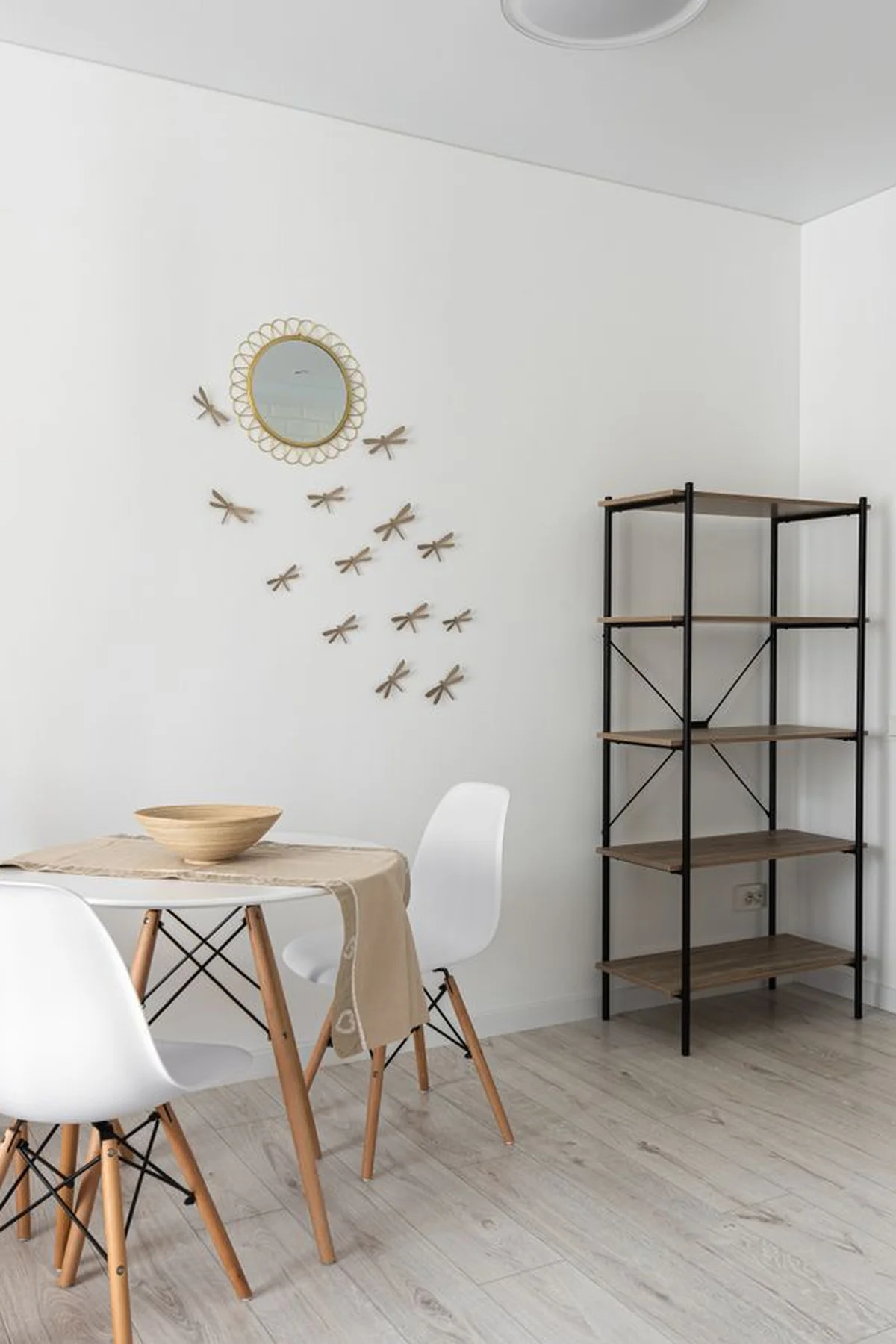
A bright white dining room feels fresh, airy, and endlessly versatile, bouncing natural light around and making even a modest room feel larger. White walls, a light table, and pale chairs create a blank canvas that you can restyle with seasonal colour in minutes. It is a calm backdrop for lively gatherings.
Stop white from feeling cold by layering textures: a woven rug, linen napkins, wooden serving boards, and fresh greenery. Warm white paint works better than stark white in most homes, especially under evening lighting. White also shows off colourful food and flowers beautifully, which is a bonus at dinner parties.
Smart Layouts for Small Spaces and Open Plans
When space is tight or the dining area flows into the living room, layout choices matter more than decoration.
8. Dark Moody Dining Room
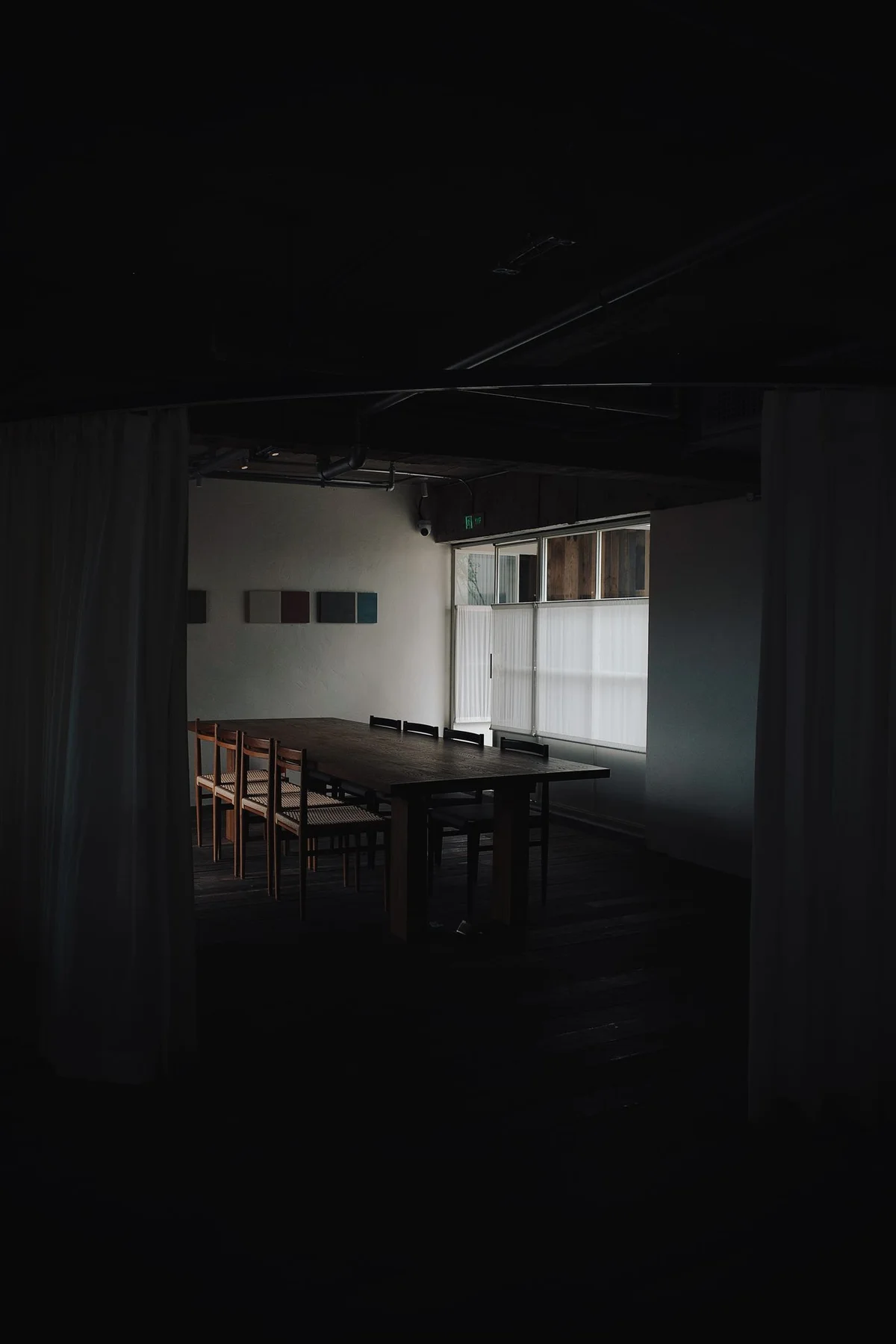
A dark moody dining room feels intimate and dramatic, with deep wall colours, warm lighting, and rich materials that make evening meals feel special. Dark walls recede visually, so the table and candlelight become the focus, and the room feels like a cosy restaurant booth. It is a brave choice that pays off beautifully.
Balance the darkness with a lighter tabletop or pale chairs, plus mirrors or metallic accents that reflect light. Layer lighting with a dimmable pendant, wall sconces, and candles rather than relying on one bright source. Dark rooms suit evening dining best, so keep daytime brightness in mind if you eat lunch there too.
9. Dining Room with Bench Seating
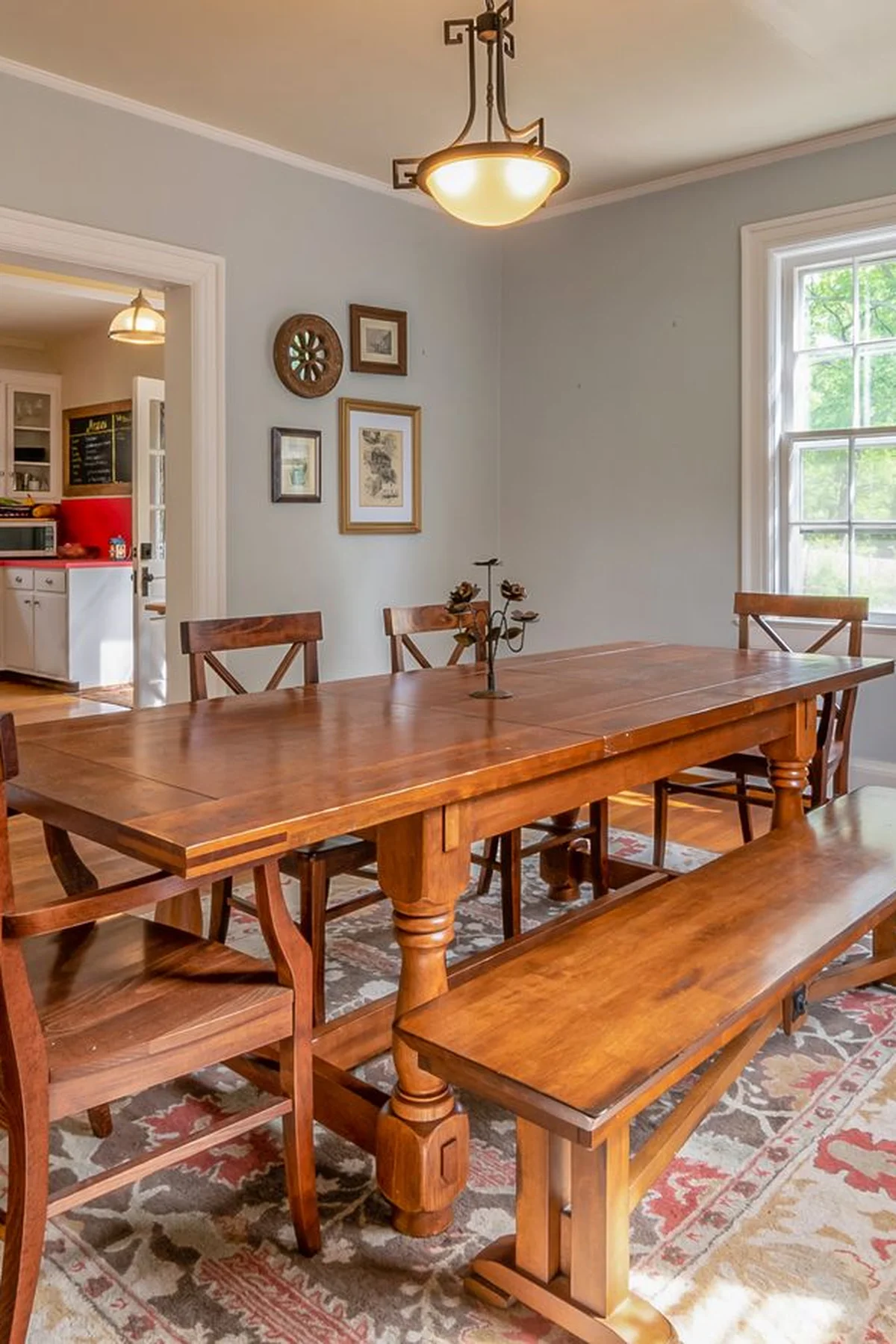
A dining room with bench seating squeezes in more guests, tucks neatly under the table, and gives the room a relaxed, sociable feel. Benches suit families with children, who can slide along easily, and they work brilliantly against a wall in a breakfast nook. The look is casual without feeling unfinished.
Choose a bench with a comfortable height that matches your table, and add cushions or a padded seat for longer meals. A bench on one side and chairs on the other gives flexibility, since chairs are easier for older guests. Storage benches with a lift-up seat hide table linens and placemats out of sight.
10. Open-Plan Dining Room

An open-plan dining room flows into the kitchen and living area, making it perfect for hosts who cook while guests chat. The dining table becomes the social hub of the home, close to the action yet distinct enough to feel like a proper eating space. Good zoning is what stops it feeling like a furniture showroom.
Define the dining zone with a rug, a pendant light, or a sideboard that marks the boundary without blocking sightlines. Keep the colour palette consistent across the open space, and repeat one material, such as wood or brass, to tie the zones together. An open plan also lets the cook join the conversation instead of being shut away.
11. Dining Room with Gallery Wall

A dining room with a gallery wall turns blank walls into a personal exhibition, full of art, photographs, and memories that spark conversation over dinner. A gallery wall adds colour and character without major renovation, and you can build it gradually as you find pieces you love. It makes the room feel uniquely yours.
Plan the layout on the floor first, mixing frame sizes while keeping a consistent gap between them. A single large piece can anchor the arrangement, with smaller works filling around it. Hang the centre of the display at eye level from a seated position, so guests enjoy it during the meal rather than only when standing.
12. Vintage Dining Room

A vintage dining room celebrates pieces with history, from a second-hand wooden table to mismatched chairs and a thrifted sideboard full of character. The charm lies in imperfection: worn edges, faded finishes, and objects that tell stories. Vintage styling is also kinder to the planet and the budget than buying everything new.
Mix eras gently rather than recreating a museum room, pairing one or two vintage stars with simple modern basics. A vintage rug, brass candlesticks, or old glassware can transform a plain table instantly. Check second-hand shops and markets regularly, since the best vintage finds appear when you least expect them.
13. Coastal Dining Room

A coastal dining room feels light, breezy, and relaxed, inspired by seaside holidays with pale blues, sandy neutrals, and natural textures throughout the space. It suits homes near water and landlocked ones alike, because the palette instantly calms the room. Think linen, rattan, driftwood tones, and plenty of daylight every day.
Keep the coastal theme subtle to avoid a themed-restaurant look: a washed-wood table, woven placemats, and a few blue accents go further than anchors on every wall. Sheer curtains soften the light beautifully, and a large bowl of shells or a simple vase of greenery completes the look. Coastal rooms shine in summer but feel fresh all year.
14. Dining Room with Bold Wallpaper
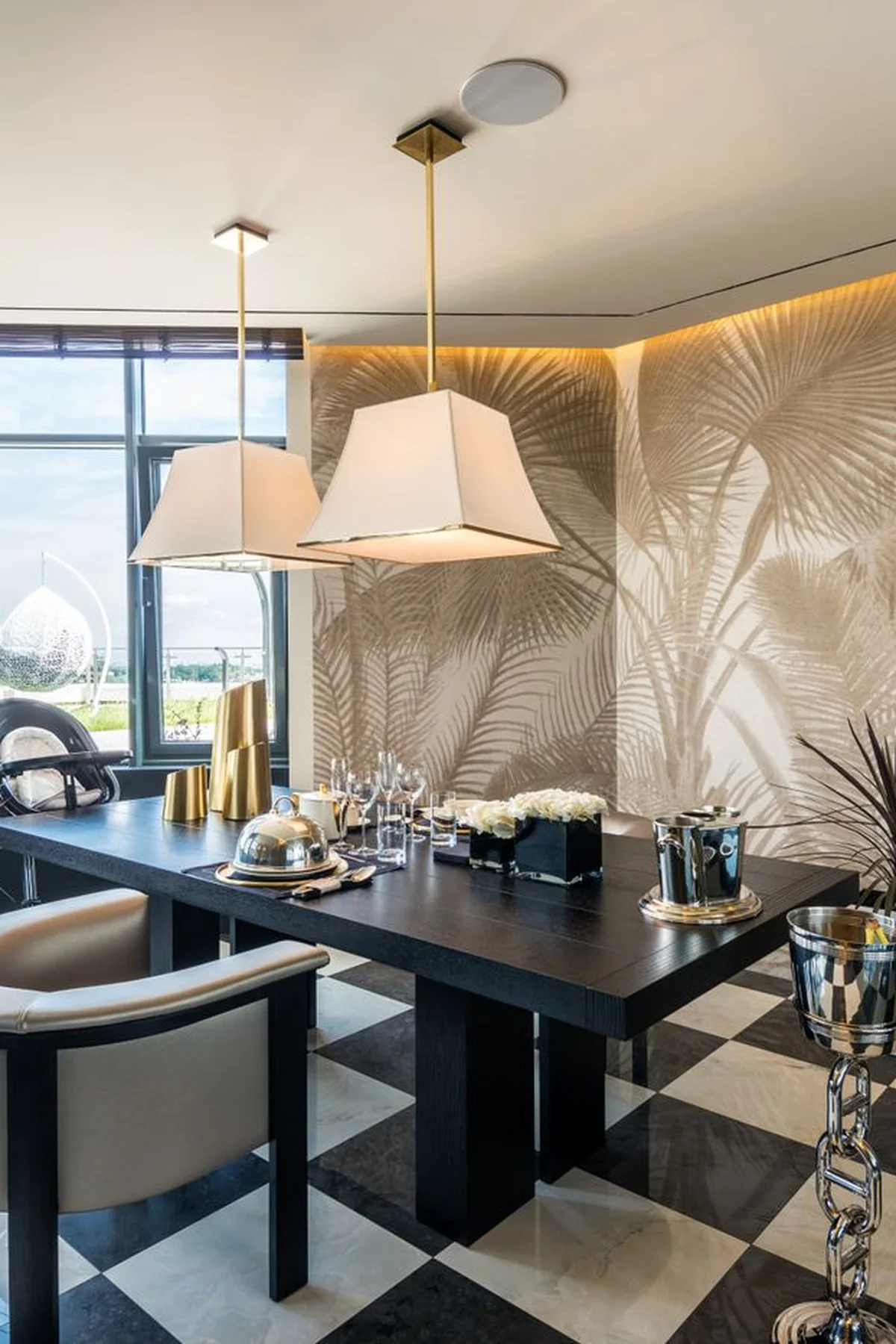
A dining room with bold wallpaper makes a statement the moment you walk in, turning one wall into art with pattern, colour, or texture. Because dining rooms are used in bursts rather than all day, they can handle braver patterns than a bedroom might. Botanical prints, geometric designs, and mural papers all work wonderfully.
Paper a single feature wall behind the sideboard or table, and keep the other walls plain so the pattern can breathe. Pick out one colour from the paper for your chairs, napkins, or art to tie the scheme together. Removable wallpaper is a great low-commitment way to test a bold look before going permanent.
15. Glass Table Dining Room

A glass table dining room feels light and spacious because you can see straight through the tabletop to the floor below. Glass suits small rooms and modern interiors, where a solid wood table might feel heavy, and it shows off a beautiful rug underneath. The transparent surface keeps the focus on chairs, lighting, and tableware.
Pair a glass top with statement chairs, since they become the visual stars of the room, and choose a sturdy metal or wooden base for stability. Keep a soft cloth handy, as glass shows fingerprints and water marks more than wood does. A glass table also works well in a room with a view, since nothing blocks the outlook.
16. Dining Room with Built-In Buffet
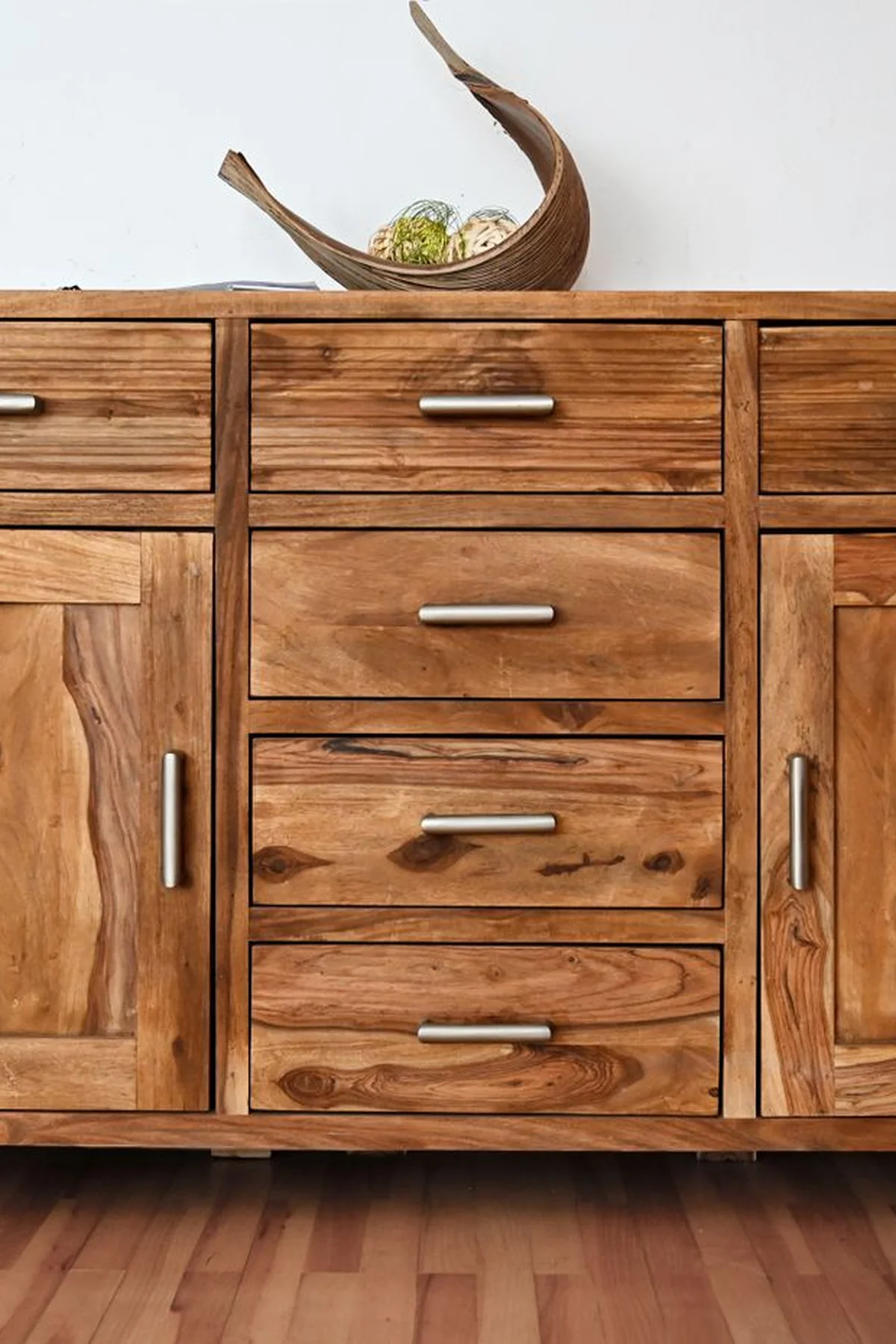
A dining room with a built-in buffet gains generous storage and a serving surface without the bulk of freestanding furniture. A buffet holds tableware, linens, and serving dishes close at hand, and its top becomes a display for candles, art, or seasonal decor. Built-ins also make a room feel custom and finished.
Design the buffet to match your wall colour or woodwork so it blends in rather than dominating the room. Use its drawers for cutlery and its cupboards for larger platters, keeping the table clear for dining. A buffet doubles as a drinks station at parties, which hosts will appreciate more than they expect.
Character, Colour, and Finishing Touches
These ideas add personality to your dining room, from lighting and fireplaces to festive table settings.
17. Mid-Century Dining Room

A mid-century dining room brings retro warmth with tapered wooden legs, sculptural chairs, and warm teak or walnut tones throughout. The style feels both nostalgic and fresh, pairing clean 1950s lines with modern comfort. Iconic chair shapes, like moulded seats and wishbone backs, make the room instantly recognisable to guests.
Keep the palette warm with mustard, burnt orange, or olive accents against wood and cream, and add a sunburst mirror or arc lamp for period flair. Mid-century pieces mix well with contemporary art, so the room does not feel like a time capsule. Buy the best table you can afford, since it anchors the whole look.
18. Dining Room with Fireplace

A dining room with a fireplace feels magical in winter, with flickering light, gentle warmth, and a natural gathering point for everyone. The fireplace becomes the room’s heart, especially when the mantel is dressed with candles, greenery, or art. Candlelit dinners by a fire are among life’s simplest luxuries indeed.
Position the table so guests can enjoy the fire without sitting too close to the heat, and keep the mantel styling simple so it does not compete with the table setting. If your fireplace is decorative rather than working, fill it with candles for the same glow. A fireplace also adds value and charm that buyers notice immediately.
19. Colorful Eclectic Dining Room

A colorful eclectic dining room mixes patterns, colours, and styles with confidence, creating a joyful space that feels collected over time. Mismatched chairs, a vibrant rug, and art from different places all belong here, as long as one unifying colour or theme holds them together. Eclectic rooms are never boring.
Choose a base colour that repeats across chairs, cushions, and artwork, so the mix feels curated rather than chaotic overall. Limit yourself to three or four accent colours, and balance busy patterns with plain surfaces. An eclectic dining room is the perfect place to display travel finds and family treasures.
20. Dining Room with Pendant Lights

A dining room with pendant lights gains focused, flattering light exactly where it matters: over the table. A row of pendants over a long table, or a single statement pendant over a round one, defines the dining zone and adds sculptural interest. Pendants also let you layer light with wall and candle sources.
Hang pendants at a consistent height, roughly 75 to 90 centimetres above the table, and space them evenly along its length. Choose warm-toned bulbs for a dinner-party glow, and dimmers for flexibility between bright family meals and soft evening gatherings. Pendant style can shift the whole room, from industrial to elegant.
21. Window Nook Dining Room
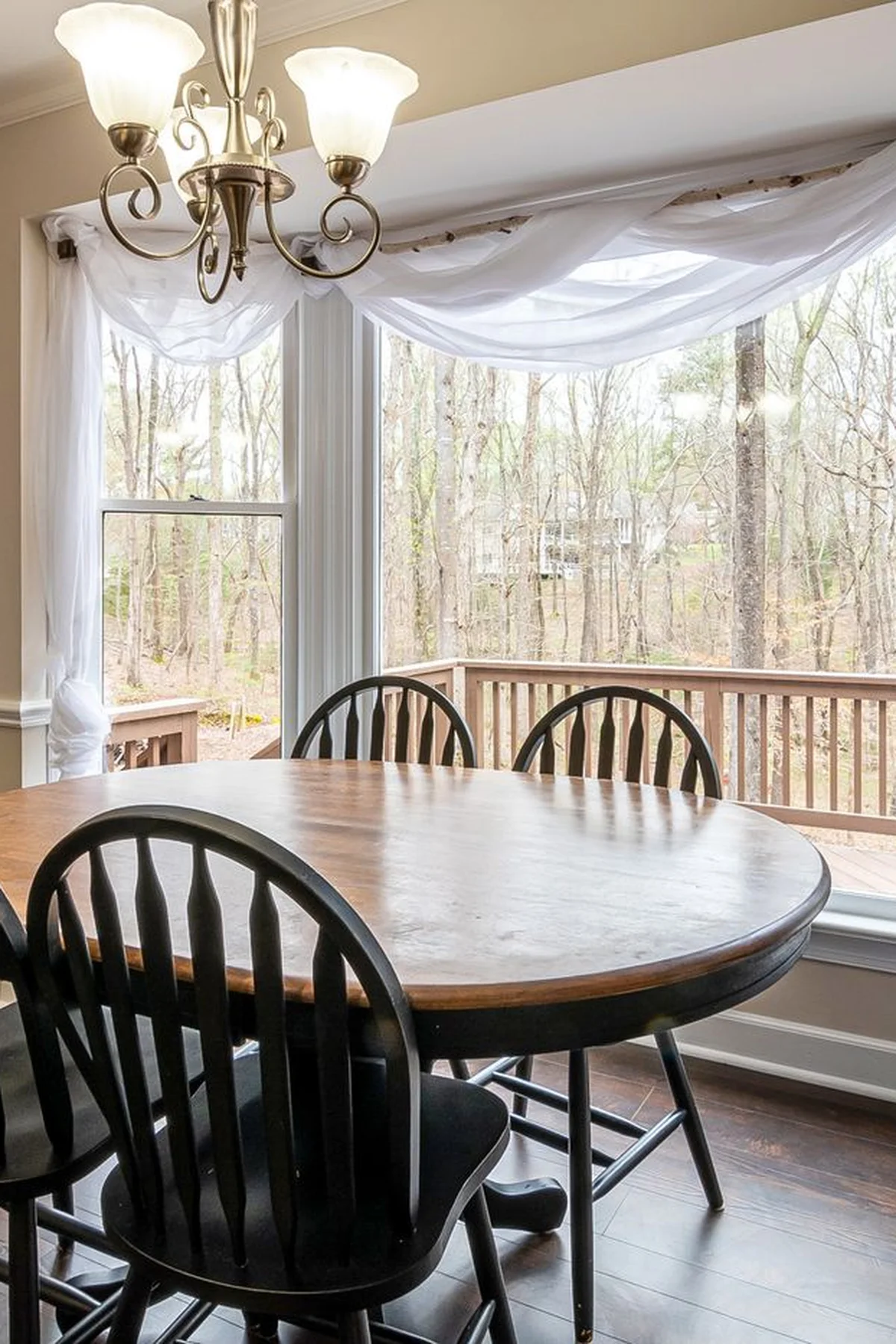
A window nook dining room turns a sunny corner into the most coveted seat in the house, with a built-in bench, a small table, and a view. Nooks suit breakfast best, when morning light streams in, but they work for any casual meal. The enclosed feel makes even a quick coffee feel like a treat.
Add deep cushions and a throw for comfort, since a nook invites lingering, and use the bench base for storage. A round or oval table fits the curved, cosy shape better than a square one. Keep window treatments light so daylight floods in, and add a small pendant or sconce for darker evenings.
22. Holiday Table Setting Dining Room
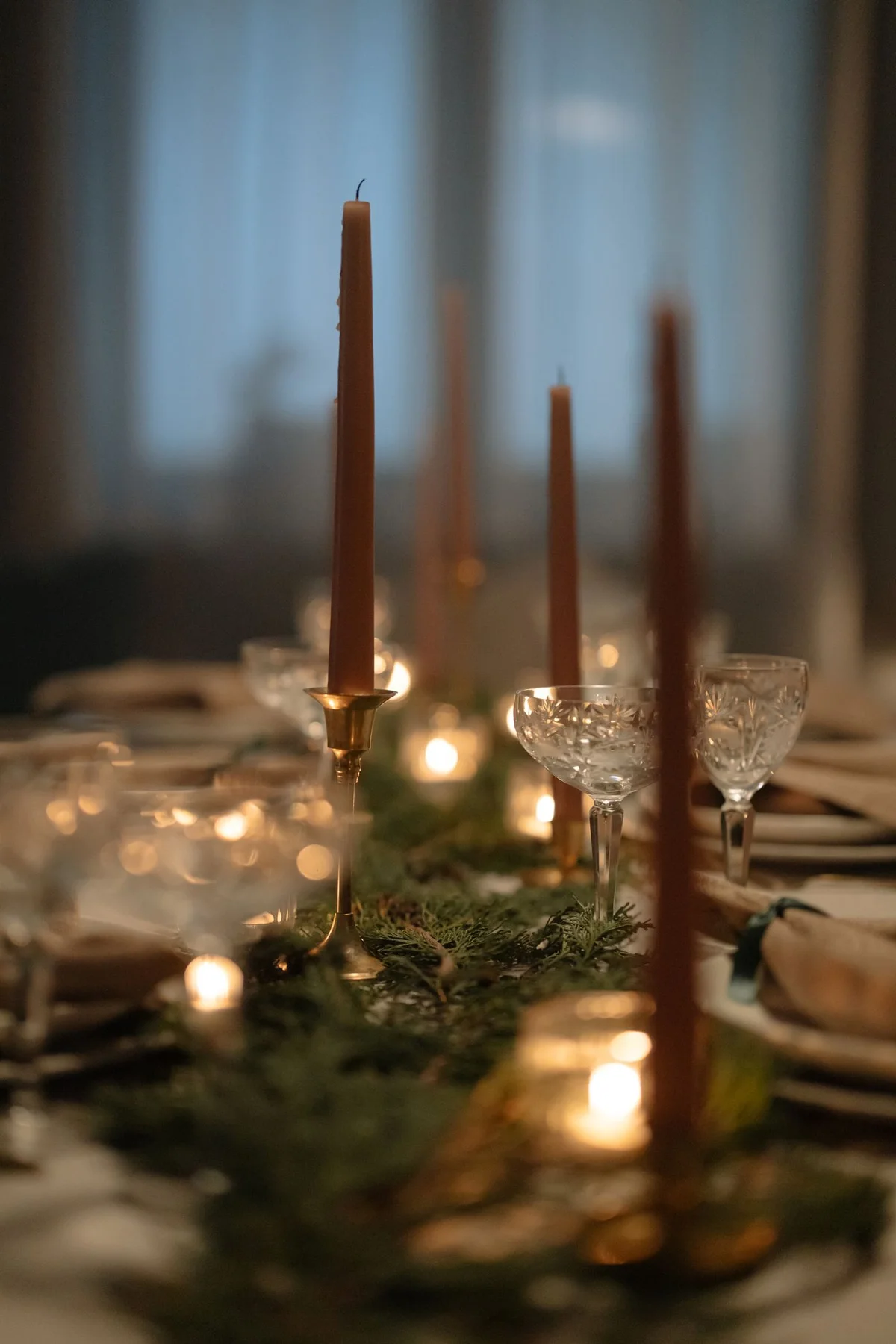
A holiday table setting dining room shows your dining room at its festive best, dressed with seasonal centrepieces, layered place settings, and candlelight. The holidays are when dining rooms earn their keep, hosting the year’s biggest gatherings, so a beautiful table makes the occasion feel truly special. It is also a chance to use your best pieces.
Layer a tablecloth or runner, chargers, plates, and napkins, then add a low centrepiece that does not block conversation. Fresh greenery, pinecones, or flowers suit most holidays with a simple swap of accents. Set the table the day before if you can, so hosting day itself stays relaxed and enjoyable.
How to Choose
Start with how you actually eat: daily family meals need durable, easy-clean surfaces and comfortable chairs, while occasional hosting allows more delicate finishes and statement pieces. Measure your room and table carefully, leaving at least 90 centimetres around the table for chairs to pull out, and choose a table shape that suits the room’s proportions.
Next, pick a style that connects with the rest of your home, so the dining room feels like part of the house rather than a separate stage set. Lighting deserves as much thought as furniture, since a dimmer and the right pendant transform the same room from breakfast bright to dinner soft. Choose pieces you love living with, not just looking at.
FAQ
What size dining table do I need for my room?
Allow about 60 centimetres of table width per person, and at least 90 centimetres of clearance around the table for chairs. A round table of 120 centimetres seats four comfortably, while a rectangular table of 180 centimetres seats six to eight. Measure your room first, and tape the table outline on the floor to test the fit.
How high should dining room lights hang?
Hang a chandelier or pendant about 75 to 90 centimetres above the dining table, so it lights the table without blocking views across it. For rooms with very high ceilings, you can hang fittings slightly higher, but keep the glow focused on the table. Always use a dimmer switch for flexible evening lighting.
How can I make a small dining room feel bigger?
Use a round or glass table, light colours, and a mirror to reflect light and double the sense of space. Choose slim chairs or a bench that tucks away, keep window treatments sheer, and avoid bulky sideboards that eat floor space. A pendant light that draws the eye up also helps the room feel taller.
Should my dining room match my kitchen style?
Your dining room does not need to match your kitchen exactly, but the two should feel related, especially in open-plan homes. Repeat one or two elements, such as wood tone, metal finish, or a colour accent, to connect the spaces. A shared palette keeps the home feeling cohesive without being identical.
Pin your favourite dining room idea to save it for your next home refresh, and share this list with anyone planning a dining room makeover.
Photos: Pexels (free to use).


