
20 Chinese New Year Decorations to Fill Your Home with Luck, Red and Gold for 2026
Chinese New Year, also called Lunar New Year and the Spring Festival, turns the home into a wish for the year ahead. Red stands for luck and protection, gold stands for wealth and prosperity, and every decoration carries a meaning — a lantern for brightness, an orange for good fortune, a red envelope for blessing. These twenty ideas help you decorate with that spirit in mind, whether you are preparing a family reunion dinner or simply want your home to feel hopeful as the new lunar year begins.
Lanterns and Light
1. Red Paper Lantern Display

Red paper lanterns are the most recognisable symbol of Chinese New Year, and a cluster of them instantly says the festival has arrived. Hang three or five lanterns of different sizes from the ceiling or a doorway, choosing round lanterns with gold tassels for the classic look. Their warm red glow fills the room with colour even before they are lit.
Hang the lanterns at different heights so the display feels natural rather than lined up, and keep them away from doorways where heads might bump them. Battery lights inside each lantern give a gentle glow in the evening without any heat. A small cluster over the dining table or in the hallway makes a stronger impression than one lantern alone.
2. Hanging Red Lanterns Outdoors

Lanterns hung outside the front door or along a porch welcome guests and neighbours into the celebration. A row of red lanterns swaying gently in the evening air is one of the most joyful sights of the festival, and it marks the house as part of the neighbourhood’s celebration. Choose weatherproof lanterns with sturdy cords for outdoor use.
Fix the lanterns firmly so wind cannot tangle them, and space them evenly along the porch or the front fence. Solar lights inside the lanterns charge during the day and glow at night without any wiring. Take them down after the Lantern Festival, which closes the celebrations, and store them flat for next year.
3. Gold Ingot and Coin Decorations

Gold ingots, shaped like small boats, are a traditional symbol of wealth and good fortune. Scatter miniature gold ingots and gold coins across the mantel, the table or a decorative tray, and pair them with red envelopes for a display that wishes prosperity on everyone who sees it. The bright gold against deep red is the classic palette of the festival.
Use the ingots as part of a larger display rather than on their own — a bowl of gold coins beside a lantern, or ingots tucked into a red envelope tree, looks richer than a single piece. Keep small ingots away from young children, and choose sturdy ones that will survive being handled. They make lovely small gifts for guests too.
4. Red Envelopes Filled with Blessings

Red envelopes, known as hongbao, are one of the most loved traditions of Chinese New Year. Crisp red envelopes decorated with gold characters are filled with money, chocolate coins or a lucky note, and given to children and younger family members as a blessing for the year ahead. A small pile of them on the table or the mantel is both a decoration and a promise of good fortune.
Choose envelopes with bold gold characters and a good, sturdy paper, and fill each one with the same small gift so nobody feels left out. Hand them out after the reunion dinner, when the family is together, and let children open theirs straight away. The joy on their faces is the best decoration of the whole festival.
5. Dragon Dance Decoration

A dragon brings strength and good luck to the new year, and a dragon decoration makes a bold centrepiece. Hang a colourful dragon garland across the main wall, set a dragon figurine on the mantel, or drape a dragon banner above the door. The flowing shape and bright colours give the room energy and movement.
Keep the dragon as the single bold piece in the room so it does not compete with the lanterns and red envelopes. Place it at eye level where children can see it, and pair it with gold and red accents rather than other bright colours. A dragon that looks joyful rather than fierce suits a family home best.
Luck, Wealth and Blessings
6. Paper-Cut Window Decorations
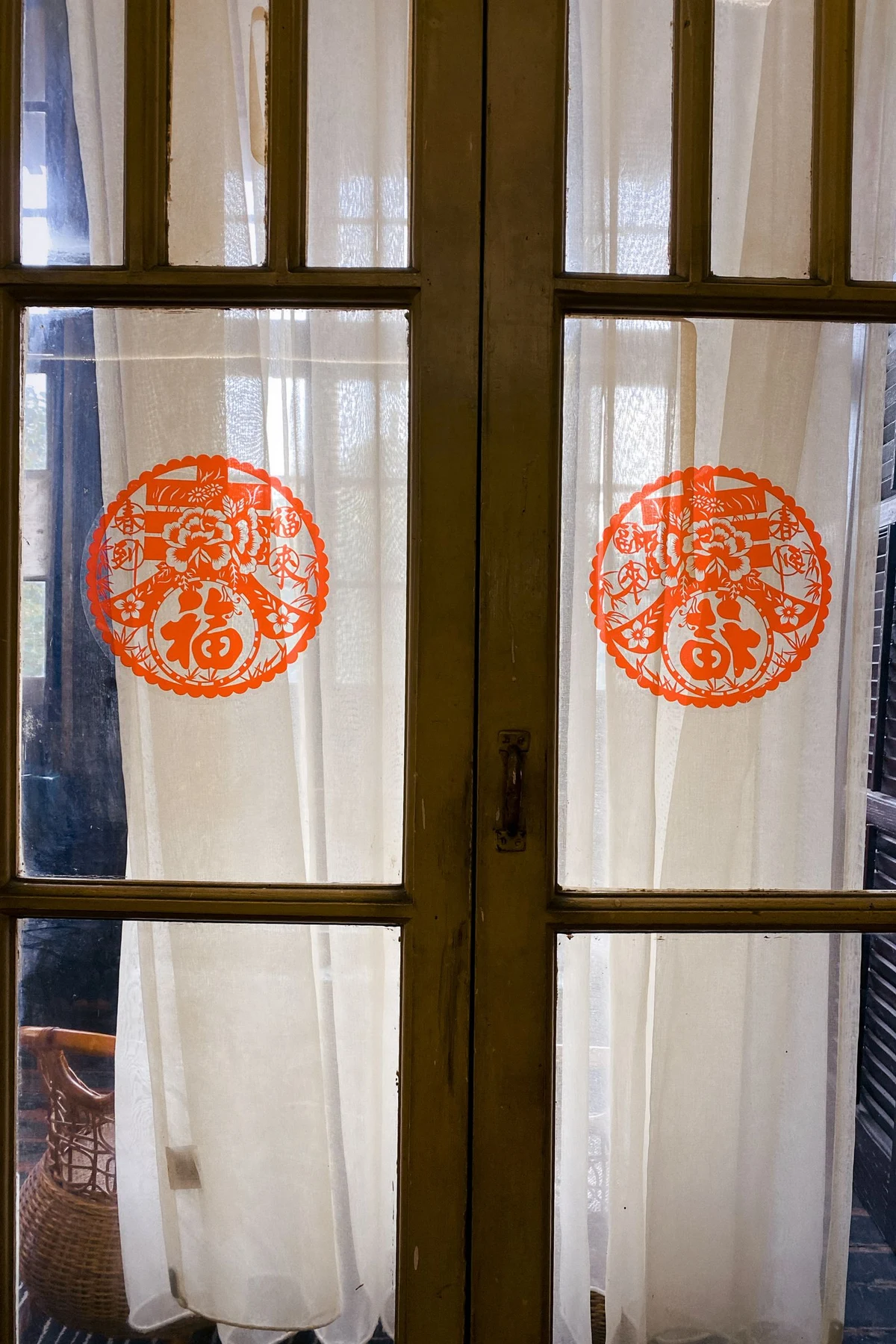
Paper-cut decorations, known as jianzhi, are a delicate and deeply traditional way to dress windows for the festival. Red paper cut into flowers, animals or the character for good fortune sticks to the window and glows when light shines through it. They are inexpensive, beautiful and easy for children to help make.
Apply the paper cuts to clean, dry glass with a little water or removable tape, and place them where they catch the daylight. Choose designs with clear, bold shapes rather than fussy detail so they read well from across the room. Making them together as a family is part of the tradition — the imperfect handmade ones carry the most meaning.
7. Cherry Blossom Branch Arrangement
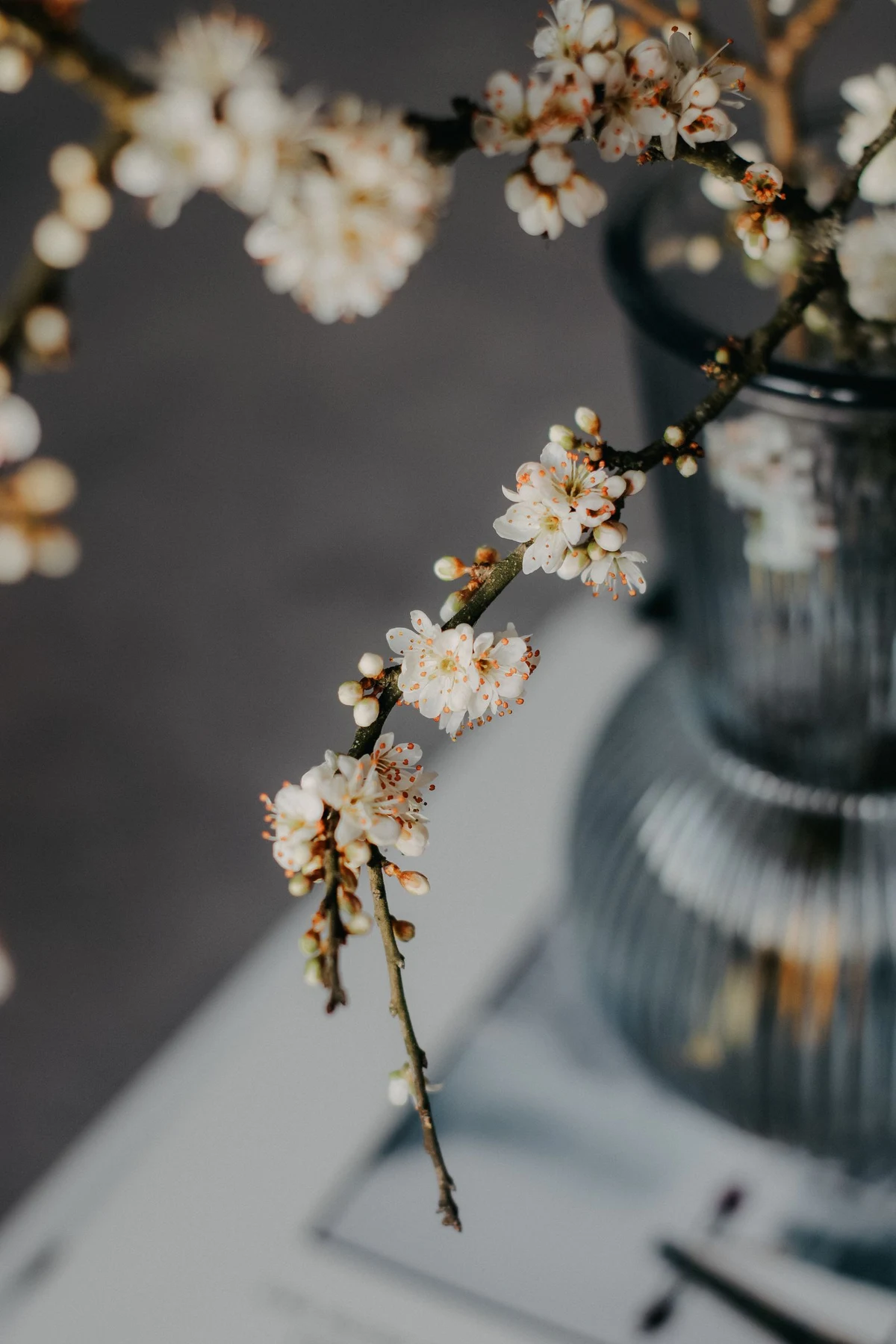
Cherry blossom branches bring the spring into the house, which is exactly what the Spring Festival celebrates. Set tall branches in a heavy vase, choosing blossom in soft pink or white, and place the arrangement on the dining table or in the hallway. The delicate flowers soften all the red and gold around them.
Trim the branches to fit the vase and change the water every two or three days to keep the blossom fresh. If real blossom is hard to find, good silk branches look convincing and last for years. Keep the arrangement tall and simple — a few strong branches in a plain vase look more elegant than a crowded bouquet.
8. Lucky Red and Gold Table Setting

A red and gold table setting turns the reunion dinner into a celebration before the first dish arrives. Lay a red tablecloth or runner, set gold chargers under each plate, and add a small red envelope or a tangerine at each place. Gold cutlery or gold-rimmed glasses complete a table that feels generous and warm.
Keep the setting practical by leaving space for the shared dishes at the centre of the table, which is how a reunion meal is served. Place the decorations where they will not be knocked over when dishes are passed, and choose a centrepiece low enough for guests to see each other. The table should feel abundant, not crowded.
9. Chinese Knot Wall Hanging

A Chinese knot is a traditional decoration made from a single cord, symbolising good luck and unbroken connection. Hang one large knot on the main wall or a smaller knot on each door, choosing red cord with gold tassels. The intricate shape rewards a closer look, and it is one of the most meaningful decorations of the festival.
Hang the knot at eye level where its shape can be appreciated, and pair it with a plain wall so the detail stands out. A knot with the character for good fortune worked into it carries an extra blessing. Handle it gently when hanging — the cord can loosen if pulled — and store it flat after the festival.
10. Fu Character Door Decoration

The character fu, meaning good fortune, is traditionally pasted on the front door for the new year, often upside down so the fortune is said to have arrived. A red diamond or square plaque with a gold fu character on the door is a simple, powerful decoration that every visitor understands at once.
Fix the plaque firmly at eye level on the front door, and check whether your family follows the upside-down tradition before hanging it. Pair it with a pair of red lanterns or a door couplet for a complete entrance. The plaque should be large enough to read from the path — a small one gets lost on a dark door.
The Table and the Family Meal
11. Tangerine and Orange Display

Tangerines and oranges are among the luckiest foods of Chinese New Year, because their golden colour and round shape suggest wealth and wholeness. Fill a bowl or a tiered stand with fresh tangerines, tuck a few green leaves among them, and set the display on the table or the entrance hall as both decoration and offering.
Choose firm, bright fruit with the leaves still attached when possible, and replace any fruit that softens during the festival. A display of oranges beside the door is a traditional welcome for guests, and small potted kumquat trees are a classic gift. The fruit looks best in a simple bowl — the colour does all the work.
12. Lion Dance Figure Display

A lion dance figure brings joy and protection to the home, and a small lion head or figurine on the mantel or shelf is a cheerful nod to the festival’s most exciting performance. Choose a brightly coloured lion with a friendly expression, and set it where children can see it clearly.
Place the lion as a single accent rather than among many other figurines, so it stands out. Pair it with red and gold around it, and explain the story of the lion dance to children — that the lion chases away bad luck and brings good fortune. A small lion makes a wonderful gift for a family with young children.
13. Red Balloon Display for the Party

A display of red balloons gives a Chinese New Year party a joyful lift. Gather glossy red balloons in different sizes, tie them in small clusters with red ribbon, and group them beside the entrance, behind the dining table or in the hallway where guests arrive. Red is the colour of luck and happiness, so a room full of red balloons feels festive from the first moment.
Build the display in clusters of three or four balloons tied together, mixing large and small balloons in each cluster for a full, natural shape. Fix the clusters firmly so they cannot drift into doorways, and check the display from across the room. Keep the palette to red with a touch of gold ribbon — the single bold colour looks richer and more traditional.
14. Firecracker Garland Decoration
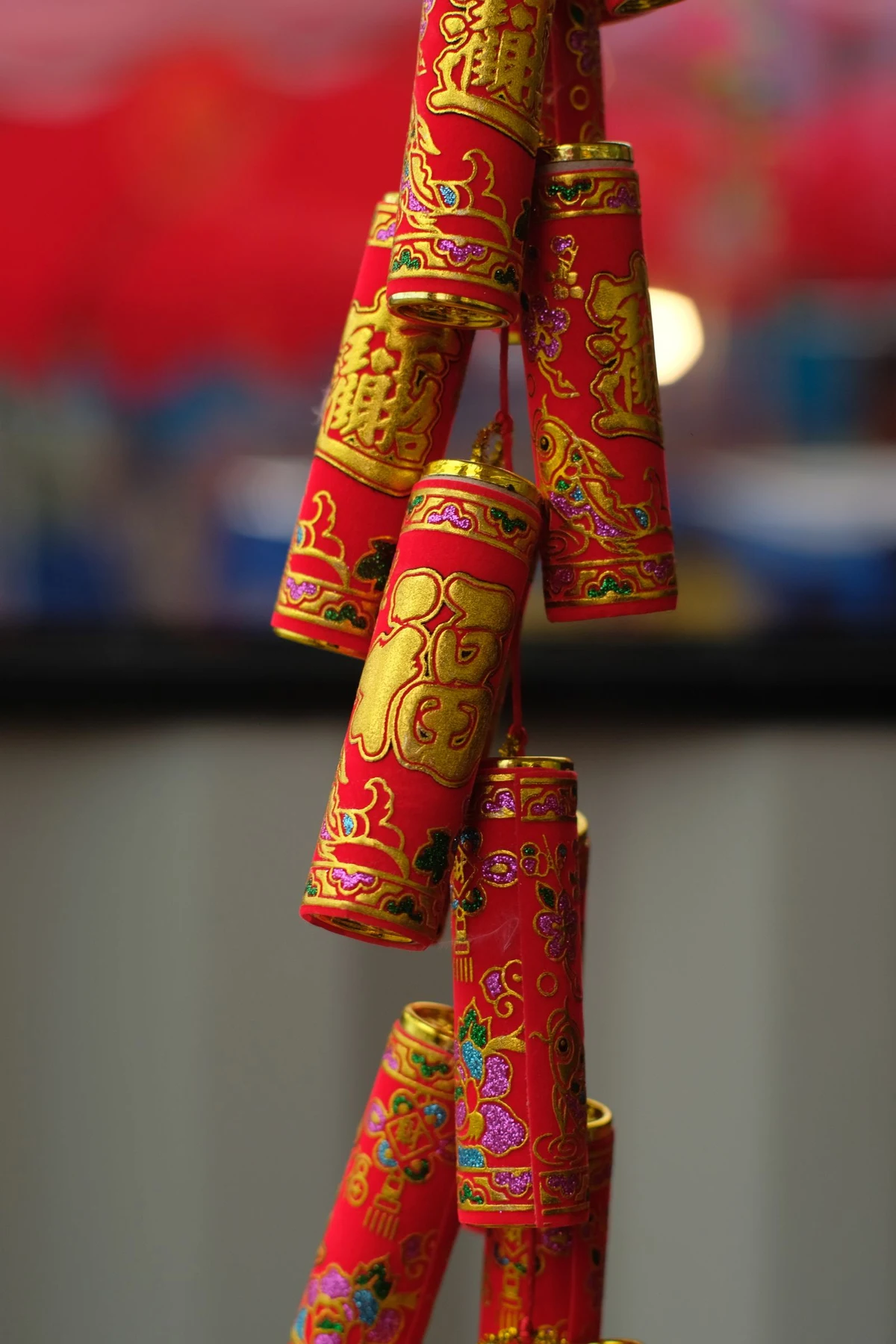
Firecrackers are a traditional way to scare away bad spirits, and a decorative firecracker garland brings that energy indoors without any noise. A string of red and gold paper firecrackers hung across the mantel or doorway is bright, festive and safe, and children love its bold colour and the way it catches the light.
Hang the garland where it can be seen but not pulled down, and pair it with lanterns rather than with candles or real flames. Choose a garland with gold lettering or tassels for extra shine, and let it drape naturally across the mantel or doorway. It is a decoration that works indoors all through the festival and stores flat for next year.
15. Lotus Flower in a Decorative Water Bowl

A lotus flower centrepiece brings calm and purity to the New Year table. Float pink or white lotus flowers in a wide, shallow bowl of water, add a few floating candles or green leaves, and set the bowl at the centre of the table. The flowers open gently in the water and the candles reflect in the surface.
Use fresh lotus or good silk flowers, and change the water daily to keep the display fresh. Keep the bowl low so guests can see across the table, and place it on a tray to catch any drips. The centrepiece should feel peaceful against the bright red and gold around it — a quiet moment in a joyful room.
Dragons, Lions and Festive Colour
16. Small Horse Figurines with Gold Trim

The zodiac animal of the year deserves a place in the decorations. Set a small figurine of the year’s animal on the mantel or the entrance table, surrounded by a few gold coins or red envelopes. It is a simple way to mark the year and a good talking point for guests, especially children learning the zodiac story.
Choose one good figurine rather than a whole set, and place it where it can be seen without being knocked over. A small card beside it naming the animal and its qualities — for the horse, energy and freedom — adds meaning. The figurine makes a lovely keepsake to bring out again each year.
17. Red Silk Table Runner
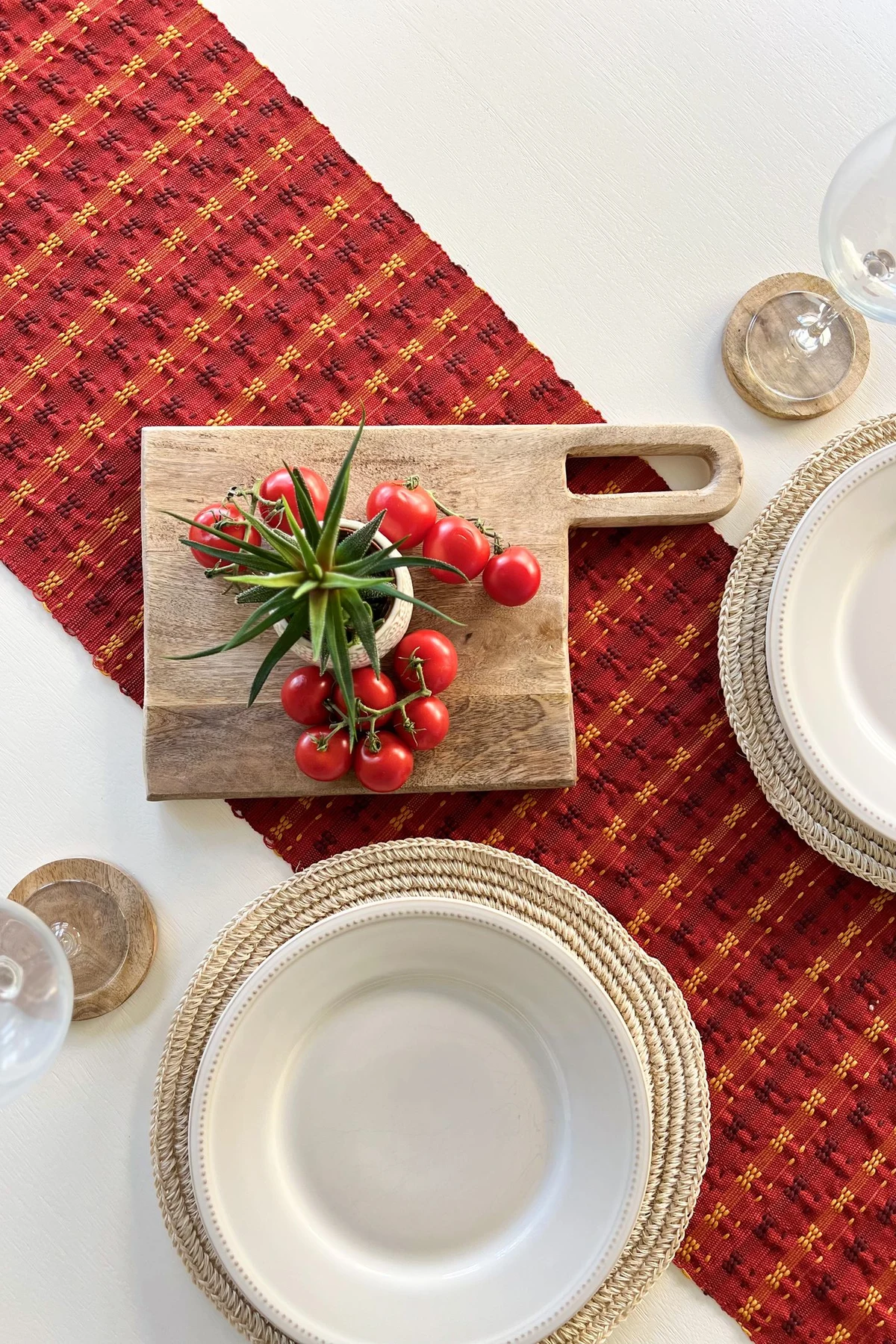
A red silk table runner instantly dresses a plain table for the festival. Lay a deep red runner with gold embroidery or a gold border down the centre of the dining table, and let it hang evenly over both ends. The silk catches the light and gives even a simple meal a sense of occasion.
Choose a runner that fits the table with a little overhang at each end, and protect it with a clear mat under hot dishes. Pair it with gold chargers and simple white plates so the red stays the star. Iron it gently before the meal and fold it carefully afterwards — a good silk runner lasts for many new years.
18. Lantern Festival Lights

The Lantern Festival closes the New Year celebrations on the fifteenth day, and a display of glowing lanterns marks the occasion beautifully. Hang paper lanterns of different shapes and sizes across the garden or the living room, light them with battery candles, and let the whole space glow with warm colour as the festival ends.
Mix round, oval and animal-shaped lanterns for variety, and hang them at different heights. Use battery lights for safety, especially outdoors, and check the cords are secure before dark so the display stays beautiful all evening. The display is at its best in the early evening, when the lanterns glow against the darkening sky.
19. Gold Coins for Wealth and Prosperity
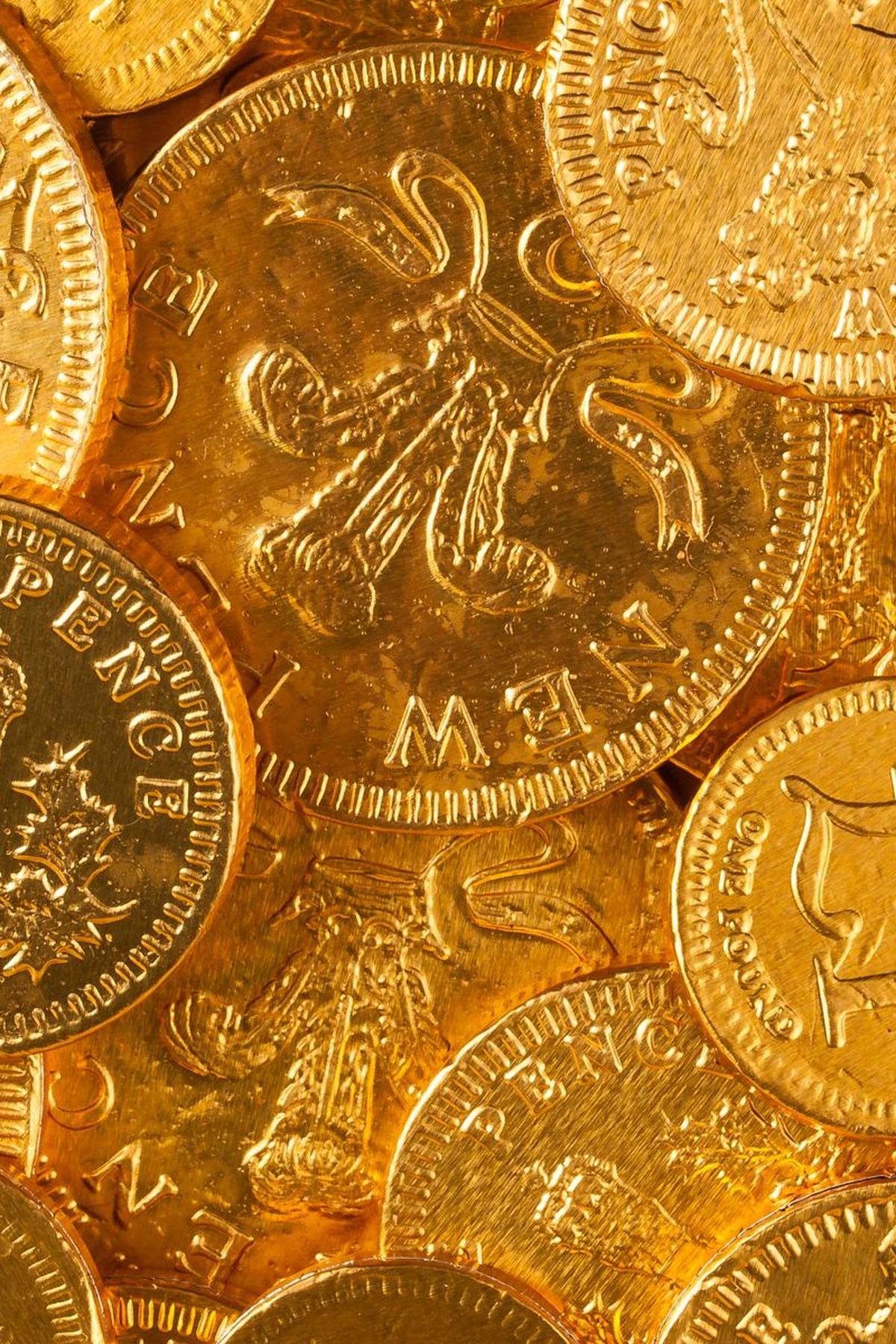
Gold coins are a classic symbol of wealth and prosperity at Chinese New Year, and a bowl of them makes a simple, shining display. Fill a wide bowl or a red tray with gold coins — real, chocolate or decorative — and set it on the mantel, the entrance table or beside the reunion dinner dishes. The bright gold against deep red is the festival’s own palette, and the display wishes prosperity on everyone who sees it.
Mix large and small coins for a rich, abundant look, and tuck a few red envelopes among them for contrast. Keep the bowl where guests can see it but not knock it over, and choose sturdy coins that will survive being handled. At the end of the festival, chocolate coins make a sweet treat for children, and the bowl can be refilled for next year.
20. Family Reunion Dinner Table

The reunion dinner is the heart of Chinese New Year, and the table should show it. Set the table early with red and gold, place the shared dishes in the centre, and leave a place for every member of the family, including those who cannot be there. A full table is itself the decoration — abundance, warmth and togetherness.
Cook the dishes that carry meaning — fish for abundance, dumplings for wealth, long noodles for long life — and serve them family style so everyone shares. Keep the table setting simple enough for the food to shine, and light the lanterns before the first dish arrives. The best decoration is a table full of people.
How to Choose
Choose a palette first and let it guide every choice: red and gold, with touches of green from blossom or leaves, is the traditional combination, and it keeps the house looking calm even when the decorations are many. Start with the entrance — lanterns and a fu plaque — then the dining table, then one or two accent pieces in the living room.
Remember that every decoration carries a meaning, so place them with intention rather than scattering them. Lanterns for brightness, oranges for fortune, knots for connection, the zodiac animal for the year ahead. When guests ask what something means, you will have a story to tell, and the decorations become part of the celebration rather than just colour on the walls.
More Holiday Ideas You’ll Love
Frequently Asked Questions
What are the traditional colours of Chinese New Year decorations?
Red and gold are the traditional colours. Red stands for luck, happiness and protection from bad spirits, while gold stands for wealth and prosperity. Green appears through blossom, leaves and plants, and symbolises spring and new growth. Together they create the warm, joyful look of the festival.
When should Chinese New Year decorations go up?
Decorations usually go up in the days before the new year, once the house has been cleaned and prepared. The festival lasts fifteen days, ending with the Lantern Festival, and decorations traditionally stay up for the whole period. Taking them down after the Lantern Festival marks the end of the celebrations.
What does the fu character mean, and why is it hung upside down?
Fu means good fortune or blessing. It is often pasted upside down on the door because the word for upside down sounds like the word for arrived, so an upside-down fu means good fortune has arrived. Some families hang it the right way up, so check your family’s own tradition first.
Which foods are lucky to display at Chinese New Year?
Tangerines and oranges are the luckiest, because their golden colour suggests wealth and their round shape suggests wholeness. A bowl of them on the table or by the door is both decoration and blessing. Whole fish, dumplings and long noodles are also lucky, and they are traditionally served at the reunion dinner.
Photos: Pexels (free to use).


One Comment