
20 Boho Living Room Ideas on a Budget for a Relaxed Home You Can Afford in 2026
Boho style and a tight budget are a perfect match, because the look was never about buying everything new. It is about collected pieces, natural textures, plants, and layers that build up slowly, and almost every element can be thrifted, made by hand, or bought secondhand for a fraction of the shop price. The trick is knowing where to spend your few dollars and where to save them. Here are 20 boho living room ideas on a budget that keep the room relaxed, earthy, and personal, without the designer price tag.
Thrift First: Furniture on a Budget
The biggest savings in a boho room come from furniture. A secondhand sofa, a thrifted chair, and a little cleaning beat a matching new set every time, and the pieces carry far more character.
1. Start at the Thrift Store
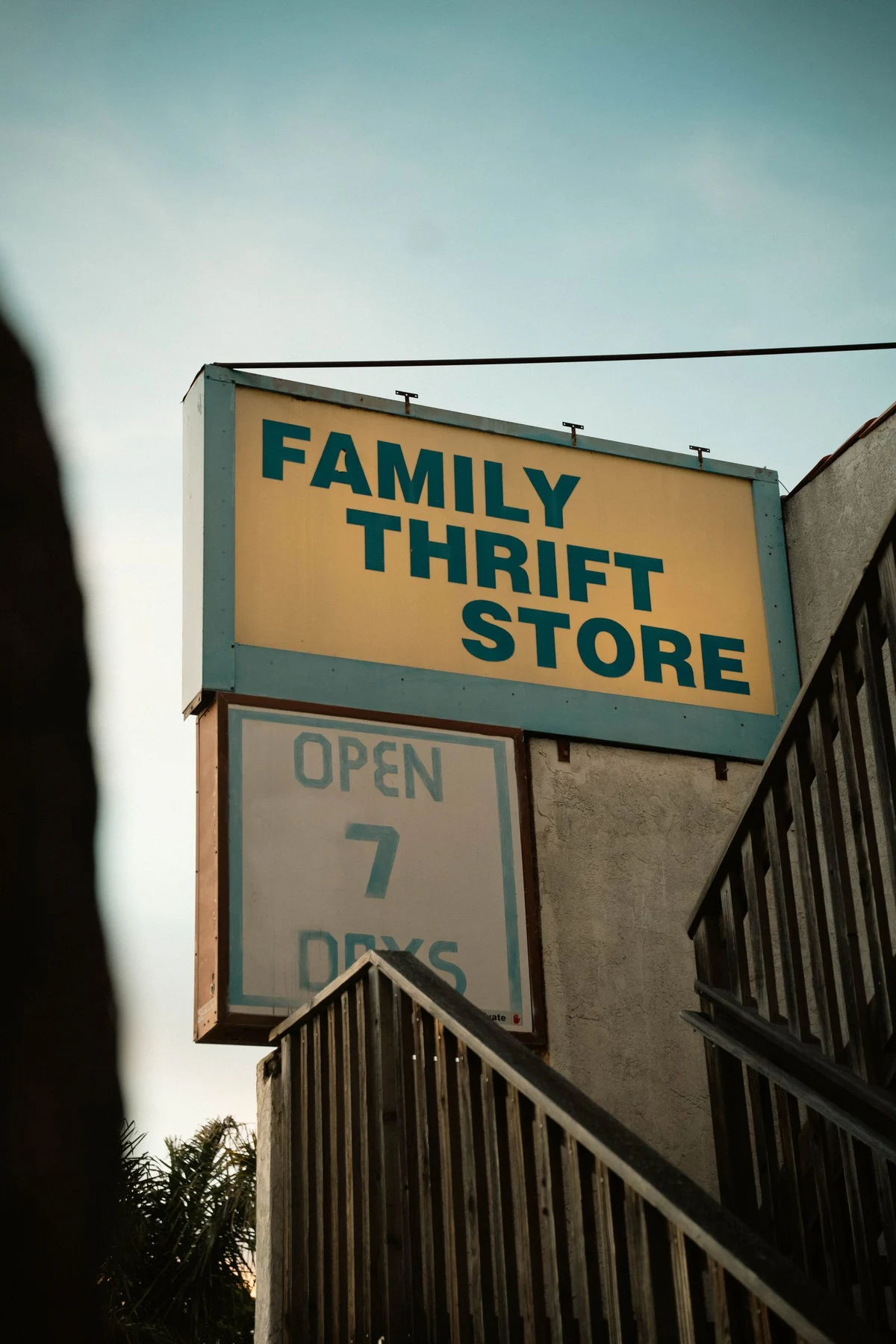
Make the thrift store your first stop, not your last resort. Boho furniture is common in charity shops, because rattan chairs, wooden side tables, and woven baskets cycle through them constantly as people redecorate. Visit regularly rather than once, since stock changes daily, and go with measurements of your room and doorways, so a bargain chair does not turn into a piece that will not fit through the door.
Set a simple rule before you shop: buy only pieces that are solid, cleanable, and in a shape you genuinely like, because a cheap piece you dislike still costs floor space. Check joints for wobble, drawers for smooth running, and upholstery for smells that cleaning cannot fix. The best thrift finds need only a wipe, a coat of oil, or new cushion covers to look at home.
2. Hunt Secondhand Furniture First

Secondhand furniture warehouses and online marketplaces are goldmines for boho living rooms, with solid wood pieces that would cost many times more new. A heavy wooden cabinet, a set of dining chairs, or a low coffee table can anchor the room for very little money, and older furniture is often better built than flat-pack equivalents. Search with broad terms like wooden cabinet or rattan chair, since sellers do not always use the word boho.
Arrange collection or delivery before you pay, because large pieces are awkward to move and delivery costs can erase the saving. Bring a friend, a tape measure, and blankets for the car, and inspect the piece in daylight if you can. A scratch on a wooden top is easy to sand out, but a cracked frame or a warped door is a reason to walk away, no matter how low the price.
3. Deep-Clean a Secondhand Sofa Before It Enters the Room

A secondhand sofa can be the best bargain in the room, but only if you clean it properly before it earns its place. Start with a thorough vacuum, including under the cushions and along the seams, then spot-clean marks with a fabric cleaner suited to the material. If the covers come off, wash them on a gentle cycle, and let everything dry fully before the sofa moves indoors, so no damp smell lingers.
Budget for a professional clean if the sofa is a quality piece with stubborn marks, since even a paid clean costs far less than a new sofa. Replace flattened cushion inserts with inexpensive foam or fiberfill, which revives the seat shape dramatically. A cleaned, re-stuffed secondhand sofa with fresh throws looks intentional, while an uncleaned one makes the whole room feel secondhand in the wrong way.
4. Rescue a Tired Sofa With a Slipcover

A slipcover is the fastest rescue for a sofa whose color or fabric no longer suits the room. A plain white, cream, or natural linen slipcover instantly lightens a dark sofa and gives you the relaxed boho base that patterned cushions need. Choose a washable cotton slipcover with elastic edges or ties, so it stays in place and survives regular washing, which matters in a room that gets daily use.
Measure the sofa carefully, including arm height and seat depth, because a loose slipcover looks sloppy while a tight one strains at the seams. Tuck excess fabric into the seat crevices with a wooden spoon handle, and add a throw over one arm to hide any remaining wrinkles. A slipcover also protects a good sofa from pets and children, which makes it practical as well as pretty.
5. A Thrifted Rattan Chair as Your Statement Seat

One thrifted rattan chair can carry the whole boho look, because its woven texture and curved shape read as bohemian instantly. Look for chairs with tight, even weaving and no broken strands, and test the seat for sag before buying. A cushion in a solid warm color and a throw over the arm make the chair inviting, while a small side table beside it turns the corner into a reading spot.
Rattan chairs are common secondhand because they suit conservatories and sunrooms that owners later clear out, so patience usually pays off. Clean the weave with a damp cloth and a soft brush, and oil any wooden parts to restore their color. Place the chair where its silhouette is visible from the doorway, since a rattan chair hidden behind a sofa loses half its charm.
6. A Secondhand Velvet Sofa in a Rich Color

A secondhand velvet sofa in deep green, rust, or mustard is a budget shortcut to a room that looks collected and rich. Velvet was popular enough that good examples appear regularly in secondhand shops, often at a fraction of their original price, and the fabric’s sheen makes even a simple room feel dressed. Check for worn patches on the arms and seat edges, which are hard to repair, and sit on the sofa for a few minutes before committing.
Style a velvet sofa with a small gold or brass side table and plain linen cushions, so the fabric itself stays the star. Velvet shows dust and pet hair, so a quick brush or vacuum once a week keeps it looking fresh. If the color feels bold, balance it with cream walls and a natural rug, which let the sofa glow without overwhelming the room.
Paint and Walls on a Budget
Walls are where a small budget goes furthest. Paint, handmade hangings, and thrifted frames transform a room for the price of a single new piece of furniture.
7. One Fresh Coat of Paint Changes Everything
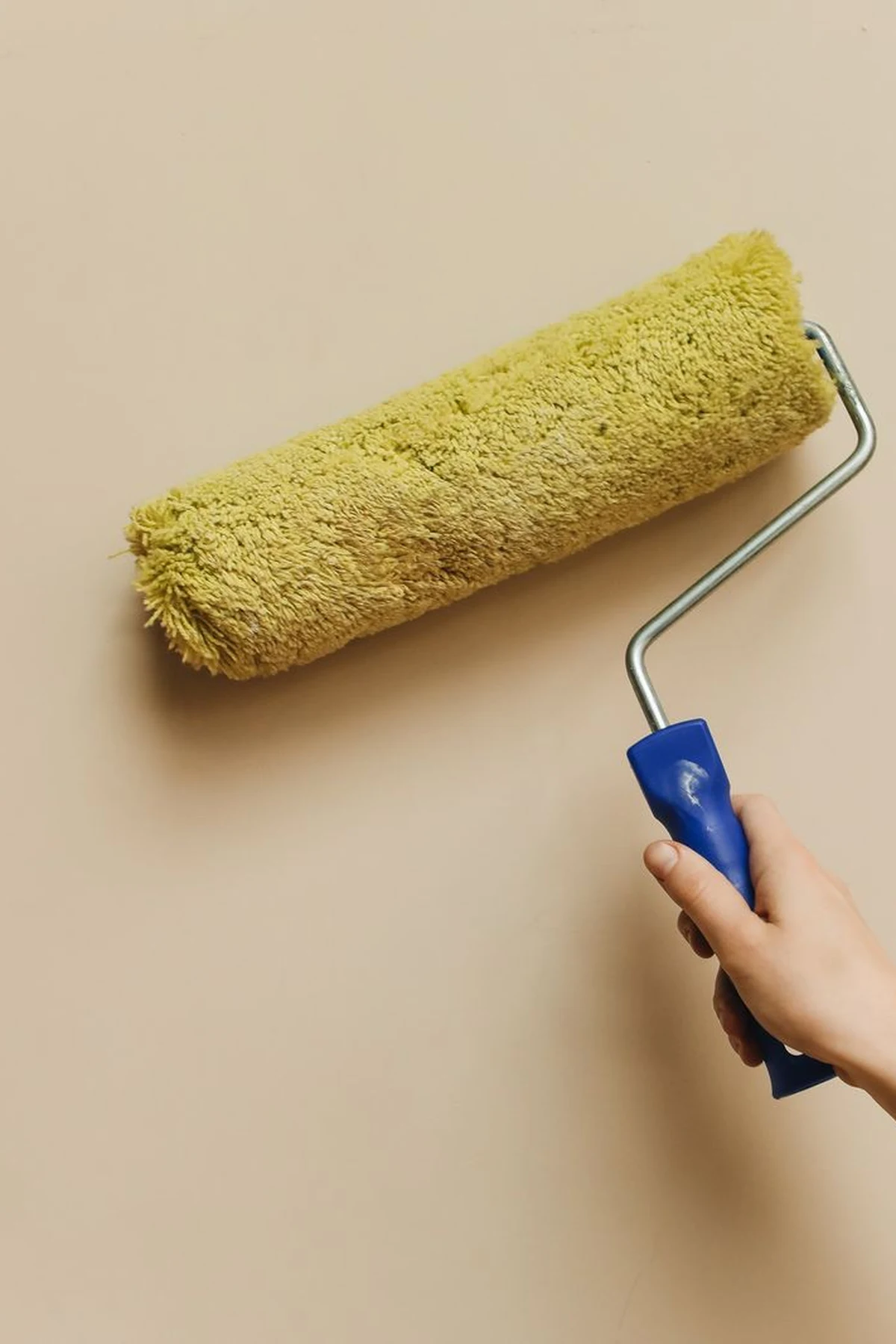
A single coat of warm white, cream, or soft sage paint is the cheapest transformation a boho room can get. It freshens tired walls, makes thrifted furniture look intentional, and gives plants and textiles a calm backdrop. One feature wall in a warm earthy tone, such as clay or olive, adds depth without the cost of painting the whole room, and a roller, a tray, and a brush are all the tools you need.
Prepare the wall properly, since paint over dirt or flaking patches peels quickly and wastes the effort. Fill small holes, sand rough spots, and wash greasy areas near the kitchen, then paint in daylight so missed patches show up. Buy paint in the largest tin that makes sense for the area, since small tins cost far more per liter, and keep the leftover paint for touch-ups.
8. DIY Macramé Wall Hanging for the Price of Cord

Macramé wall hangings sell for high prices in shops, but the materials cost very little: a wooden dowel, a ball of cotton cord, and a few hours. Beginner patterns use just two or three knots repeated, and free tutorials walk through each step, so a first piece can be finished in a weekend. Hang the finished piece above the sofa or on a narrow wall, where its texture softens the room instantly.
Choose cotton cord in a natural cream color, which suits almost any boho palette, and keep your first design simple rather than ambitious. A small hanging that is neat beats a large one that unravels, and you can always make a bigger piece once the knots feel natural. If knotting is not for you, a length of cord with wooden beads and tassels gives a similar handmade feel for even less effort.
9. A Woven Basket Wall Display

Flat woven baskets make beautiful wall art for the price of a few thrifted finds. Collect baskets in different sizes and weaves, lay them on the floor to plan the arrangement, then hang them with a single nail each, starting with the largest basket in the center. The result adds texture and pattern to a bare wall for far less than framed art, and it suits the boho love of natural materials perfectly.
Look for baskets in charity shops, where they often cost very little, and mix round, oval, and shallow shapes for interest. Keep the color palette to natural tones with one accent, such as black or terracotta, so the display feels curated rather than random. Step back after hanging each basket, because spacing mistakes are easier to fix one at a time than after the whole wall is done.
10. A Taped Photo Wall for Almost Nothing
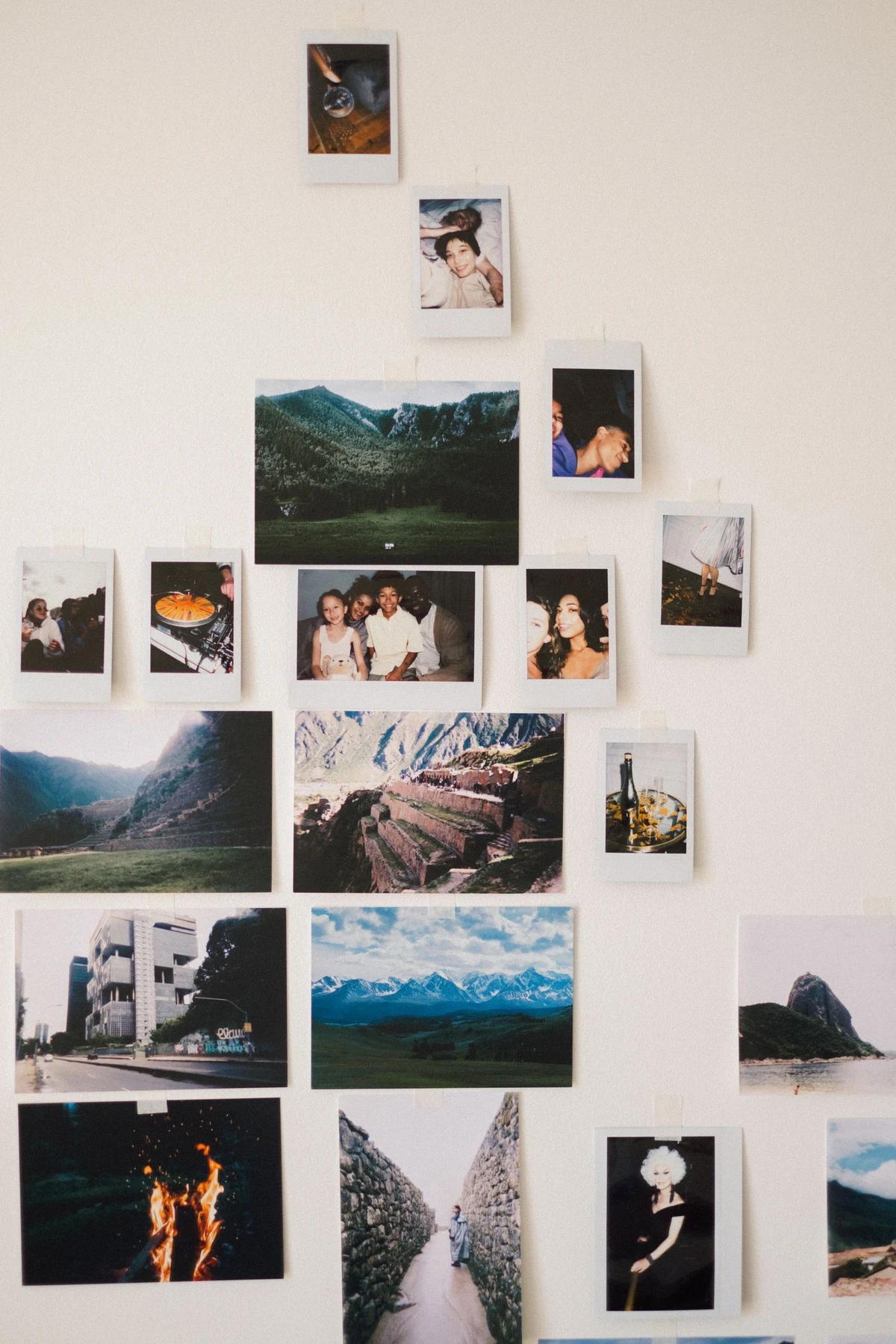
A taped photo wall is the cheapest gallery there is, and it suits boho style because it feels personal rather than polished. Print your favorite photos at home or at a copy shop, arrange them in a loose grid or cluster on the wall, and fix them with washi tape or small clips. The tape itself becomes part of the look, especially in a warm color or a simple pattern.
Keep the prints the same size for a tidy grid, or mix sizes deliberately for a scrapbook feel, but do not mix the two approaches on one wall. Leave a little space between prints so the wall color shows through, and replace photos seasonally as new favorites appear. This is also a renter-friendly idea, since tape removes cleanly while nails leave holes to fill.
11. A Gallery Wall of Thrifted Frames

Thrifted frames turn a gallery wall from an expensive project into a weekend hunt. Charity shops sell frames for very little, and a mix of wood, gold, and black frames suits boho style far better than identical new ones. Fill them with your own photos, free printable art, or pages from old books, and hang the largest frame first at eye level, building outward from there.
Spray-paint mismatched frames in one or two colors if the mix feels too chaotic, since a unifying color pulls the whole wall together. Measure and mark the wall lightly in pencil before hammering, or lay the arrangement on the floor and photograph it first. A gallery wall built slowly, one thrifted frame at a time, ends up more personal than one bought in a single set.
12. Grouped Vintage Mirrors That Open the Room

Grouped vintage mirrors are a budget trick that makes a small room feel larger, because each mirror bounces light and doubles the sense of space. Look for ornate or unusual frames secondhand, since the frame matters more than the mirror itself, and hang a cluster of three or four at different heights. A mirror opposite a window works hardest, reflecting daylight deep into the room.
Check secondhand mirrors for black spots or desilvering at the edges, which are hard to fix, and hang heavy mirrors with proper wall fixings rather than adhesive strips. Clean the glass and polish the frames before hanging, since a dusty mirror group looks like storage rather than decor. Keep one mirror at eye level for practical use, and let the others be purely decorative.
Floors, Storage, and Soft Seating
Boho comfort lives at floor level. Layered rugs, baskets, and floor cushions cost little, especially secondhand, and they make the room feel soft and welcoming.
13. Layered Secondhand Rugs Underfoot
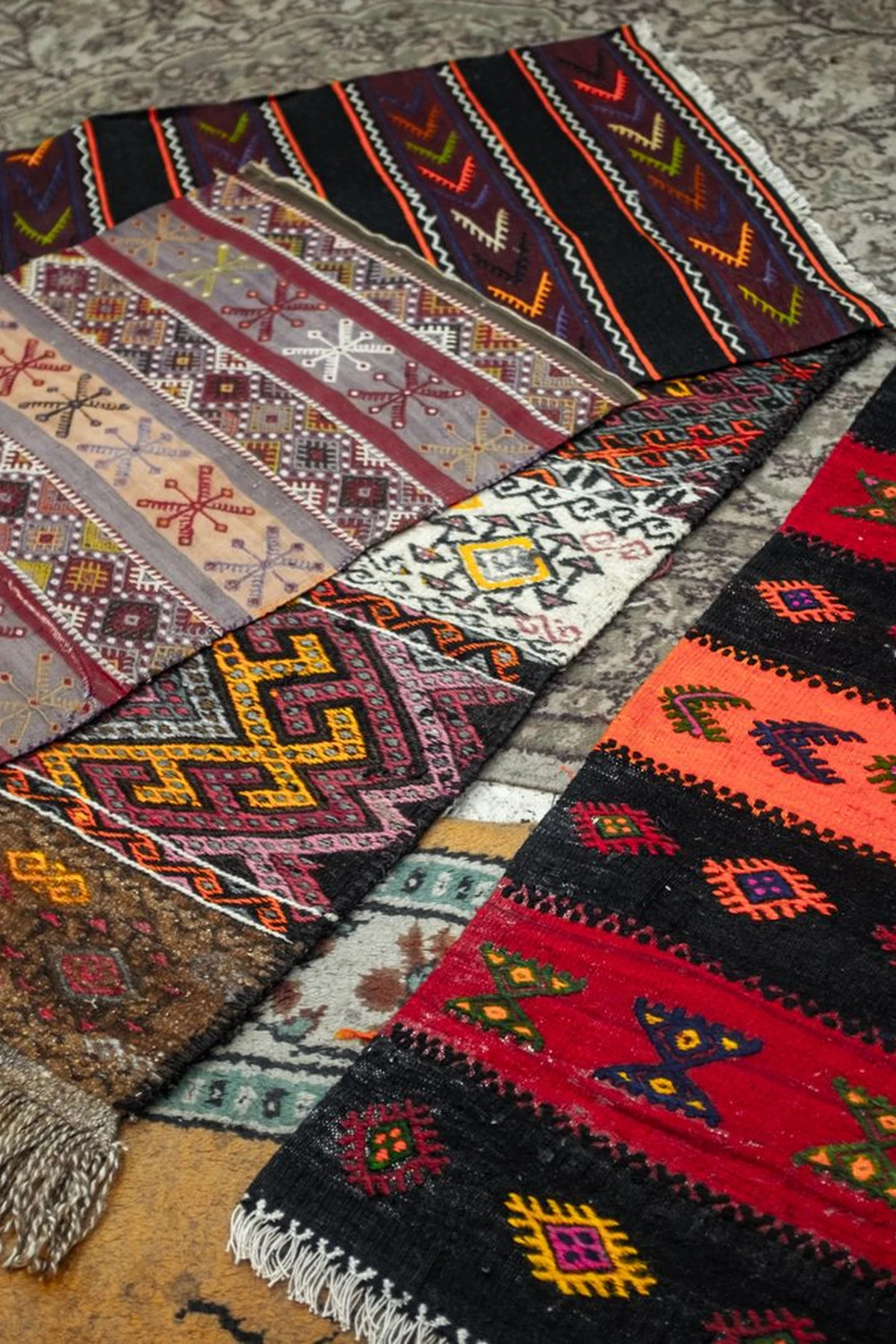
Layering rugs is the classic boho floor trick, and it is cheaper when the rugs are secondhand. Start with a large, plain rug in jute or a neutral weave, then layer a smaller patterned rug on top at an angle. The combination adds warmth, pattern, and softness for less than one new designer rug, and it hides worn floors beautifully.
Clean secondhand rugs thoroughly before laying them, with a good vacuum on both sides and a spot clean for marks, and air them outside for a day if they smell musty. Use rug tape or a non-slip pad under the top rug, so the layers do not slide, and keep the bottom rug flat and low-pile for safety. Rotate the top rug occasionally, so foot traffic wears it evenly.
14. A Small Round Rug to Ground a Corner

A small round rug is a budget-friendly way to define a corner, especially under a rattan chair or a plant grouping. Round rugs cost less than large rectangular ones, and their shape softens a room full of straight furniture lines. Choose a colorful woven or braided rug, which adds pattern without needing a large area, and place it so the chair sits fully on it rather than half off.
Round rugs suit entry corners, reading nooks, and the space beside a sofa, where a full rug would be wasted. Look for them secondhand or in end-of-line sales, and check the edges for fraying, which spreads quickly on braided rugs. A round rug with a plant and a chair on it becomes a destination in the room, not just a floor covering.
15. Woven Baskets for Storage That Looks Like Decor

Woven baskets are the cheapest good-looking storage a boho room can have. They hide throws, toys, magazines, and chargers while looking like decor themselves, and they cost very little secondhand. Place a large basket by the sofa for throws, a medium one by the door for shoes, and a small one on a shelf for remotes, so every kind of clutter has a home.
Choose baskets with lids for anything you want fully hidden, and open baskets for throws you reach for daily. Line baskets used for damp items, and keep them off damp floors, since natural fibers dislike moisture. When a basket starts to fray, trim loose strands rather than pulling them, which unravels the weave, and the basket will last for years.
16. Patchwork Floor Cushions for Extra Seats

Floor cushions are boho extra seating at its cheapest, especially patchwork ones made from fabric remnants or bought secondhand. They tuck under tables, stack in corners, and pull out when friends visit, doubling as footrests in between. Choose firm filling, such as foam or buckwheat, rather than loose fiberfill, which flattens after a few sittings and turns a seat into decoration.
Make your own covers from old curtains, tablecloths, or fabric offcuts, which keeps the cost near zero and the pattern mix personal. Use removable, washable covers, since floor cushions pick up dust faster than sofa seats, and keep a spare set so a stained cushion can be washed without leaving the seating short. A thick rug underneath makes floor cushions comfortable for longer sits.
Plants and Light on a Budget
Plants and warm light finish a boho room, and both can be nearly free. Cuttings, terracotta pots, and fairy lights do the work of expensive decor.
17. Terracotta Pots in Every Size

Terracotta pots are the cheapest pots that still look good, and grouping them in different sizes looks more collected than matching sets. Their warm orange-brown tone echoes the boho palette, and the porous clay helps soil dry between waterings, which suits many houseplants. Buy them in bulk from garden centers or secondhand, where they often sell for very little, and use saucers to protect wooden floors.
Soak new terracotta pots in water for a few hours before planting, so the dry clay does not steal moisture from the soil. Over time, white mineral marks appear on the outside, which many boho rooms embrace as patina, though a vinegar wipe removes them if you prefer a clean look. Paint a few pots in cream or sage for variety, keeping most of them natural for warmth.
18. Hanging Plants Grown From Cuttings
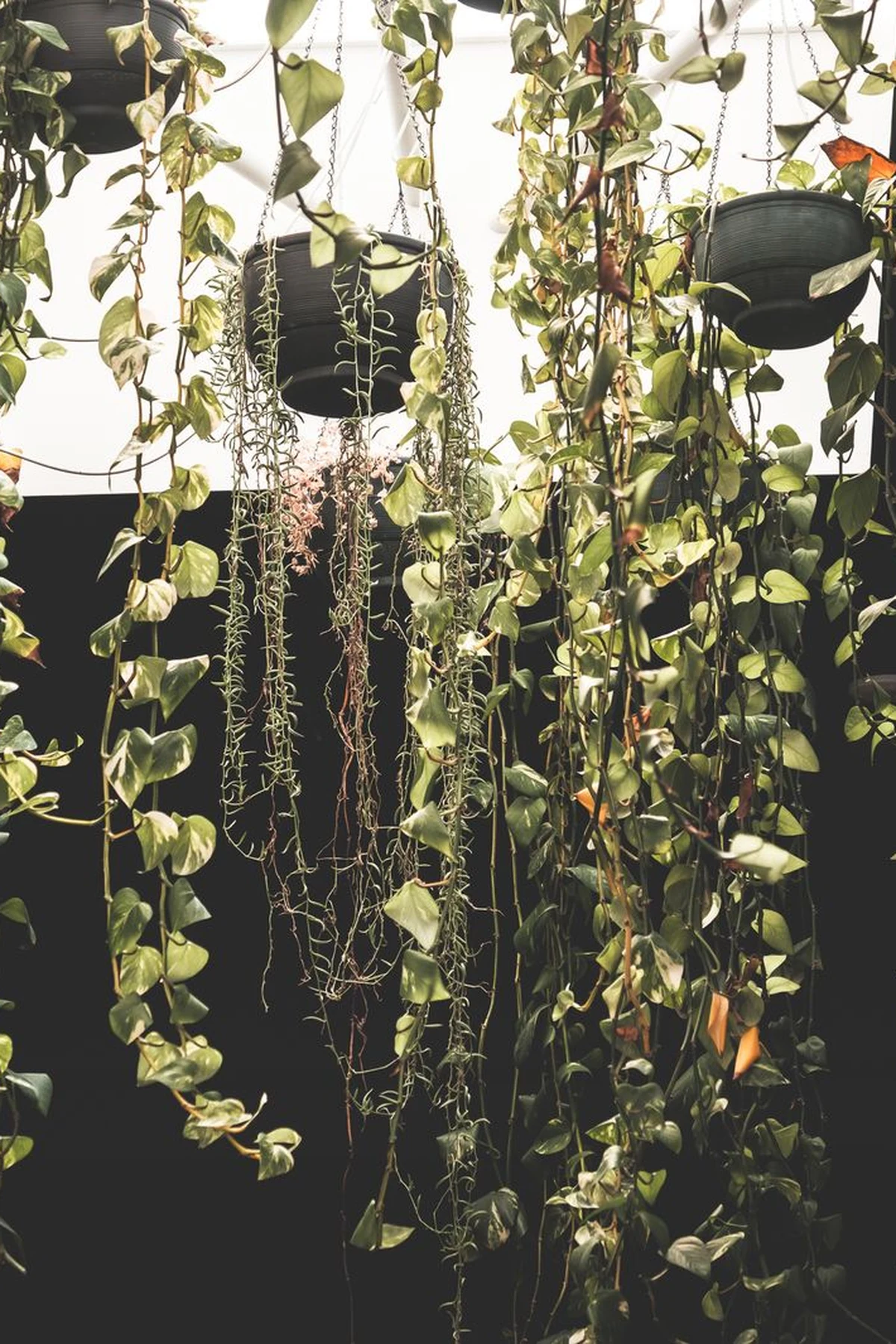
Hanging plants grown from cuttings are the ultimate budget boho idea, because they start free. Ask friends for cuttings of pothos, spider plants, or trailing philodendron, root them in water on a windowsill, and pot them once roots appear. Hang them in macramé hangers or simple hooks near a window, where trailing leaves fill the empty upper part of the room.
Use ceiling hooks screwed into joists, not stick-on hooks, since wet soil doubles a plant’s weight and a falling plant damages floors and furniture. Water hanging plants with a long-spout can, and check the soil with a finger before watering, since overwatering kills more cuttings than neglect. Within months, a single cutting becomes a trailing display that would cost a great deal bought fully grown.
19. Dried Pampas That Costs Almost Nothing
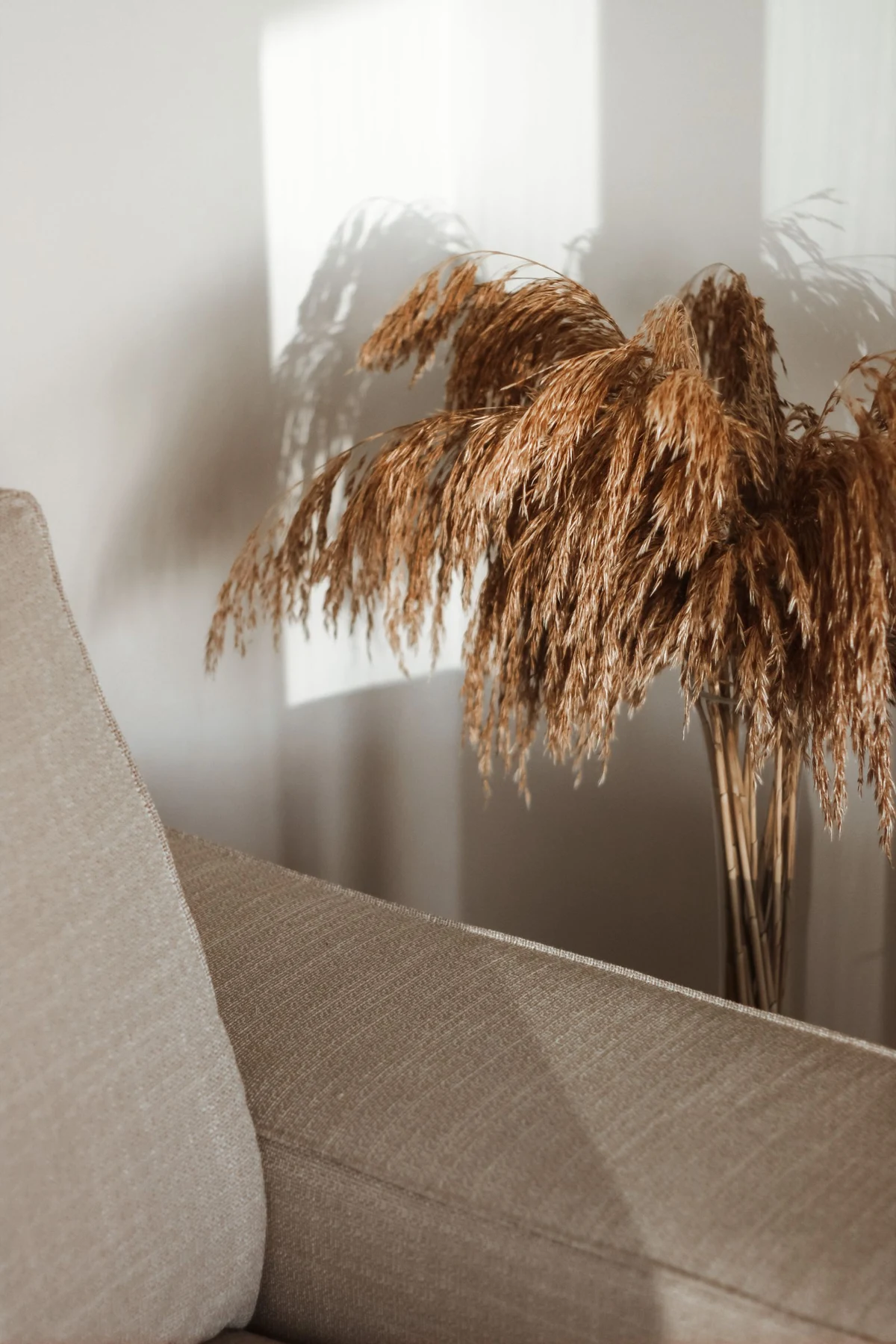
Dried pampas grass adds height, softness, and movement to a boho room without any watering, and a single bunch lasts for months. It is often free from gardens or very cheap from markets, and a tall bunch in a floor vase fills a corner that would otherwise need furniture. Shake each stem outside before bringing it indoors, to reduce shedding, and trim stems at an angle for a clean look.
Spray pampas lightly with hairspray to reduce shedding further, and keep it away from open flames and radiators, since dried grass is flammable and dries out further near heat. Replace stems once a year when they start to look thin, and keep a few short stems for table vases, so the pampas theme repeats through the room without extra cost.
20. Fairy Lights Instead of a New Lamp

Fairy lights are the cheapest warm light a boho room can buy, and they transform evenings for the price of a takeaway coffee. Drape warm-white lights along a shelf, a mantel, or a window frame, and keep the main lights low, so the room glows softly. Choose lights on a timer, so they switch on at dusk automatically, and hide the battery pack behind a plant or basket.
Warm-white lights around 2700K suit boho rooms far better than bright white or multicolor ones, which clash with the earthy palette. Run the lights along a shelf edge rather than draping them loosely, which looks intentional and stops them tangling with plants. A single strand is often enough, and two strands on different shelves layer the glow beautifully without any new lamp purchase.
How to Choose
Start with the biggest saving first: a secondhand sofa or chair, cleaned and slipcovered if needed, sets the room’s character for very little money. Then spend your small budget where it shows most, on paint, rugs, and plants, and make the rest yourself, from macramé to photo walls. Keep a palette of three warm, earthy colors, buy slowly, and let the room grow piece by piece, because a boho room built over time always looks more personal than one bought in a single shopping trip.
More Living Room Ideas You’ll Love
- 90s Living Room Ideas
- Colorful Living Room Ideas
- Bohemian Home Decor Ideas
- Minimalist Room Design Ideas
Frequently Asked Questions
How much does a budget boho living room cost?
It can be done for very little if you thrift the furniture and make the decor yourself. A secondhand sofa, a thrifted chair, paint, and plants are the main costs, while macramé, photo walls, and cuttings cost almost nothing. Building the room slowly, one thrifted piece at a time, spreads the cost and usually gives a better result than buying everything at once.
What is the cheapest way to make a room look boho?
Start with plants, textiles, and warm light, which transform a room cheaply. Add layered rugs, floor cushions, and fairy lights, then a handmade wall hanging or a basket display. These elements cost little, especially secondhand or handmade, and they deliver the relaxed, layered boho feeling before any furniture changes.
Where should I shop for budget boho furniture?
Charity shops, secondhand warehouses, online marketplaces, and local selling groups are the best sources. Visit regularly, search with broad terms, and check joints, springs, and smells before buying. End-of-line sales and garden centers are good for rugs and terracotta pots, while friends and cuttings cover most of the plants for free.
Can a boho living room on a budget still look stylish?
Yes, and often it looks more stylish than an expensive one, because thrifted and handmade pieces carry character that new sets lack. The key is a limited color palette, clean secondhand pieces, and a little empty space, so the room feels collected rather than cluttered. Edit regularly, and remove anything that does not add warmth or function.
Photos: Pexels (free to use).


