
20 Herb Garden Ideas for Fresh Flavour at Home, from Pots to Raised Beds
Fresh herbs change the way a kitchen feels. A handful of basil torn over pasta, mint in a glass of cold water, or rosemary pressed onto roast potatoes all taste better when they were growing outside the door an hour earlier. The good news is that herbs are among the easiest plants to grow, and they ask for very little space. A sunny sill, a balcony rail, or one raised bed can keep a household supplied for months.
Indoors and Small Spaces
1. Potted Herbs on a Sunny Windowsill
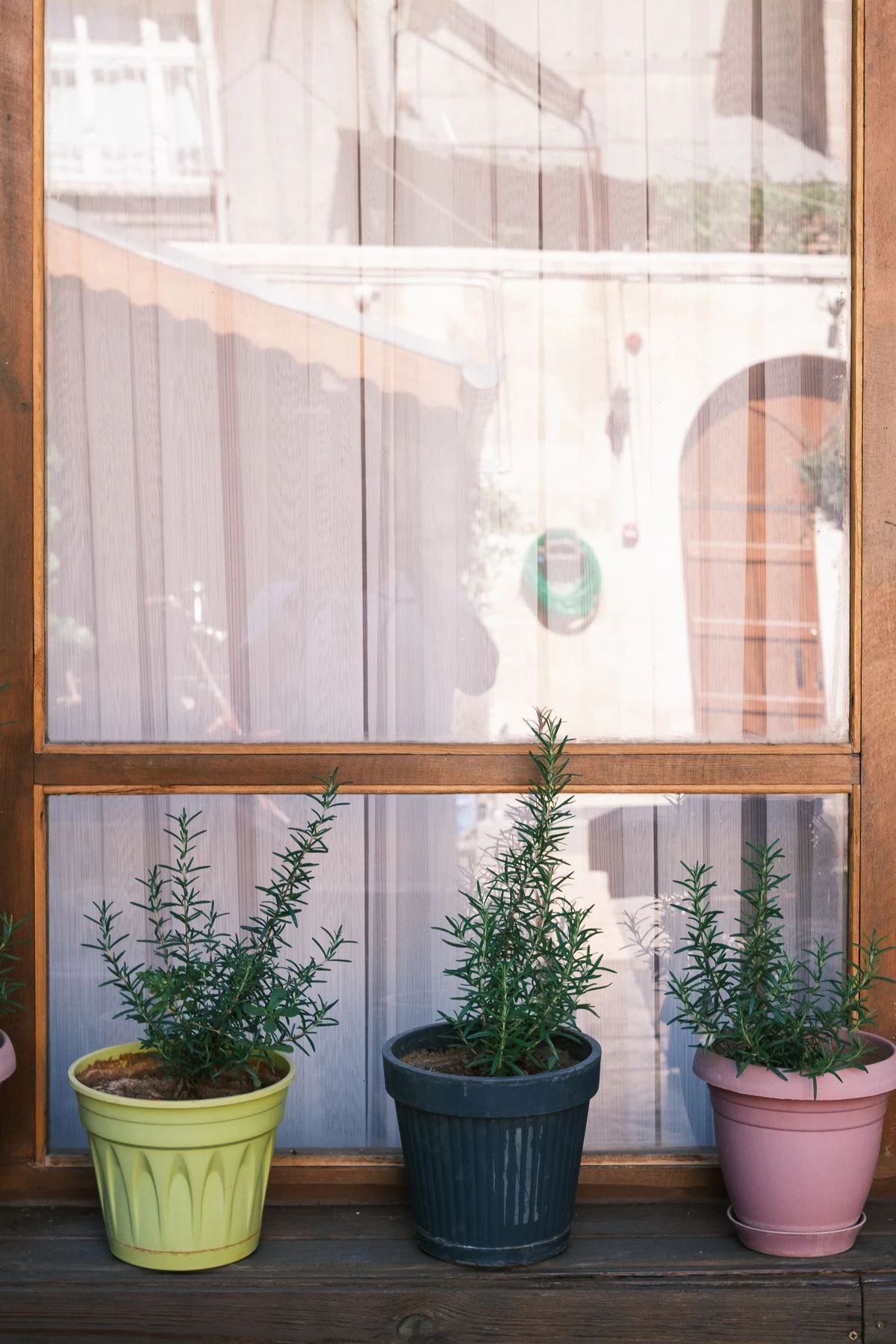
A windowsill is the simplest place to start a herb garden, and it works even if you have no outdoor space at all. Choose a sill that gets at least four hours of direct sun, and set out three or four pots of the herbs you cook with most, such as basil, parsley, chives, or mint. Small pots dry out quickly, so check the soil with a fingertip every day and water when the top feels dry.
Give each herb its own pot rather than crowding several into one container, because mint in particular will crowd out its neighbours. Turn the pots every few days so the plants grow evenly instead of leaning toward the glass. Snip leaves from the outside of each plant, and it will keep producing fresh growth for weeks.
2. Wall-Mounted Planter Boxes
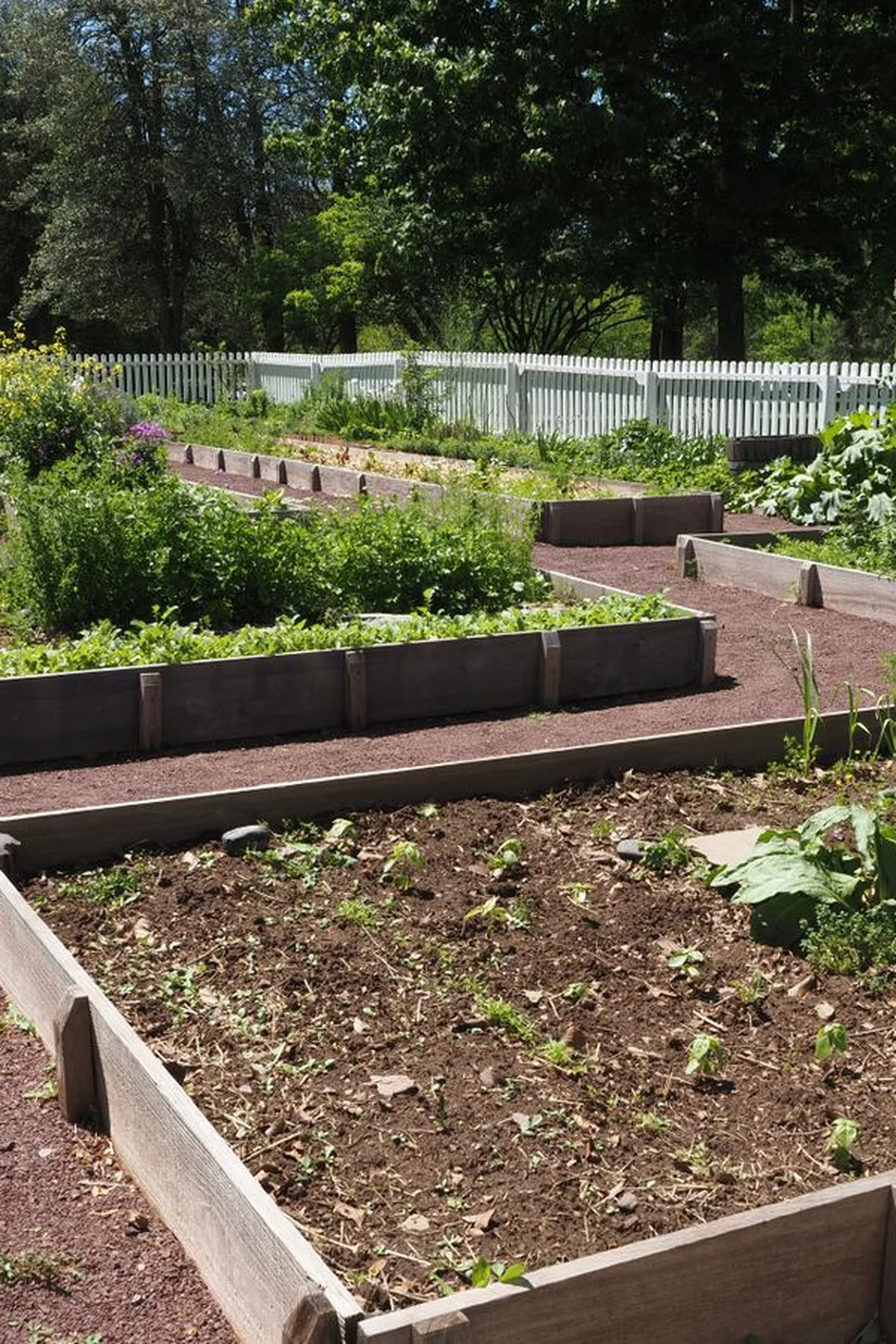
A bare wall becomes growing space when you fix sturdy wooden boxes to it and fill them with leafy herbs. Wall planters suit narrow courtyards and small patios where floor space is precious, and they keep herbs at a comfortable height for picking. Use boxes at least 15 centimetres deep, line them to slow moisture loss, and drill drainage holes so roots never sit in water.
Plant trailing herbs such as thyme or oregano at the front of each box, where they can spill over the edge, and put upright growers like parsley behind them. Water wall planters more often than ground beds, since they dry out faster in wind and sun. A small watering can with a narrow spout reaches the boxes without splashing the wall.
3. Hanging Baskets for Trailing Herbs
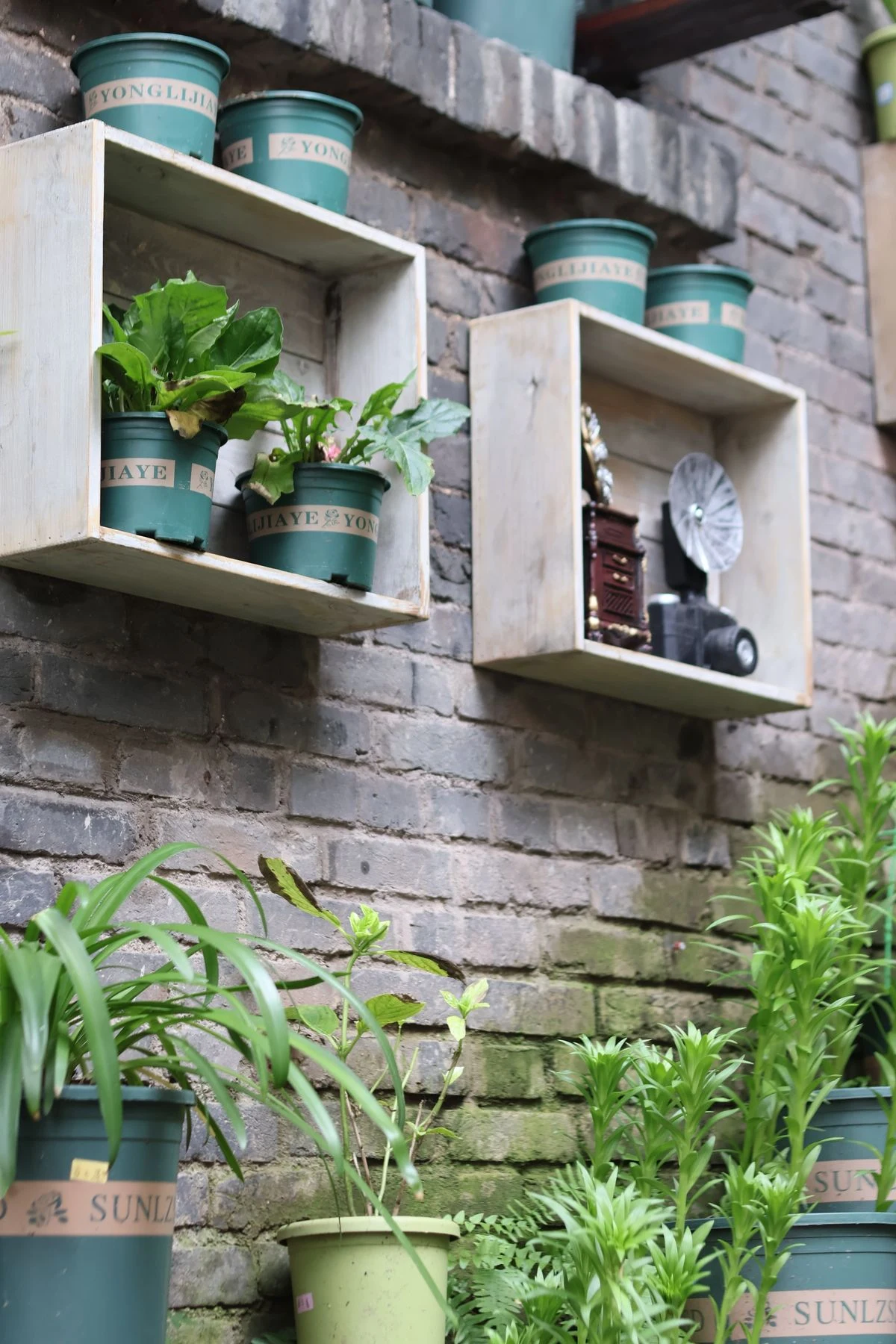
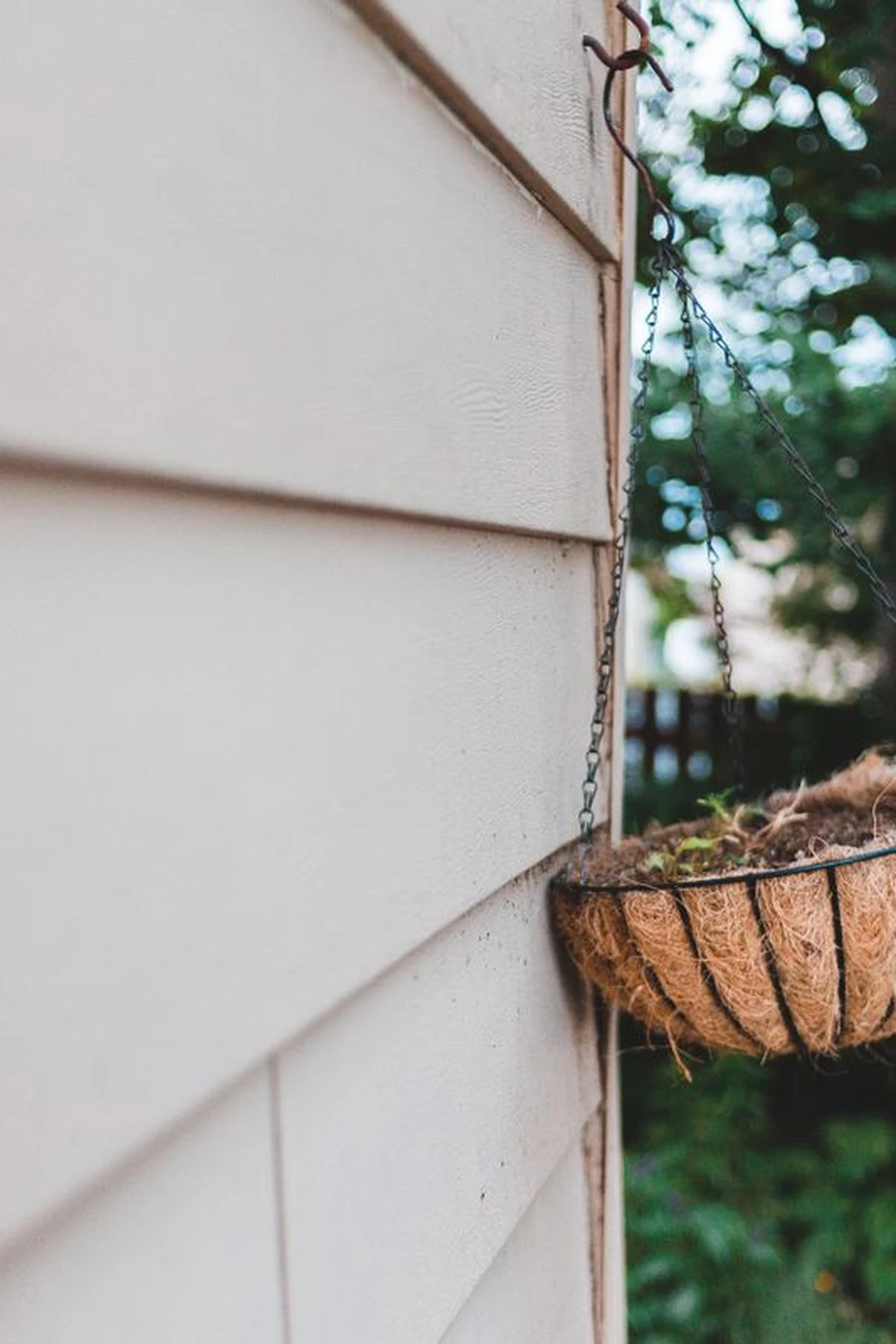
A hanging basket lined with coir is a classic home for trailing herbs, and it frees up every centimetre of ground below. Hang it from a sturdy bracket on a porch or a pergola beam, where it catches morning sun but escapes the harshest afternoon heat. Line the basket well, fill it with good potting mix, and plant thyme, oregano, or trailing rosemary around the sides as well as the top.
Hanging baskets dry out faster than any other container, so check them daily in warm weather and water until it drips from the base. Feed every two weeks with a weak liquid feed to replace nutrients washed out by frequent watering. When growth gets straggly, trim it back lightly and the basket will fill out again.
4. Kitchen Counter Herb Pots
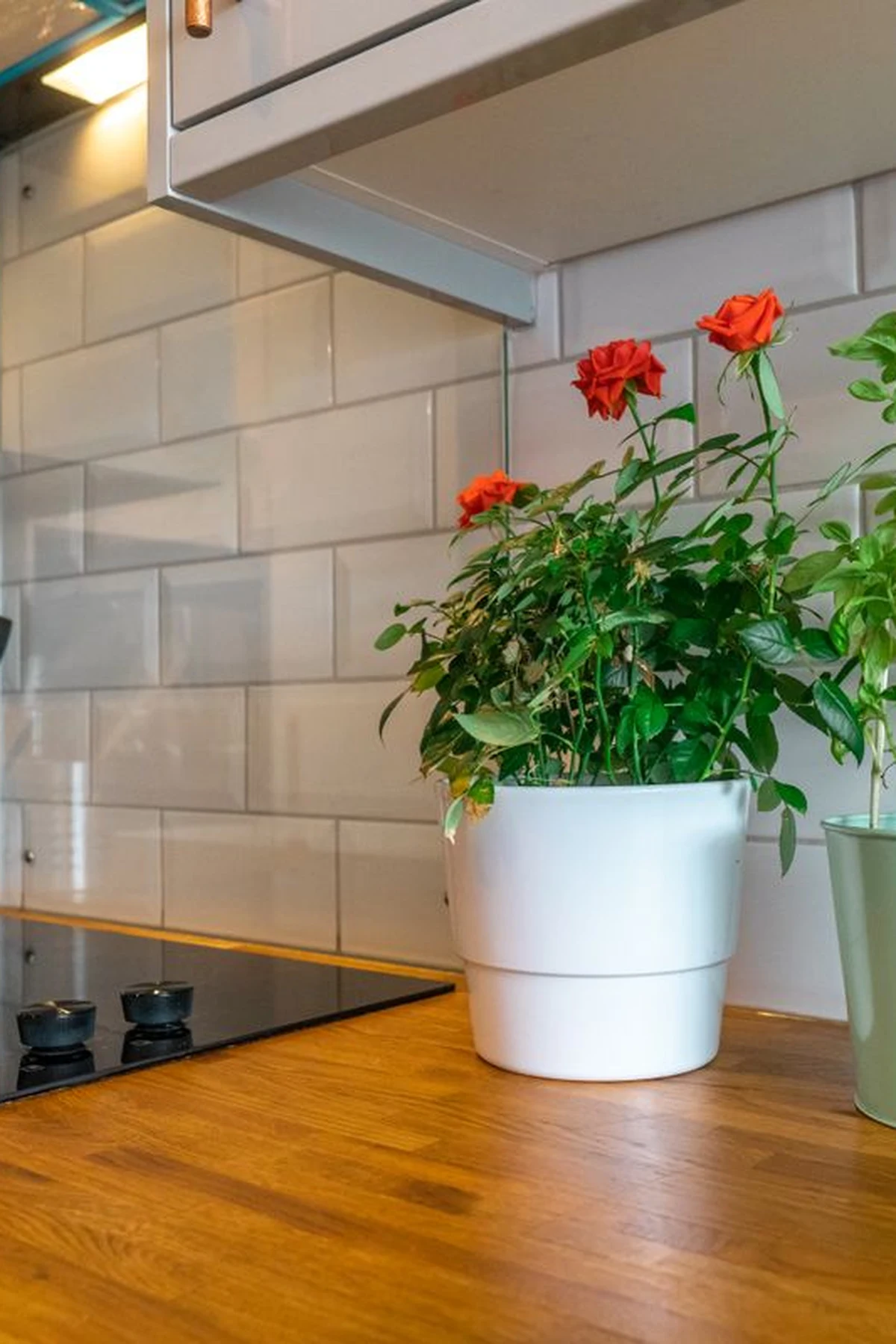
Keeping a pot of basil right beside the stove means fresh leaves are always within reach while you cook. A bright kitchen counter near a window suits basil, chives, and parsley, which all enjoy warmth and regular picking. Choose a pot with drainage holes and a saucer, since a countertop must stay dry, and avoid placing pots directly above a hot hob.
Rotate counter pots every few days so they do not lean toward the window, and snip the top leaves of basil often to keep the plant bushy rather than tall and thin. If a plant starts to look pale, move it closer to the light for a week. A counter herb that is picked often stays compact and productive far longer than one left untouched.
5. Herbs Growing in a Mason Jar
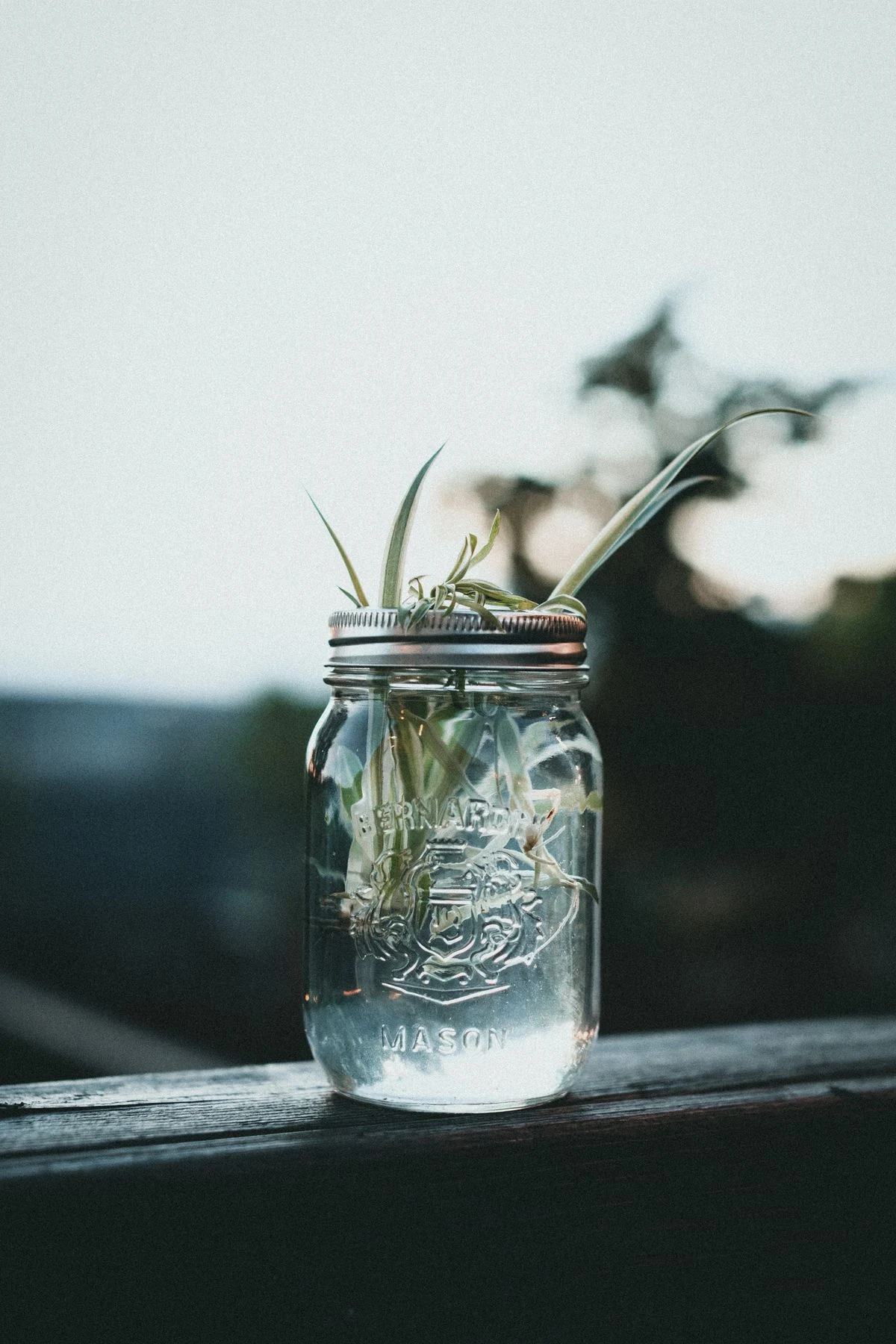
A mason jar of water on a bright sill is the easiest way to start new herb plants from cuttings. Snip a healthy stem just below a leaf joint, strip the lower leaves, and stand it in clean water, changing the water every few days to keep it fresh. Mint, basil, and oregano root readily this way, and watching roots appear in the glass is satisfying in itself.
Once roots reach a few centimetres, move the cutting into potting mix and keep it moist for the first week while it settles. A jar garden also works as a holding spot for a supermarket herb plant while you find it a proper pot. Keep jars out of scorching midday sun, which heats the water and stresses the cutting.
6. A Balcony Planter Box
A balcony planter box turns even a small outdoor ledge into a productive herb bed. A long, deep box holds several herbs at once, and it can sit along a railing or on the balcony floor where it catches the most sun. Fill it with a free-draining mix, since balcony boxes are exposed to wind and dry quickly, and mulch the surface with small stones to hold moisture.
On a windy balcony, choose sturdy, low herbs such as thyme, chives, and oregano, which cope better than tall, soft basil. Secure the box so it cannot slide or topple, and check that drainage water does not drip onto neighbours below. A balcony box picked little and often will supply a household all summer.
7. An Indoor Herb Shelf
A simple shelf near a bright window gathers all your indoor herbs into one easy-to-tend spot. Group pots by their thirst: keep basil and parsley, which like steady moisture, together, and put thyme and rosemary, which prefer drier soil, at the other end. A tray under the pots catches drips and protects the shelf, and raising the pots slightly improves air flow underneath.
If natural light is weak in winter, move the shelf as close to the window as possible and turn pots weekly for even growth. A small pair of scissors kept on the shelf makes it easy to snip what you need while cooking. Label each pot if you grow similar-looking herbs, so you never mistake oregano for marjoram.
Outdoors in the Garden
8. A Raised Bed Herb Garden
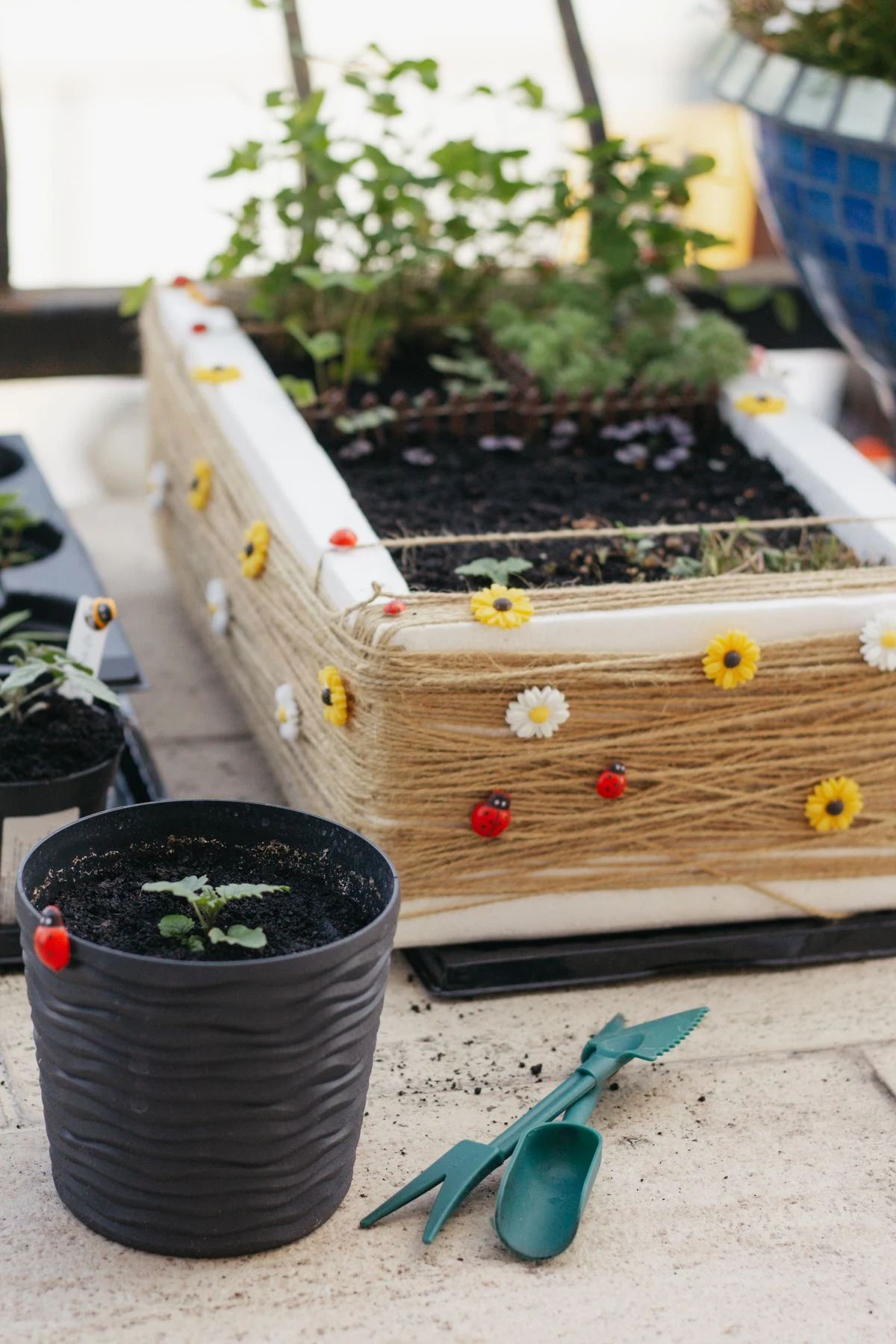
A raised bed gives herbs the drainage and warm soil they love, and it is far easier to tend than a patch at ground level. Build it from untreated timber, fill it with a mix of garden soil and compost, and plant in blocks rather than rows so the bed looks full and lush. Raised beds warm up earlier in spring, which means earlier picking.
Keep perennial herbs such as rosemary, sage, and thyme in one bed, and annuals like basil and dill in another, so you do not disturb established roots when replanting each year. Edge the bed with a narrow path for access from all sides. A bed one metre wide can be reached from either side without ever stepping on the soil.
9. Wooden Crate Herb Garden
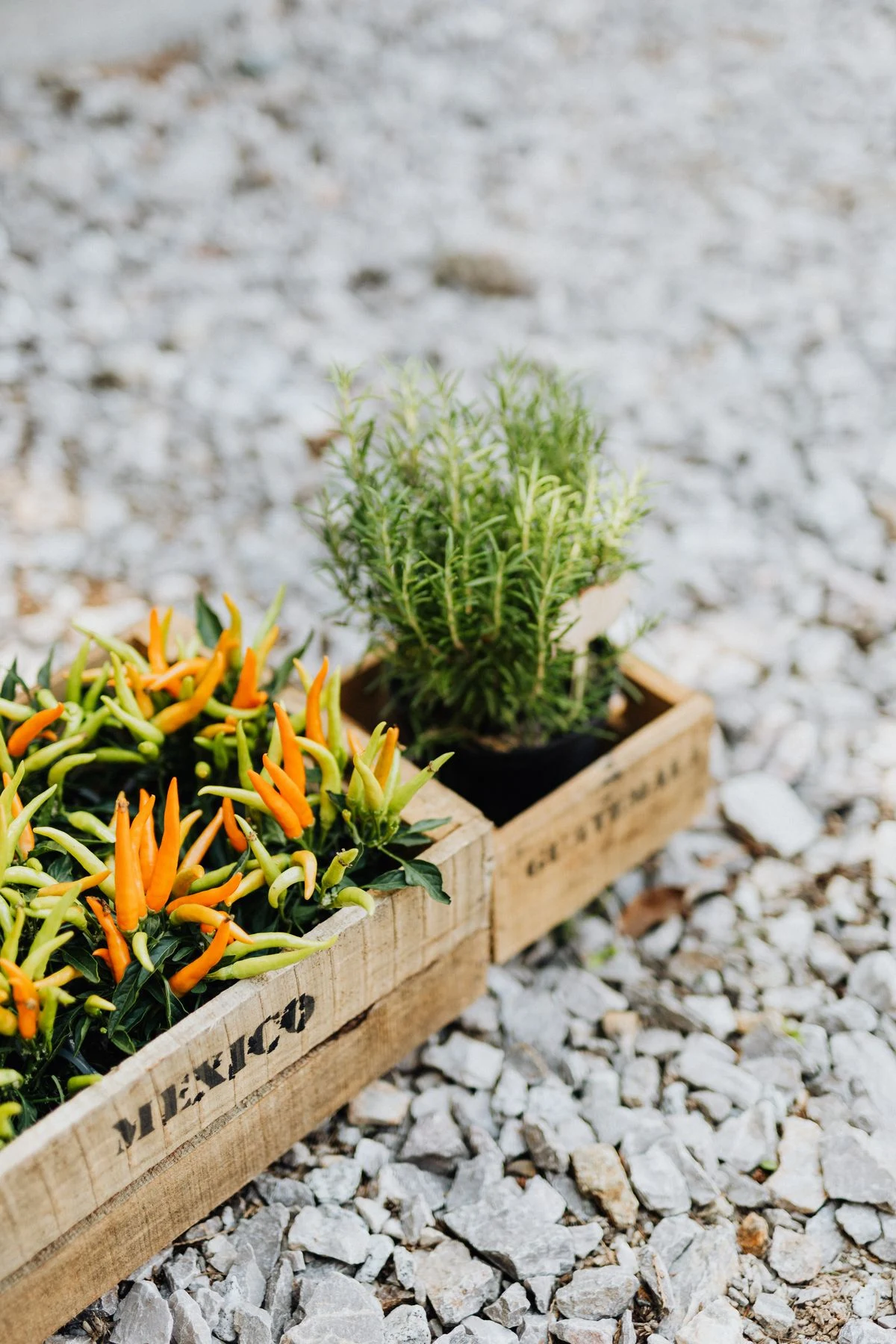
Old wooden crates make charming, portable herb planters, and they suit a rustic patio or a gravel corner perfectly. Line each crate with landscape fabric to hold the soil while letting water drain, then fill it with potting mix and a mix of herbs. Rosemary pairs well with chillies and other sun-lovers in a crate that sits in full sun.
Because crates are shallow, water them more often than deep beds, and top up the soil each spring as it settles. Set crates on bricks or feet so air circulates beneath and the wood dries between waterings. When a crate finally wears out, its herbs can be lifted straight into a new one.
10. Herb Pots by the Kitchen Door
A collection of pots beside the kitchen door is the most practical herb garden of all, because you pass it every time you cook. Group pots of different heights, with tall rosemary or bay at the back and low thyme and chives at the front, so every plant gets light and is easy to reach. A doorstep that gets morning sun suits most culinary herbs.
Use large, heavy pots for the outer spots so wind cannot topple them, and keep a watering can by the door as a reminder. In winter, the pots nearest the wall gain a little shelter, and tender plants can be pulled indoors on frosty nights. This is the herb garden that gets picked most, simply because it is always in the way.
11. Watering Your Potted Herbs
Good watering matters more than any other single habit in a herb garden, especially for plants in pots. Most herbs prefer soil that dries slightly between waterings rather than staying constantly wet, which rots roots. Water slowly until it runs from the drainage holes, then wait until the top few centimetres of soil feel dry before watering again.
Water in the morning when possible, so leaves dry before nightfall and slugs are less active. A long-spout can reaches the soil without wetting the leaves, which helps prevent disease. In hot spells, check pots twice a day, and remember that terracotta pots lose moisture faster than plastic ones.
12. Herb Pots Raised on a Pallet

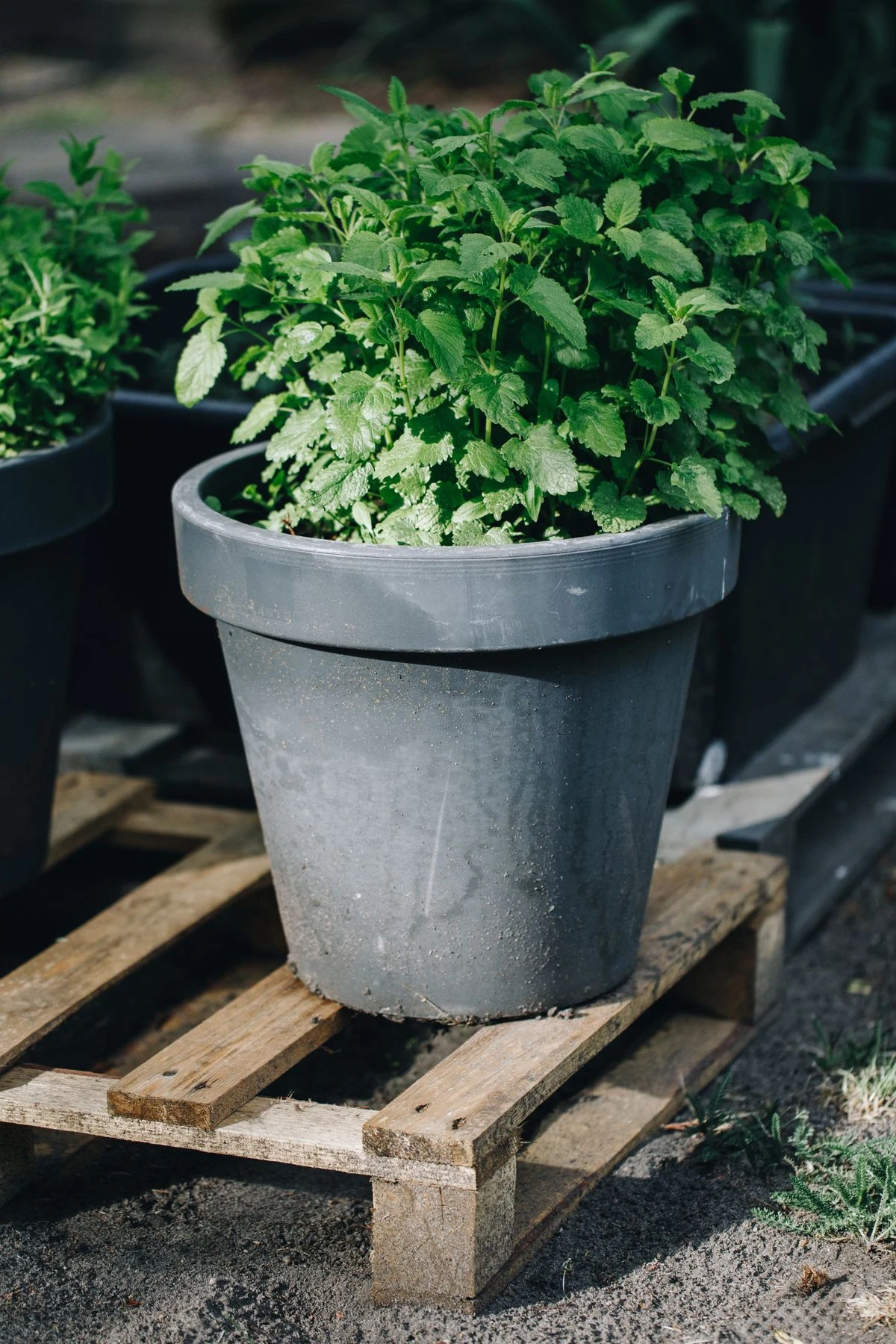
Setting a big herb pot on a wooden pallet lifts it off cold, wet ground and improves drainage underneath. A pallet also makes a heavy pot easier to move with a trolley, and it keeps the base dry so the pot does not stain a patio. Choose a sound, untreated pallet, and set it level before placing the pot, since a tilted pot waters unevenly.
A large pot on a pallet suits a vigorous herb such as lemon balm or mint, which needs room to spread without taking over a bed. The pallet slats let excess water escape freely, so check the soil often in summer. In winter, the air gap under the pallet helps protect roots from ground frost.
Herbs Worth Growing
13. Fresh-Cut Herbs Ready for the Kitchen
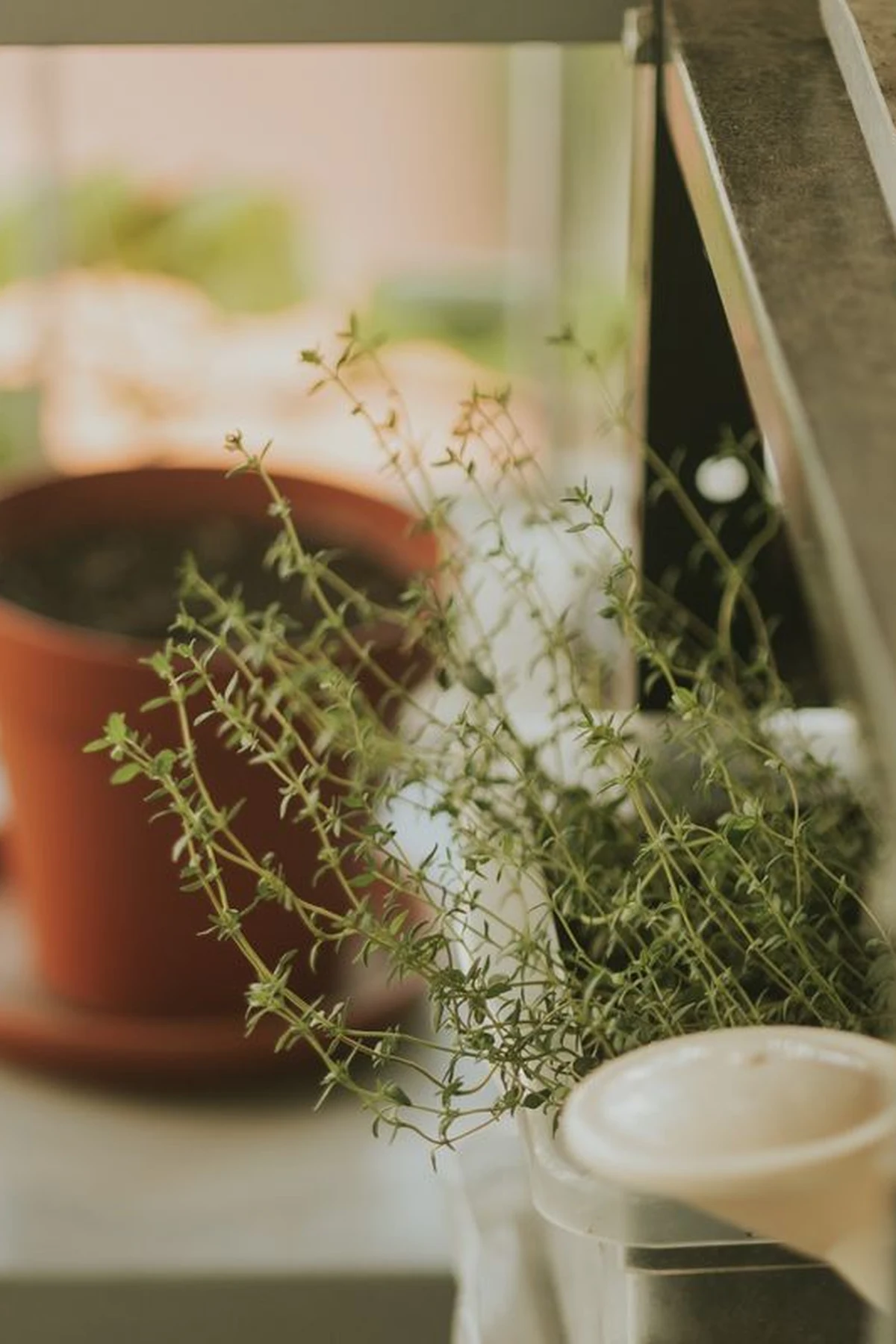
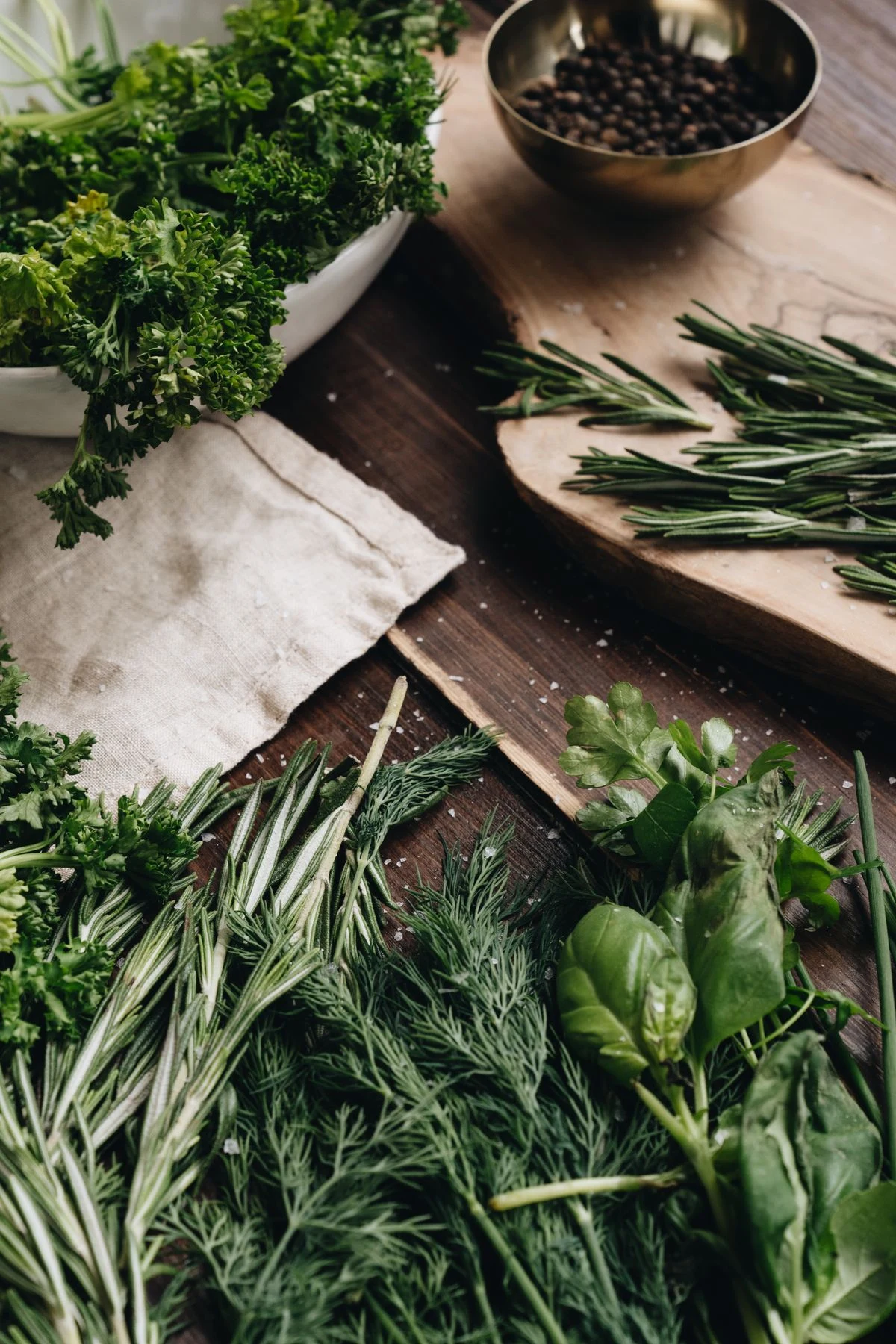
The real reward of a herb garden is the moment you bring a bunch of cut herbs indoors and the kitchen fills with their scent. Parsley, rosemary, dill, and basil all keep their flavour best when cut fresh and used the same day, rather than stored for a week. Cut in the morning, when the leaves hold the most aromatic oils, and carry them in a damp cloth if you are not using them at once.
Cut stems cleanly with scissors rather than tearing them, and never strip more than a third of a plant at once, so it recovers quickly. Keep a small bowl of mixed cut herbs beside the chopping board while you cook, and add soft herbs like basil at the end of cooking so heat does not dull their flavour. A garden that is picked often stays bushy and generous.
14. Starting Herbs from Seed
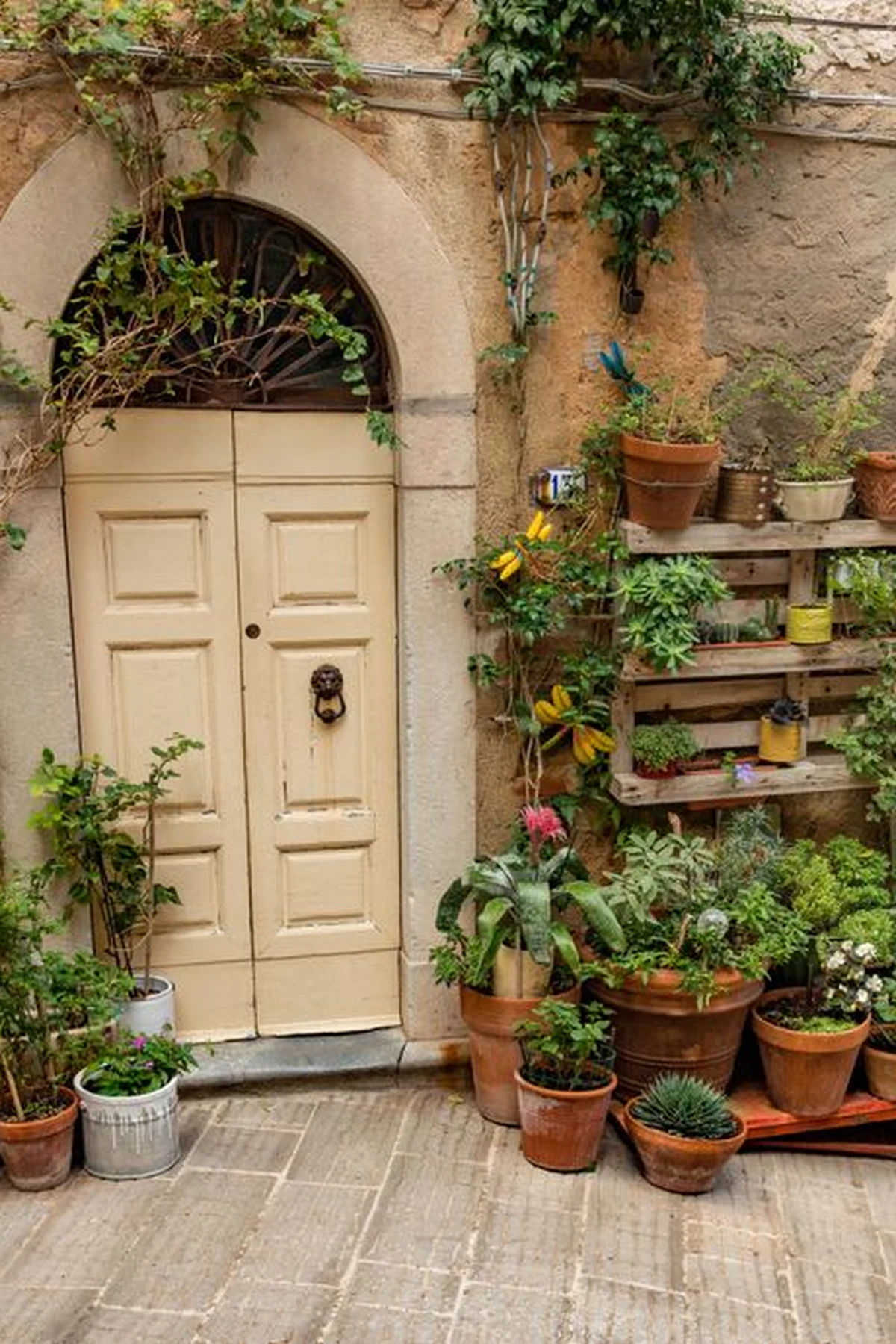
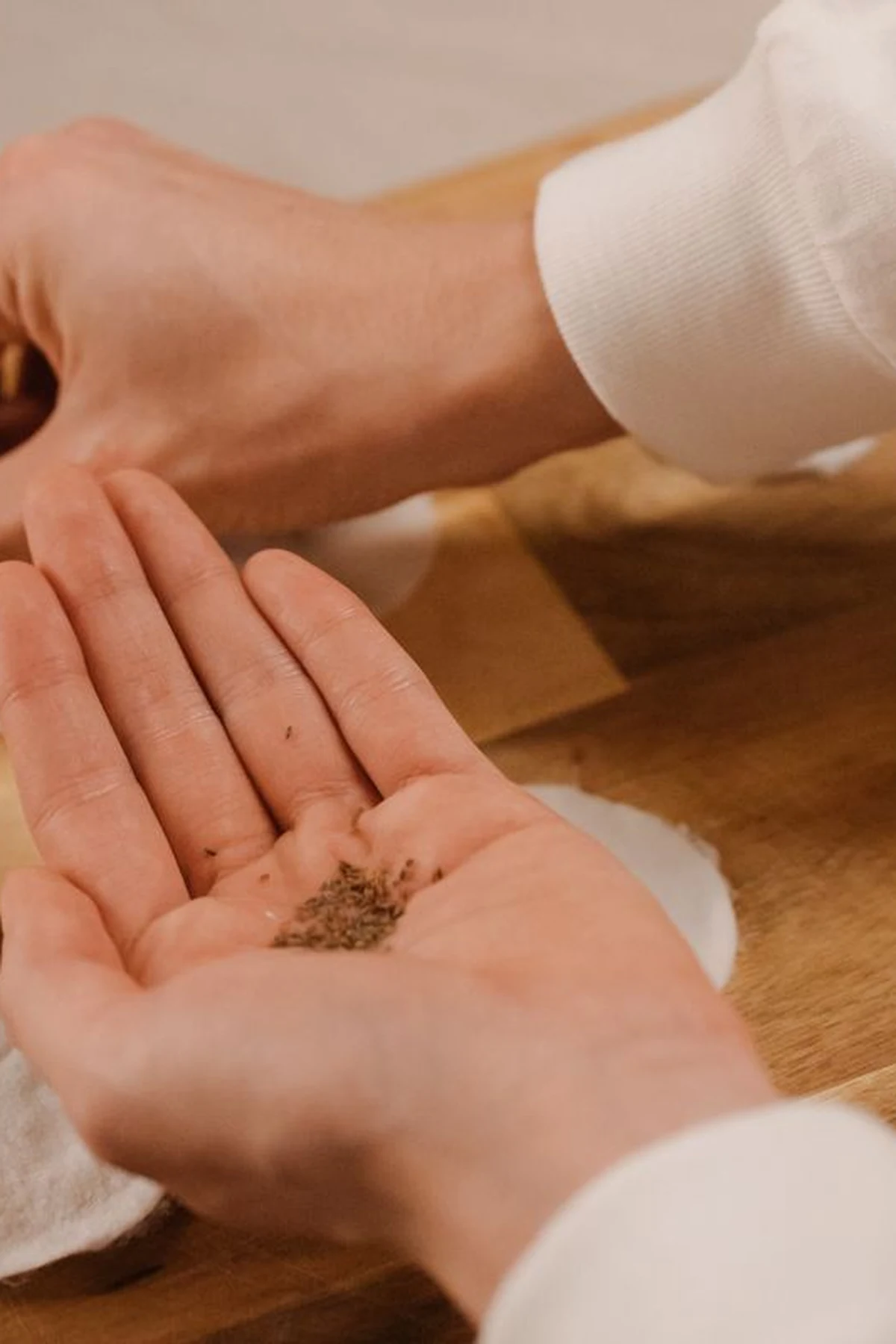
Growing herbs from seed costs very little and opens up varieties you will never find as plants, from lemon basil to purple sage. Sow small seeds on the surface of damp seed compost and cover them only lightly, since many need light to germinate. Keep the tray warm and covered until seedlings appear, then move it to a bright spot and thin the seedlings so the strongest survive.
Sow little and often rather than all at once, so fresh plants keep coming through the season. Basil, dill, and coriander grow fast enough to sow every few weeks, while parsley is slower and rewards patience. Label every tray, because herb seedlings can look surprisingly alike, and a label saves a season of guessing.
15. Basil in a Terracotta Pot
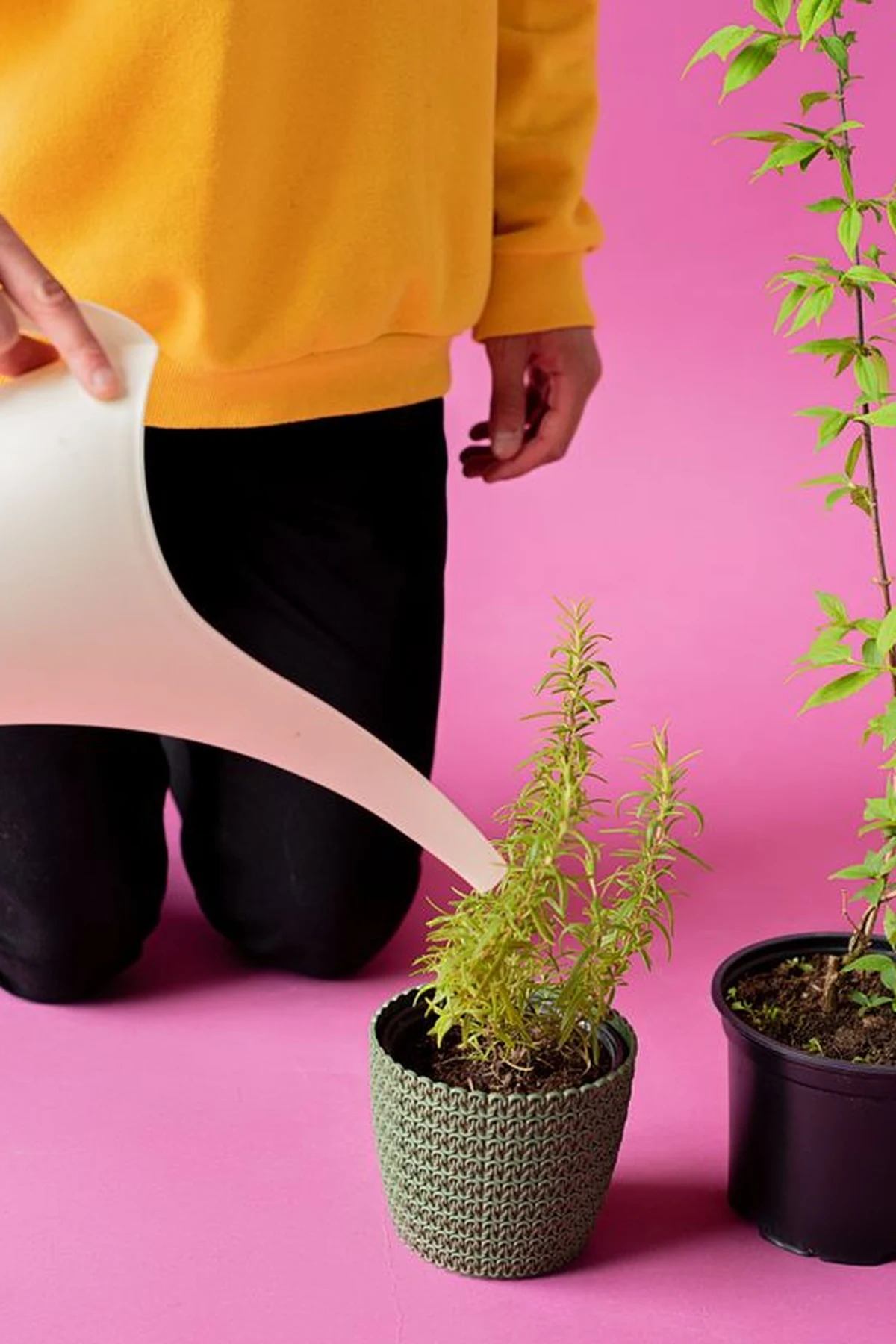
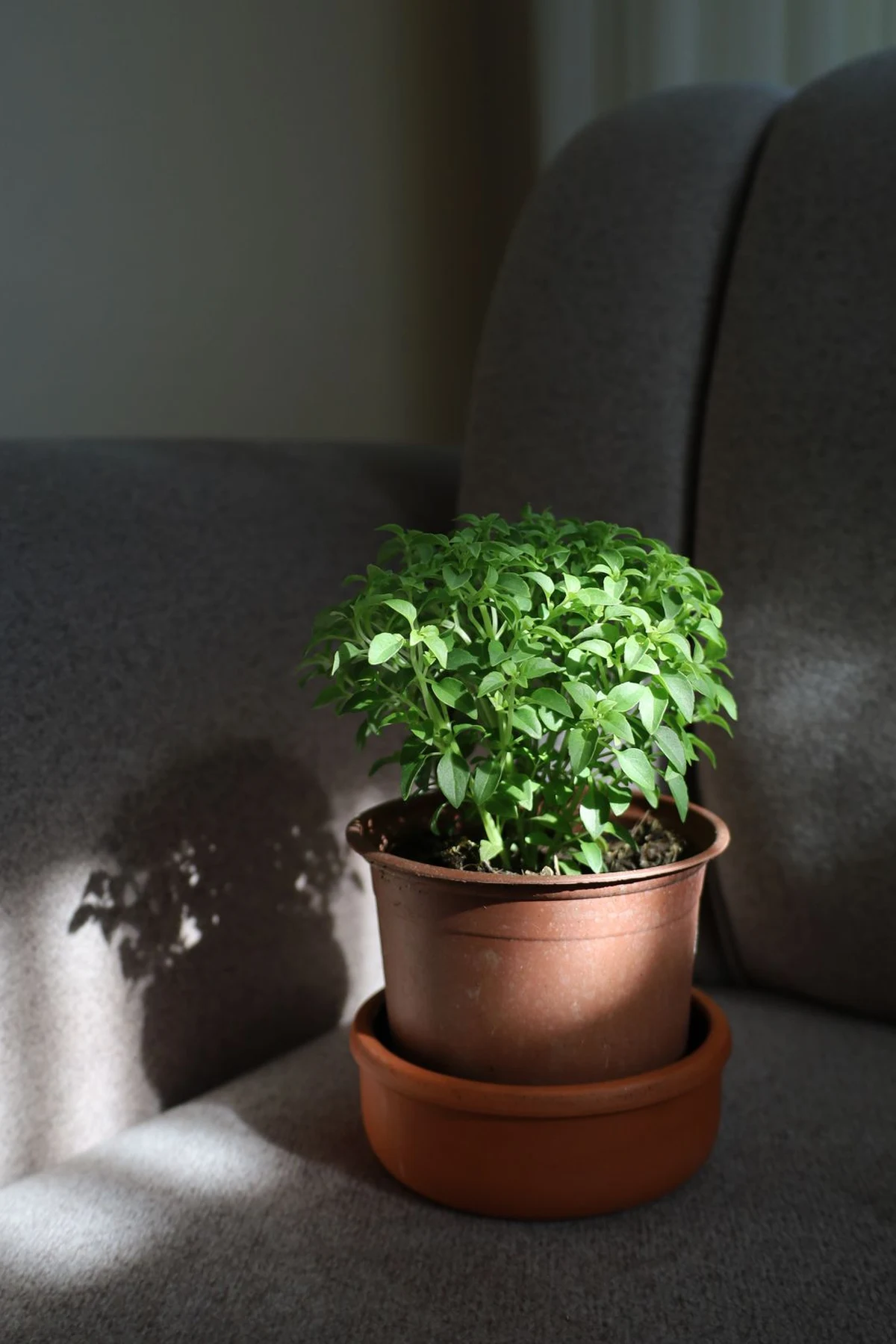
Basil and terracotta are a natural pair: the porous pot breathes, the soil dries between waterings, and the plant grows lush and fragrant in a sunny spot. A single basil plant in a medium pot can supply a household all summer if it is picked often and never allowed to flower. Pinch out the growing tips regularly to encourage side shoots and a bushy shape.
Keep basil warm, since even a light chill checks its growth, and bring the pot indoors before the first cold nights of autumn. Water at the base rather than over the leaves, which can spot in strong sun. If the plant does flower, the leaves turn slightly bitter, so pinch flower heads off as soon as they appear.
16. Herbs for Drinks and Cocktails
A few herb plants grown for drinks repay their space many times over. Mint is the classic for cold drinks, basil adds a fresh, peppery note to lemonade and spritzers, and rosemary gives a fragrant twist to gin and tonic. Grow drink herbs in their own pots, especially mint, which spreads aggressively if it escapes into a bed.
Pick leaves just before serving and bruise them gently to release their oils, rather than shredding them. Keep drink herbs well watered in summer, since a thirsty mint plant turns tough and bitter. A small pot of each favourite by the back door means every summer drink can be garnished straight from the garden.
17. Flowering Chives in the Border
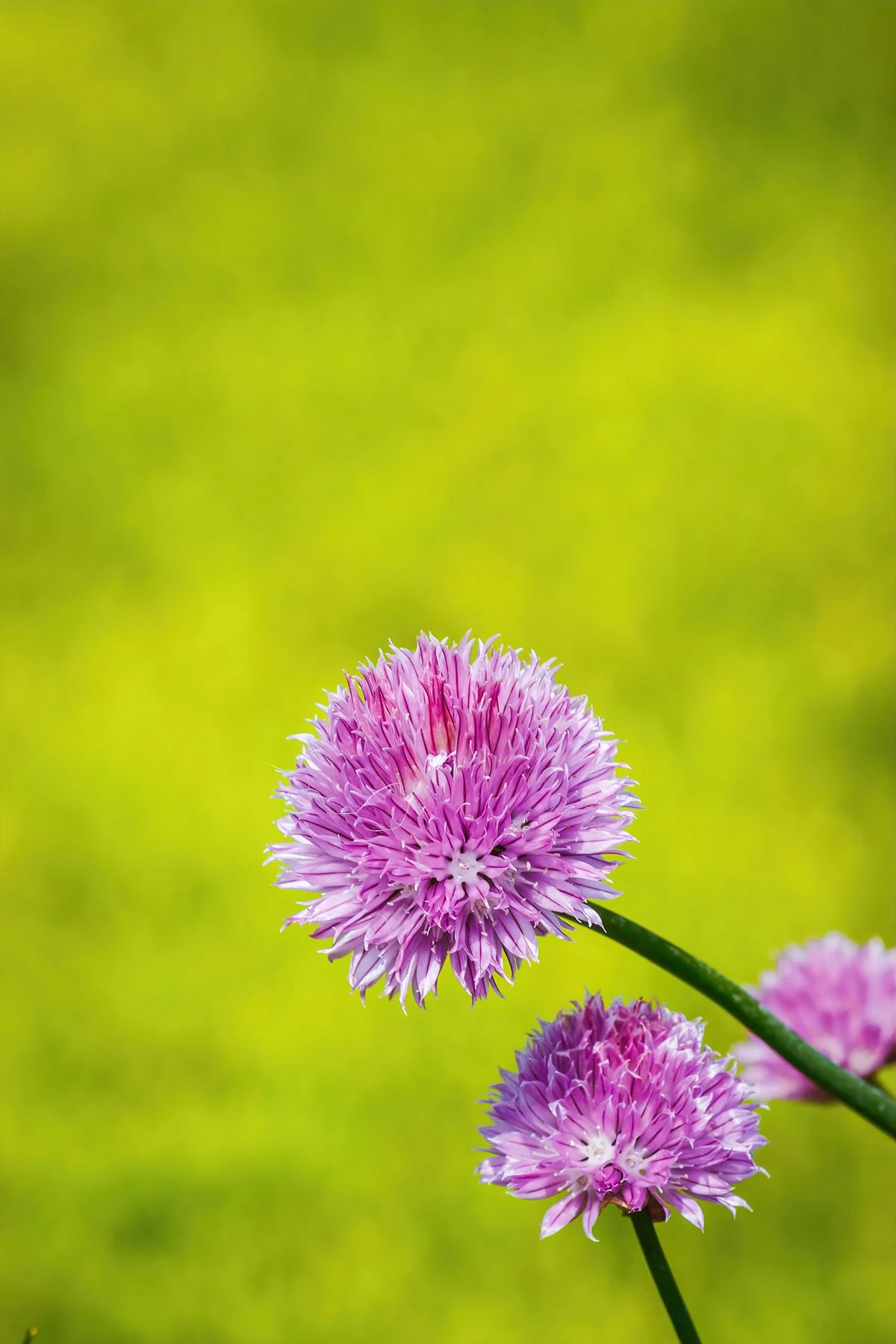
Chives earn their place in a flower border as well as a herb bed, because their round pink flower heads are genuinely beautiful. The flowers attract bees and other pollinators, and they can be snipped into salads for a mild onion flavour and a splash of colour. Let a few heads go to seed and chives will sow themselves gently around the garden.
Cut chive leaves from the outside of the clump, leaving the centre to keep growing, and shear the whole plant back after flowering for a fresh flush of leaves. Chives need almost no care beyond occasional watering in dry spells. Divide a large clump every few years and share the pieces with friends.
18. A Patch of Soft Sage
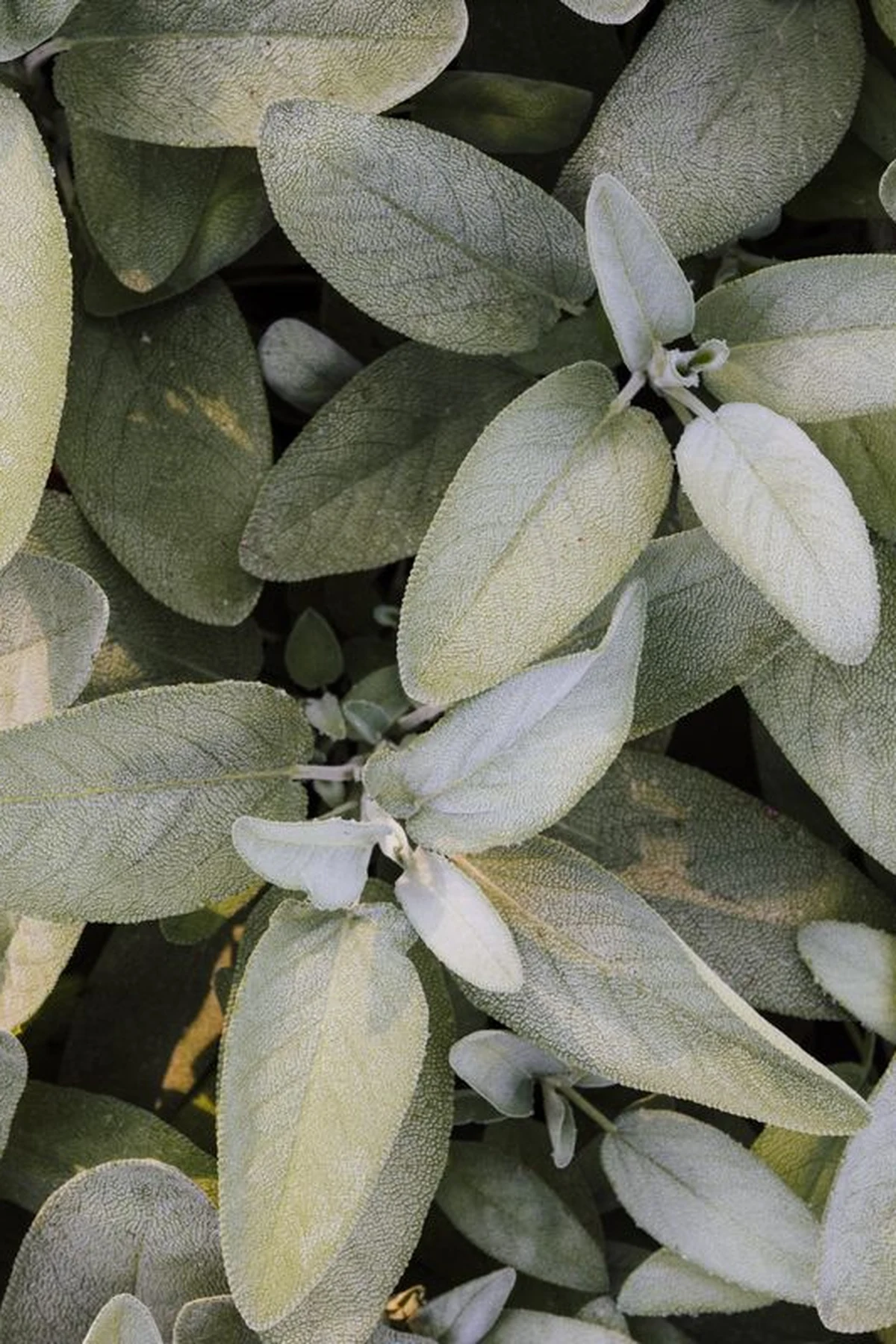
Sage is one of the most forgiving herbs, thriving in poor soil and full sun where fussier plants struggle. Its soft, grey-green leaves are beautiful up close, and they flavour stuffing, roast meats, and butter sauces with a warm, earthy note. Plant sage in a sunny, well-drained spot and resist the urge to overwater it, since wet roots are its main enemy.
Prune lightly in spring to keep the plant compact, removing woody, straggly stems. A sage patch also suits a dry, gravelly corner where little else grows well. Replace plants every four or five years, when they become woody, and take cuttings from the healthiest stems to keep the patch going.
19. Fresh Flat-Leaf Parsley
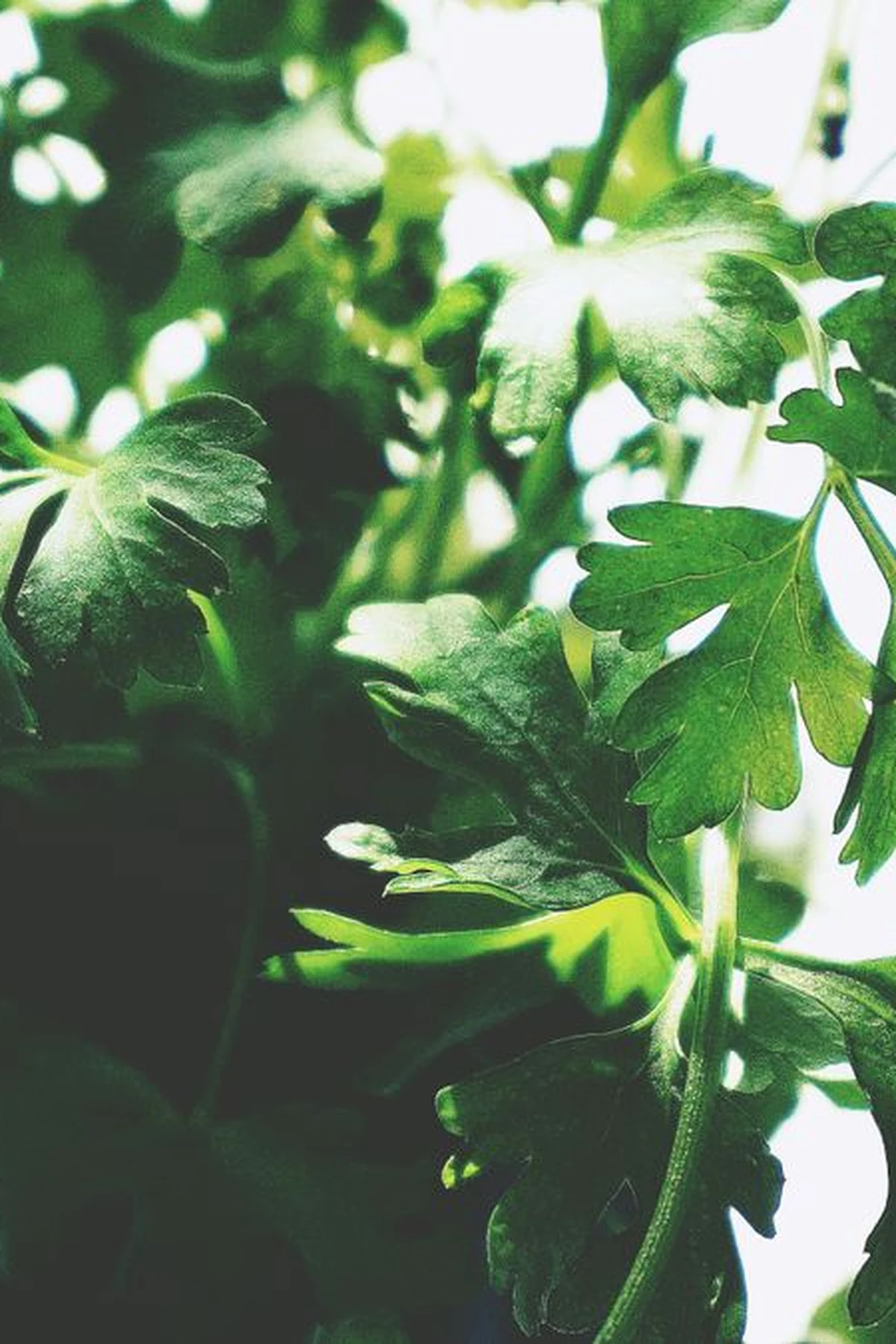
Flat-leaf parsley is the workhorse of the herb garden, useful in almost every savoury dish and far more flavourful than its curly cousin. It grows happily in a pot or a bed, prefers a little afternoon shade in hot climates, and keeps producing if you pick the outer leaves first. A single healthy plant can last well over a year.
Sow parsley in spring and again in late summer for a continuous supply, and soak the seed overnight to speed up its famously slow germination. Keep the soil evenly moist while plants establish, then water only in dry spells. Parsley also freezes well, so chop a glut and freeze it in small portions for winter cooking.
20. A Mediterranean Herb Pot
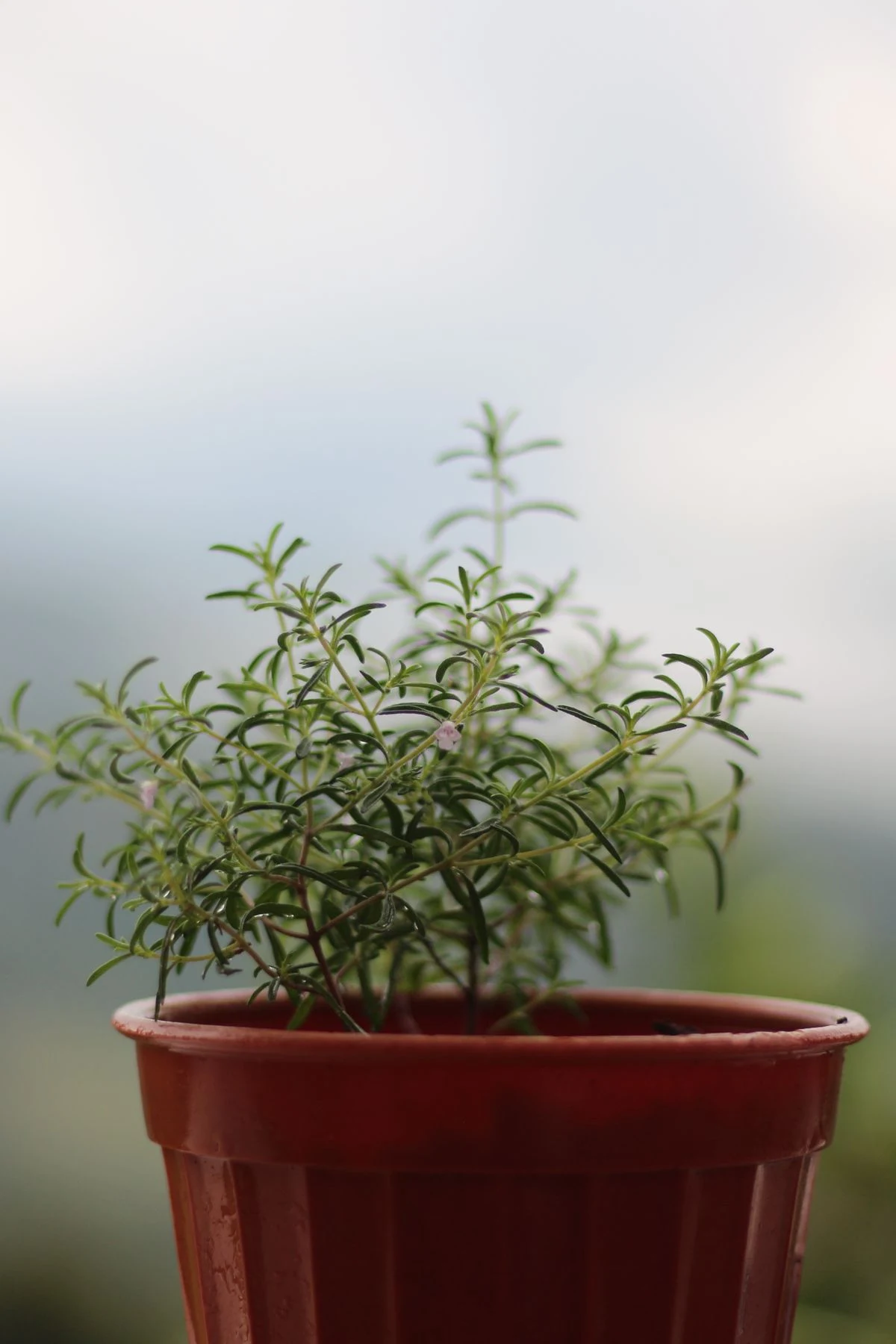
Rosemary, thyme, and oregano share the same tastes: full sun, poor soil, and very little water. Growing them together in one large pot creates a Mediterranean corner that smells wonderful on a warm evening and needs almost no attention. Use a gritty, free-draining mix with added sand or fine gravel, and a pot with generous drainage holes.
Resist feeding Mediterranean herbs richly, since lean soil produces more aromatic leaves. Trim after flowering to keep the plants neat, and move the pot to a sheltered wall in winter if your climate is cold. A pot like this can live for years, growing more characterful with age.
How to Choose
Start with what you actually cook. If your meals rely on basil, parsley, and mint, grow those first and add one new herb each season, rather than planting twenty herbs you never use. Next, match herbs to your space: sunny sills and balconies suit basil and chives, while a dry, sunny corner suits rosemary, thyme, and sage. Finally, decide how much time you can give, since pots need watering far more often than beds.
Keep mint in its own pot, give woody herbs lean soil and sun, and grow soft herbs where you can pick them daily. A small herb garden that is picked often will feed a household better than a large one that is left to go wild. Start with three or four plants, learn their habits, and let the garden grow with your cooking.
More Garden Ideas You’ll Love
Frequently Asked Questions
Which herbs are easiest for beginners?
Mint, chives, parsley, and rosemary are the most forgiving herbs for beginners. Mint and chives grow vigorously with basic watering, parsley tolerates partial shade, and rosemary thrives on neglect in a sunny, well-drained pot. Basil is also easy in summer, as long as it stays warm and is picked often.
How much sun do herbs need?
Most culinary herbs need at least four to six hours of direct sun each day. Basil, rosemary, thyme, and sage do best in full sun, while parsley, mint, and chives tolerate partial shade. Indoors, place pots on your brightest sill and turn them regularly so growth stays even.
Should herbs be grown in pots or in the ground?
Both work, but pots suit small spaces, rented homes, and invasive herbs like mint, which must be contained. Ground beds suit larger gardens and perennial herbs that benefit from deep roots. Many gardeners mix the two, keeping mint and basil in pots and rosemary, sage, and thyme in a bed.
How often should I water potted herbs?
Water when the top few centimetres of soil feel dry, which may be daily in hot weather and only weekly in winter. Always water until it drains from the base, and empty saucers so pots do not sit in water. Terracotta pots dry faster than plastic ones, so check them more often.
Photos: Pexels (free to use).


