

22 Landscaping Ideas for a Beautiful, Low-Maintenance Yard You Will Love in 2026
Great landscaping does more than make a yard look pretty: it makes the whole outdoor space easier to enjoy, from the moment you pull into the driveway to a quiet evening in the garden. The best yards balance beauty with practicality, using plants, paths, and features that suit your climate, your soil, and the time you actually want to spend on upkeep. Whether you have a tiny front yard or a sprawling backyard, these 22 landscaping ideas will help you shape an outdoor space that looks intentional, feels welcoming, and stays manageable season after season.
Garden Beds and Planting
1. Curved Flower Bed Borders
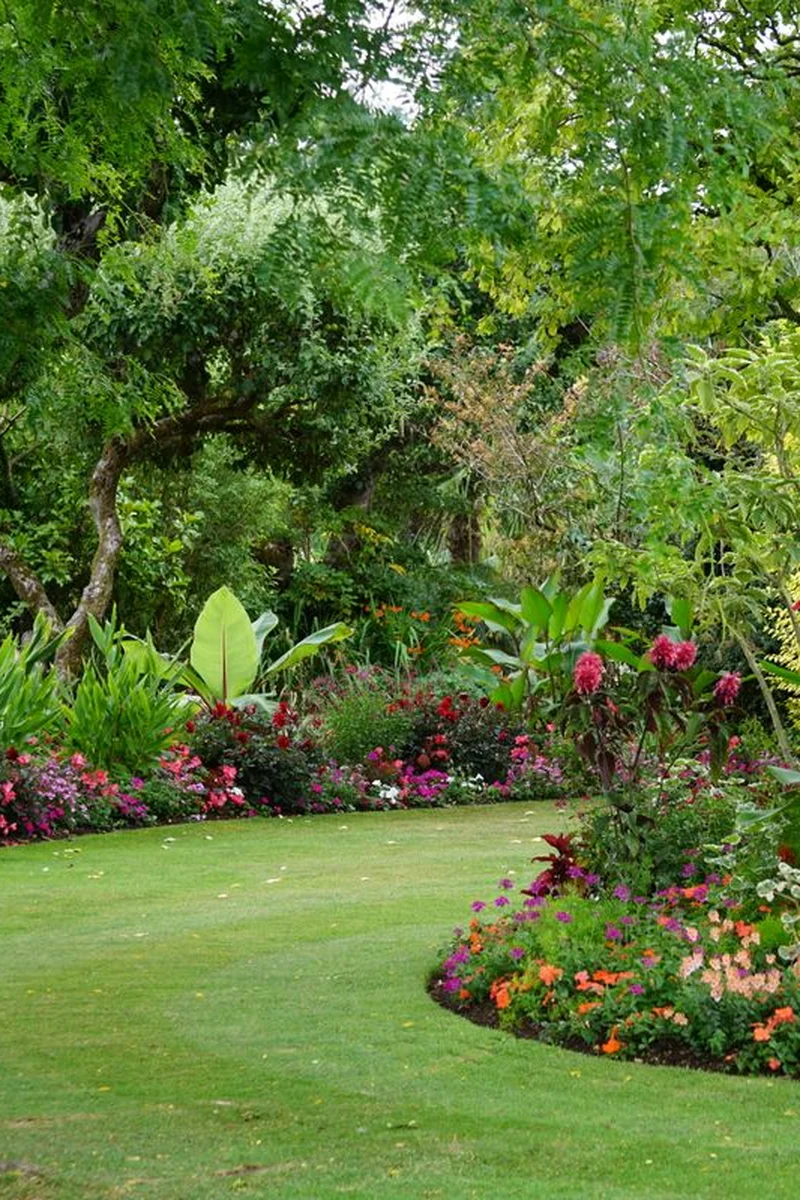
Curved flower bed borders give a yard a soft, natural feeling that straight lines rarely achieve, guiding the eye gently around the garden. A flowing curve makes even a small yard feel larger and more organic, and it creates planting pockets of different depths for layering flowers and shrubs. Use a garden hose laid on the ground to test the curve before you dig, so the shape feels right.
Edge the border with stone, brick, or metal edging to keep grass from creeping in and to give the bed a finished look. Keep curves generous and smooth rather than tight and wiggly, which can look fussy. A curved bed along a path or the front of the house is the easiest place to start.
2. Layered Planting Beds
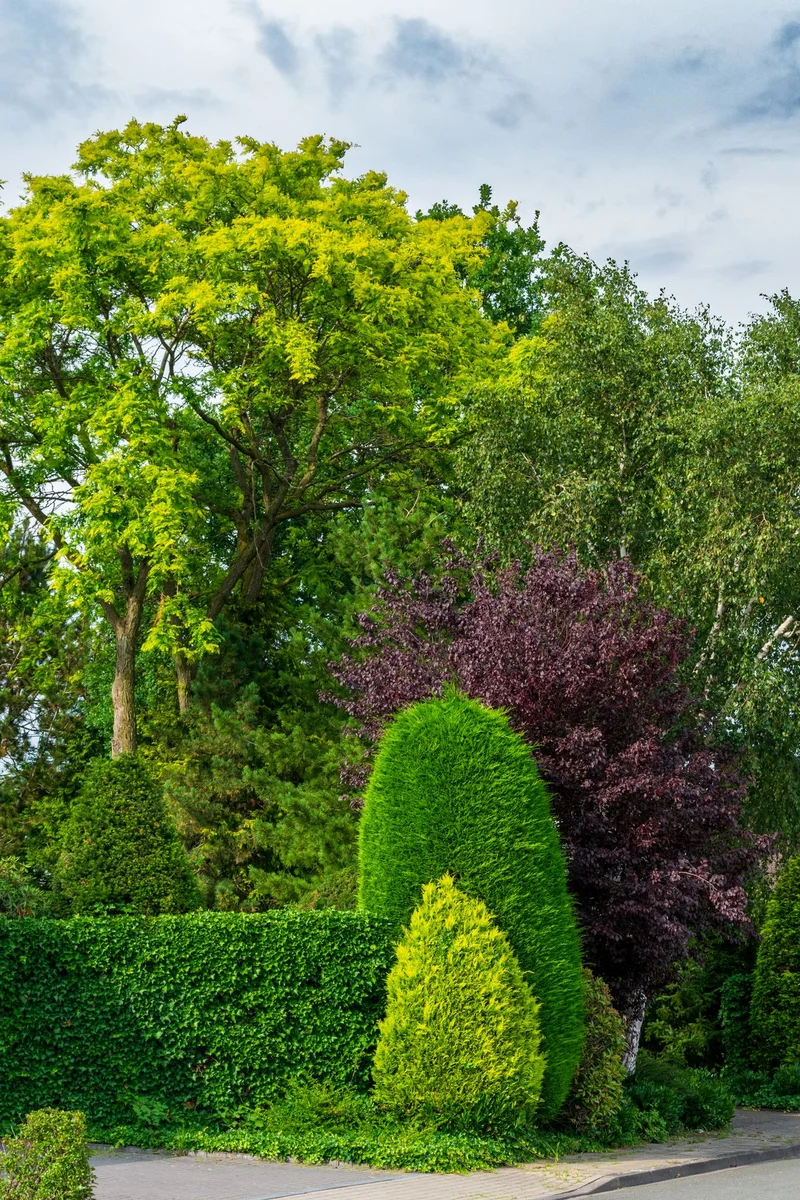
Layered planting beds create a full, professional-looking garden by arranging plants in tiers: tall shrubs or small trees at the back, medium perennials in the middle, and low ground cover at the front. The layers hide bare soil, suppress weeds, and give the bed depth and interest from every angle. This is the single most effective technique for a lush-looking yard.
Plan the layers on paper first, noting each plant’s mature height so tall plants do not shade out short ones. Choose plants that bloom at different times so the bed has color from spring through fall. Water deeply but less often to encourage deep roots, which makes the whole bed more drought-tolerant.
3. Ornamental Grasses Border

An ornamental grasses border adds movement, texture, and year-round interest to a yard, with plumes and blades that sway in the breeze. Grasses come in many heights and colors, from fine green fountains to tall golden miscanthus, and they need very little care once established. They are an excellent choice for a low-maintenance border along a fence or path.
Choose grasses suited to your climate and sun exposure, and give them room to reach their mature size, since many grow wider than expected. Cut them back once a year in late winter before new growth starts. Pair grasses with a few flowering perennials for color, or let them stand alone for a calm, modern look.
4. Front Yard Evergreen Foundation Planting

Front yard evergreen foundation planting softens the line where the house meets the ground, making the home look settled and welcoming year-round. Evergreen shrubs, such as boxwood, yew, or dwarf conifers, provide structure in winter when other plants are bare, and they frame the entrance beautifully. This is the backbone of a classic front yard.
Choose shrubs that will stay below window height at maturity, so they do not block light or views. Plant them slightly away from the house wall to allow air circulation and maintenance access. Mix two or three evergreen varieties with different leaf textures for interest, and add seasonal flowers in front for color.
5. Colorful Perennials for Flower Beds
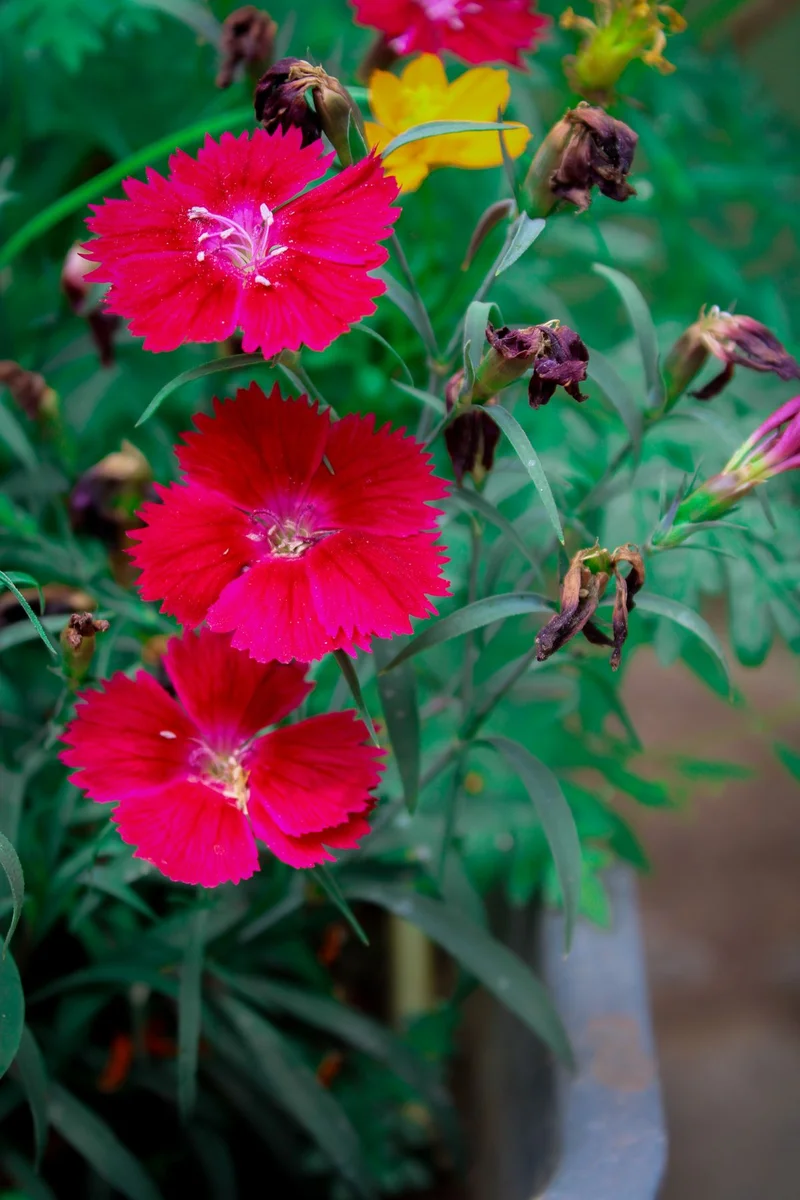
Colorful perennials give a flower bed instant polish, because bright blooms against green foliage draw the eye while the plants return year after year. Perennials improve with time and cost less than replanting annuals each spring. Choose a mix of bloom times for color from spring through fall. Dianthus, daylilies, and coneflowers are reliable choices that bloom generously with little fuss.
Plant perennials in groups of three or five for a full, natural look, and combine early, mid, and late bloomers so something is always in flower. A simple palette of three or four perennial varieties looks more cohesive than a random mix of many. Divide perennials every few years to keep them vigorous and fill new beds for free.
6. Rock Garden with Drought Plants

A rock garden with drought plants turns a dry, sunny slope or a tricky corner into a beautiful, water-wise feature. Stones of different sizes create structure and hold heat, while succulents, sedums, and alpine plants thrive in the well-drained, sunny conditions. Once established, a rock garden needs very little water or care.
Use local stone if possible, burying each rock about a third deep so it looks natural rather than placed on top. Arrange rocks in groups of different sizes, and plant in the pockets between them with gritty, free-draining soil. This style suits hot, dry climates best, but it works anywhere with good drainage and full sun.
7. Flowering Shrub Borders

Flowering shrub borders fill a yard with seasonal color and structure, using shrubs that bloom at different times for interest across the seasons. Forsythia and lilac announce spring, roses and hydrangeas carry summer, and burning bush or viburnum add fall color. Shrubs also need less care than flower beds, making them a practical backbone for the yard.
Plant shrubs in groups of three or five for a natural look, spacing them for their mature size so they do not crowd each other. Choose varieties suited to your sun and soil, and prune after flowering to keep their shape. A shrub border along a fence or property line also adds privacy while it blooms.
8. Rain Garden Planting
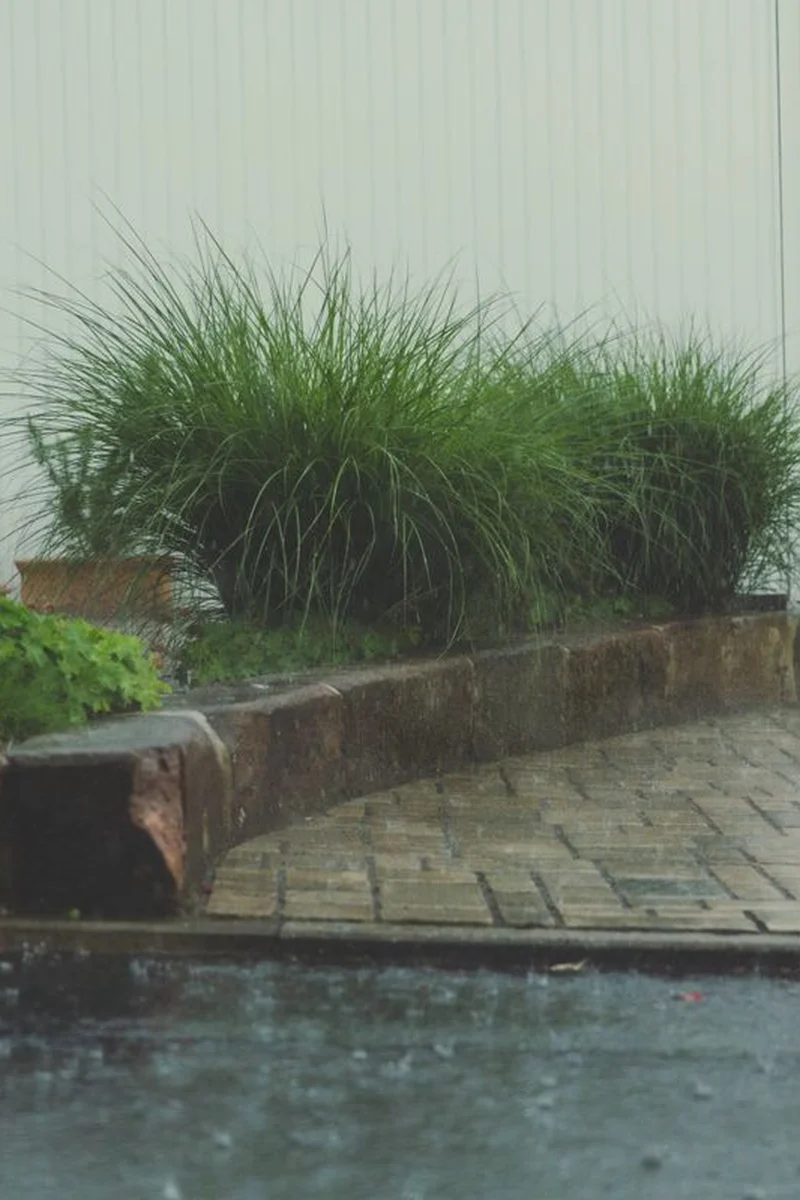
A rain garden planting is a shallow, planted depression that catches runoff from roofs and driveways, letting it soak into the ground naturally. Native plants with deep roots filter pollutants, support pollinators, and handle both wet and dry periods, making the rain garden both beautiful and environmentally useful. It also reduces puddles and erosion elsewhere in the yard.
Site the rain garden at least 3 meters from the house foundation and in a spot that already collects water. Dig a shallow basin, amend the soil for drainage, and plant a mix of native grasses, sedges, and flowering perennials suited to wet feet. A rain garden needs little care once established, beyond occasional weeding and mulching.
9. Native Wildflower Meadow Area

A native wildflower meadow area replaces part of a lawn with a buzzing, colorful habitat that supports bees, butterflies, and birds. Native wildflowers are adapted to local conditions, so they need less water and fertilizer than a lawn, and they look beautiful from spring through fall. A meadow also gives a yard a relaxed, natural character that a manicured lawn cannot.
Start with a small area, remove existing grass, and sow a regional native wildflower mix in fall or early spring. Mow the meadow just once a year, in late fall, to keep woody plants from taking over. Be patient in the first year, since perennials spend their energy on roots before they bloom abundantly.
10. Seasonal Color Rotation Beds
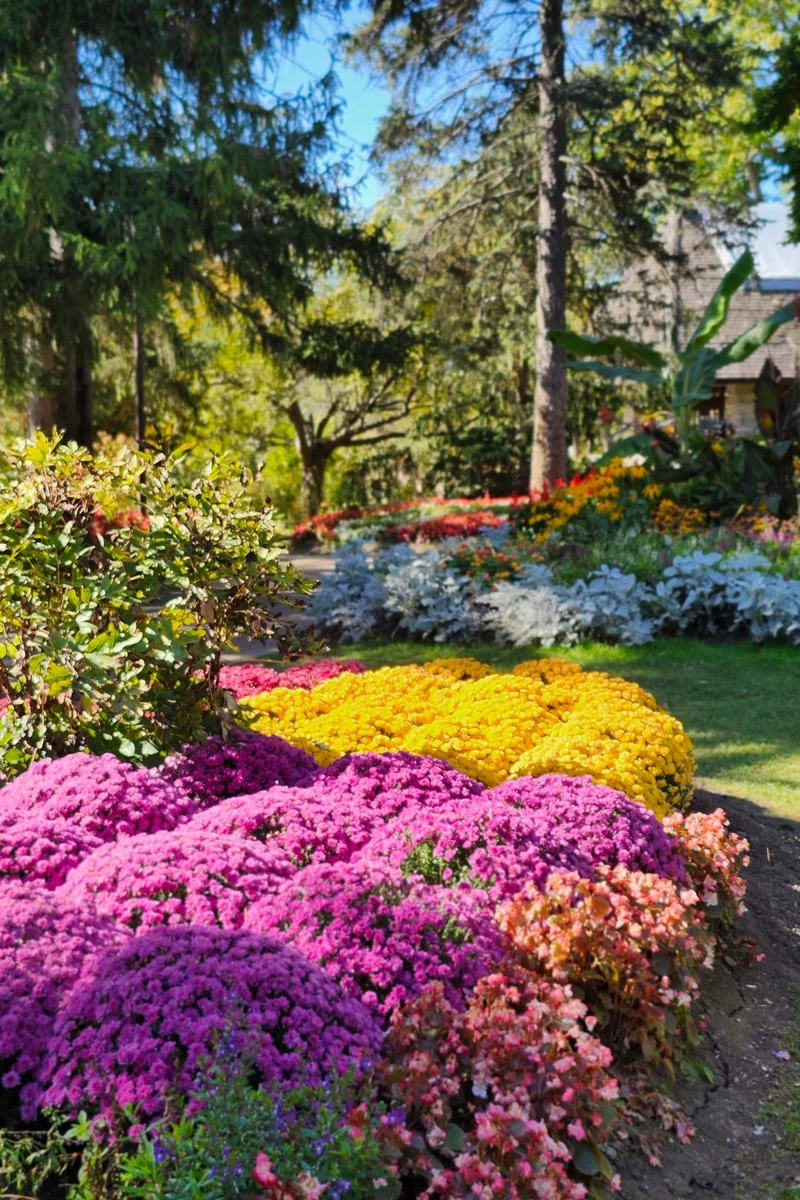
Seasonal color rotation beds keep a yard looking fresh all year by swapping annual flowers with the seasons: pansies and tulips in spring, petunias and marigolds in summer, mums in fall. A few key beds near the entrance and along paths give the most impact, so you do not need to replant the whole yard. The rotation also lets you try new color combinations each season.
Keep the bed’s structure, such as shrubs or evergreen edging, permanent, and change only the annual flowers within it. Prepare the soil with compost each time you replant, and water new annuals daily until they establish. Choose colors that complement the house and the season, such as warm tones in fall and cool pastels in spring.
Paths, Structures and Features
11. Stone Pathway Through the Garden

A stone pathway through the garden turns a walk across the yard into an experience, inviting you to slow down and enjoy the plants. Flat stones, such as flagstone or slate, set in gravel or grass, look natural and age beautifully. The path also protects the lawn from wear and keeps feet dry after rain.
Space the stones a comfortable step apart, about the length of a natural stride, and set them level so the path is safe to walk. Fill gaps with gravel, ground cover, or grass for a finished look. A slightly curving path feels more interesting than a straight one, and it can lead the eye to a focal point like a bench or a tree.
12. Raised Garden Beds with Wooden Frames
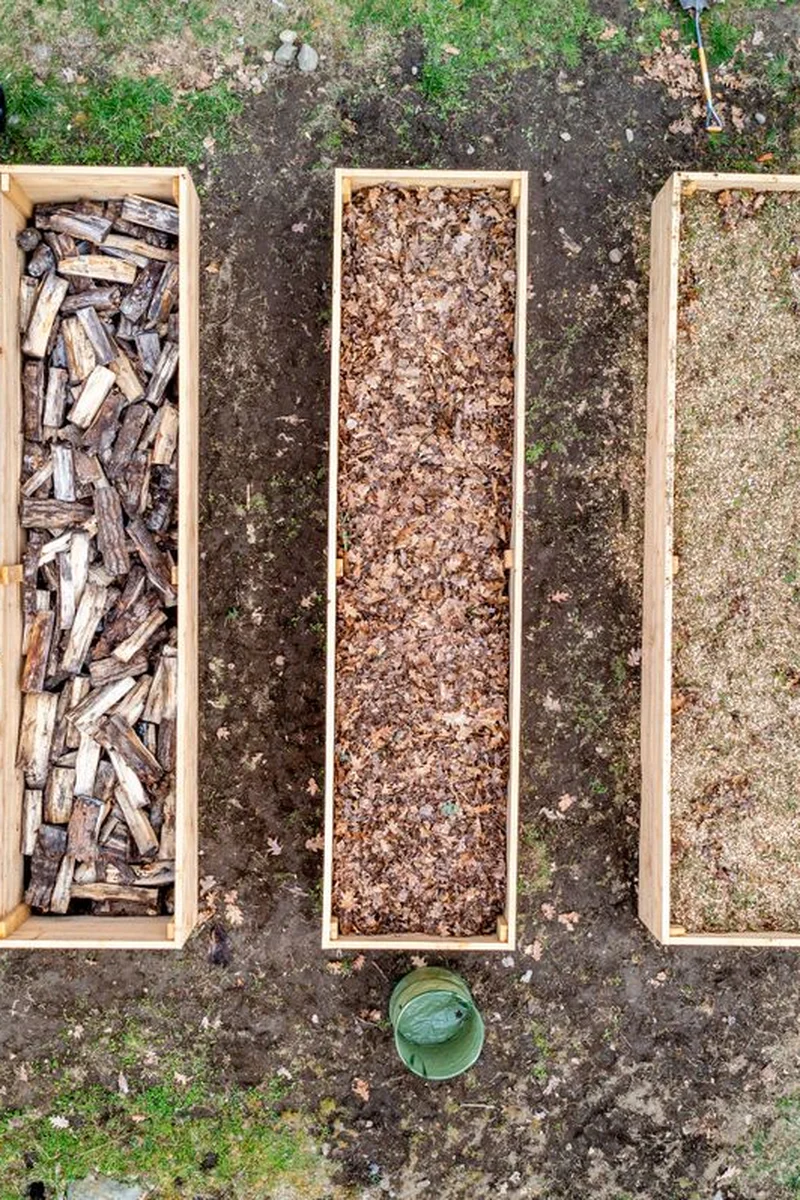
Raised garden beds with wooden frames combine practical growing space with beautiful structure, making them ideal for vegetables, herbs, and flowers. The raised height improves drainage and soil quality, warms up earlier in spring, and makes gardening easier on your back and knees. Wooden frames give the beds a warm, natural look that suits any garden style.
Build beds no wider than about 1.2 meters so you can reach the center from either side, and fill them with a mix of topsoil and compost. Use rot-resistant timber such as cedar or redwood, and line the inside with landscape fabric to hold the soil in. Leave comfortable paths between beds, wide enough for a wheelbarrow, so the garden stays easy to work in.
13. Garden Pond or Water Feature
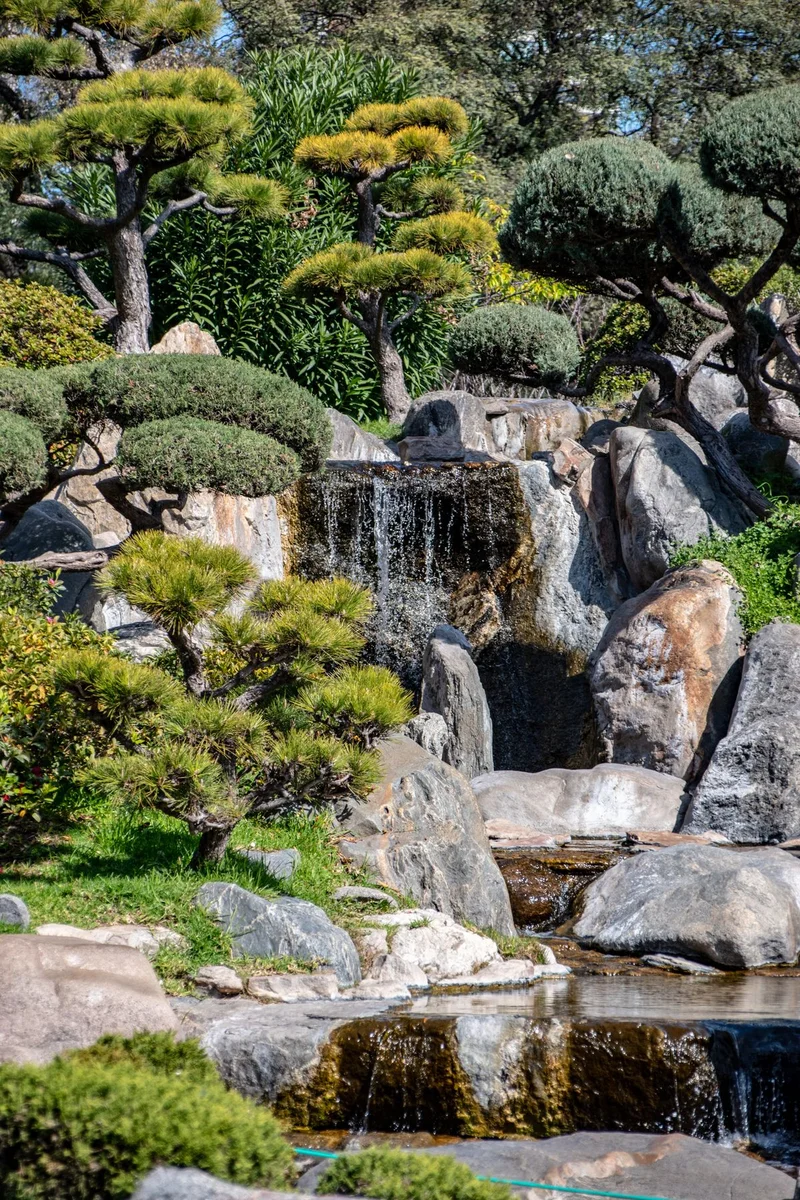
A garden pond or water feature adds a sense of calm and life to a yard, with the sound of moving water masking street noise and attracting birds. Even a small pond or a bubbling fountain becomes a focal point that draws people into the garden. Water also cools the surrounding air slightly, making a seating area nearby more pleasant in summer.
Place the water feature where it can be seen and heard from a seating area or a window, but away from overhanging trees that drop leaves into the water. A simple recirculating fountain needs little maintenance, while a pond with plants and fish needs more care. Always include a safe edge and consider local safety rules if children visit.
14. Outdoor Lighting Along Paths

Outdoor lighting along paths makes a yard usable and beautiful after dark, guiding visitors safely while highlighting plants and features. Low, warm lights spaced along a path create a welcoming glow without the harshness of overhead floodlights. Solar lights are the easiest to install, while wired low-voltage lights are brighter and more reliable.
Space path lights evenly, about 2 to 3 meters apart, and angle them slightly across the path rather than straight down, so the light pools naturally. Use warm-white bulbs for a cozy feeling, and avoid lighting every corner, since a few dark areas make the lit features stand out more. A timer or dusk sensor saves energy and effort.
15. Vegetable Garden Layout
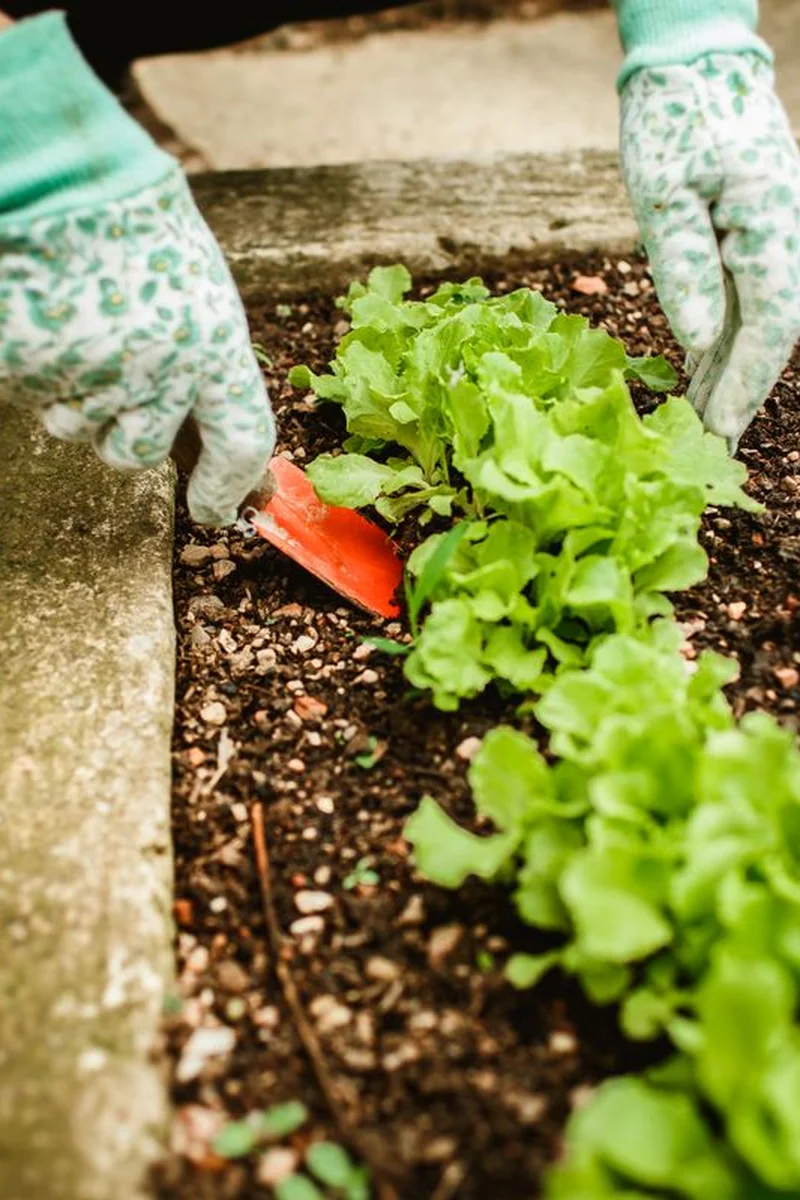
A well-planned vegetable garden layout makes growing your own food easier and more productive, with beds arranged for sun, access, and crop rotation. Place the garden in the sunniest spot available, arrange beds in a simple grid or row pattern with comfortable paths, and group plants by family so you can rotate them each year. Good layout saves time all season long.
Keep beds narrow enough to reach the center without stepping on the soil, which compacts it and harms roots. Add a compost bin nearby and a water source within hose reach, since both get used constantly. Start with easy crops like tomatoes, lettuce, and beans, and expand the layout as your confidence grows.
16. Pergola with Climbing Vines
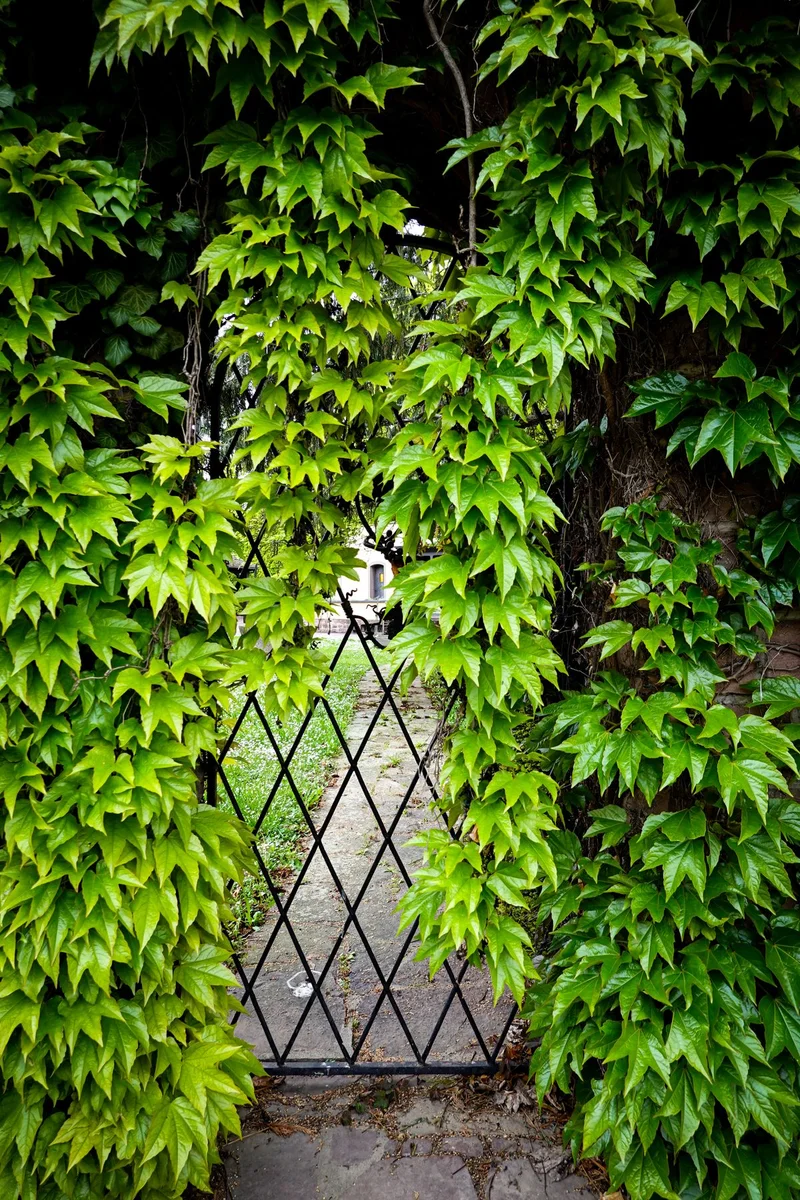
A pergola with climbing vines creates a shaded, romantic outdoor room, perfect for dining or relaxing in the garden. The wooden or metal structure gives vines something to climb, and within a season or two, wisteria, grape, or climbing roses can cover it in green shade and flowers. A pergola defines a seating area without closing it off.
Build the pergola sturdy enough to support mature vines, which get heavy, and anchor the posts firmly in concrete footings. Choose vines suited to your climate and the amount of sun the pergola receives, and prune annually to keep growth in check. Add a bench or table underneath to make the shaded space genuinely usable.
17. Gravel Courtyard Garden
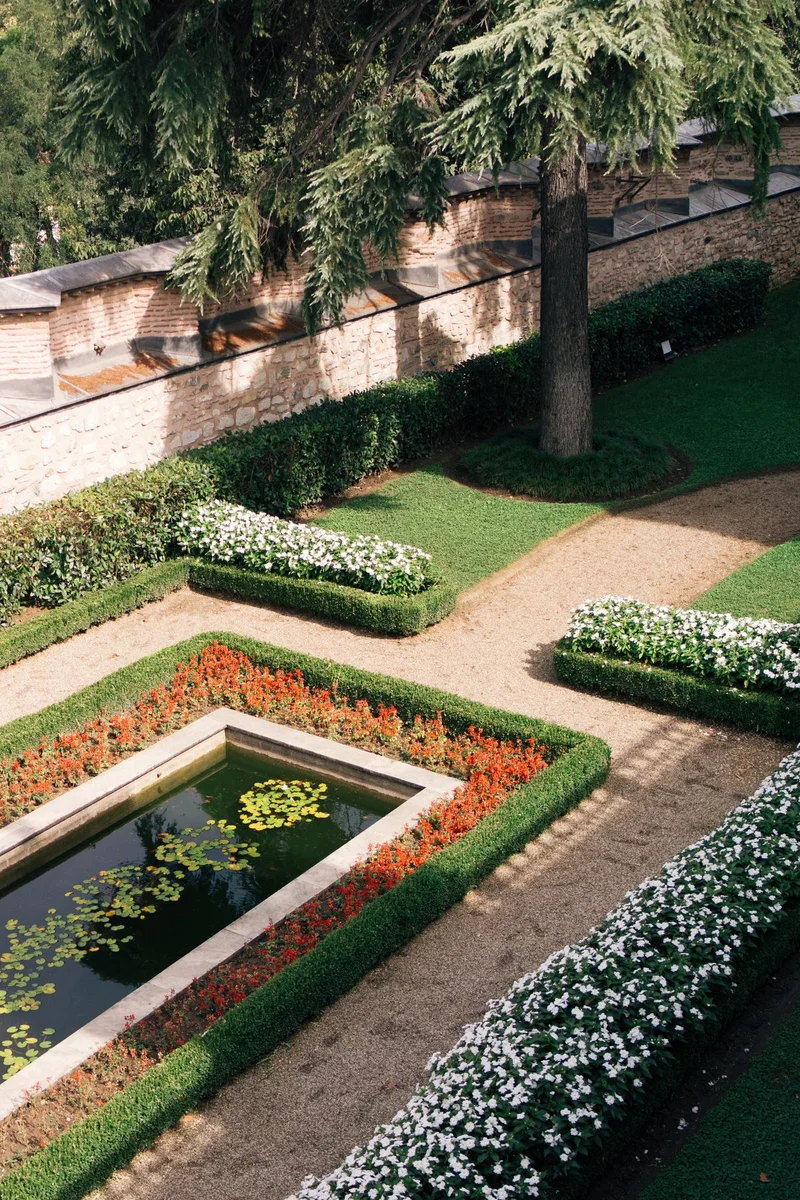
A gravel courtyard garden offers a low-maintenance, Mediterranean-inspired outdoor space that stays tidy with minimal effort. Gravel suppresses weeds, drains well after rain, and provides a neutral backdrop that makes potted plants and stone features stand out. It suits small yards, side passages, and areas where grass struggles to grow.
Lay landscape fabric beneath the gravel to block weeds, and choose a gravel size that is comfortable to walk on, usually 10 to 20 millimeters. Edge the area with stone or metal to keep gravel from spreading onto paths or lawns. Add large pots, a stone bench, and a few sculptural plants for focal points.
18. Terrace Steps with Planters
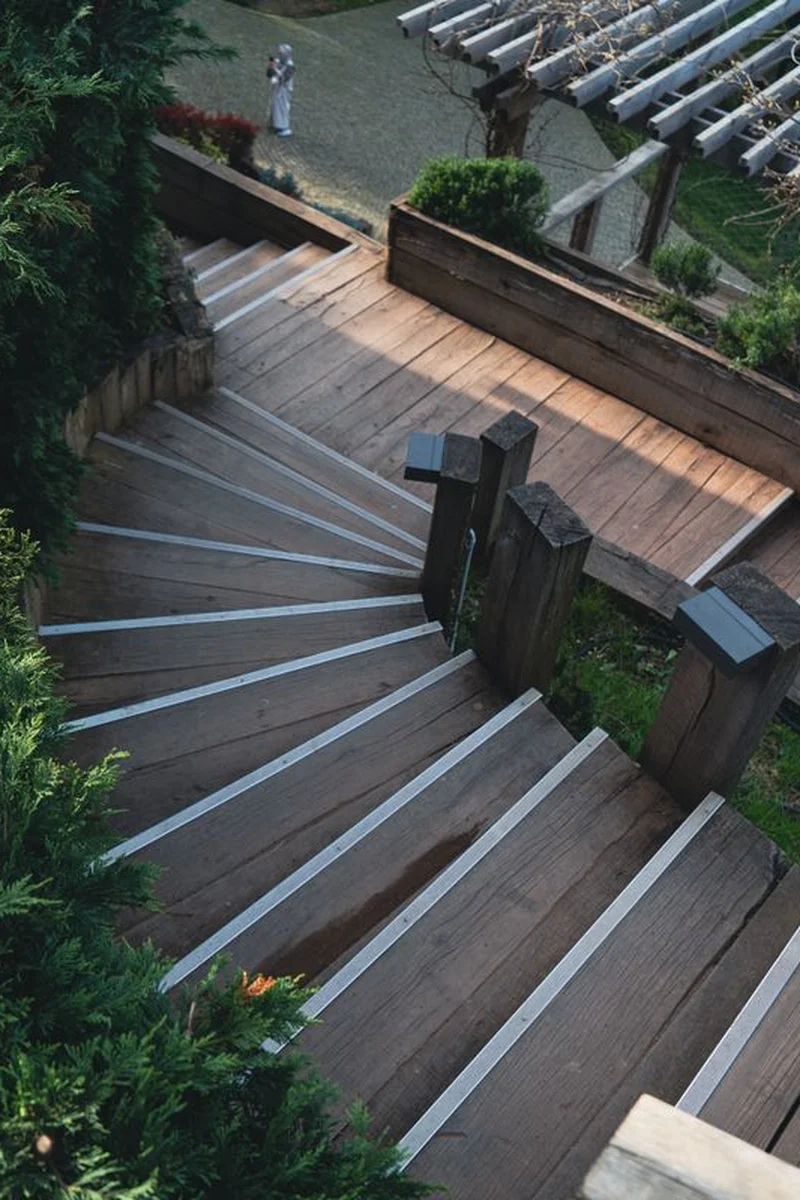
Terrace steps with planters turn a slope into a series of usable garden levels, each with its own planting and character. Wide, shallow steps are easier to walk and give room for pots on either side, while retaining walls hold back soil and create planting pockets. Terracing also controls erosion on steep ground, which is a practical bonus.
Build steps with a gentle rise and a deep tread, using stone or brick that matches the house for a cohesive look. Place planters at intervals along the steps, not on every step, so the route stays clear and safe. Choose plants that suit the sun and wind exposure of each terrace level, since conditions vary up a slope.
19. Backyard Fire Pit Landscaping
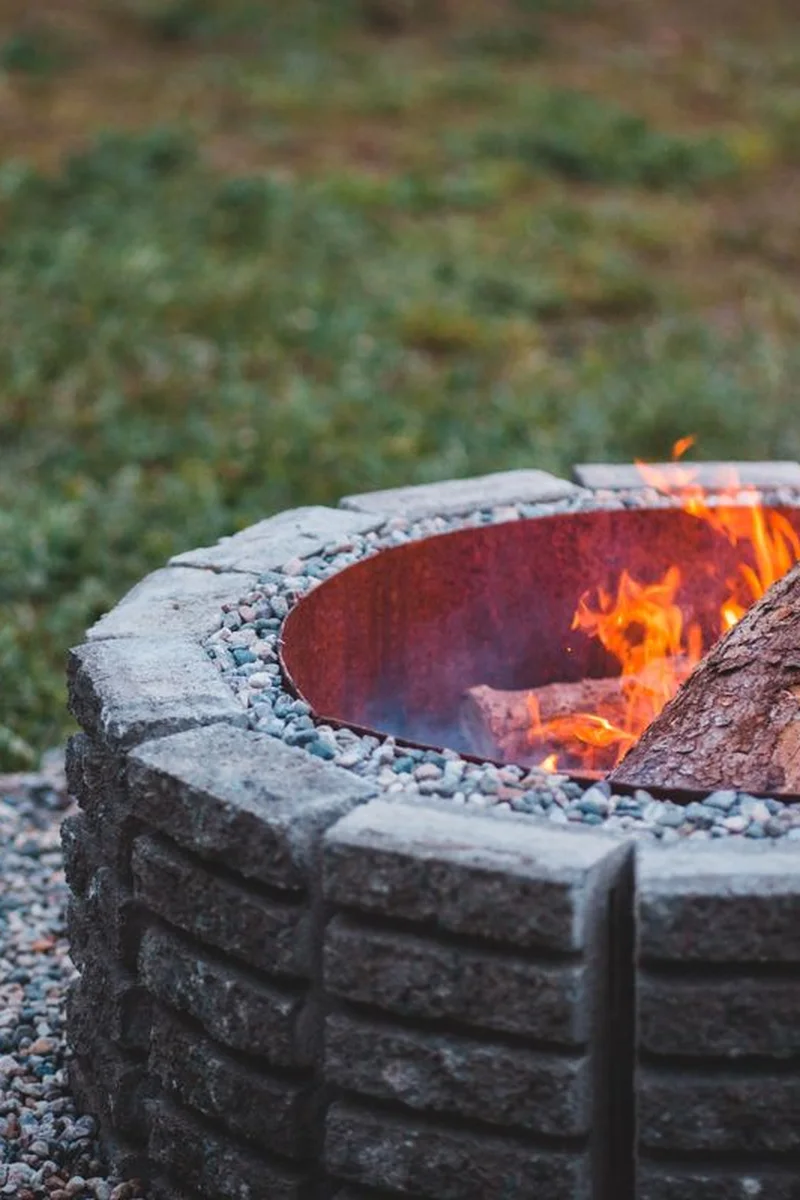
Backyard fire pit landscaping creates a gathering spot that extends the outdoor season well into cool evenings, giving friends and family a natural place to sit together. A circle of stone or gravel underfoot, seating walls or chairs arranged around the pit, and a few nearby plants make the area feel intentional rather than improvised. The fire pit becomes the yard’s social heart.
Place the fire pit at least 3 meters from the house, fences, and overhanging trees, and check local fire rules before building. Use non-flammable materials, such as stone or gravel, for the surrounding surface, and keep seating at a comfortable distance from the flames. Add low lighting nearby so the area stays usable after the fire dies down.
Yard Care and Finishing Touches
20. Privacy Hedge Planting
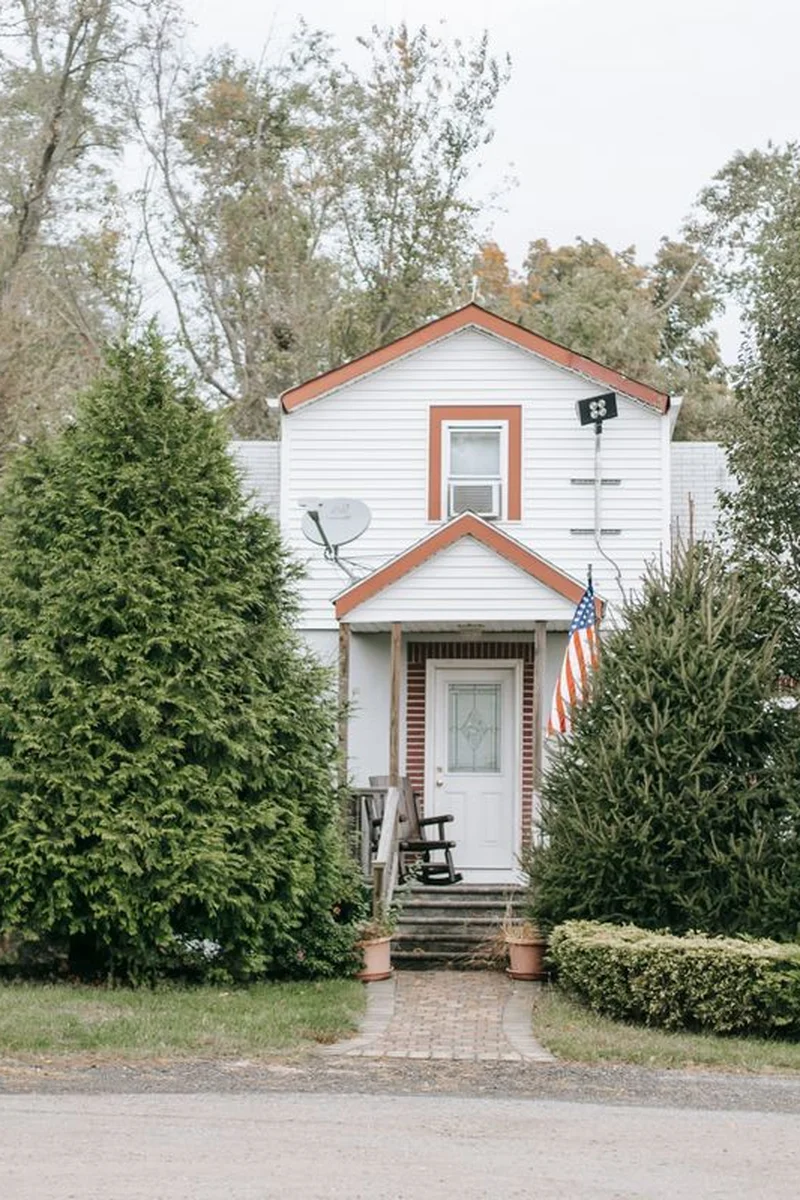
A privacy hedge planting creates a living wall that screens a yard from neighbors and street views while adding greenery and habitat for birds. Dense evergreens, such as arborvitae, laurel, or holly, give year-round privacy, while flowering shrubs add seasonal beauty. A hedge feels softer and more natural than a tall fence.
Choose a hedge species suited to your climate, soil, and the available width, since some hedges grow very wide. Plant in a staggered double row for faster, denser coverage, and water well in the first year while roots establish. Trim once or twice a year to keep the hedge tidy, cutting the top slightly narrower than the base so light reaches the lower branches.
21. Regular Mowing for a Healthy Lawn

Regular mowing keeps a lawn thick, healthy, and tidy, and it is the single habit that makes the biggest difference to how a yard looks. Mow often enough that you never cut more than a third of the blade at once, and alternate your mowing direction each time, which also creates those attractive light and dark stripes. A well-mowed lawn looks cared for even before any edging or planting.
Keep mower blades sharp, since dull blades tear grass and leave brown tips, and leave the clippings on the lawn where they return nutrients to the soil. Mow when the grass is dry, and raise the cutting height in summer heat so the roots stay shaded. With a steady routine, the lawn stays dense enough to crowd out weeds on its own.
22. Potted Plant Entryway
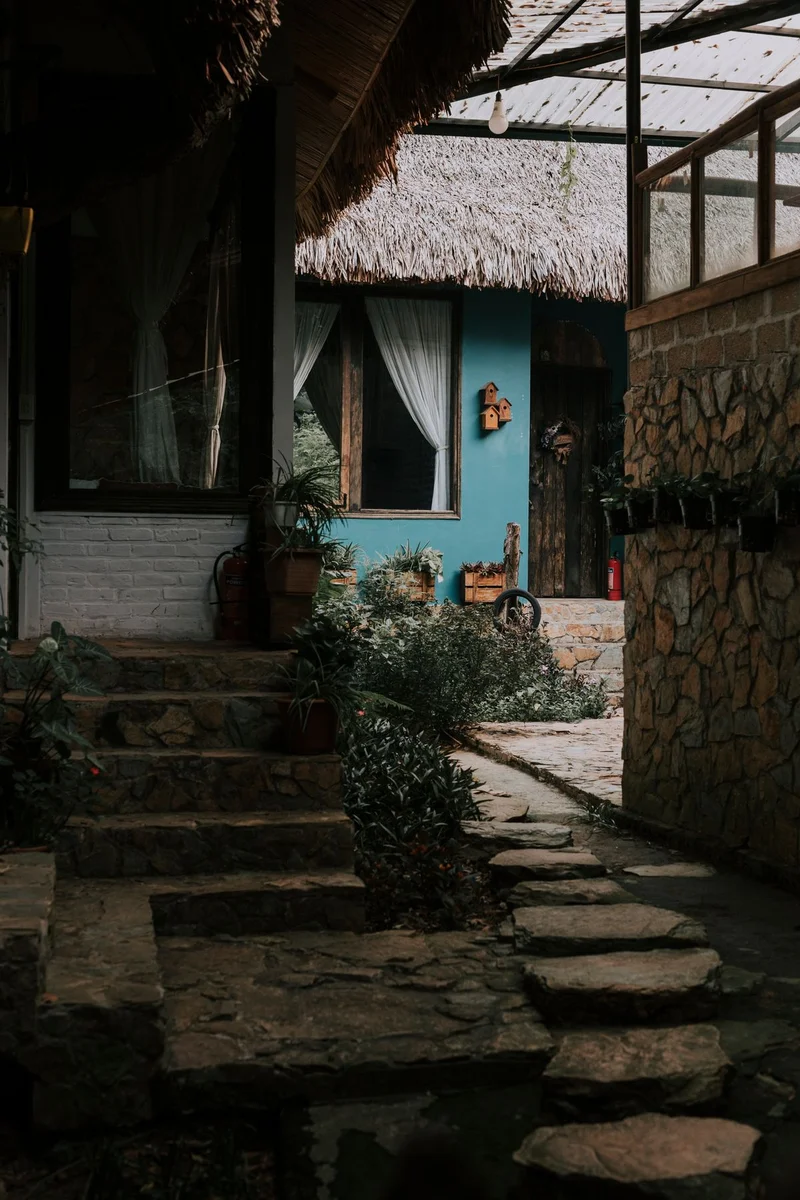
Potted plants at the entryway make a home’s entrance feel welcoming and cared for, framing the front door with color and life. Large pots flanking the door create symmetry, while a mix of pot sizes along the steps adds a more relaxed, layered look. Seasonal flowers in the pots let you refresh the entrance several times a year.
Choose pots large enough that plants do not dry out quickly, and use good potting mix with drainage holes. Match the pot style to the house, such as terracotta for a warm home or sleek ceramic for a modern one. Water pots more often than garden beds, since they dry out faster, especially in sun and wind.
How to Choose
Start by walking your yard and noting the practical facts: where the sun falls, where water collects, which views you want to keep or screen, and how much time you honestly want to spend on upkeep. These facts matter more than any trend, because a design that fights your yard’s conditions will always need extra work.
Then choose a simple structure first, such as one path, one bed, and one focal point, and build outward from there over seasons rather than all at once. Pick plants suited to your climate and soil, group them in layers, and leave room for them to grow, because a yard that looks slightly sparse at planting time will look full and natural within a year or two.
FAQ
How do I start landscaping a yard from scratch?
Start with a simple plan: note sunny and shady areas, existing trees, and how you use the yard. Then tackle structure first, such as paths, beds, and trees, before adding flowers and finishing touches. Work in sections, one area at a time, so the project stays manageable and affordable.
What is the lowest-maintenance landscaping style?
Native plants, ornamental grasses, mulched beds, and gravel areas need the least care, since they suit local conditions and suppress weeds. Avoid large lawns and thirsty flower beds if you want minimal upkeep, and choose perennials and shrubs over annuals that need replanting each year.
How much should I budget for landscaping?
Costs vary widely, but a good rule is to start with one or two high-impact projects, such as a front path or foundation planting, rather than trying to do everything at once. DIY planting and mulching keep costs low, while stonework, pergolas, and water features cost more and may need professional help.
When is the best time to start landscaping?
Spring and fall are the best times to plant, since mild temperatures and regular rain help new plants establish. Hardscaping, such as paths and patios, can happen almost any time the ground is workable. Avoid planting in the heat of summer or when the ground is frozen.
Love these landscaping ideas? Pin this post to save your favorites for later, and share it with a friend who is decorating too!
Photos: Pexels (free to use).


