19 Fireplace Lighting Ideas for a Warm, Stylish Glow
A fireplace already has something most living-room features have to work much harder for: presence. Even when the fire is off, the mantel, surround, hearth, and wall above it naturally pull the eye. The right lighting makes that focal point feel intentional after sunset instead of allowing it to fade into a dark rectangle surrounded by brighter lamps elsewhere in the room.
That does not necessarily mean installing dramatic fixtures or turning the fireplace wall into a glowing display. Some of the best fireplace lighting ideas are surprisingly quiet—a warm wash beneath a mantel, a small lamp tucked beside a framed print, or two sconces that finally give a wide fireplace wall the visual balance it has been missing. The important part is deciding what the light should actually do. It might reveal stone texture, illuminate artwork, make built-ins feel deeper, provide useful reading light, or simply create a softer atmosphere once overhead fixtures are switched off.
Scale, finish, placement, and brightness matter just as much as fixture style. A huge stone fireplace needs a different lighting strategy from a compact apartment mantel, and a fireplace with a television above it should usually be treated differently from one displaying art or a mirror. These 19 ideas explore those differences so the lighting feels connected to the architecture rather than added as an afterthought.
1. Frame the Fireplace with Symmetrical Wall Sconces

A matched pair of wall sconces can make a fireplace feel architecturally intentional, especially when the firebox sits on a broad wall that otherwise looks empty. Choose fixtures with enough visual weight to relate to the mantel rather than tiny lights that disappear beside stone, brick, or millwork.
Slim brass arms feel refined with marble, while matte black sconces sharpen white plaster or pale oak. The light should wash the wall softly instead of blasting the room, so dimmable bulbs or shaded fixtures are usually more flattering. Symmetry works beautifully in traditional, transitional, and modern-classic rooms, but pay attention to what sits above the mantel.
A large mirror or artwork needs breathing room between the sconces, and a television may call for simpler, lower-profile forms. In a narrow room, keep the fixtures visually light so they do not crowd the fireplace. For renters, plug-in or rechargeable sconces can create a similar framed effect without opening the wall, provided the mounting method suits the surface and lease rules.
2. Hide a Warm LED Strip Beneath the Mantel

Under-mantel lighting is one of the cleanest ways to add atmosphere without introducing another visible fixture. A concealed warm-white LED strip tucked beneath a floating wood mantel, stone shelf, or built-in ledge creates a gentle ribbon of light that defines the fireplace after sunset. The trick is concealment: the diodes should not be directly visible from normal seating positions.
A small recessed channel or diffuser gives a more finished glow and prevents the dotted look that can make inexpensive strips feel temporary. This approach suits contemporary fireplaces particularly well because it emphasizes horizontal lines without competing with a television, artwork, or sculptural surround above.
Warm wood, limestone, microcement, and matte tile all gain extra depth from grazing light. If the mantel is shallow or highly reflective, test the effect before committing because glare can be distracting. Keep wiring and power supplies accessible for maintenance, and avoid routing lighting where heat exposure conflicts with the fireplace or lighting manufacturer’s installation requirements.
3. Give Mantel Art Its Own Picture Light

A picture light above the mantel is ideal when the artwork deserves as much attention as the fireplace itself. Instead of lighting the entire wall, the fixture creates a focused pool of illumination that makes a painting, framed textile, or vintage print feel curated after dark.
Traditional brass picture lights pair naturally with paneled rooms, carved mantels, and antique frames, while slim black or bronze versions work with cleaner contemporary surrounds. Scale matters more than ornament: a tiny light above a wide artwork looks accidental, so choose a fixture that visually belongs to the piece beneath it.
The beam should illuminate the art without creating harsh reflections on glass, which may require adjusting the angle or choosing a softer output. This idea is especially useful in rooms where ceiling lighting is limited because it adds a distinct layer without occupying floor space. If a television sits above the fireplace, skip this treatment; a picture light is strongest when it can support a true decorative focal point rather than compete with a screen.
4. Illuminate Built-Ins Flanking the Fireplace

Built-in shelves flanking a fireplace become far more dimensional when small integrated lights are added to the cabinetry. Recessed puck lights, concealed linear LEDs, or tiny shelf-mounted spots can illuminate books, ceramics, framed photos, and collected objects while leaving the fireplace as the visual center.
This works best when the lighting is restrained. Every shelf does not need its own bright fixture; alternating illuminated bays often feels calmer and more expensive than a wall of glowing compartments. Use warm light with wood shelving, aged brass, plaster, or natural stone so the display reads as cozy rather than commercial.
Dark painted built-ins benefit especially because accent lighting prevents decorative objects from disappearing into the background. In smaller rooms, shelf lighting can replace bulky table lamps and free up surfaces beside the fireplace. The main limitation is planning: wiring is easiest to conceal during cabinetry installation or renovation. For existing built-ins, rechargeable miniature lights offer a lower-commitment option, though they require periodic charging and careful placement to keep the hardware visually discreet.
5. Wash a Tall Stone Fireplace with Light from Below

For a stone fireplace, low wall-washing light can reveal texture that disappears under flat overhead illumination. Positioning discreet uplights near the base of the surround sends light upward across irregular stone, stacked ledge, brick, or rough plaster, creating shadows that make the surface feel deeper and more tactile. This is a strong choice for tall fireplaces in rooms with vaulted ceilings because the eye follows the light vertically, emphasizing height rather than only the mantel line.
Keep the fixtures compact and visually quiet; the effect should come from the illuminated material, not from seeing a row of obvious lamps on the floor. Warm light generally complements tan, cream, rust, and gray stone more naturally than icy white light.
In a small room, one or two carefully aimed sources may be enough, while a broad floor-to-ceiling surround can handle more. Avoid over-lighting highly uneven stone, since strong grazing light can exaggerate every joint and shadow. A dimmer lets the texture remain atmospheric once the fire itself becomes the brighter focal point.
6. Add a Tiny Mantel Lamp for a Collected Glow

A small lamp on one end of a deep mantel can make the whole fireplace vignette feel more relaxed and lived-in. Unlike perfectly matched sconces, a miniature ceramic, stone, or metal lamp introduces asymmetry and a softer domestic glow, which is especially appealing in English cottage, collected traditional, organic modern, or casual transitional rooms.
Keep the lamp proportionate: it should feel like part of the mantel styling, not like a full-size bedside lamp stranded above the firebox. A pleated fabric shade adds texture, while a tiny metal shade feels more tailored. Balance the opposite side with something quieter—a vase, framed art, a small sculpture, or a stack of books—rather than trying to mirror the lamp exactly.
This approach works best on deeper mantels with enough clearance to keep the fixture stable and away from excessive heat. Cordless rechargeable lamps are particularly useful when no outlet is nearby. Just resist cluttering the shelf; the charm comes from one warm pool of light surrounded by a little visual breathing room.
7. Use Candle-Style Sconces for Old-World Warmth

If the fireplace wall feels too formal, a pair of candle-style sconces can add flicker, shadow, and an old-world quality without relying on heavy decorative lighting. Antique brass, blackened iron, carved wood, or simple ceramic holders work beautifully with brick, limewash, stone, and traditional painted mantels.
For everyday practicality, flameless LED candles can provide the visual rhythm of candlelight without placing open flames on the wall, which is useful in busy family rooms or homes with pets. The sconces do not have to sit in perfect symmetry; on a collected gallery-style wall, slightly different heights can feel intentional when tied together by similar finishes.
In a more formal room, matching placement creates a classic frame around a mirror or artwork. This idea is less successful beside a very modern linear fireplace unless the contrast is deliberate. Keep the surrounding decor edited, because candle sconces already bring texture and movement. When real candles are used anywhere near a fireplace wall, follow safe candle placement and the fireplace manufacturer’s guidance.
8. Aim a Recessed Spotlight at the Mantel

A recessed ceiling spotlight aimed at the mantel offers a nearly invisible solution for homeowners who want the fireplace illuminated but do not want decorative fixtures on the wall. The best effect is a soft, controlled beam that lands on art, stone, or objects rather than a harsh cone pointed straight at the firebox.
This works particularly well in minimalist, contemporary, and gallery-like interiors where the fireplace surround has strong material character and additional hardware would interrupt the composition. If the room already has recessed lighting, dedicate one or two fixtures to the fireplace instead of flooding the entire ceiling with equal brightness.
Angled or adjustable trims are useful because they allow the light to be tuned after furniture and artwork are installed. On glossy tile, polished marble, or glass, careful aiming matters to reduce distracting reflections. In rooms with low ceilings, this strategy keeps walls visually clear and preserves height. Pair it with floor or table lamps elsewhere so the room does not depend entirely on top-down light.
9. Backlight a Mirror for a Soft Halo

Backlighting a mirror above the fireplace creates a subtle halo that makes the mantel wall feel deeper, especially in compact living rooms where visual space matters. A thin LED source concealed behind a round, arched, or rectangular mirror can cast light onto the wall while leaving the face of the mirror uncluttered.
The effect is strongest against matte paint, plaster, or smooth paneling, where the glow reads evenly rather than breaking across heavy texture. Choose a warm tone for cozy rooms with wood, brass, cream, or terracotta, and keep the brightness low enough that the mirror still feels decorative rather than like a bathroom vanity feature.
This idea suits modern and transitional interiors, particularly when the fireplace has a simple surround and the mirror is the dominant object above it. It may be less effective on deeply textured stone, where the halo can become patchy. Concealed wiring gives the cleanest result, but rechargeable backlighting kits can be an option for lower-commitment styling. Keep the visible mantel decor sparse so the luminous outline remains the feature.
10. Place a Floor Lamp Beside the Hearth

A floor lamp placed beside the fireplace can solve two problems at once: it adds useful task light for a nearby chair and softens a fireplace wall that feels visually heavy. This layout works especially well when one side of the hearth opens into a reading corner, conversation area, or built-in bench.
Choose a lamp tall enough to relate to the vertical scale of the surround, but avoid a huge shade that overlaps the mantel or blocks artwork from common sightlines. Arched lamps create a contemporary sweep, tripod bases suit relaxed modern rooms, and slender brass or black stems fit tighter footprints.
The fireplace and lamp do not need to match finishes exactly; repeating one metal, wood tone, or shade color elsewhere in the room is usually enough to make the combination feel intentional. In small spaces, a narrow-base lamp can be more practical than adding another side table. Leave circulation space around the hearth and avoid placing cords where people cross, especially if the fireplace is used frequently.
11. Ground the Fireplace with Lit Lanterns

Lanterns on the hearth are an easy way to introduce low-level light while keeping the mantel free for art or seasonal decor. A cluster of two or three lanterns in varied heights creates a grounded composition that looks particularly good with rustic stone, brick, reclaimed wood, or farmhouse-style fireplaces.
For a cleaner transitional room, use simple black metal frames with clear glass and limit the grouping to one side of the hearth. Battery-operated candles make this treatment easier to live with because timers can create an evening glow without requiring daily attention.
Scale is important: tiny lanterns can look lost against a wide firebox, while oversized pieces may crowd walkways or make a shallow hearth feel unusable. This styling is best for decorative zones that are safely clear of active fireplace heat and traffic. If the hearth is narrow, move the lantern grouping to the floor beside the fireplace instead. The low light works nicely with a brighter table lamp across the room, creating a layered rather than uniformly lit space.
12. Build a Linear Light into a Modern Fireplace Niche

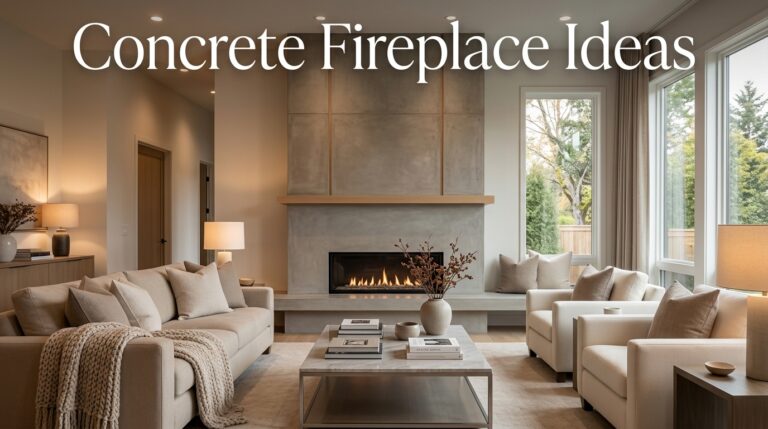
A slim linear light integrated into a fireplace niche can give a modern surround a crisp architectural finish. Imagine a recessed vertical channel beside a concrete fireplace, a narrow illuminated reveal between wood slats, or a continuous line of light tracing one edge of the wall. The goal is not to outline every part of the fireplace; one deliberate line usually has more impact than several competing strips.
This technique works best in contemporary rooms where the surround already uses simple geometry, such as large-format porcelain, microcement, fluted wood, or flat plaster. A concealed diffuser keeps the light smooth and helps the feature read as part of the architecture rather than an added gadget.
It can also visually stretch a low room when the light runs vertically. Because integrated lighting involves wiring, channels, and heat considerations, it is easiest to plan during construction or remodeling. Keep the color temperature compatible with nearby lamps so the fireplace does not glow a noticeably different white from the rest of the room.
13. Light a Fireplace-and-TV Wall Without the Neon Look

For an electric fireplace, subtle lighting around the media wall can create atmosphere without making the installation look like a gaming setup. The most polished approach is to use a soft backlight behind the television, a recessed shelf, or the outer edge of a paneled wall rather than running exposed multicolor strips around the firebox.
Warm white or muted adjustable light usually integrates more naturally with living-room decor, while stronger colors can be reserved for occasional entertaining. This idea suits contemporary spaces where the fireplace and television share one vertical composition, particularly when the wall is finished in wood slats, dark paint, stone-look porcelain, or smooth plaster.
Keep each light source visually separate from the simulated flame so the fireplace retains depth. Too much brightness can flatten the effect and make every element compete. A dimmable system helps the wall shift from functional daytime viewing to softer evening ambience. Before installing lighting close to the unit, follow the electric fireplace and lighting manufacturers’ guidance for ventilation, heat, and wiring.
14. Use a Pendant to Balance an Off-Center Fireplace

A pendant hanging near, rather than directly over, the fireplace can add sculptural lighting to an asymmetrical room. This is especially effective when the fireplace sits off-center, beside a window, or at the end of a long living space where strict symmetry would feel forced. A single pendant over a nearby side table, bench, or reading chair creates a visual partner for the hearth and helps connect the fireplace to the seating arrangement.
Materials can echo the room without matching the mantel literally: smoked glass adds depth beside dark stone, woven fiber softens white plaster, and aged brass warms painted millwork. The pendant should have a clear functional zone so it does not appear randomly suspended beside the fire.
In rooms with low ceilings or busy traffic paths, this idea can become awkward, so a wall light may be more practical. When the ceiling is generous, however, a pendant introduces vertical movement and makes the fireplace area feel like a composed corner rather than a flat wall treatment.
15. Put a Table Lamp on a Fireplace-Side Cabinet

A decorative table lamp placed on a built-in cabinet next to the fireplace is a practical choice when you want warmth without altering the fireplace wall itself. It works particularly well with symmetrical built-ins, media cabinets, or low storage units where the lamp can sit below mantel height and cast light sideways across the room.
Instead of matching lamps on both sides automatically, consider one lamp balanced by books, art, or a plant on the opposite cabinet. That slight asymmetry often feels more natural and leaves the fireplace as the central anchor. A textured ceramic base, dark bronze finish, or translucent glass lamp can repeat colors already present in stone, tile, or wood.
Use a shade that shields the bulb from seated eye level, since the lamp may be close to sofas or armchairs. This setup is flexible for renters and budget-conscious updates because it requires no electrical work. It is also easy to change seasonally, making the fireplace zone feel refreshed without replacing permanent fixtures.
16. Make a Non-Working Firebox Glow

Lighting the inside of a non-working fireplace turns an empty black opening into a deliberate decorative feature. Fill the firebox with a restrained grouping of flameless pillar candles, a low cluster of warm micro-lights around stacked logs, or a concealed light behind sculptural branches to create depth.
The arrangement should still look convincing during the day, so use materials with texture—birch logs, aged terracotta, dark metal, or stoneware—rather than relying on light alone. This idea is especially useful in older homes where the fireplace is sealed, decorative, or rarely used, and it can make a small room feel warmer without adding another floor lamp.
Avoid cramming the cavity with dozens of tiny lights; a few larger points of illumination usually read more sophisticatedly. If the fireplace may be returned to active use, remove decorative lighting and accessories completely before doing so. For renters, this is one of the simplest transformations because nothing needs to be mounted to the wall or permanently wired.
17. Try Rechargeable Sconces When Hardwiring Is Not Practical

A pair of rechargeable picture-style sconces can give a fireplace wall a finished look when hardwiring is not practical. These fixtures are useful for rentals, older homes with difficult masonry, or quick makeovers where opening walls would turn a simple decor update into a renovation.
Place them to frame a central mirror or artwork, and choose a finish that feels connected to the room—aged brass for warm traditional spaces, matte black for graphic modern rooms, or soft bronze for something quieter. Because battery fixtures vary in brightness and run time, treat them primarily as accent lighting rather than the room’s only source of illumination.
Their biggest visual advantage is the absence of a dangling cord, but that only works if the mounting plates and rechargeable bulbs remain discreet. In very large rooms, undersized battery sconces can look flimsy, so prioritize proportion over convenience. Pair them with a nearby floor lamp or ceiling light to build a layered scheme, then use the sconces mainly for evening atmosphere around the mantel.
18. Graze Fluted or Slatted Fireplace Walls with Hidden Light

If the fireplace surround has vertical wood slats, fluted panels, or ribbed plaster, concealed grazing light can make those lines dramatically more visible at night. Place the light source just outside or within the edge of the textured zone so it skims across the surface instead of shining straight at it. The small shadows between grooves create depth, making a simple material treatment feel more architectural.
This is especially effective on floor-to-ceiling fireplace walls where the texture continues above the mantel or behind a television. Natural oak, walnut, charcoal-stained timber, and warm white plaster all respond beautifully to low-intensity light, though the exact effect depends on how deep the texture is.
A very bright strip can make the wall look theatrical, so dimming is important. This idea is better suited to planned renovations than quick decorating because the light source, channel, and wiring need thoughtful concealment. When done subtly, the fireplace gains presence after dark without adding visible fixtures or extra objects to the room.
19. Layer Three Light Sources Around the Fireplace

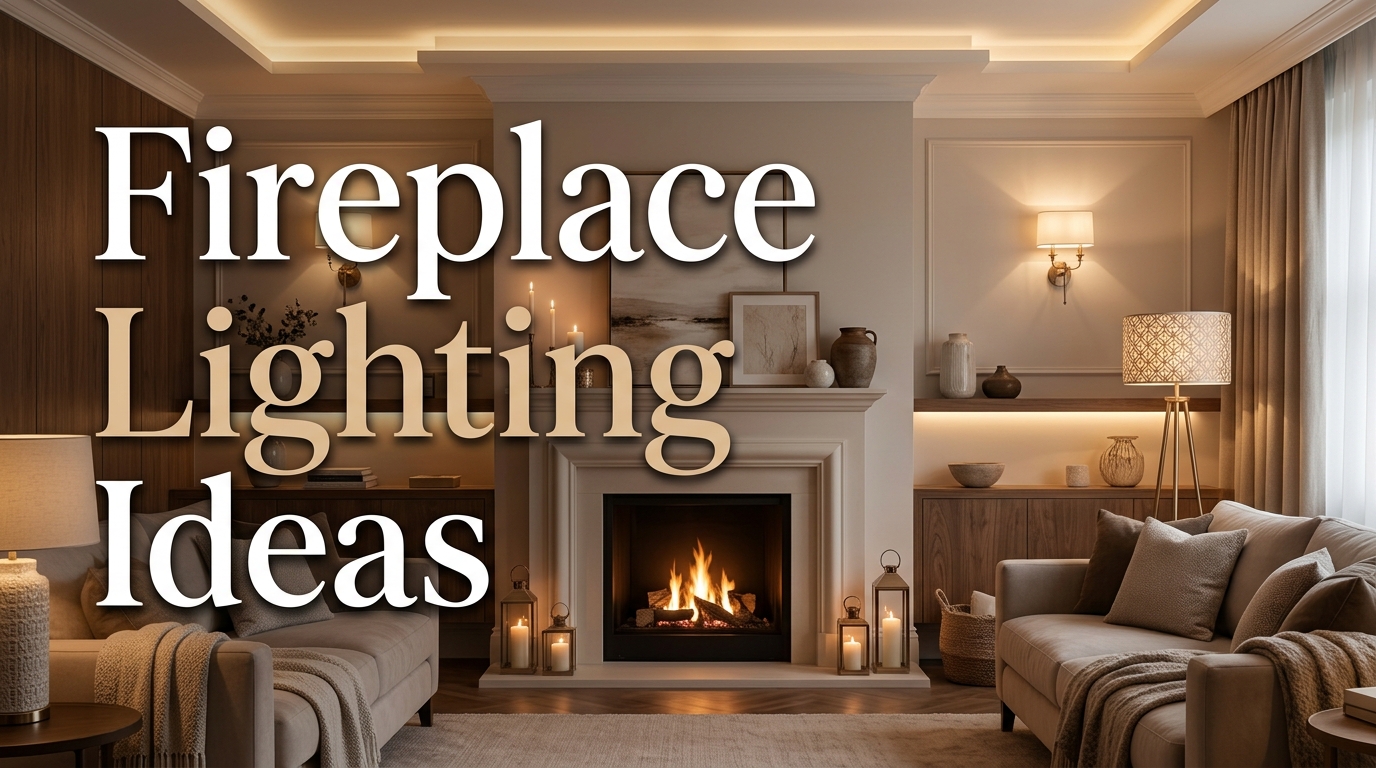
For the most comfortable fireplace setting, combine three modest light sources instead of asking one fixture to do everything. Start with low ambient light from a floor or table lamp, add focused accent light at the mantel or built-ins, then let the fire itself provide movement and warmth. This layered approach works across styles because it is based on function rather than a specific look.
In a traditional room, that might mean brass sconces, a shaded lamp, and candlelight; in a modern room, it could be recessed spots, under-mantel LEDs, and a slender floor lamp. The important part is contrast. If every light is equally bright, the fireplace loses its focal quality and the room can feel flat.
Dimmers or separate controls make it easier to lower surrounding light once the fire is on. Consider where people actually sit, read, watch television, or walk through the room, then place lighting around those activities. A beautiful fireplace should glow within the room, not become the only bright object in it.