
19 Backyard Fence Ideas for Privacy, Style and a Beautiful Garden in 2026
Backyard fence ideas do far more than mark your property line: the right fence gives you privacy, keeps kids and pets safe, quiets street noise, and frames your whole garden beautifully. A fence is also one of the most visible parts of your home, so choosing a style that suits your house and your budget really matters. Here are 19 backyard fence ideas, from classic pickets to modern panels and living green walls, to help you find the perfect fit.
Classic Backyard Fence Styles
Classic fences never go out of style, because they suit almost any house and garden. These timeless options are a safe starting point if you want a fence that looks good for decades.
1. Classic White Picket Fence
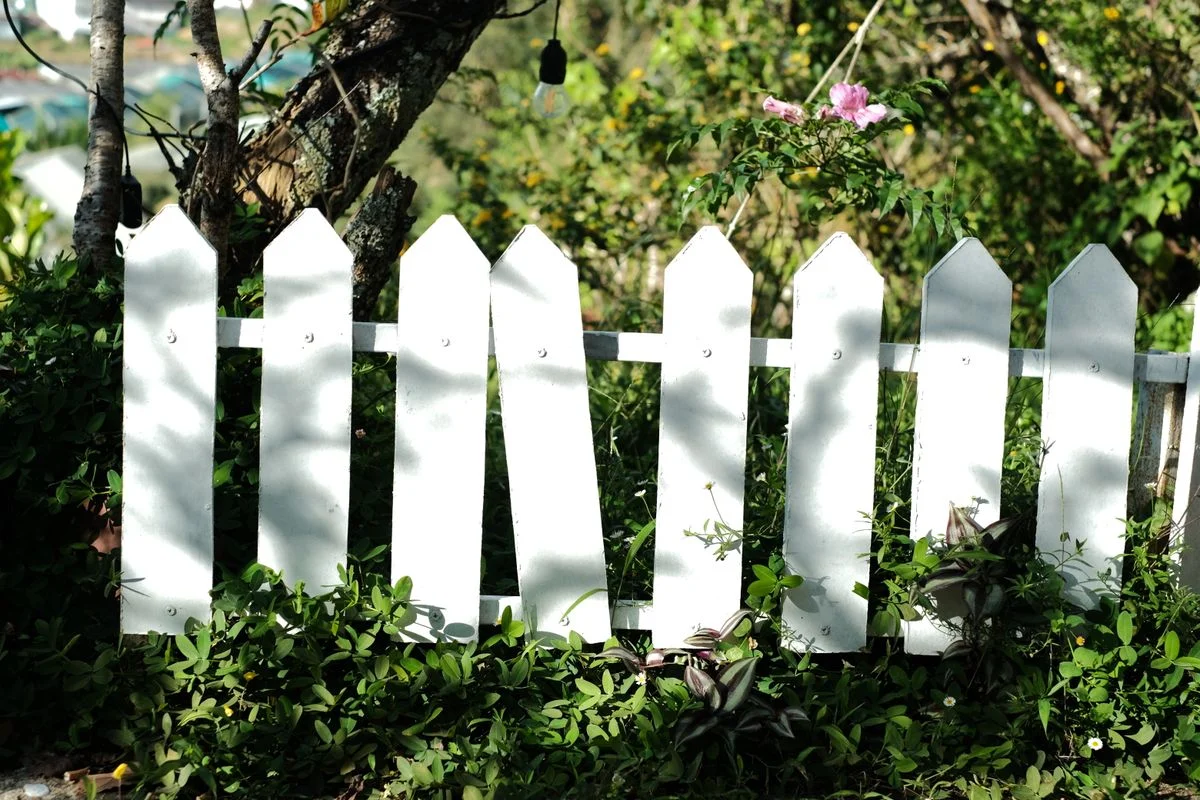
A classic white picket fence is the picture of a friendly, traditional backyard, with evenly spaced vertical boards and a pointed or flat top. It defines your garden boundary without blocking light or views, which makes it ideal for front yards and smaller backyards. White paint brightens the whole garden and pairs beautifully with flowers, lawns, and cottage-style homes. Tip: choose pressure-treated wood and repaint every few years to keep the white crisp.
Height matters with a picket fence, so keep it around one meter for a decorative border or a little taller if you need to contain small pets. Space the pickets evenly using a spacer block during installation, because uneven gaps are the first thing the eye notices. Add a matching gate with sturdy hinges, since a sagging gate ruins the look of even the prettiest picket fence.
2. Horizontal Wood Slat Fence
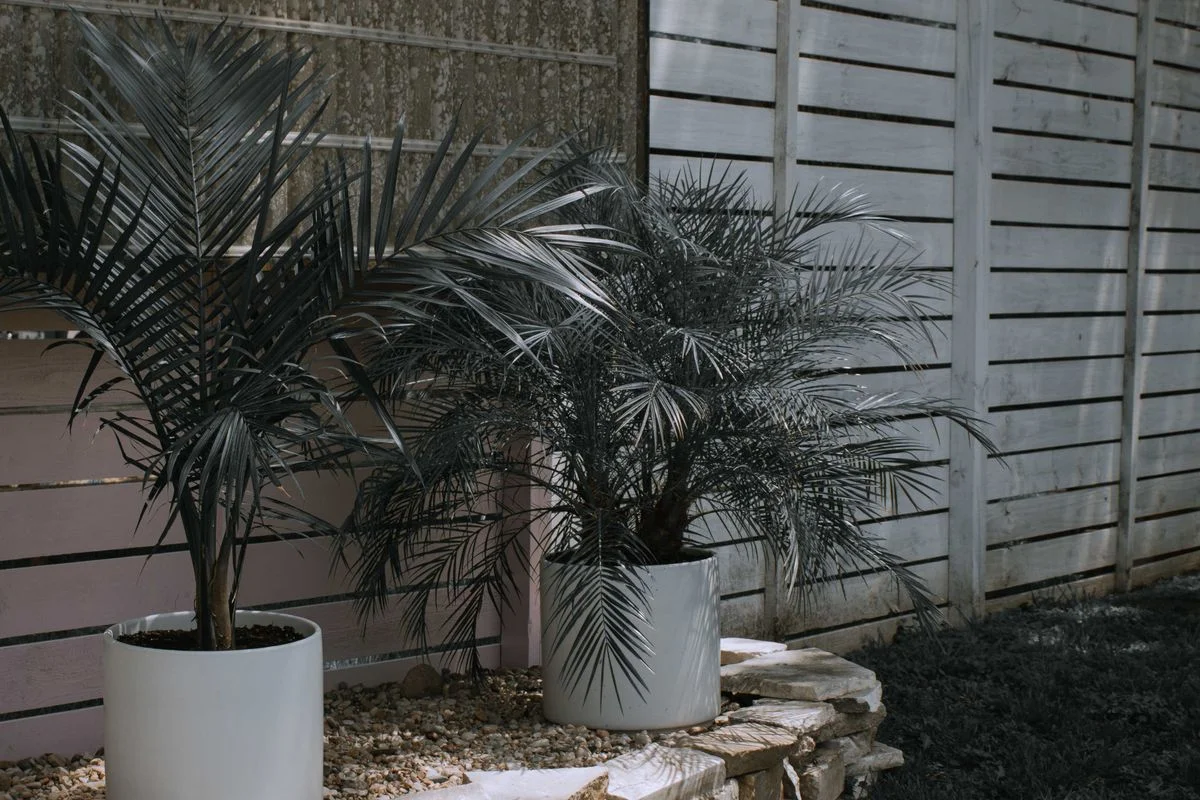
A horizontal wood slat fence feels modern and sleek, with long boards running sideways instead of up and down. The horizontal lines make a small yard feel wider, and the warm wood tones soften patios, decks, and contemporary homes. You can vary the gap between slats to balance privacy and airflow, with tighter gaps for more screening. Tip: use cedar or redwood for natural weather resistance and a rich color that ages gracefully.
Installation quality decides how long a horizontal fence looks good, so set posts in concrete at even intervals and keep the bottom board clear of soil to prevent rot. Stain or seal the wood within a few weeks of building, and reapply every two to three years to prevent graying and splitting. If your ground slopes, step the fence in sections rather than following every dip, which keeps the horizontal lines clean.
3. Cedar Privacy Fence
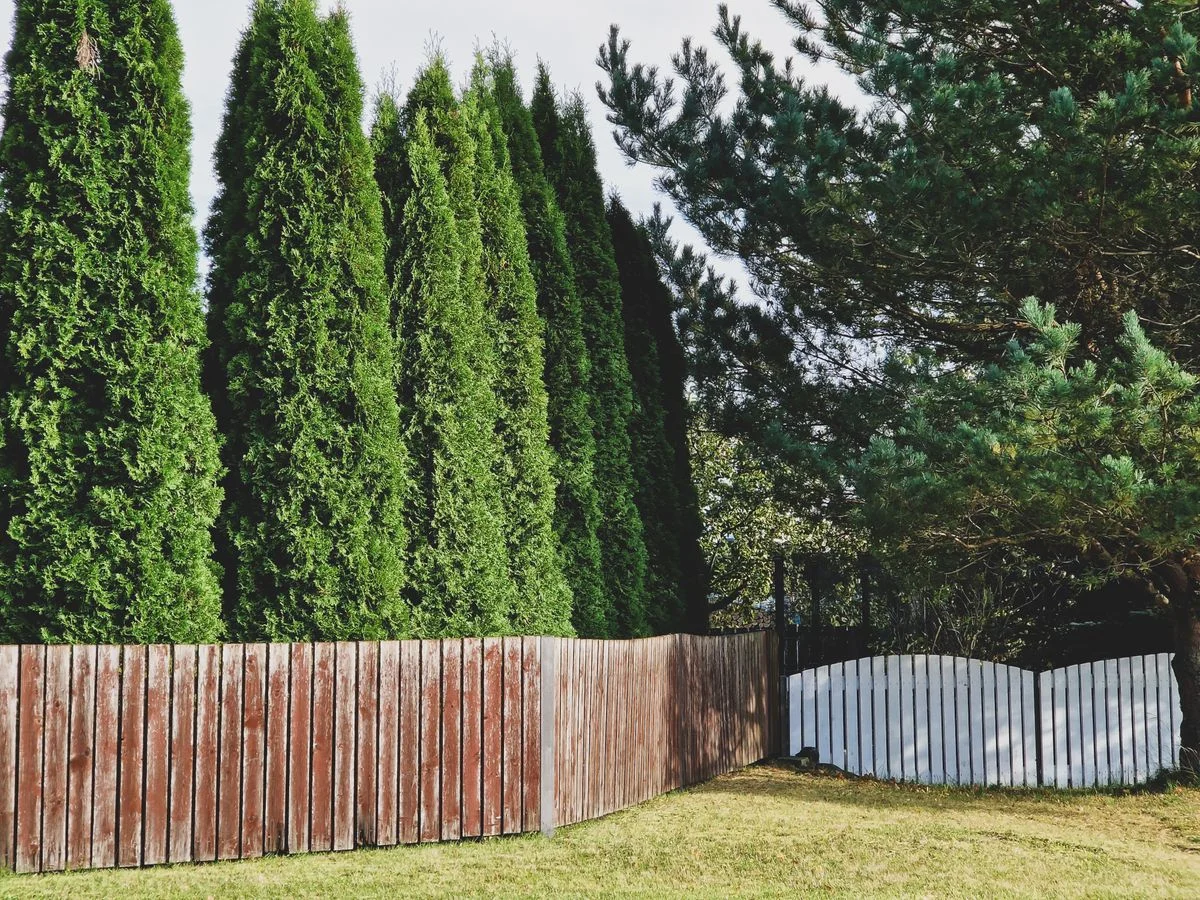
A cedar privacy fence is the go-to choice for homeowners who want seclusion without a cold, industrial look. Tall, tightly fitted cedar boards block views from neighbors and the street while the natural wood grain keeps the garden feeling warm and organic. Cedar also resists insects and decay better than many cheaper woods, which means less maintenance over time. Tip: let cedar weather naturally or stain it to keep its warm reddish tone.
Good drainage extends a cedar fence’s life dramatically, so keep soil, mulch, and leaf piles away from the bottom boards where moisture collects. Use stainless steel or coated screws rather than plain nails, because ordinary fasteners stain cedar with dark streaks over time. Plan for a height of around 1.8 meters for real privacy, and check local fence height rules before you build.
4. Lattice Top Fence
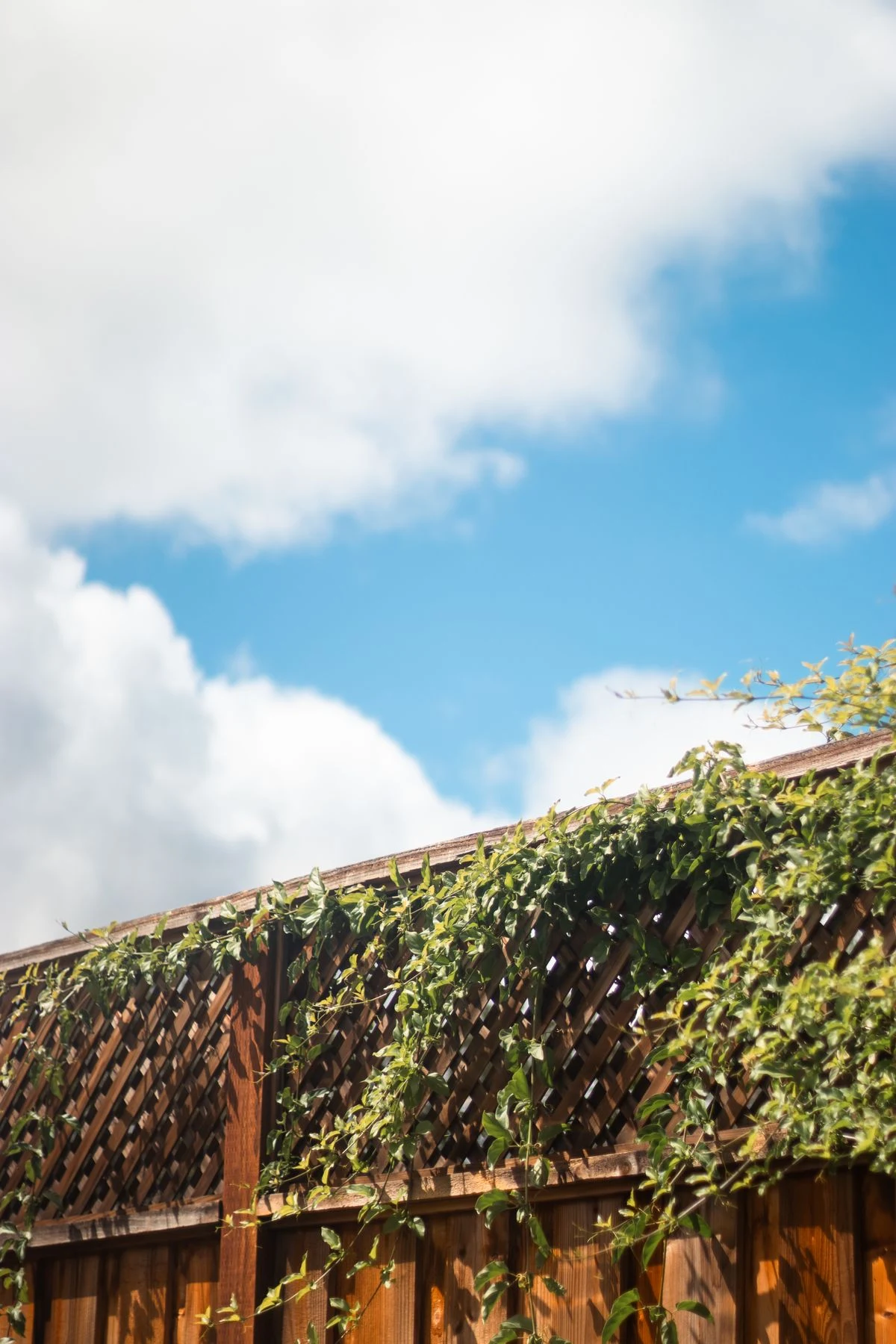
A lattice top fence combines solid lower panels for privacy with an open lattice section on top that lets in light and air. The crisscross pattern adds a decorative touch and gives climbing plants something to grip, so roses, jasmine, or clematis can turn your fence into a flowering wall. It suits traditional and cottage gardens especially well. Tip: choose a lattice pattern that matches your home’s trim style for a cohesive look.
Climbing plants need a little help to cover lattice well, so tie young stems loosely to the lattice and prune regularly to keep growth even. The open top section also means less wind resistance than a fully solid fence, which helps the fence stand up better in storms. Keep the lattice clean by brushing off leaves and debris each spring, since trapped moisture can rot the thin lattice strips faster than the main panels.
5. Wrought Iron Fence

A wrought iron fence brings elegance and durability to a backyard, with slim bars, decorative finials, and an open design that shows off your garden rather than hiding it. Iron lasts for decades when properly maintained, resists impact far better than wood, and suits formal homes, historic properties, and front boundaries beautifully. Tip: choose a powder-coated finish, which resists rust far better than ordinary paint.
Iron fences offer security and style but little privacy, so pair them with hedges or climbing plants if screening matters to you. Inspect the fence yearly for chips or rust spots, especially near the ground, and touch up the coating promptly before rust spreads. A matching iron gate with a self-closing latch adds both security and a polished entrance to your garden.
Privacy Backyard Fence Ideas
If privacy is your top priority, these fences block views, reduce noise, and turn your backyard into a true outdoor room. Choose the level of screening that fits your neighbors and your garden.
6. Tall Solid Privacy Panels

Tall solid privacy panels are the simplest way to turn an overlooked backyard into a private retreat. Close-boarded panels with no gaps block sightlines completely, cut wind, and muffle street noise, which makes patios and seating areas feel far more relaxing. They work in almost any garden style and can be painted or stained to match your home. Tip: check local height limits first, since many areas cap backyard fences at around 1.8 to 2 meters.
Wind load is the main engineering concern with solid panels, because a tall fence with no gaps catches wind like a sail. Set posts deeper than you would for an open fence, use concrete footings, and choose thick, well-braced panels. Leave a small gap at the bottom for drainage and airflow, which also prevents the boards from sitting in standing water after rain.
7. Bamboo Fence for Natural Screening

A bamboo fence gives you fast, natural-looking privacy with a warm, tropical feel that suits relaxed and Asian-inspired gardens. Rolled bamboo screens attach quickly to an existing fence or frame, while bamboo poles lashed together make a sturdier standalone fence. Bamboo grows quickly and renews fast, making it one of the more sustainable fencing materials available. Tip: seal bamboo with an outdoor oil to protect it from sun and rain.
Bamboo needs protection from constant damp, so keep the bottom of the fence clear of soil and puddles and allow air to circulate behind it. Rolled screens last a few years outdoors, while thick bamboo poles with proper treatment can last much longer. Replace individual damaged poles rather than the whole fence, which keeps maintenance cheap and simple over time.
8. Living Hedge Fence

A living hedge fence is a fence made entirely of plants, such as boxwood, privet, laurel, or yew, trimmed into a dense green wall. Hedges soften hard boundaries, support birds and pollinators, and change beautifully with the seasons, which no built fence can match. They also absorb sound and wind better than a flat solid panel. Tip: choose an evergreen species if you want privacy all year, not just in summer.
Patience is the price of a hedge fence, since even fast-growing species take two to four years to fill in fully. Plant at the spacing your nursery recommends, water deeply in the first year, and trim twice a year to keep the hedge dense rather than leggy. Combine a young hedge with a simple wire fence behind it for instant boundaries while the plants mature.
9. Vertical Garden Fence

A vertical garden fence turns a plain boundary into a living feature, with planters, pockets, or trellis panels fixed to the fence and filled with herbs, flowers, or trailing plants. It is perfect for small backyards where ground space is limited, because the garden grows upward instead of outward. Herbs near a kitchen door are especially practical, giving you fresh flavor steps from the stove. Tip: use lightweight planters and a drip watering system to keep the fence from getting waterlogged.
Weight and water are the two things to manage on a vertical garden fence, so mount planters to the posts rather than thin panels and choose a soil mix that drains well. Water in the morning so foliage dries during the day, which reduces fungal problems, and feed container plants regularly since small pots run out of nutrients fast. Rotate seasonal plants twice a year to keep the fence looking fresh and full.
10. Fence With Built-In Planters
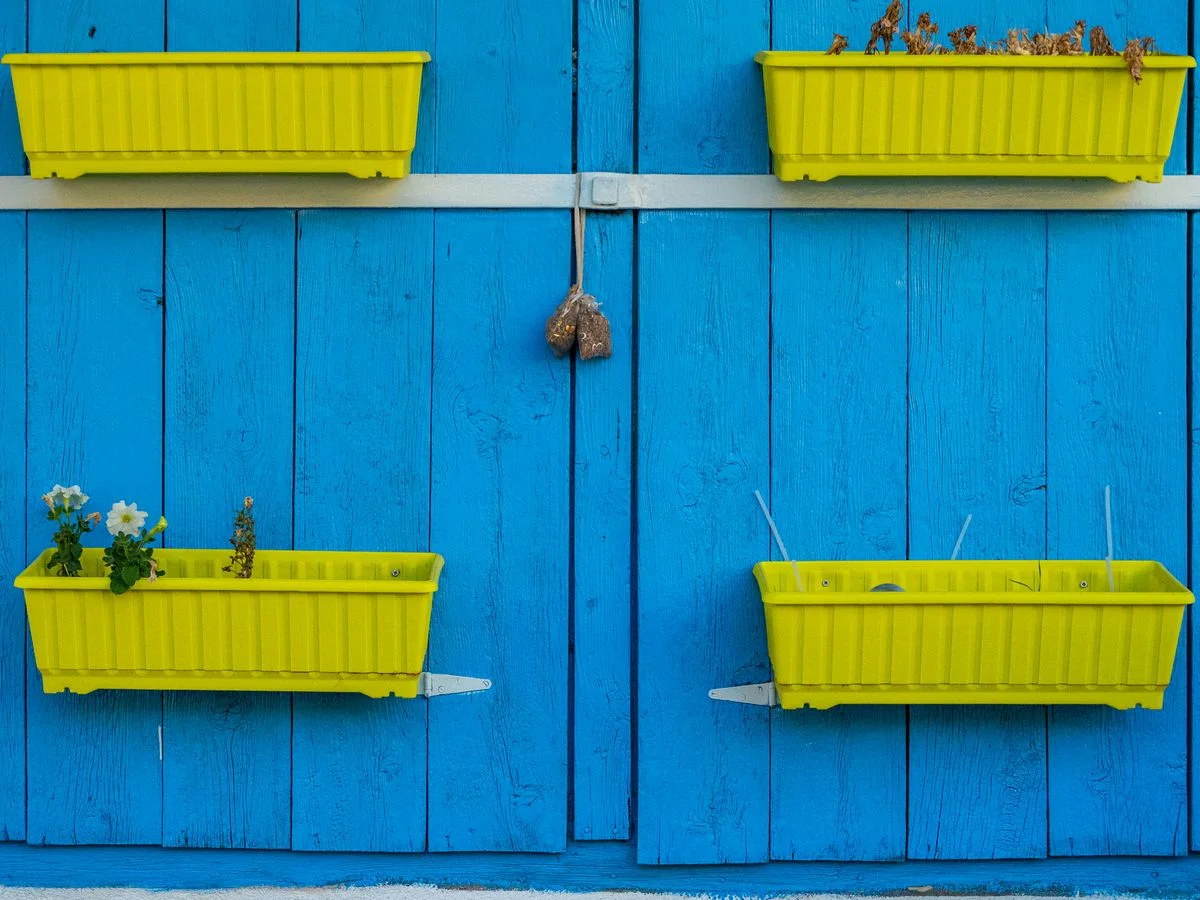
A fence with built-in planters combines screening and gardening in one structure, with planter boxes along the top, base, or face of the fence. Flowers spilling over the top soften a tall privacy fence, while herbs and vegetables at the base turn a boundary into a productive garden bed. This idea works especially well on patios and decks where ground planting space is scarce. Tip: line wooden planters with plastic and add drainage holes to protect the fence timber.
Plan your planting to suit the fence’s sun exposure, because a south-facing fence gets hot and dries planters fast, while a shaded fence suits ferns and hostas. Use self-watering planter inserts or a simple drip line if you travel often, since fence planters dry out faster than ground beds. Refresh the soil each spring and replace tired annuals, which keeps the fence looking intentional rather than neglected.
Decorative Backyard Fence Ideas
A fence can be a design feature in its own right, not just a boundary. These decorative ideas add color, texture, and personality to your backyard.
11. Painted Colorful Fence
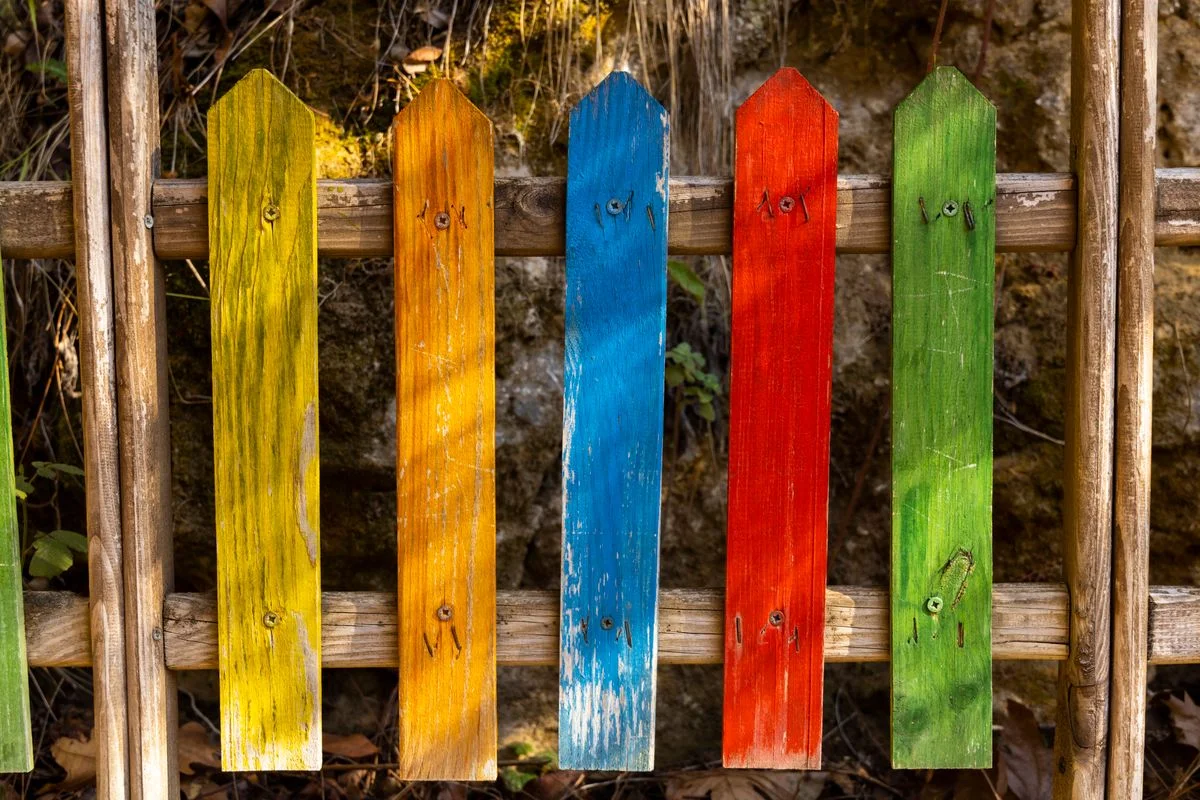
A painted colorful fence instantly lifts a plain backyard, whether you choose a soft sage green, a bold navy, or a cheerful multi-color design. Color can tie the fence to your house trim, your garden furniture, or your flower palette, making the whole garden feel designed rather than assembled. Paint is also the cheapest way to transform an old fence without rebuilding it. Tip: test a paint swatch on one board first, since colors look darker and stronger over a large fence area.
Preparation decides whether painted fences last, so clean the wood, sand rough spots, and apply an exterior primer before the topcoat. Use paint made for outdoor wood, not interior paint, and expect to repaint every three to five years depending on sun exposure. Dark colors absorb heat and can warp thin boards, so choose lighter shades for fences in full sun.
12. Rustic Split Rail Fence
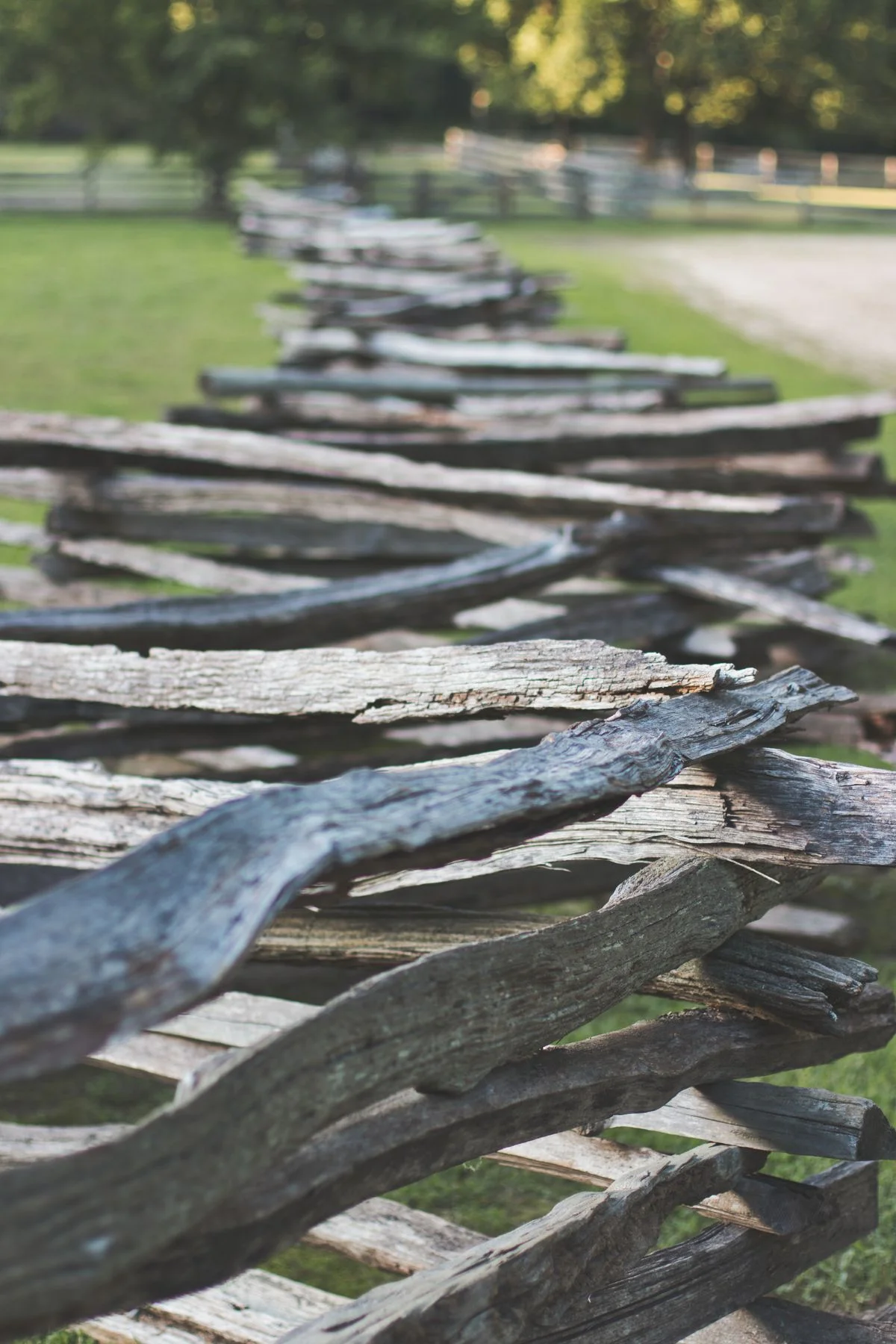
A rustic split rail fence, with rough-hewn horizontal rails fitted between posts, gives a backyard a relaxed country or farmhouse feel. It marks a boundary clearly without blocking views, which suits large gardens, rural properties, and homes with open landscapes. The natural, unfinished wood blends into the garden instead of competing with it. Tip: use rot-resistant wood like cedar or locust for the posts, since they sit in the ground.
Split rail fences offer little privacy or pet containment on their own, so add wire mesh on the inside if you need to keep small dogs or children in. The open design also means less wind resistance, which helps the fence survive storms with minimal damage. Let the wood weather naturally to a soft gray, or oil it yearly if you prefer to keep the warm brown tone.
13. Stone and Wood Combination Fence
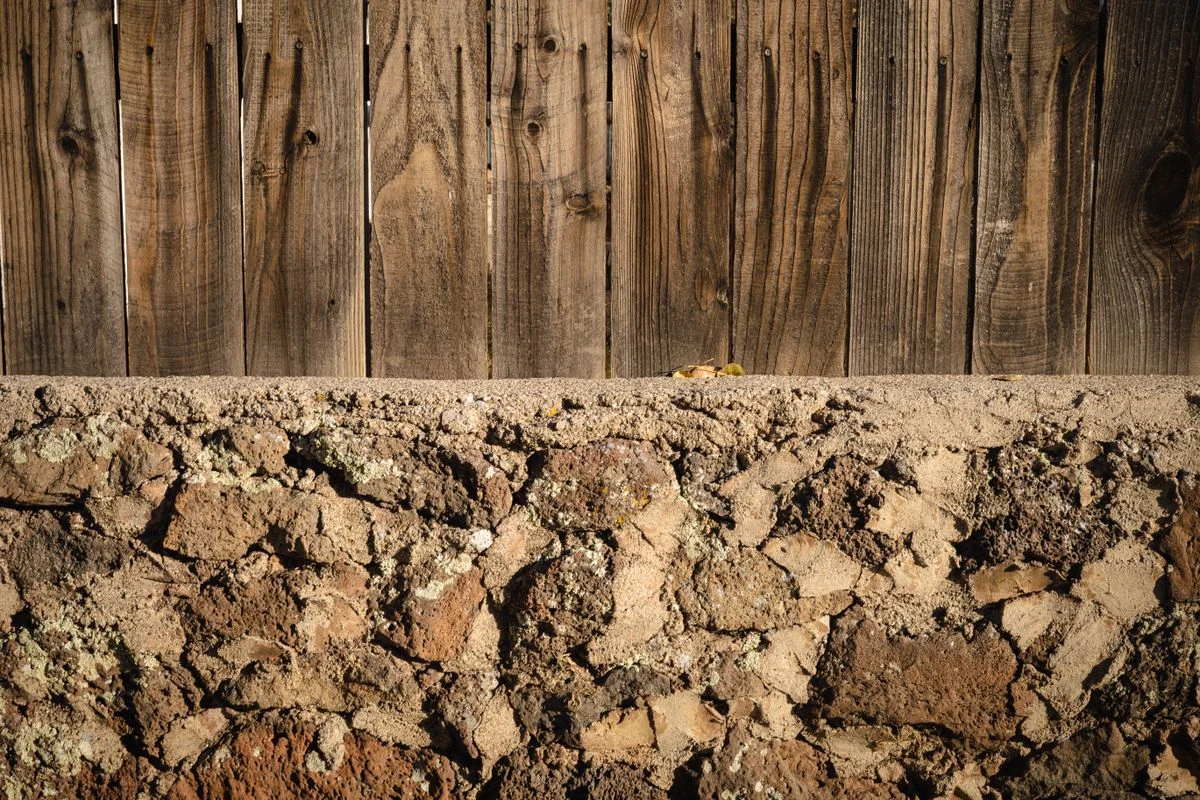
A stone and wood combination fence pairs sturdy stone or brick pillars with wooden panels between them, giving you the best of both materials. The stone pillars add permanence, structure, and a high-end look, while the wood panels keep the fence warmer and more affordable than a full stone wall. This style suits traditional, craftsman, and upscale homes especially well. Tip: match the stone to your house foundation or garden walls for a cohesive look.
Foundations matter most for this fence type, because stone pillars are heavy and will lean if their footings are shallow or poorly drained. Build pillars on concrete footings below the frost line where relevant, and use galvanized brackets to connect wood panels so they can be replaced without disturbing the stone. Cap the pillars with stone or metal caps to shed rainwater and prevent staining.
14. Modern Metal Panel Fence
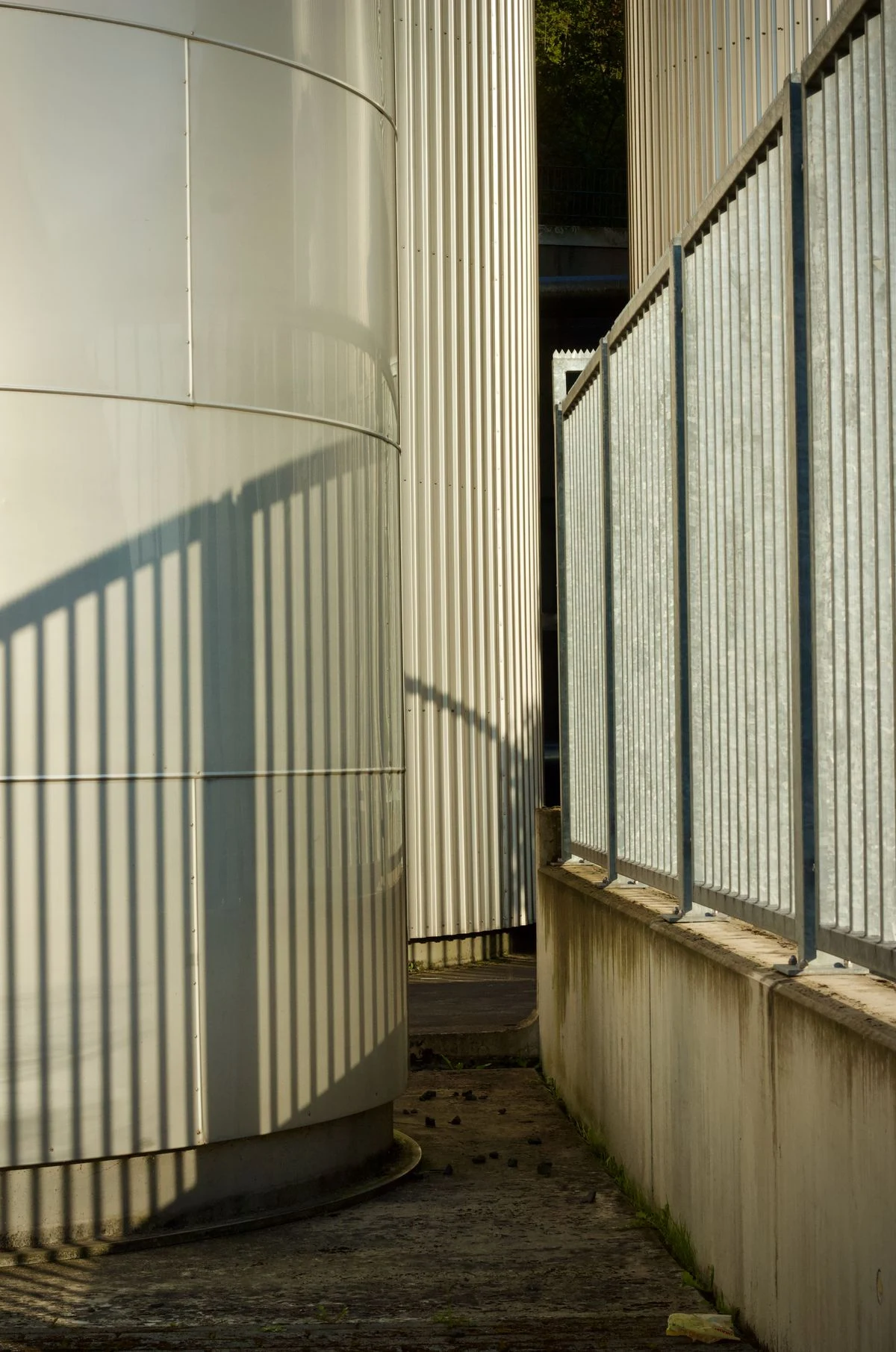
A modern metal panel fence uses flat steel or aluminum panels, often in dark charcoal or black, for a clean, architectural look. The crisp lines suit contemporary homes, and the slim profile takes up less visual space than chunky wood panels. Metal panels also resist warping, rotting, and insect damage, which keeps maintenance very low. Tip: choose powder-coated aluminum if you want rust resistance without the weight of steel.
Metal panels can feel cold on their own, so soften them with planting in front, such as grasses, shrubs, or climbing vines on a separate trellis. Check that panels are rated for your wind zone, and use posts set in concrete at the manufacturer’s recommended spacing. Dark metal absorbs heat in summer, so keep heat-sensitive plants a little distance from the panels.
15. Fence With String Lights and Lighting
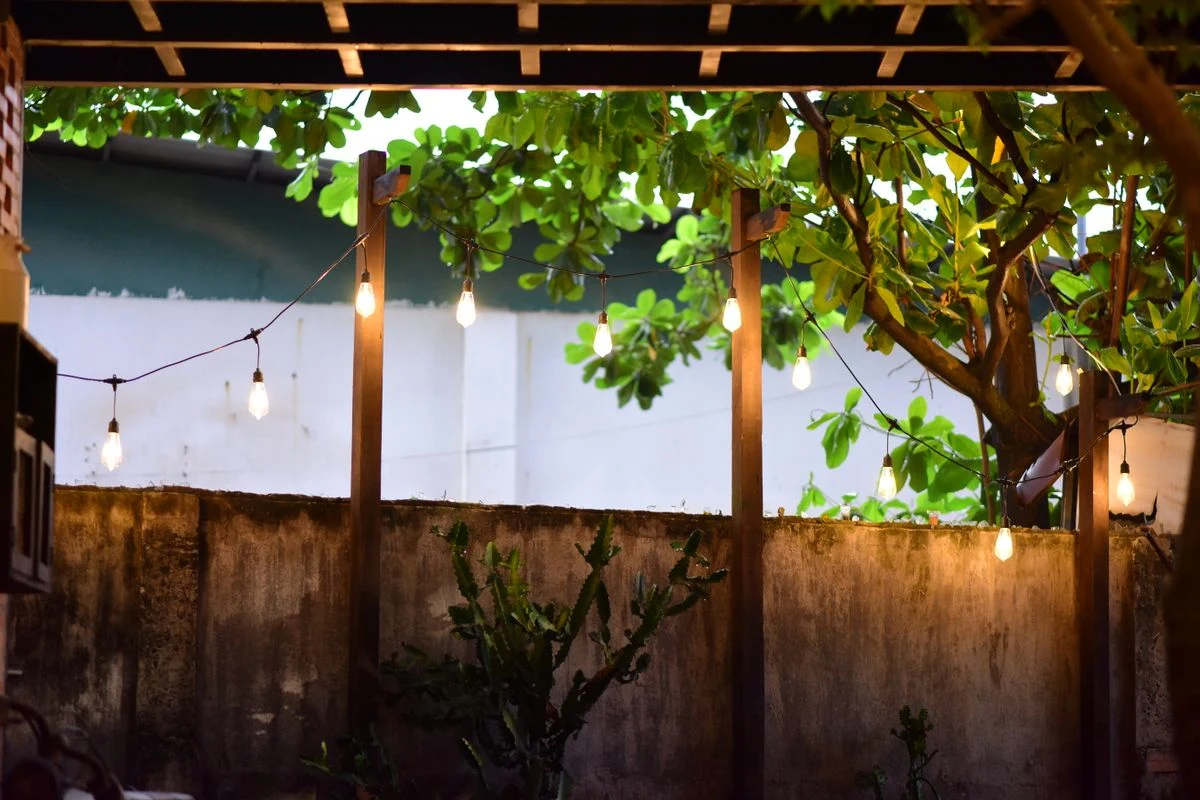
A fence with string lights and lighting turns your boundary into an evening feature, making the backyard usable and beautiful long after sunset. Drape warm-white string lights along the top rail, add solar post caps, or mount small downlights that wash the fence panels with soft light. Lighting also improves security by removing dark corners around the garden. Tip: use solar lights where wiring is difficult, and warm-white bulbs for a cozy rather than clinical glow.
Plan lighting so it highlights the fence without glaring into neighbors’ windows, aiming lights downward or along the fence line rather than outward. Solar lights need direct sun during the day to charge well, so avoid placing them under dense tree cover. Use a timer or dusk sensor so lights switch on automatically, which keeps the garden welcoming every evening without daily effort.
Practical and Durable Backyard Fence Ideas
If you want a fence that lasts with minimal upkeep, these practical materials are worth considering. They cost more upfront but save time and money over the years.
16. Composite Low-Maintenance Fence
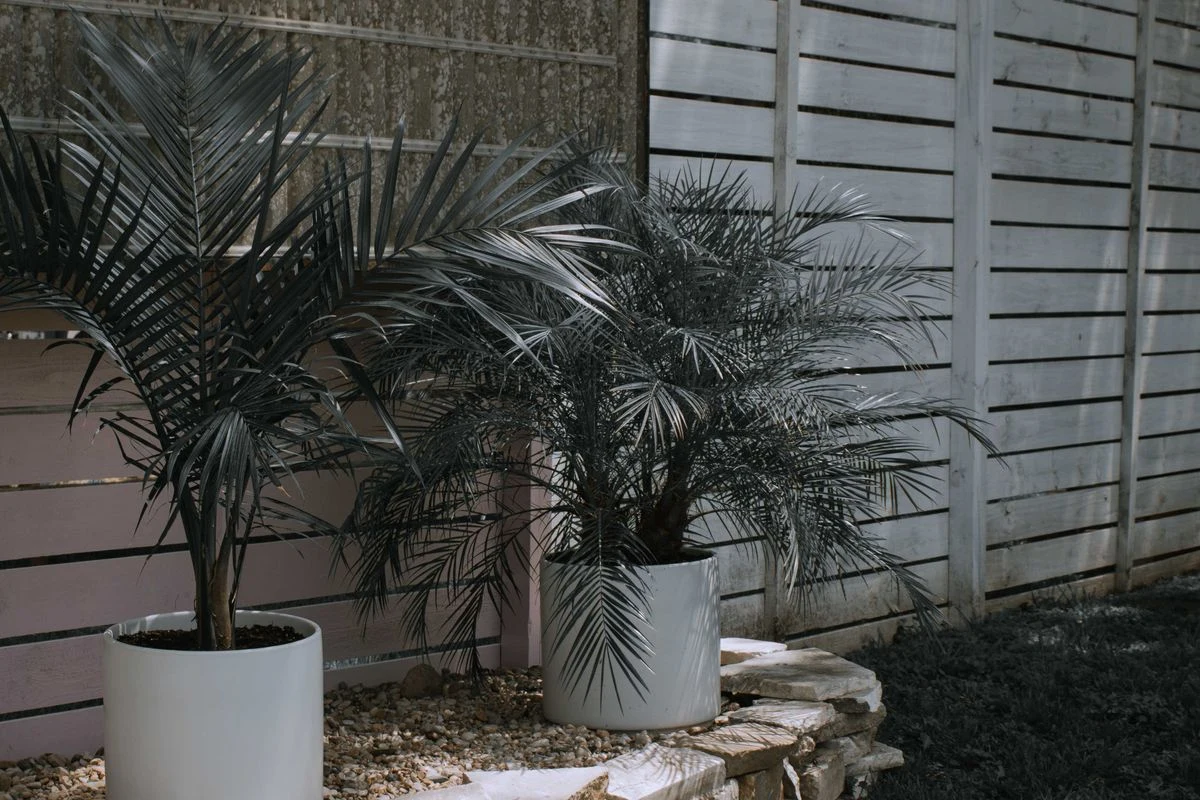
A composite fence, made from recycled wood fibers and plastic, looks like wood but never needs painting, staining, or sealing. The boards resist fading, warping, and insect damage, and they come in a range of wood-like colors that stay consistent for years. For busy homeowners, the time saved on maintenance alone often justifies the higher upfront cost. Tip: choose a reputable brand with a long warranty, since composite quality varies widely.
Composite fences are heavier than wood, so posts must be set carefully in concrete and spaced exactly to the manufacturer’s specification. The boards can expand in heat, so leave the recommended expansion gaps during installation rather than fitting them tightly. Clean composite panels with soap and water once or twice a year, which is all the maintenance most composite fences ever need.
17. Vinyl Fence for Easy Care
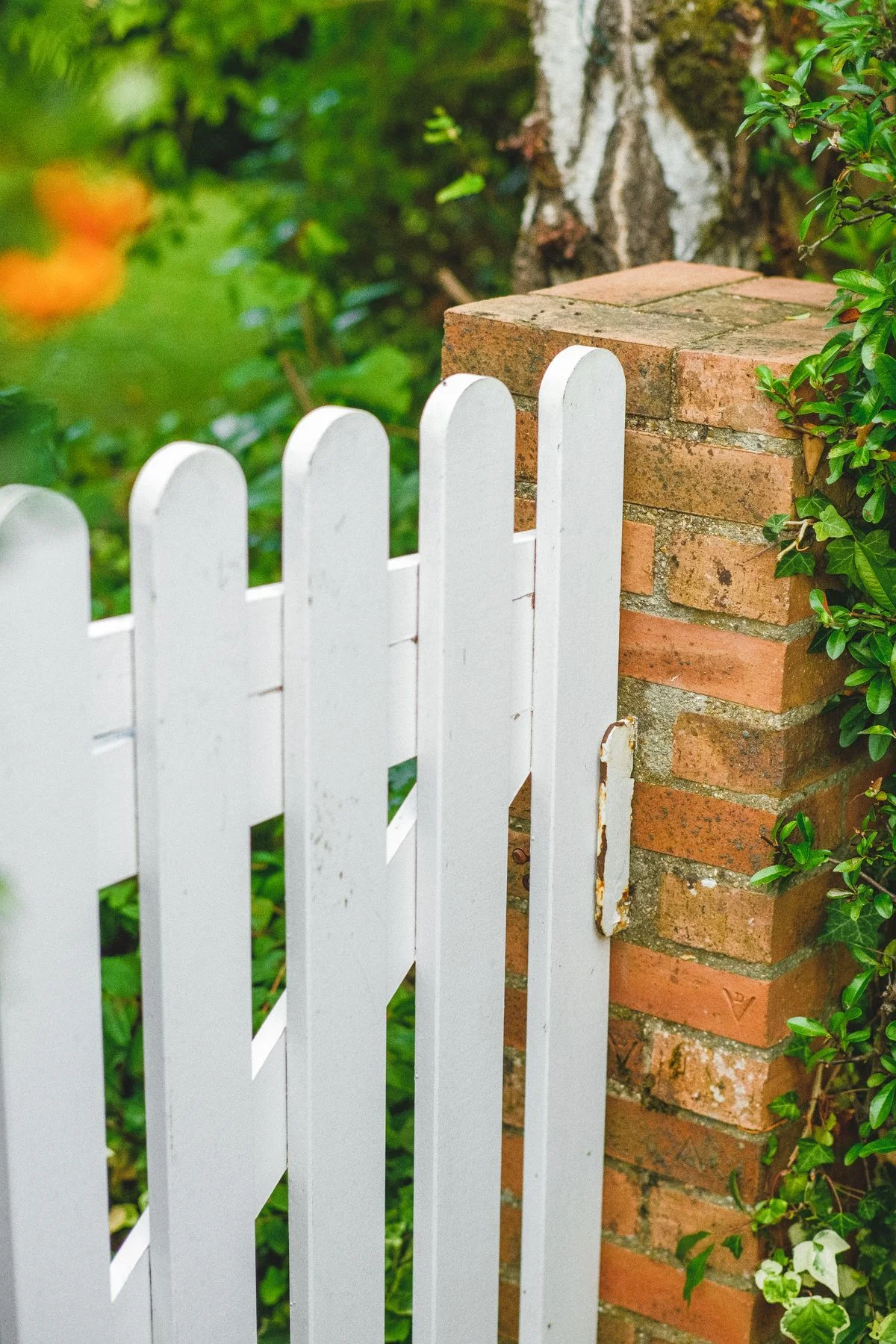
A vinyl fence is one of the lowest-maintenance backyard fence ideas, because it never rots, rusts, or needs painting. Modern vinyl comes in privacy, picket, and ranch-rail styles, with clean lines and a bright finish that stays looking new for years. It is also easy to clean, usually needing just a rinse with a garden hose. Tip: choose thicker, virgin vinyl panels rather than thin recycled ones, which can become brittle and crack.
Vinyl performs best in moderate climates, since extreme cold can make it brittle and extreme heat can cause warping if panels are poorly made. Install vinyl fences with posts in concrete and allow for thermal expansion, following the manufacturer’s spacing guide closely. If a panel is damaged, most vinyl systems let you replace a single panel without rebuilding the whole fence run.
18. Chain-Link Fence Dressed With Vines
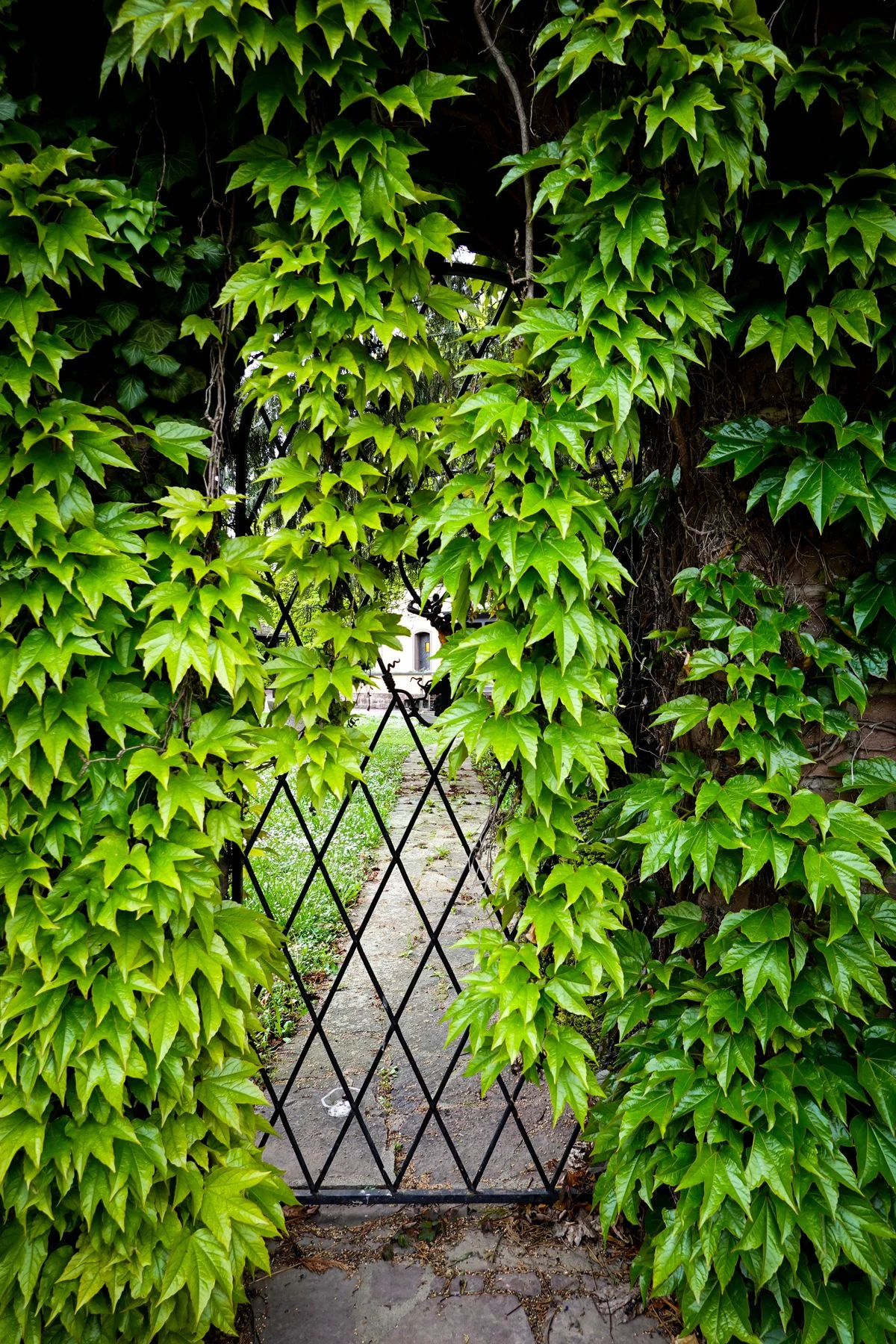
A chain-link fence dressed with vines is a budget-friendly way to get a green, private boundary without paying for a solid fence. The galvanized mesh is durable and affordable, and climbing plants like ivy, jasmine, or Virginia creeper quickly cover it with foliage and flowers. This idea suits large backyards and side boundaries where cost matters more than a polished look. Tip: choose non-invasive vine species for your area so the planting stays manageable.
Vines add significant weight as they mature, so use sturdy posts and a top rail rated for the load, and prune yearly to keep growth balanced. Keep vines trimmed away from gates and latches so the gate still opens freely, and check that plants are not pulling the mesh loose at the base. In winter, deciduous vines drop leaves and privacy returns to the open mesh, so pair with evergreen shrubs if year-round screening matters.
19. Decorative Garden Gate as a Fence Feature
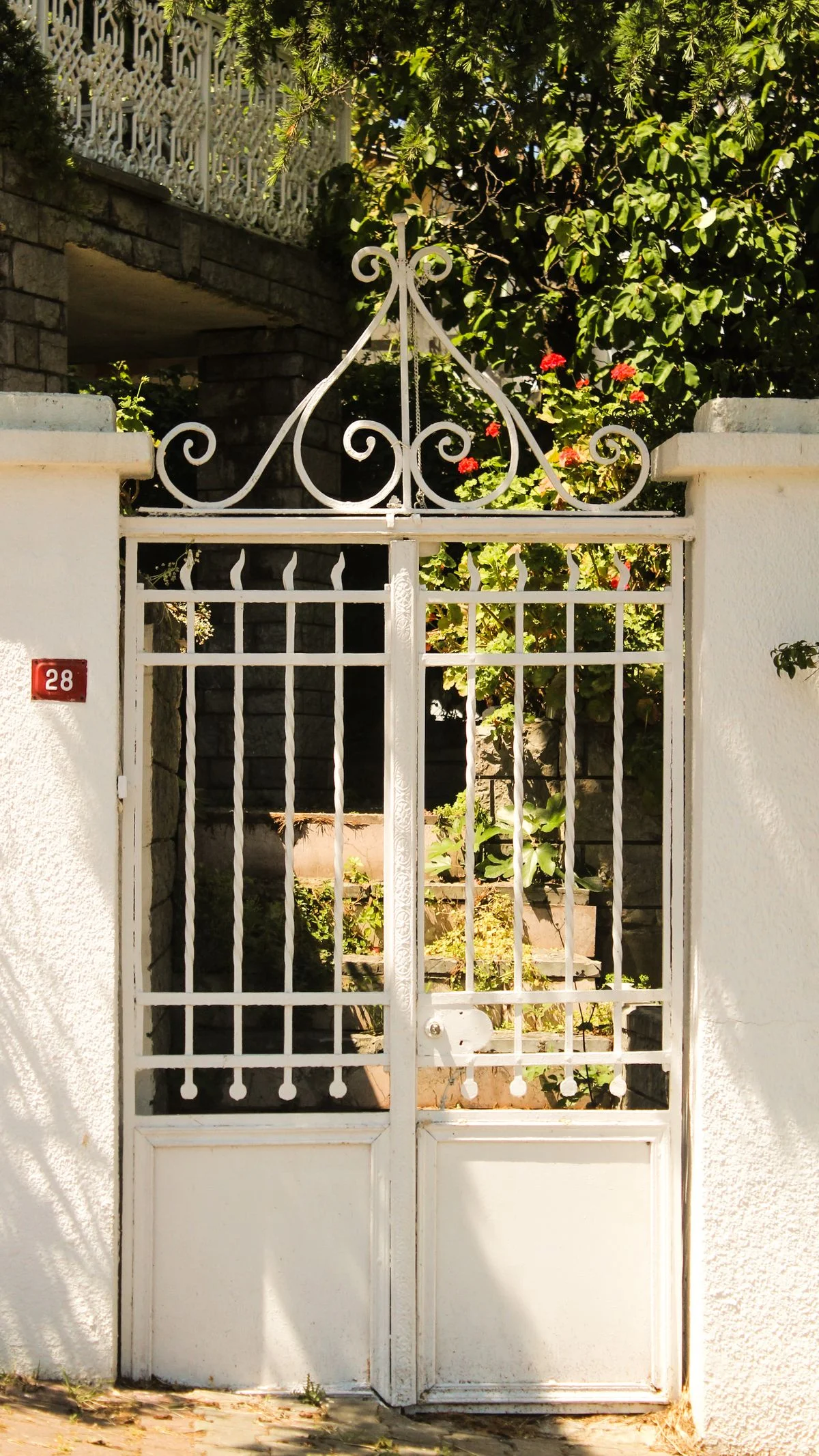
A decorative garden gate turns the entrance to your backyard into a feature, even if the rest of the fence is simple. An arched wooden gate, a metal gate with scrollwork, or a gate framed by stone pillars and climbing roses gives guests a welcoming arrival and sets the tone for the garden beyond. A well-built gate also improves security and keeps pets safely inside. Tip: build the gate from the same material as the fence, or deliberately contrast it for a designed focal point.
Gate hardware decides whether a decorative gate stays beautiful or becomes a daily frustration, so invest in heavy-duty hinges, a reliable latch, and a diagonal brace on wooden gates to prevent sagging. Hang the gate with a slight clearance above the ground so it clears grass and gravel, and adjust hinges seasonally as wood expands and contracts. Add a small path and planting on both sides, which frames the gate and makes the entrance feel complete.
How to Choose the Right Backyard Fence for Your Home
Start with your main goal: privacy, pet safety, decoration, or security, because each goal points to a different fence type. Then check local rules on height, materials, and setbacks, and talk to neighbors before building a shared boundary. Match the fence material to your climate and your willingness to maintain it, since wood needs regular care while vinyl and composite need very little. Finally, balance cost against lifespan, because a fence that lasts twenty years with no painting often beats a cheaper fence that needs constant repair.
Frequently Asked Questions About Backyard Fences
What is the best fence for backyard privacy?
A tall solid fence, such as cedar privacy panels, vinyl privacy panels, or composite panels, gives the best backyard privacy. A height of around 1.8 meters blocks most sightlines from ground level, while a hedge or vertical garden adds extra screening. Always check local height rules before building a tall fence.
What is the cheapest backyard fence option?
Chain-link and split rail fences are usually the cheapest backyard fence options, followed by basic wood picket or panel fences. Dressing a chain-link fence with vines or adding hedges improves the look without much extra cost. Remember to compare lifetime costs too, since low-maintenance materials can save money over time.
How long does a wood fence last?
A well-built wood fence lasts around 15 to 20 years, with cedar and redwood lasting longer than pine. Regular sealing or staining, good drainage, and keeping soil away from the boards all extend its life. Posts usually fail before panels, so using rot-resistant posts or concrete footings makes a big difference.
Do I need permission to build a backyard fence?
Many areas allow backyard fences up to a set height without a permit, but rules vary by location and neighborhood. Check your local council rules, homeowner association guidelines, and property boundaries before building. Talking to neighbors early also prevents disputes over shared boundaries and fence placement.
With these 19 backyard fence ideas, you can choose a fence that gives you privacy, security, and a garden you love looking at every day. Start with your main goal, check your local rules, and pick the material that fits your home and your maintenance routine. Pin this guide to your backyard ideas board so you can compare styles while you plan, and save the fence designs that suit your home best!
Photos: Pexels (free to use).
